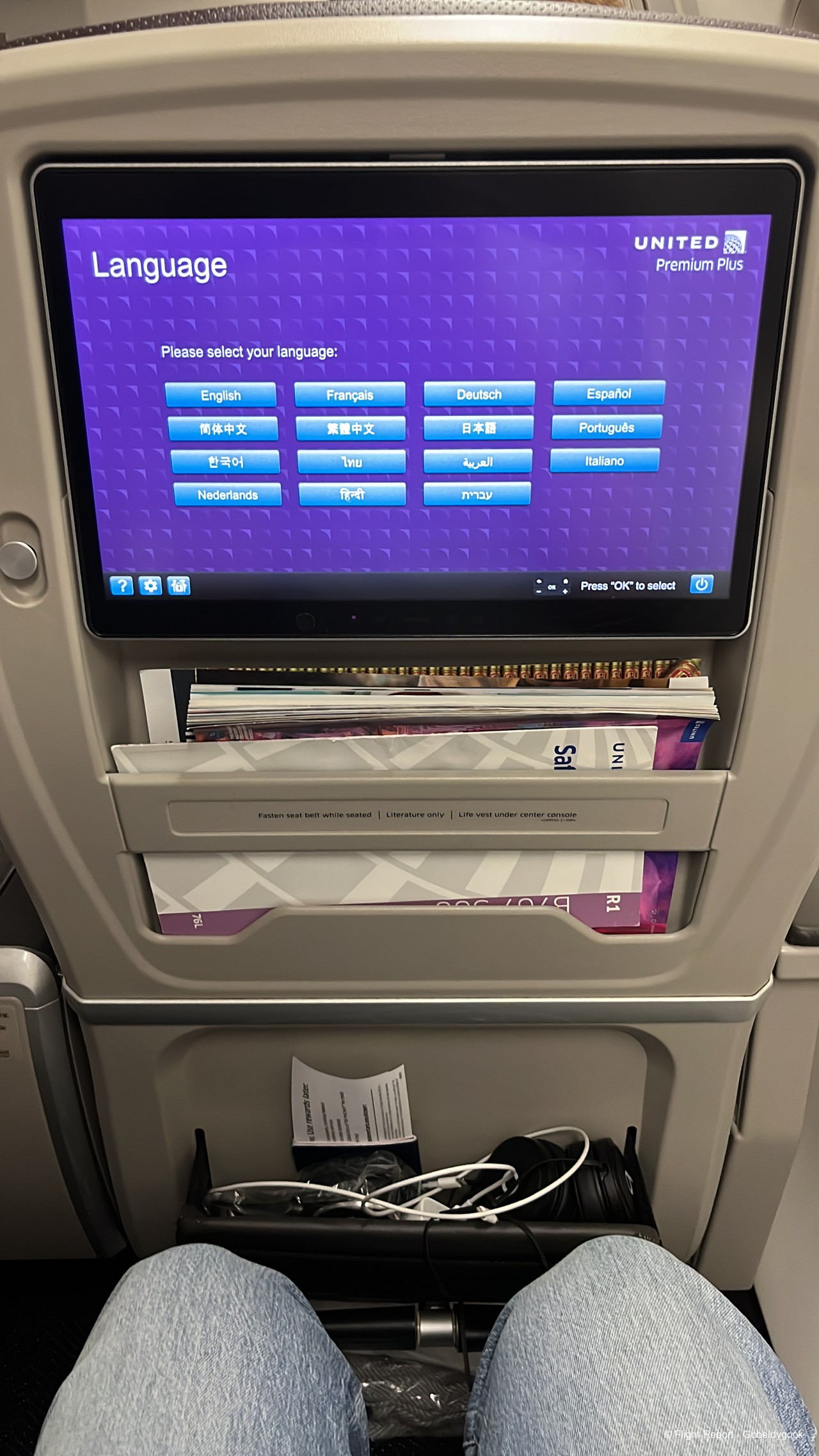
A direct flight from Newark Liberty International Airport (EWR) to London typically takes between 7 hours and 7 hours and 30 minutes. When returning from London to Newark, the duration increases to approximately 8 hours or 8 hours and 30 minutes due to prevailing headwinds over the Atlantic Ocean.
Navigating the transatlantic corridor between Newark and London is a cornerstone of international travel, connecting the New York metropolitan area with the United Kingdom’s capital. While the "air time" might stay relatively consistent, the total travel experience depends on various factors ranging from meteorological conditions to airport congestion. As of 2026, air travel technology and optimized flight paths have streamlined this journey, yet passengers must still account for the nuances of timezone shifts, jet streams, and airport logistics.
Understanding the Transatlantic Duration
The distance between Newark (EWR) and London—whether flying into Heathrow (LHR) or Gatwick (LGW)—is approximately 3,465 miles (5,576 kilometers). In the aviation world, this is considered a "long-haul" flight. However, because it is one of the shorter transatlantic routes compared to flights from the West Coast of the United States, it is often referred to as a "red-eye" favorite for business travelers and tourists alike.
The actual time spent in the air, often called "wheels up to wheels down," is usually shorter than the scheduled duration provided by airlines. Airlines include a buffer in their schedules to account for "taxi time"—the period spent moving between the gate and the runway—and potential holding patterns near busy airports like Heathrow. In 2026, despite advancements in Air Traffic Management (ATM), London’s airspace remains some of the most congested in the world, meaning that a 7-hour flight might occasionally stretch to 7.5 hours if the aircraft is forced to circle before landing.
Furthermore, the duration is heavily influenced by the "Great Circle" route. This is the shortest distance between two points on a sphere. Instead of flying a straight line across the map, planes head northeast from Newark, passing over New England, the Canadian Maritimes, and the North Atlantic before descending over Ireland or the western UK. This path changes daily based on the location of the North Atlantic Tracks (NATs), which are organized flight paths adjusted to optimize wind conditions and safety.
The Role of the Jet Stream: Eastbound vs. Westbound
One of the most significant variables in flight duration is the jet stream—a high-altitude, fast-moving wind current that flows from west to east. When flying from Newark to London (Eastbound), aircraft "hitch a ride" on these tailwinds. These winds can sometimes reach speeds of over 200 mph, significantly boosting the plane's ground speed and allowing some flights to arrive in London in under 6 hours and 30 minutes under exceptional conditions.
Conversely, when flying from London back to Newark (Westbound), aircraft must fly against these same winds. These "headwinds" act as a resistance force, slowing the aircraft’s progress relative to the ground. This is why the return journey is almost always an hour longer than the departure. Pilots and dispatchers in 2026 use sophisticated AI-driven weather modeling to find "pockets" of lower resistance, but the fundamental physics of the jet stream ensures that the Newark-bound leg remains the longer of the two.
For travelers, this discrepancy means that an overnight flight to London feels relatively quick, often leaving Newark at 8:00 PM and arriving in London at 8:00 AM local time (accounting for the 5-hour time jump). On the return leg, a flight departing at noon might arrive in Newark by 3:00 PM on the same day, making for a long afternoon of daylight but a physically more taxing journey.

Direct Flights vs. Connecting Routes
For most travelers, a direct flight is the gold standard for the EWR-to-London route. Major carriers such as United Airlines, British Airways, Virgin Atlantic, and JetBlue offer multiple daily non-stop frequencies. These flights provide the most predictable durations and minimize the risk of baggage loss or missed connections.
However, connecting flights remain a popular alternative for those looking to save money or earn miles with specific alliances. Common connection points include:
- Dublin (DUB): Flying via Aer Lingus often adds only 2 to 3 hours to the total journey. A significant benefit of this route is the U.S. Preclearance facility in Dublin for the return leg, allowing you to land in Newark as a domestic passenger.
- Reykjavik (KEF): Icelandair offers "stopover" programs. A direct flight to KEF is about 5.5 hours, followed by a 3-hour flight to London. While the total travel time might reach 10 or 12 hours, it breaks up the journey.
- Lisbon (LIS) or Madrid (MAD): Carriers like TAP Air Portugal or Iberia offer connections that can extend the travel time to 13+ hours but are often priced competitively.
When choosing a connecting flight, the "duration" is no longer just about the aircraft's speed but about the layover efficiency. In 2026, many European hubs have modernized their transfer terminals, but passengers should still aim for a minimum of 90 minutes for a connection to account for potential delays in Newark or over the Atlantic.
Aircraft Types and Their Impact on Your Journey
The type of aircraft servicing the Newark to London route has a subtle but noticeable impact on the flight's perceived and actual duration. In 2026, the fleet is dominated by highly efficient twin-engine widebodies and long-range narrowbodies.
- Boeing 787 Dreamliner & Airbus A350: These are the "workhorses" of the route for United and Virgin Atlantic. They are designed for speed and fuel efficiency. More importantly for the passenger, they feature lower cabin altitudes and higher humidity levels, which help mitigate the effects of jet lag and dehydration, making the 7-hour flight feel less grueling.
- Boeing 777: Often used by British Airways, this larger aircraft is a staple of the EWR-LHR corridor. While its flight speed is comparable to the 787, its massive capacity can sometimes mean longer boarding and deplaning times, adding 20-30 minutes to your total "gate-to-exit" experience.
- Airbus A321XLR: In 2026, narrowbody aircraft are increasingly common on this route, especially with carriers like JetBlue. While these planes fly at similar speeds to their larger counterparts, they have fewer passengers, which often results in faster boarding and luggage retrieval at Heathrow or Newark.
Logistics: More Than Just Time in the Air
When asking "how long is the flight," most travelers are actually concerned with the total time from "curb to curb." The Newark-to-London journey involves significant ground-based time that must be factored into your schedule.
Newark Liberty International (EWR) Procedures
For international departures from Newark, the standard recommendation in 2026 remains arriving 3 hours before departure. Newark’s Terminal C (United’s hub) and the newer Terminal A offer streamlined biometric boarding, but security queues and the sheer size of the terminals require a time cushion. If you are checking bags, you must factor in the "bag drop" cutoff, which is typically 60 minutes before departure for international flights.
Arrival in London: Heathrow (LHR) vs. Gatwick (LGW)
Upon landing in London, the "flight time" ends, but the "travel time" continues. Heathrow is notoriously large. Depending on which terminal you land in (usually Terminal 2, 3, or 5), the walk from the gate to immigration can take 15 to 20 minutes.
- eGates: If you hold a U.S., UK, or EU passport, the use of eGates has significantly reduced wait times, often getting passengers through immigration in under 10 minutes.
- Customs and Baggage: Expect another 20 to 30 minutes for baggage reclaim during peak morning arrivals.
- Transit to Central London: From Heathrow, the Elizabeth Line takes about 35-45 minutes to reach central London, while the Heathrow Express takes 15 minutes to Paddington. From Gatwick, the Gatwick Express takes about 30 minutes to Victoria Station.
Flight Duration Comparison Table
The following table outlines the average scheduled durations for the Newark (EWR) to London route across different service types and directions.
| Flight Type | Direction | Average Air Time | Total Scheduled Time (Gate-to-Gate) |
|---|---|---|---|
| Direct (Non-stop) | Eastbound (EWR to LHR/LGW) | 6h 45m | 7h 15m - 7h 45m |
| Direct (Non-stop) | Westbound (LHR/LGW to EWR) | 7h 50m | 8h 20m - 8h 55m |
| Connecting (1 Stop) | Eastbound (via DUB/KEF) | 8h 30m (air) | 10h 30m - 14h 00m |
| Connecting (1 Stop) | Westbound (via DUB/KEF) | 9h 45m (air) | 12h 00m - 16h 00m |
Note: Durations are averages based on 2026 flight schedules and may vary by ±30 minutes depending on seasonal wind patterns.
Seasonal Variations and Delays
While the average flight time is consistent, the time of year can influence the duration. During the winter months, the jet stream is typically stronger. This can lead to record-breaking "short" flights to London but significantly longer and more turbulent flights back to Newark. In some cases, extreme headwinds have forced older aircraft to make technical stops for refueling, though the modern fleet of 2026 (787s and A350s) has largely eliminated this issue for the Newark-London distance.
Summer travel presents a different challenge: congestion. With higher volumes of vacationers, airports in both Newark and London operate at peak capacity. "Ground delays" at Newark are common during summer thunderstorms, where a plane might sit on the tarmac for 45 minutes waiting for a departure slot. Similarly, morning fog at Heathrow can lead to holding patterns, where aircraft circle over the English countryside for 15 to 20 minutes before being cleared to land.
4 Frequently Asked Questions
1. Why does the flight from London to Newark take longer than the flight to London?
The primary reason is the jet stream. These are high-altitude winds that blow from West to East. When flying to London, these winds act as a "tailwind," pushing the plane faster. When returning to Newark, the winds become "headwinds," forcing the plane to work harder and fly slower relative to the ground. In 2026, this difference remains a constant factor in transatlantic aviation, typically adding about 60 to 90 minutes to the return leg.
2. What is the fastest a flight has ever gone from Newark to London?
While commercial subsonic flights usually take around 7 hours, extraordinary jet stream conditions have allowed commercial jets (like the Boeing 787 or 747) to reach ground speeds exceeding 800 mph. The record for a subsonic commercial aircraft on this general route (New York area to London) is just under 5 hours. However, standard schedules remain at 7+ hours to ensure fuel efficiency and safety.
3. Does the time of day I fly affect the flight duration?
The actual time spent in the air does not change much based on the time of day, but the "total travel time" does. Evening departures from Newark (between 6:00 PM and 9:00 PM) are part of the "transatlantic rush." This can lead to longer taxi times at Newark. Similarly, arriving in London during the early morning peak (6:00 AM to 9:00 AM) may result in brief holding patterns before landing. Mid-day or late-night flights often experience slightly fewer ground-based delays.
4. Is there a difference in flight time between Heathrow and Gatwick?
The flight time to Heathrow (LHR) and Gatwick (LGW) from Newark is virtually identical, as the airports are only about 25 miles apart. Any difference in duration is usually due to specific air traffic control routing on that day rather than the distance itself. However, Gatwick is sometimes less congested than Heathrow, which can occasionally lead to shorter taxi and holding times.
Final Recommendations for Your Journey
To ensure the most efficient trip from Newark to London in 2026, prioritize direct flights on modern aircraft like the Boeing 787 or Airbus A350. These aircraft not only offer the most reliable durations but also provide a superior cabin environment that helps you recover from the 7-hour journey more quickly.
If you are on a tight schedule, aim for the earliest evening departure from Newark (around 6:30 PM). These flights are often the first to land in London, beating the massive wave of morning arrivals from the rest of the U.S. and Asia, which can significantly shorten your time spent in the immigration hall. For the return journey, allow at least 3.5 hours of total time from your London hotel to your Newark gate to account for the longer flight time and the rigorous security checks standard for U.S.-bound international flights.
Image Gallery
Select an image to open it in a new tab.

Akira Tanaka
International Academic Trends Correspondent
