
The Sultan of Brunei, Hassanal Bolkiah, commands one of the world's most significant private fortunes, primarily derived from his absolute control over Brunei’s vast crude oil and natural gas reserves. As both the monarch and the Prime Minister, he exercises direct authority over the national economy, allowing for a unique integration of state assets and personal wealth.
Brunei Darussalam is a small nation located on the island of Borneo, yet it possesses a geopolitical and economic footprint far larger than its geography suggests. To understand the accumulation of the Sultan’s wealth, one must examine the intersection of natural resource dependency, the structure of the Bruneian state, and the historical evolution of the nation’s energy sector.
The Role of Natural Resources in National Wealth
The bedrock of the Sultan’s wealth is the abundance of hydrocarbons discovered within Brunei’s territory and its exclusive economic zone. Commercial oil production began in 1929 at the Seria field. Since then, the economy has remained tethered to the extraction and export of oil and liquefied natural gas (LNG).
Unlike many nations that operate on a corporate tax model for resource extraction, Brunei’s system is highly centralized. The Sultanate maintains a joint venture structure with major international energy companies, most notably via Brunei Shell Petroleum (BSP). Because the Sultan acts as the head of state and the ultimate authority, the distinction between the state’s revenue and the monarch’s treasury is legally fluid. A significant portion of the country's GDP—which is driven almost entirely by the energy sector—directly or indirectly bolsters the sovereign wealth and the personal holdings of the royal family.
Historical Context and Political Sovereignty
Hassanal Bolkiah ascended to the throne in 1967. His reign has been characterized by the consolidation of power that mirrors the absolute monarchy established by his predecessors. By controlling all executive, legislative, and judicial functions, the Sultan ensures that the management of national oil revenues remains under his direct purview.
In the mid-20th century, as many nations in the region gained independence, Brunei chose to maintain its status as a British protectorate until 1984. During the decades leading up to full independence, the development of the oil industry accelerated, and the financial frameworks that currently sustain the Sultan’s wealth were solidified. The absence of personal income tax in Brunei—for its citizens—is frequently cited as a sign of the state's prosperity, but this fiscal reality is only possible due to the massive surplus generated by energy exports that flow into the state coffers under the Sultan’s management.
Investment Strategies and Asset Diversification
While oil and gas provide the primary inflow, the preservation and growth of the Sultan’s wealth are managed through sophisticated, global investment strategies. The Brunei Investment Agency (BIA), an arm of the Ministry of Finance, manages the country’s General Reserve Fund. Because of the Sultan’s total control over the state apparatus, the BIA effectively acts as the manager of the monarch’s vast financial interests.
The BIA maintains a diverse portfolio, including:
- Real Estate: High-end, marquee properties located in major financial hubs, including the Dorchester Collection of hotels (which includes The Dorchester in London and The Beverly Hills Hotel in California).
- Equities and Bonds: Substantial holdings in global blue-chip companies and government securities designed to provide long-term stability and liquidity.
- Foreign Currency Reserves: Large-scale accumulation of international currencies to hedge against fluctuations in the price of hydrocarbons.
By diversifying outside of Brunei, the Sultan protects his wealth from the volatility of the global energy market. Even if oil prices drop, the returns on international real estate and equity investments continue to generate billions in revenue.
The Integration of State and Private Interests
In an absolute monarchy, the separation between personal property and state treasury is minimal. The Sultan is not merely a public servant but the owner of the nation’s productive assets. This structure is a relic of traditional sultanate governance, where the monarch is the steward and ultimate beneficiary of the land and all its resources.
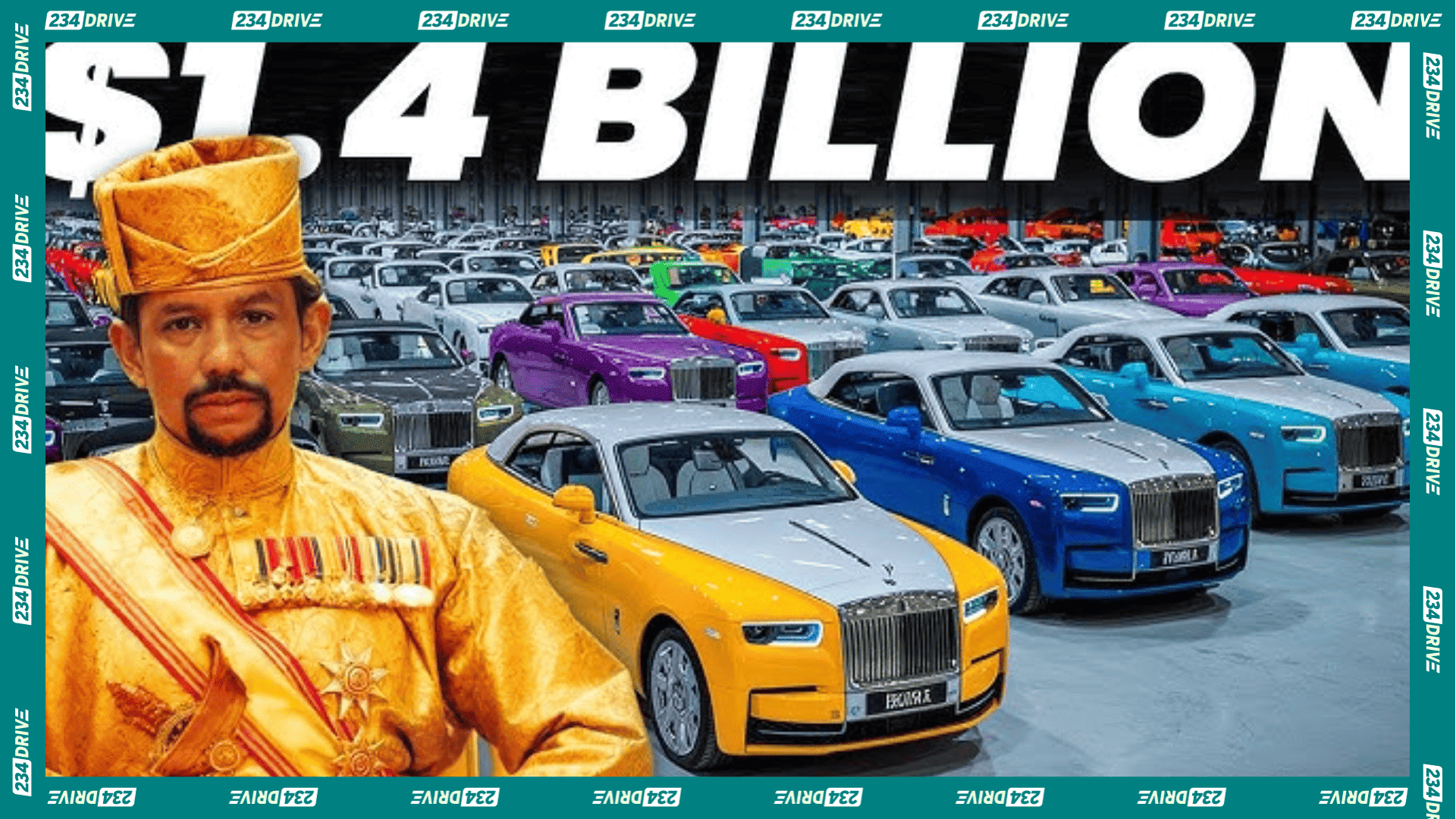
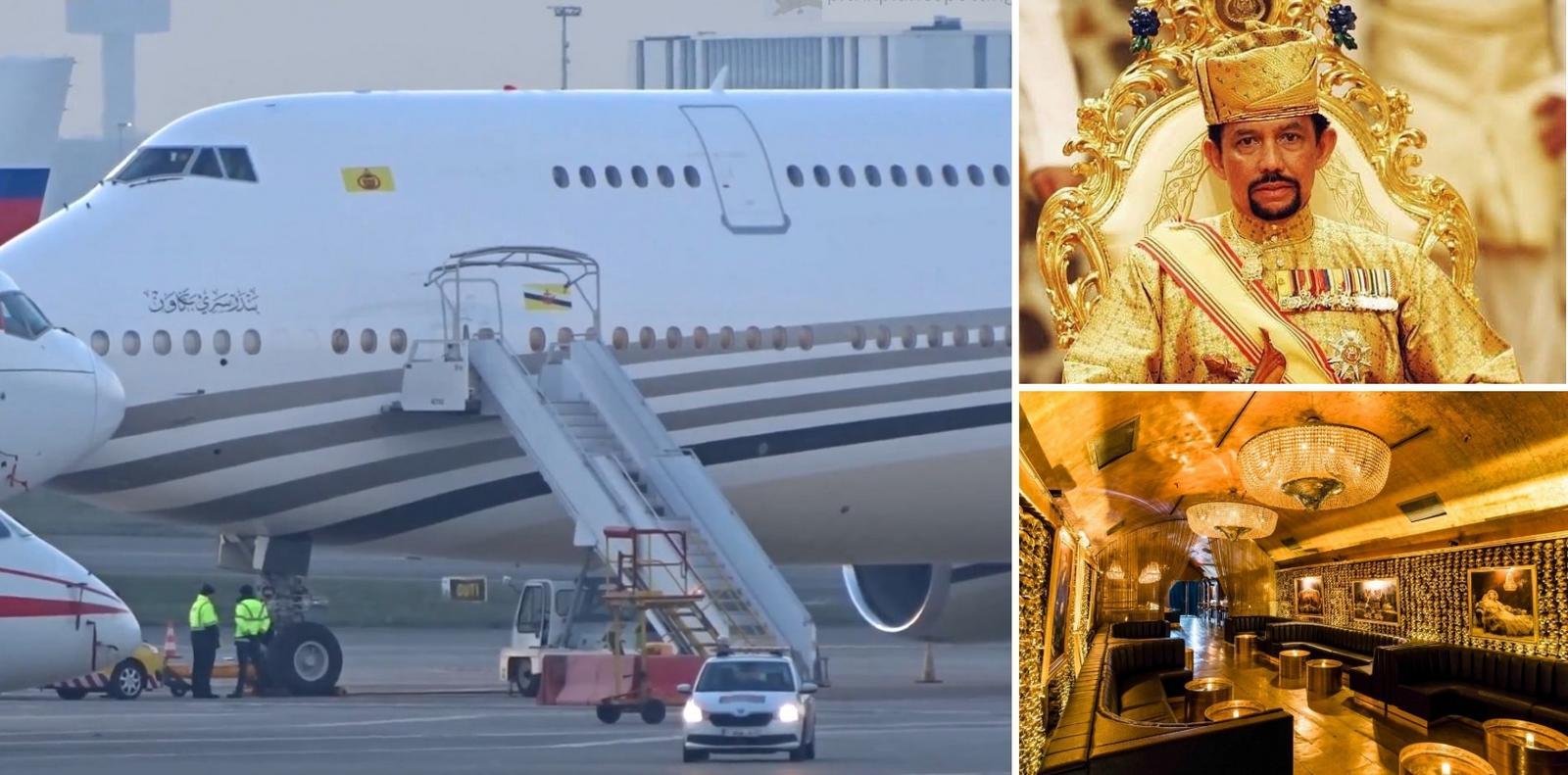
This integration allows for the maintenance of a lifestyle that is often described as one of the most opulent in the world. The royal household oversees the Istana Nurul Iman, the largest residential palace in the world, which serves as both a private residence and the official seat of government. The costs associated with such assets are integrated into the national budget, which is overseen by the Sultan himself.
| Asset Category | Source of Value | Strategic Objective |
|---|---|---|
| Hydrocarbons | Oil and Natural Gas exports | Primary cash flow and revenue generation |
| Global Real Estate | Luxury hotels and commercial buildings | Capital appreciation and diversification |
| Equities/Bonds | International stock and debt markets | Long-term wealth preservation |
| Sovereign Reserves | Currency and gold holdings | Economic stability and national security |
Factors Influencing Wealth Fluctuations
It is a common misconception that the Sultan’s wealth is static. His net worth fluctuates significantly based on several variables:
- Global Energy Prices: Because Brunei’s economy is highly dependent on oil, a downturn in market prices directly impacts the state’s fiscal position, which influences the valuation of assets tied to the monarch.
- Investment Performance: As with any large-scale portfolio, the performance of global stock markets dictates the value of the BIA’s holdings.
- Currency Fluctuations: The valuation of the Brunei dollar—pegged to the Singapore dollar—creates a stable exchange environment, but holdings in other currencies are subject to global forex volatility.
- Operational Costs: The maintenance of a massive royal household, a private fleet of aircraft, and various state ceremonies requires significant expenditure, which must be balanced against the incoming revenue streams.
Frequently Asked Questions
Does the Sultan pay taxes on his income? No. As an absolute monarch, the Sultan is the ultimate authority in Brunei. The tax laws of the country do not apply to him. Furthermore, there is no personal income tax for citizens in Brunei, which is facilitated by the wealth generated from the energy sector.
Is the Sultan’s wealth his own or the country’s? In the Bruneian system, there is no legal distinction between the two. The Sultan exercises authority over both the state’s assets and his personal wealth, often utilizing the same state apparatus—such as the Brunei Investment Agency—to manage both.
How does the Sultan manage his global assets? He utilizes professional investment managers and government agencies like the Brunei Investment Agency to oversee portfolios. These entities employ financial experts to ensure the diversification of assets across real estate, stocks, and bonds worldwide.
Will the Sultan’s wealth eventually run out? While oil and gas reserves are finite, the wealth has been systematically moved into diversified international investments. By reinvesting oil profits into assets that generate income independently of fossil fuels, the Sultan has created a self-sustaining financial cycle that does not rely solely on current extraction levels.
What is the impact of the Sultan’s wealth on the average Bruneian? The wealth of the nation, funneled through the Sultan, allows for a high level of public spending on social services. This includes free education, free healthcare, and the absence of personal taxes, which contributes to a high standard of living compared to many other regional economies.
Next Steps and Further Research
For those interested in the structural mechanics of absolute monarchies and state-led economic systems, the primary next step is to examine the annual reports of the Brunei Investment Agency when public disclosures are available. Additionally, observing the fluctuations in the price of Brent Crude oil serves as a practical, real-time indicator of the pressures facing the Bruneian economy.
To further understand the historical trajectory of this wealth, researchers should consult academic archives detailing the British colonial administration’s role in the Seria oil field development. Analyzing these historical records provides a clearer picture of how the modern wealth framework was constructed in the mid-20th century.

Image Gallery
Select an image to open it in a new tab.





Omar Farooq
EdTech Innovation and Virtual Pedagogy Journalist
