
The crash of Air France Flight 447 on June 1, 2009, remains a profound tragedy in modern aviation history, resulting in the loss of all 228 passengers and crew members aboard the Airbus A330-200. Remembering the victims involves honoring their lives, understanding the complex chain of events that led to the accident, and acknowledging the fundamental shifts in pilot training and sensor technology that have since transformed international flight safety.
The Historical Context of the Tragedy
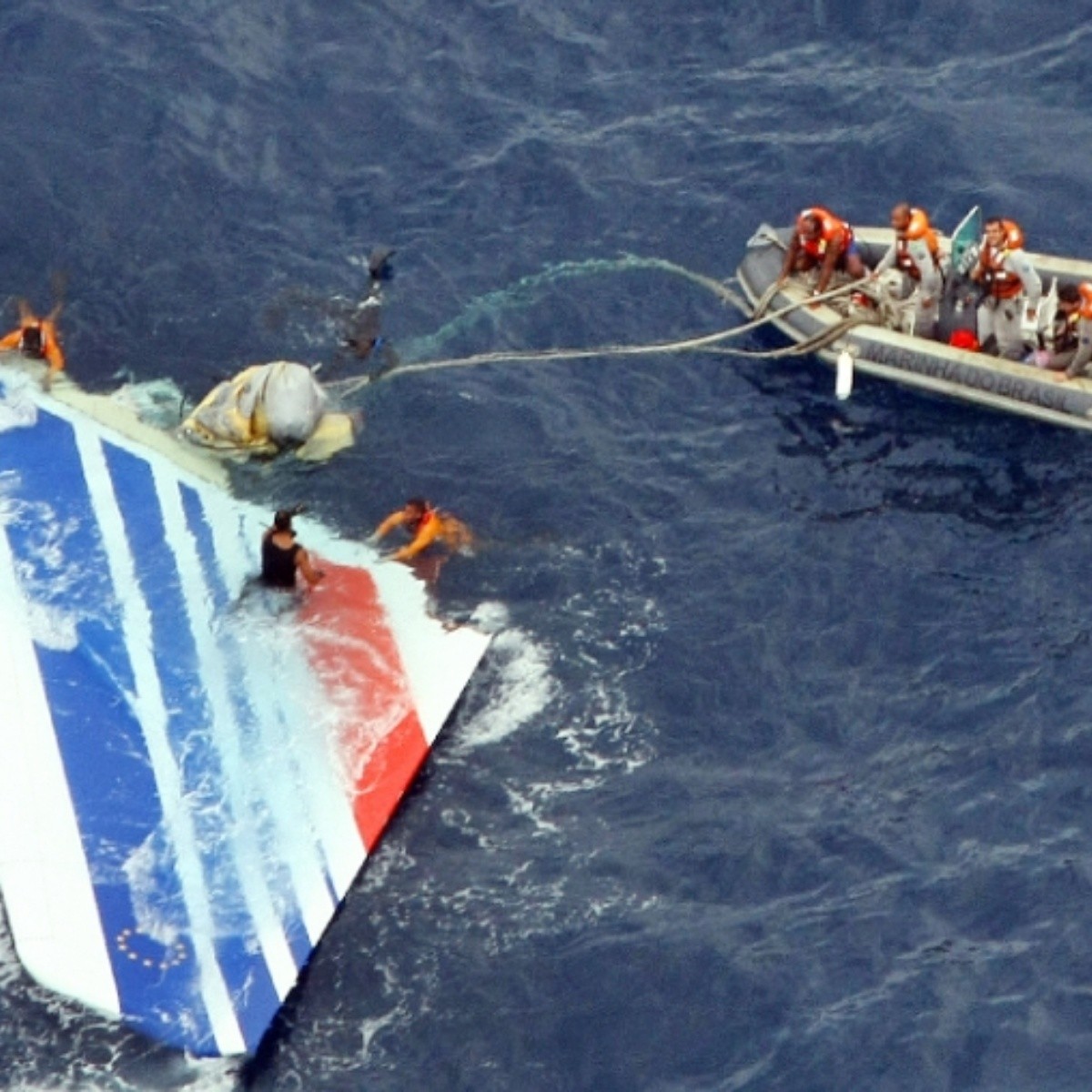
Air France Flight 447 was a scheduled international passenger flight from Rio de Janeiro, Brazil, to Paris, France. As the aircraft traversed the Intertropical Convergence Zone over the Atlantic Ocean, it encountered high-altitude weather systems, leading to a sequence of events that culminated in the aircraft stalling and descending into the ocean. The loss of the aircraft was the subject of an extensive, years-long search operation, one of the most expensive and technically challenging underwater recovery efforts ever undertaken at the time.
The search for the wreckage and the flight data recorders (black boxes) lasted nearly two years. It was not until May 2011 that the wreckage and recorders were located at depths exceeding 3,900 meters. The findings from these recorders provided the aviation industry with an unprecedented look at how a modern, fly-by-wire aircraft responds to contradictory sensor inputs and the subsequent human factors involved in cockpit management during a high-stress, mid-flight emergency.
Human Factors and Pilot Training
The investigation conducted by the Bureau d'Enquêtes et d'Analyses (BEA) identified that the core of the catastrophe was a loss of control resulting from a disconnect between the aircraft’s automated systems and the human pilots. When the pitot tubes (speed sensors) became obstructed by ice, the aircraft’s autopilot disconnected.
The subsequent confusion in the cockpit revealed critical gaps in training regarding "manual handling" of aircraft at high altitudes. Because modern pilots spend the vast majority of their flight time under the supervision of automated systems, the proficiency required to recover from a high-altitude stall had eroded. Following the recovery of the victims and the investigation, the global aviation community initiated a paradigm shift in training.
Key improvements implemented since 2009 include:
- Upset Recovery Training (UPRT): Mandatory training modules that force pilots to practice recovering from extreme attitudes and stall conditions in simulators.
- Automation Management: Increased emphasis on understanding "mode confusion," where pilots must recognize when the aircraft drops from "Normal Law" to "Alternate Law," which changes how the flight control computers interpret pilot inputs.
- Sensor Redundancy: Enhanced technical requirements for pitot-static systems to ensure better resistance to icing in extreme meteorological conditions.
Honoring the Victims
For the families of those lost, remembering the Air France 447 victims is an ongoing process of seeking justice, closure, and the assurance that lessons learned will prevent similar catastrophes. The tragedy claimed citizens from 33 different countries, making it a truly international loss. Memorial services are held periodically, and families continue to support one another through advocacy groups, often emphasizing the importance of independent safety investigations.
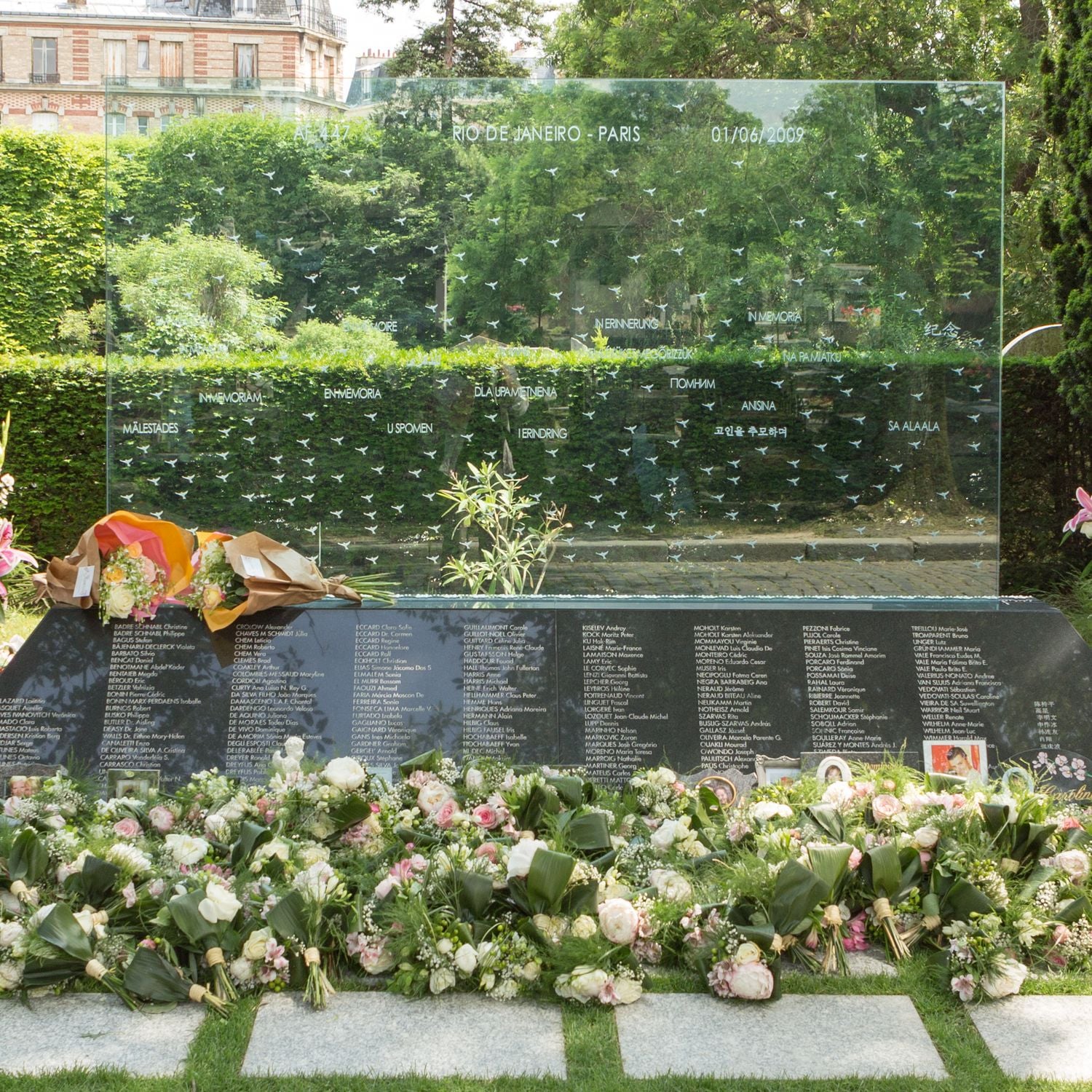
In France and Brazil, memorials have been erected to honor the memory of the passengers and crew. These sites serve as physical anchors for the collective memory, ensuring that the human cost of the accident remains at the forefront of the aviation industry's safety culture. The resilience of the families has been instrumental in keeping the focus on safety improvements rather than merely bureaucratic process.
Understanding the Technical Chain of Events
To understand the loss, one must analyze the interaction between technology and human behavior during the flight. The table below outlines the primary technical factors contributing to the accident, as confirmed by the official BEA final report.
| Factor | Technical Detail | Impact on Flight 447 |
|---|---|---|
| Pitot Tube Icing | Obstruction of sensors due to ice crystals | Led to the loss of reliable airspeed data |
| Autopilot Disconnect | System failure due to inconsistent data | Forced pilots to manual control without full situational awareness |
| Control Logic | Transition from Normal to Alternate Law | Disengaged automated protections (e.g., flight envelope protection) |
| Cockpit Inputs | Conflicting side-stick inputs by pilots | Aircraft entered a stall condition at high altitude |
| Flight Deck CRM | Breakdown in Crew Resource Management | Difficulty in identifying the stall warning and prioritizing tasks |
The combination of these factors highlights a "Swiss cheese" model of disaster, where a series of defensive layers failed consecutively. Remembering the victims necessitates an honest appraisal of these failures, as hiding the technical realities would do a disservice to the progress made in aviation safety in the years that followed.
The Role of Technology in Modern Safety
Since the 2009 incident, the aviation industry has moved toward more robust, redundant data monitoring. One of the most significant changes has been the evolution of how flight data is transmitted and stored. The "black boxes" themselves have been redesigned to be easier to find, and new regulations require aircraft to transmit position data more frequently if they deviate from their flight path.
Furthermore, flight data monitoring (FDM) programs are now standard across most commercial airlines. These programs anonymously analyze flight data from thousands of landings and take-offs to identify trends that might indicate a safety risk before an actual incident occurs. The loss of the 228 individuals on Air France 447 acted as a catalyst for this proactive rather than reactive approach to safety.
FAQ: Addressing Common Questions
Why was the search for the flight recorders so difficult? The wreckage was located in a deep-sea, mountainous terrain at the bottom of the Atlantic. The search area was vast, and the acoustic pingers attached to the recorders had a limited battery life, which expired before the primary search area was narrowed down.
Did the pilots have experience with high-altitude stalls? While the pilots were well-qualified, the industry-wide training standards at the time did not adequately prioritize manual stall recovery at cruise altitude. The simulator training focused heavily on departures and approaches rather than the specific, low-energy environment of high-altitude flight.
How did the investigation lead to better safety standards? The investigation necessitated a complete overhaul of how Airbus aircraft communicate sensor errors to pilots. The cockpit interface was redesigned to ensure that pilots are alerted more clearly when automated protections are lost.
Are there current memorials for the victims? Yes, there are several, including a notable memorial at the Père Lachaise Cemetery in Paris. These locations serve as focal points for annual remembrances, providing a space for family members to gather and reflect.
How has the aviation industry changed for passengers today? As a passenger, the changes are largely invisible, manifest in the higher reliability of flight instruments and more rigorous pilot training. These incremental improvements have made the years since 2009 some of the safest in commercial aviation history.
Ensuring the Legacy Lives On
The legacy of the Air France 447 tragedy is embedded in every flight that arrives safely at its destination. By remembering the victims, we acknowledge that aviation progress is often bought at a high price, and that the only way to honor those lost is to maintain an uncompromising commitment to safety.
For those wishing to learn more or to support the ongoing efforts in aviation safety advocacy, official reports from the BEA (Bureau d'Enquêtes et d'Analyses) remain the primary source of factual information. Researchers, industry professionals, and the general public should rely on these documents to ensure that the technical details of the accident remain accurate and are not lost to speculation or myth.
The ultimate goal of studying the Air France 447 accident is to ensure that the human and technical errors identified are never repeated. This remains the most fitting tribute to the passengers and crew members who lost their lives on that tragic night.

Image Gallery
Select an image to open it in a new tab.




Mateo Castillo
Decentralized Finance and E-Payments Strategist
