How the Most Expensive Music Videos Break Down Costs: A Deep Dive into Multi-Million Dollar Productions
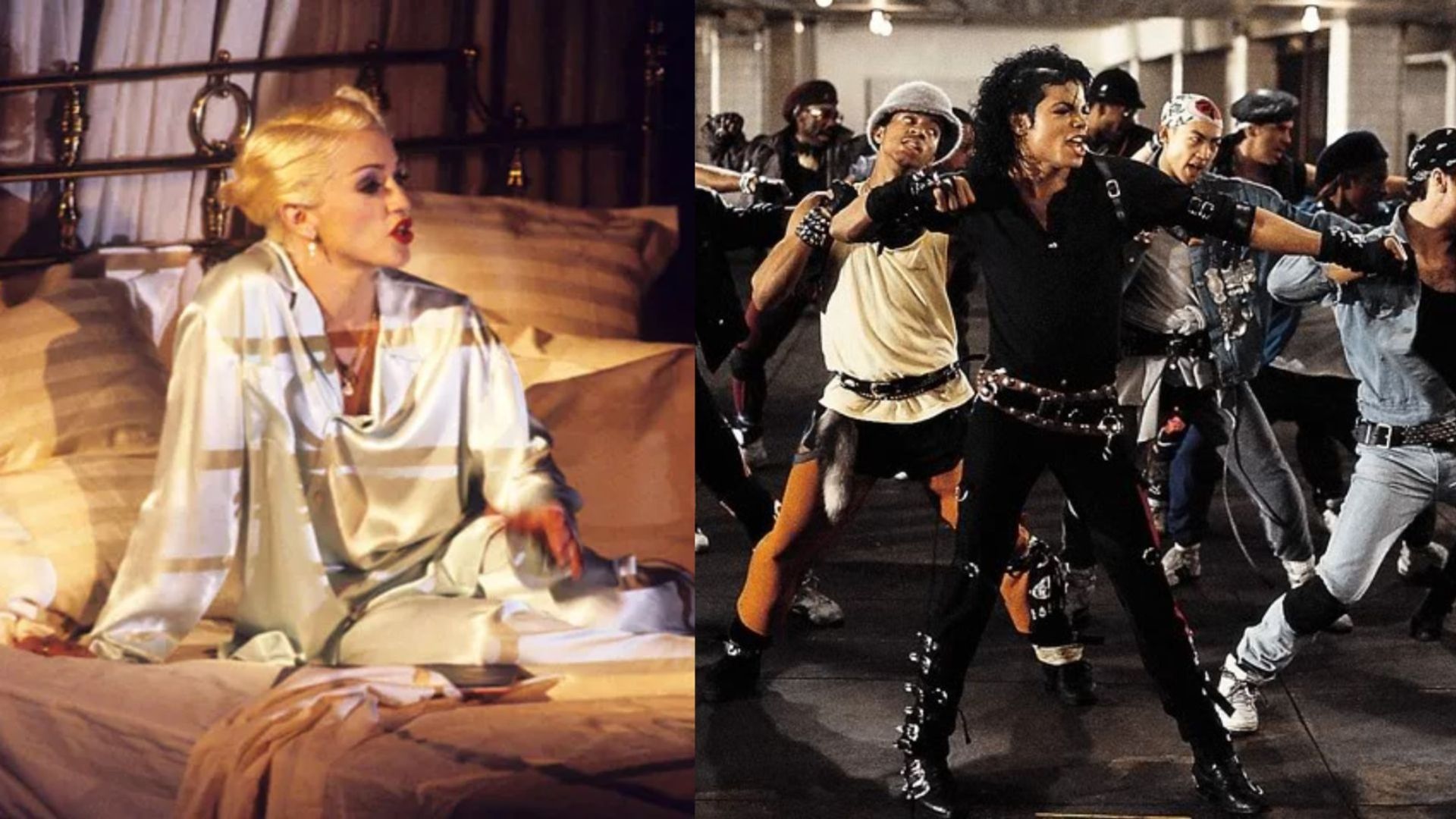
The most expensive music videos in history break down their costs through a combination of massive physical set construction, cutting-edge visual effects (VFX), high-profile directors, and extensive production timelines. While a standard high-end video might cost $200,000, legendary productions like Michael Jackson’s "Scream" or Madonna’s "Bedtime Story" reached multi-million dollar heights by funding bespoke architectural builds, astronomical talent fees, and months of specialized post-production work that often rivaled feature films in technical complexity.
The Evolution of the Mega-Budget Music Video
To understand how music video costs are allocated, one must first recognize the shift from the high-spending "MTV Era" of the 1990s to the digital-first landscape of 2026. During the mid-90s, the music industry was at its financial peak, and labels viewed music videos as essential marketing tools that justified budgets ranging from $1 million to $7 million. Today, while digital technology has lowered the barrier to entry for independent artists, top-tier global superstars still utilize seven-figure budgets to maintain a specific "prestige" aesthetic.
The breakdown of these costs is rarely about just one expensive item. Instead, it is the accumulation of dozens of high-end line items. When a budget exceeds the $2 million mark, the spending typically shifts away from the "artist's fee" and toward the logistical and technical requirements of realizing a director’s vision. Whether it is the $7 million spent on "Scream" or the $5 million for "Bedtime Story," these budgets serve as a blueprint for how complex entertainment projects are financed.
Pre-Production: The Foundation of Seven-Figure Budgets
Before a single frame is shot, a significant portion of a mega-budget—often 10% to 15%—is consumed by pre-production. In the most expensive videos, this phase is not merely about scheduling; it involves architectural planning and engineering.
For Michael and Janet Jackson’s "Scream" (1995), directed by Mark Romanek, the pre-production phase involved the design of 11 distinct sets across several soundstages. This required a full-time staff of set designers, concept artists, and structural engineers. When a video requires a custom-built spaceship or a futuristic landscape, the "Art Department" becomes the largest line item.
Pre-production costs also include:
- Location Scouting: For videos like Guns N' Roses' "Estranged," which utilized oil tankers and diverse outdoor locations, scouts were paid to secure permits and logistics for months before the cameras rolled.
- Storyboarding and Animantics: High-budget videos often use digital animatics (3D animated storyboards) to plan complex camera movements, ensuring that expensive VFX shots are perfectly framed.
- Choreography and Rehearsals: When featuring dozens of backup dancers, the cost of studio rentals and rehearsal wages for weeks of preparation can easily reach six figures.

Production Personnel and Director Fees
In the world of high-end production, the "who" is often as expensive as the "what." A-list directors like Mark Romanek, David Fincher, or Hype Williams have historically commanded daily rates that reflect their status as cinematic visionaries. In 2026, a top-tier director for a major label project may have a "buy-out" fee or a day rate that consumes a substantial part of the budget.
However, the director is only the beginning. A $3 million music video requires a crew of 100 to 200 people. This includes:
- The Cinematography Team: A Director of Photography (DP), 1st and 2nd Assistant Cameramen, and DITs (Digital Imaging Technicians).
- Grip and Electric (G&E): The teams responsible for lighting and rigging. On massive sets, the power requirements alone necessitate industrial-grade generators and a crew of 20+ electricians.
- Specialized Technicians: Motion control operators, drone pilots, and underwater camera specialists.
Labor costs are often governed by unions such as IATSE (International Alliance of Theatrical Stage Employees), which mandates specific hourly rates, overtime, and "turnaround" times. For a five-day shoot—common for the world's most expensive videos—labor costs alone can exceed $500,000.
Visual Effects (VFX) and the Post-Production Burn
Post-production is frequently where the largest portion of a multi-million dollar budget is allocated, especially for videos featuring surrealism or sci-fi themes. Madonna’s "Bedtime Story" is a prime example. Directed by Mark Romanek in 1995, the video cost approximately $5 million, a massive portion of which was dedicated to groundbreaking digital effects that were, at the time, extremely labor-intensive.
In the modern era, "VFX" encompasses:
- CGI (Computer Generated Imagery): Creating entire worlds or characters that do not exist in reality.
- Compositing: Blending live-action footage with digital backgrounds (Green Screen/Volume work).
- Motion Tracking: Ensuring that digital elements move perfectly in sync with the handheld camera movements of the DP.
- Color Grading: High-end colorists use specialized suites to give the video its final cinematic "look," often charging thousands of dollars per hour.
For a video like "Scream," the "spaceship" aesthetic required seamless integration between the physical sets and the digital vistas visible through the windows. The rendering time and the sheer number of digital artists required to meet a release deadline can drive the post-production bill into the millions.
Technical Gear and Cinema-Grade Equipment
While a high-end smartphone can capture 4K video, the most expensive music videos use equipment that provides "the film look." Even in 2026, many prestige directors prefer shooting on 35mm or 65mm film for its dynamic range and grain structure.
The costs associated with high-end gear include:
- Camera Packages: Renting multiple Arri Alexa 35 or Panavision systems with vintage anamorphic lenses can cost $20,000 to $50,000 per week.
- Specialty Rigs: The use of a Bolt High-Speed Cinebot (a robotic arm capable of moving a camera at high speeds with millimetric precision) is essential for modern pop videos but carries a heavy rental and operator fee.
- Lighting Arrays: Building a "sun" using dozens of Arri SkyPanels or large-scale LED walls (like those used in The Mandalorian) for in-camera VFX requires immense capital.
Logistics: The Invisible Costs
Logistics are often the most overlooked aspect of a music video budget. When an artist like Puff Daddy (Diddy) or Taylor Swift produces a massive video, they are often moving an entire village of people.
Travel and Housing: If a video is shot in a remote location (e.g., a desert in the Middle East or a glacier in Iceland), the production must pay for flights, hotels, and per diems for the entire crew. Catering: Feeding a crew of 150 people three high-quality meals a day for a week can cost upwards of $30,000. Insurance and Legal: Large-scale productions carry massive liability insurance policies to cover potential injuries, equipment damage, or "weather days" (where rain prevents shooting). For videos involving stunts, like the bungee jumping in "Estranged," insurance premiums skyrocket.
Detailed Breakdown of High-Budget Music Video Drivers
The following table compares some of the most expensive music videos ever made, adjusted for their original production context, and identifies the primary driver of their multi-million dollar price tags.
| Video Title | Artist | Estimated Cost (USD) | Primary Cost Driver |
|---|---|---|---|
| "Scream" | Michael & Janet Jackson | $7,000,000 | Massive set construction (11 sets) and CGI. |
| "Bedtime Story" | Madonna | $5,000,000 | Surrealist VFX and long post-production. |
| "Estranged" | Guns N' Roses | $4,000,000 | Logistics (tankers, helicopters) and stunts. |
| "Black or White" | Michael Jackson | $4,000,000 | Cutting-edge "morphing" effects and global locations. |
| "Victory" | Puff Daddy | $2,700,000 | Pyrotechnics, guest stars (Danny DeVito), and action sequences. |
| "Cartoon and Cereal" | (High-End Modern Equivalent) | $1,000,000+ | Advanced motion control and high-end cinema optics. |
Why "Scream" Remains the Benchmark
To this day, Michael Jackson's "Scream" remains the gold standard for high-budget music videos. When people ask "where did the $7 million go?", the answer lies in the uncompromising nature of the production. The video was shot over two weeks, which is an eternity for a music video. Most videos are shot in one or two days.
The "Scream" budget breakdown included:
- $636,000 for Michael Jackson's choreography and creative input.
- $175,000 for lighting alone.
- $65,000 for a computer-generated guitar.
- $2,500,000 for the various spaceship sets and their maintenance.
- Over $50,000 for daily catering and on-set amenities for the two stars.
This level of spending was possible because the music industry in 1995 relied on physical album sales (CDs), which generated much higher margins than the streaming models of 2026. However, even today, these figures serve as the architectural blueprint for how a "prestige" project allocates its resources.
FAQ
What is the most expensive part of a music video today? In 2026, the most expensive part is typically Visual Effects (VFX) and Labor. While camera technology has become cheaper, the human hours required to create high-end CGI or to manage a 100-person union crew remain the primary financial burdens.
Do artists pay for their own music videos? Generally, the record label provides a "video budget," which is technically an advance against the artist's future royalties. This means the artist eventually "pays" for the video once their music starts generating profit. For independent superstars, the funding may come from personal wealth or brand partnerships.
Why did music videos cost more in the 90s than they do now? The 90s were the era of high-margin CD sales and the dominance of MTV. A $5 million video was seen as a necessary investment to ensure global rotation. Today, many high-end videos look "expensive" through clever digital tricks and smaller, more efficient crews, though "event" videos by top stars still reach multi-million dollar levels.
How does location impact the budget? A video shot in a single studio (like "Scream") puts its money into construction, while a video shot in multiple international cities (like "Black or White") puts its money into logistics, travel, and permits. Studio shoots are often more expensive because everything—from the walls to the "sunlight"—must be created from scratch.
Does a high budget guarantee a "better" video? Not necessarily. While a high budget allows for more spectacle, the "success" of a video in 2026 is often measured by its viral potential and creative concept. However, for a certain level of cinematic polish and technical perfection, a high budget is a prerequisite.
Practical Recommendations for Production Analysis
For those looking to understand or plan a high-budget production, the most critical step is Line-Item Transparency. Every dollar must be accounted for in a "Top Sheet" budget. If you are analyzing why a video looks expensive, look at the Backgrounds and the Lighting. High-budget videos rarely use flat, natural light; they use complex, multi-point lighting setups that require large crews and heavy equipment.
Furthermore, pay attention to the Credit Roll. The length of the credits for a music video is the most accurate indicator of its cost. If the VFX team alone has 40 names, you are looking at a project that likely cost at least $1 million in post-production labor alone.
Image Gallery
Select an image to open it in a new tab.


Declan O'Connor
Higher Education and Campus Culture Reporter
