Can You Really Identify a Song Just by Listening to It?

Yes, you can reliably identify a song just by listening to it through a combination of human cognitive processes, expert musical memory, and advanced digital audio fingerprinting technology. Whether through recognizing a familiar melody in your head or deploying algorithmic acoustic analysis via a smartphone app, tracking down an elusive track has never been more accurate or accessible.
The Human Element: Cognitive Recognition and Memory
The human brain possesses an extraordinary capacity to process, categorize, and recall musical information. When you hear a song you know, multiple neural pathways activate simultaneously, integrating rhythm, melody, timbre, and lyrics. This neurological phenomenon explains why you can often identify a song within the first fraction of a second—a concept musicologists refer to as the "recognition threshold."
How the Brain Decodes Music
Auditory processing begins in the cochlea, which breaks down incoming sound waves into individual frequency components. These signals travel through the brainstem to the auditory cortex, where the brain begins assembling notes into recognizable patterns.
- Melodic Contour: The shape of a melody—whether notes ascend or descend—is one of the primary features the brain uses to index songs.
- Timbre (Tone Color): The unique sonic signature of an instrument or a vocalist's voice allows you to distinguish a track instantly, even if you are hearing a completely new arrangement or a cover version.
- Episodic Memory: Music is deeply intertwined with the limbic system, particularly the amygdala and hippocampus. This connection explains why songs are tied to emotional states and life events, making recall both rapid and enduring.
The Phenomenon of the "Earworm"
Involuntary musical imagery, commonly known as an earworm, demonstrates how persistently the brain retains musical data. When a song gets stuck in your head, your auditory cortex continues to loop a snippet of the track, often triggered by a word, a similar rhythm, or an environmental cue. This internal loop proves that human memory can reconstruct an entire track from just a fleeting fragment of audio.
Digital Acoustic Fingerprinting: How Algorithms Listen
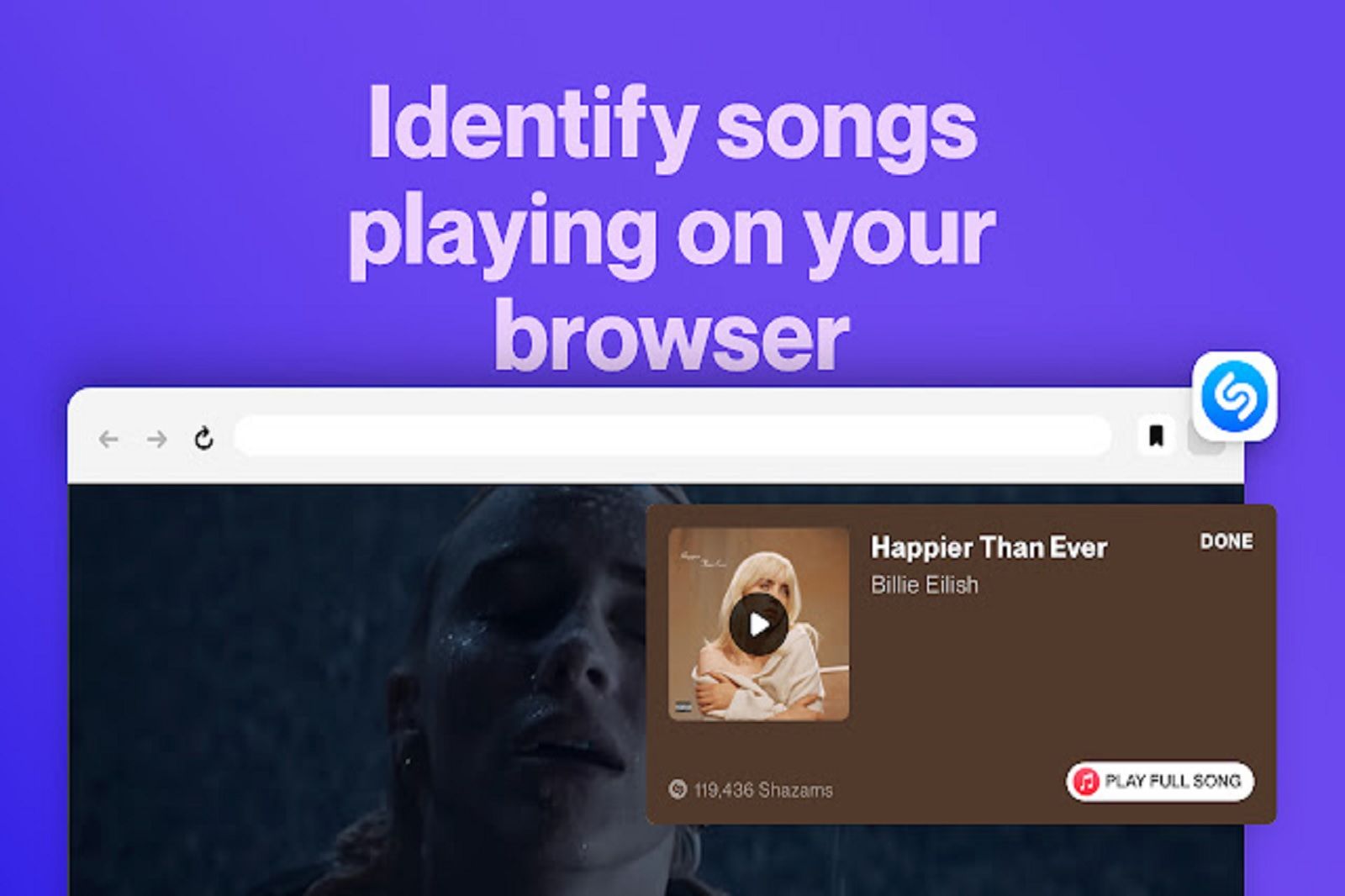
When human memory fails—such as when you hear an unfamiliar song playing in a coffee shop, a movie, or a video game—digital technology steps in. Modern music recognition software does not simply "listen" to a song the way a human does. Instead, it converts audio into mathematical data through a process called acoustic fingerprinting.
Step-by-Step Breakdown of Audio Recognition
Ambient Audio Captured
Spectrogram Generation (Time vs. Frequency)
Peak Extraction (Identifying Loudest Frequencies)
Hash Generation (Creating Mathematical Signatures)
Database Matching (Querying Master Catalogues)
Audio Capture: The microphone on your device samples the ambient sound waves, converting acoustic pressure variations into digital data.
Spectrogram Generation: The software runs a mathematical algorithm (such as a Fast Fourier Transform) to break the audio clip down into a visual representation called a spectrogram, displaying frequency on one axis and time on the other.
Peak Extraction: The algorithm ignores background noise and focuses on the most prominent spectral peaks—the loudest, most distinct frequencies at any given moment.
Hash Generation: These peaks are combined with their time offsets to create unique numerical identifiers, known as cryptographic hashes.
Database Matching: The app queries a massive cloud database containing millions of pre-indexed audio fingerprints, searching for an exact match against its catalog.
Comparing Music Identification Methods
Different situations call for different identification strategies. The table below compares the most common methods used to identify a song by listening to it, highlighting their ideal use cases and limitations.
| Method | Primary Tool / Medium | Accuracy | Speed | Environmental Limitations |
|---|---|---|---|---|
| Algorithmic Apps | Shazam, SoundHound, Google Sound Search | Very High (for studio tracks) | 2–5 seconds | Struggles with live covers, heavy background noise, or obscure remixes. |
| Human Memory | Internal recall, humming, whistling | Variable (depends on familiarity) | Instant | Subject to the tip-of-the-tongue phenomenon; requires prior exposure. |
| Community Forums | Reddit (r/TipOfMyTongue), WatZatSong | High (for popular or semi-obscure tracks) | Hours to Days | Relies on human availability; requires accurate user descriptions or audio snippets. |
| Lyric Search | Search engines (Google, Genius) | High (if lyrics are distinct) | Instant | Useless for instrumental tracks or mumbled vocals. |
Overcoming Obstacles: Identifying Difficult Audio
While clear studio recordings are easy to identify, identifying a song becomes significantly more challenging under imperfect acoustic conditions. Understanding how to navigate these hurdles increases your chances of a successful match.
Background Noise and Distortions
Loud conversations, clinking glasses, or environmental hums can distort the spectrogram, masking the distinct frequency peaks required by identification algorithms. To combat this:
- Move closer to the audio source, such as a speaker.
- Turn off competing sound sources if possible.
- Use apps with enhanced noise-suppression algorithms or continuous listening modes.
Covers, Remixes, and Live Versions
Because digital fingerprinting relies on exact audio matches against master recordings, a live performance, an acoustic cover, or a club remix will often fail to trigger a match for the original track. In these instances, specialized apps that utilize melody-recognition algorithms—such as humming into SoundHound—can analyze the underlying pitch sequence rather than the master audio file.
What to Do When Technology Fails
If automated apps and personal memory both come up short, a thriving global community of music sleuths and specialized tools can help bridge the gap.
- Leverage Lyric Snippets: Even if you only remember three words, typing them into a lyrics database with quotation marks can pinpoint the track.
- Consult Dedicated Online Communities: Platforms like the "Name That Tune" boards on Reddit or dedicated audio-identification forums allow you to upload a short recording or describe the melody, tempo, and instrumentation for human experts to solve.
- Check Media Playlists: If the song was heard in a television show, film, or commercial, consult dedicated databases like Tunefind or the official credits, which catalogue needle-drop tracks by timestamp and scene.
Frequently Asked Questions
Can an app identify a song if I just hum or whistle it?
Yes, certain applications, such as SoundHound, utilize query-by-humming technology. Instead of matching an audio fingerprint of a master recording, these tools analyze the relative pitch intervals and rhythm of your vocalization to search a database of melodic contours.
Why do some popular songs fail to show up on recognition apps?
Apps may fail to identify a track if the audio sample is too short, heavily distorted, or if the recording is an unofficial remix, an unreleased demo, a live concert recording, or an independent release not yet indexed in the app's database.
Does background music interfere with song identification?
Yes. Heavy background noise introduces competing frequencies into the microphone's input, which can distort the spectral peaks and prevent the algorithm from generating a clean digital fingerprint for the target song.
How much audio does an identification app need to work?
Most modern music recognition algorithms require only 3 to 5 seconds of relatively clear audio to capture enough unique data points and successfully query their cloud databases.
Final Recommendation
When attempting to identify an unknown song, start by capturing a 5-second sample in a quiet environment using an established digital recognition app. If the app fails due to a remix, cover, or excessive background noise, pivot to humming the melody into a pitch-matching tool or transcribing any remembered lyric fragments into a targeted search engine to uncover the track.
Image Gallery
Select an image to open it in a new tab.
Zara El-Hashem
Sociocultural Dynamics and Academics Writer
