The Murder of Junko Furuta: A Definitive Account of the 44-Day Case and Its Legacy

The Junko Furuta murder remains one of Japan's most harrowing criminal cases, involving 44 days of abduction and extreme torture of a 17-year-old high school student by four youths between November 1988 and January 1989. The case fundamentally altered Japanese perspectives on juvenile justice and prompted significant legal reforms regarding the treatment and sentencing of violent minor offenders.
The Chronology of the 44-Day Captivity
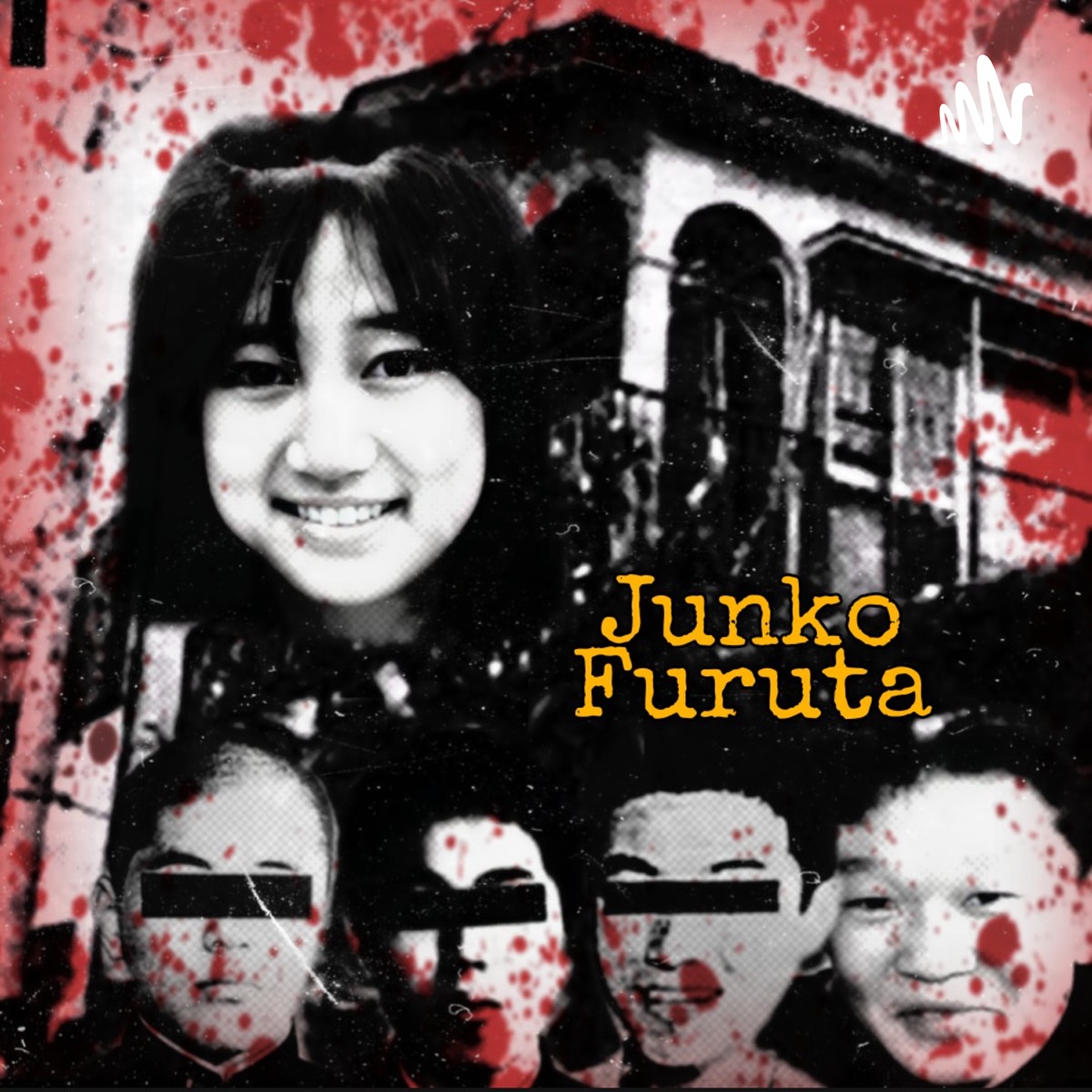
The events began on the evening of November 25, 1988, in Misato, Saitama Prefecture. Junko Furuta, a third-year student at Yashio-Minami High School, was cycling home from her part-time job when she was intercepted by four teenage boys. The group was led by 18-year-old Hiroshi Miyano (referred to in legal proceedings as "Boy A"). Using a coordinated ruse, one of the boys kicked Furuta’s bicycle, causing her to fall, while Miyano pretended to be a bystander offering help.
Under the guise of ensuring her safety, the group coerced Furuta to a nearby park and eventually to the residence of "Boy C" (Shinji Minato) in Adachi, Tokyo. For the next 44 days, Furuta was held captive in a second-story bedroom. The environment was characterized by a profound failure of intervention; Minato’s parents were present in the house for much of the duration but failed to notify authorities, later claiming they were intimidated by the boys’ ties to local Yakuza elements.
The captivity was marked by escalating levels of brutality. Furuta was subjected to hundreds of instances of sexual assault, malnutrition, and severe physical trauma. The perpetrators utilized various household objects and flammable liquids to inflict injuries that ultimately rendered her unable to eat or move. Despite several opportunities where Furuta was left alone or where neighbors heard disturbances, the lack of outside intervention allowed the abuse to continue until her death on January 4, 1989.
The Discovery and Investigation
The crime came to light following the arrest of the perpetrators for an unrelated gang rape in early 1989. During police interrogation, the suspects confessed to the murder and disposal of Junko Furuta. On March 29, 1989, authorities located a 55-gallon steel drum at a construction site in Koto, Tokyo. The drum had been filled with concrete, concealing Furuta’s remains.
Forensic examination revealed the extreme extent of the injuries sustained during the 44 days. The autopsy confirmed that the cause of death was a combination of physical trauma, infection, and severe malnutrition. The sheer brutality of the case sent shockwaves through Japanese society, challenging the nation's image as a low-crime, high-safety environment.
The investigation also highlighted the "bystander effect" and the role of parental negligence. The fact that the murder occurred in a suburban household with adults present—rather than a remote or abandoned location—intensified public outrage and led to a national conversation about the degradation of community and family structures.
Legal Proceedings and the Juvenile Law Controversy
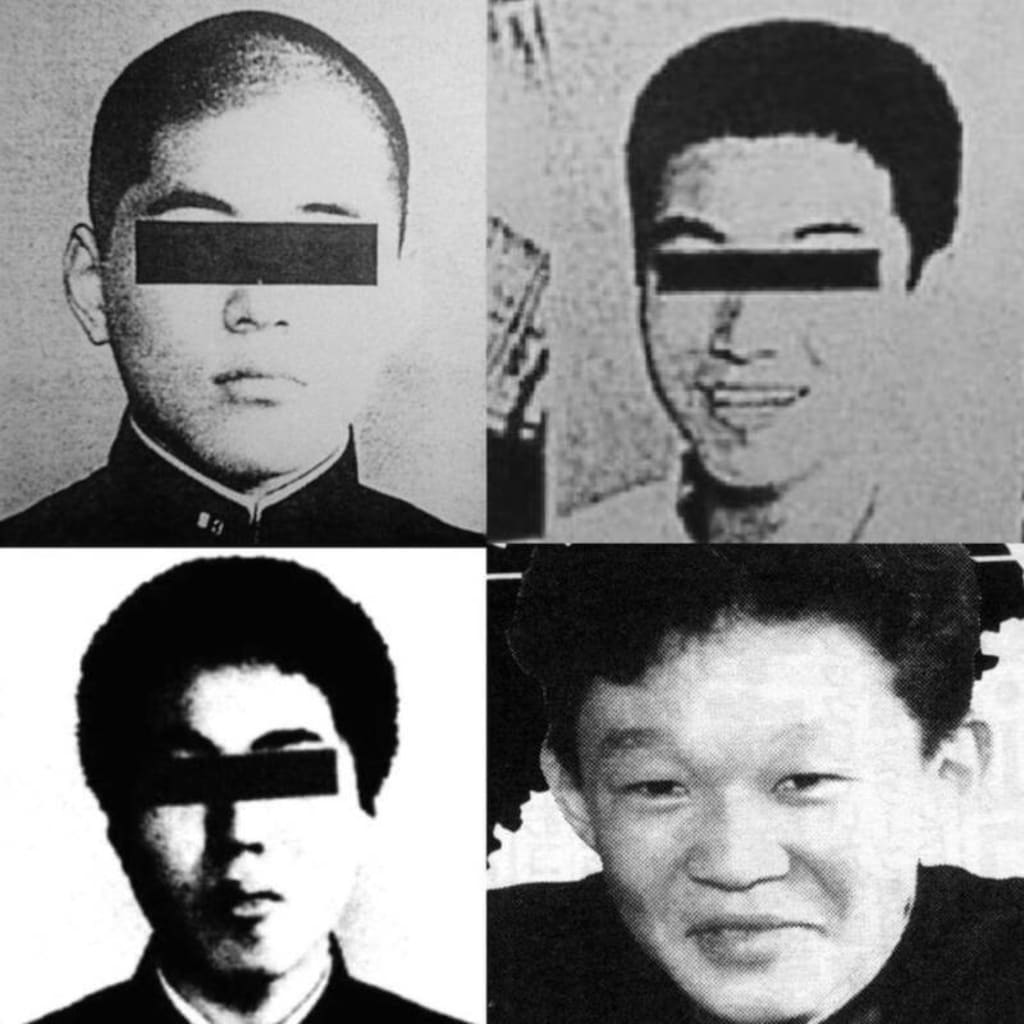
The prosecution of the four primary suspects sparked intense debate over the Shonen-ho (Juvenile Law) of Japan. At the time, the law heavily emphasized the rehabilitation of minors over punitive measures. Because the perpetrators were between the ages of 16 and 18, their identities were legally protected, and they were shielded from the death penalty and life imprisonment sentences typically reserved for adults.
In July 1990, the Tokyo District Court handed down the initial sentences. The leader, Boy A, received a 20-year sentence, while the others received terms ranging from five to ten years. The public and Furuta’s family criticized these sentences as being disproportionately lenient compared to the gravity of the crimes.
Summary of Primary Perpetrators and Initial Sentences
| Perpetrator (Pseudonym) | Role in Crime | Initial Sentence (1990) | Post-Release Status (As of 2026) |
|---|---|---|---|
| Boy A (Hiroshi Miyano) | Lead instigator and organizer | 20 years (Upper limit for minors) | Released; re-arrested in 2004 for assault. |
| Boy B (Jo Ogura) | Secondary participant | 5 to 10 years (Indeterminate) | Released; has faced subsequent legal issues. |
| Boy C (Shinji Minato) | Provided the location (parental home) | 5 to 9 years (Indeterminate) | Released; re-arrested in 2018 for attempted murder. |
| Boy D (Yasushi Watanabe) | Active participant | 5 to 7 years (Indeterminate) | Released; living under a pseudonym. |
Recidivism and the Failure of Rehabilitation
As of 2026, the long-term outcomes of the perpetrators have served as a focal point for critics of the 1980s juvenile justice system. Several of the individuals involved in the Furuta murder have since been re-arrested for violent crimes, suggesting that the rehabilitative focus of their initial incarceration was unsuccessful.
In 2004, Hiroshi Miyano (who changed his name to Hiroshi Yokoyama and later Jo Kamisaku) was arrested for the assault and kidnapping of a man in Misato—the same city where he had abducted Furuta 16 years prior. Similarly, Shinji Minato (Boy C) was arrested in 2018 for an unprovoked attack on a co-worker using a knife. These incidents have bolstered the argument that individuals capable of the level of premeditated cruelty seen in the Furuta case may possess psychological traits that are resistant to standard juvenile correction programs.
Legislative Reforms: The Legacy of Junko Furuta
The fallout from the "Concrete-Encased High School Girl Murder Case" eventually led to the first major overhaul of the Japanese Juvenile Law in 2000. These changes lowered the age of criminal responsibility and allowed for more stringent sentencing in cases involving death.
Further amendments in 2022 and 2024 have continued this trend. In the current legal landscape of 2026, 18- and 19-year-olds are classified as "Specified Juveniles." While they are still technically under the Juvenile Law, they are subject to harsher penalties, and their names can be published by the media once they are indicted for serious crimes. This shift reflects a move toward "general deterrence"—the idea that harsher punishments will discourage others from committing similar atrocities.
The case also influenced Japanese victim advocacy. Before this era, the rights of the victim’s family in the Japanese court system were minimal. The Furuta family's struggle for justice helped pave the way for the Victim Participation System, which now allows families to participate in trials, ask questions of the defendants, and give statements regarding sentencing.
Cultural Impact and Media Representation
The Furuta murder has been the subject of numerous books, manga, and films, often collectively referred to under the title "The Concrete-Encased High School Girl Murder Case." These works vary from sensitive documentaries to exploitative "true-link" horror.
- Concrete (2004): A film based on the novel by Shinji Kasai, which attempted to portray the events from the perspective of the perpetrators to understand the psychological breakdown of the group. It faced significant backlash and protest upon its release.
- Manga Adaptations: Several "seinen" (adult) manga have dramatized the case, often used as cautionary tales regarding juvenile delinquency.
- True Crime Media: In the 2020s, the rise of global true crime podcasts and YouTube documentaries has brought the case to an international audience, often focusing on the sociological aspects of 1980s Japan.
While these representations keep the memory of Junko Furuta alive, they also raise ethical questions about the "gamification" or "entertainment value" of extreme human suffering. Educational institutions in Japan occasionally use the case as a study in ethics and the importance of civic responsibility.
Sociological Analysis: Why the Intervention Failed
Sociologists often point to three specific factors that contributed to the duration of Furuta’s captivity:
- Fear of Organized Crime: The perpetrators claimed to have Yakuza backing. In the late 1980s, the fear of "Boryokudan" (crime syndicates) was at a peak, often deterring average citizens and even local police from intervening in situations that appeared gang-related.
- Parental Submission: The parents of Shinji Minato (Boy C) were reportedly terrified of the boys. Their failure to act is often cited as an extreme example of the "enabling" parent, though legal experts also note the psychological coercion the boys exerted over the household.
- The "Amae" Culture: Some psychological analyses suggest that the perpetrators felt a sense of entitlement and a lack of empathy fueled by a distorted version of "amae" (dependence), where they expected society or their families to absorb the consequences of their actions.
Frequently Asked Questions
What happened to the house where Junko Furuta was held?
The house in Adachi, Tokyo, where the crime took place, remained standing for several years after the case concluded. However, it was eventually demolished. The site has since been redeveloped, a common practice in Japan to remove the physical "stigma" associated with a site of "kodokushi" (lonely death) or "shinjuku" (crime scenes).
Did the parents of the perpetrators face legal consequences?
The parents of Shinji Minato were not criminally charged for their failure to intervene. Under the Japanese legal code at the time, there were no specific "failure to report" laws that applied to their situation, especially given their defense that they were acting under duress and fear for their own lives. However, they faced severe social ostracization and were forced to settle a civil lawsuit filed by the Furuta family.
Is the Furuta case the reason Japan has the death penalty for minors?
While Japan has the death penalty, it is rarely applied to minors. However, the Furuta case was a primary driver for the 2000 and 2022 amendments to the Juvenile Law. Today, 18- and 19-year-olds can technically face the death penalty for exceptionally heinous crimes, a direct result of the public's demand for justice in the wake of the 1988 events.
Why were the names of the perpetrators changed?
Under Article 61 of the Japanese Juvenile Law, the media is prohibited from publishing the names or photos of minors suspected of crimes. This was intended to facilitate their eventual return to society. Most of the perpetrators changed their names upon release to escape the social stigma of their past, though investigative journalists have frequently uncovered and published their new identities following re-arrests.
Recommended Actions for Further Research
For those studying criminal justice or Japanese legal history, the following steps provide a path for deeper understanding:
- Review the 2022 Juvenile Law Amendments: Analyze how the definition of "Specified Juveniles" would have changed the outcome of the 1990 sentencing.
- Examine Victim Advocacy Groups: Research organizations such as the National Network for Victim Support in Japan to see how legislative changes have been implemented to protect families.
- Comparative Analysis: Compare the Furuta case with the 1997 Kobe child murders (Sakakibara case) to understand the evolution of Japanese public sentiment regarding juvenile violence.
The Junko Furuta murder remains a somber reminder of the potential for human cruelty and the necessity of a legal system that balances rehabilitation with the absolute requirement for public safety and victim justice.
Image Gallery
Select an image to open it in a new tab.