
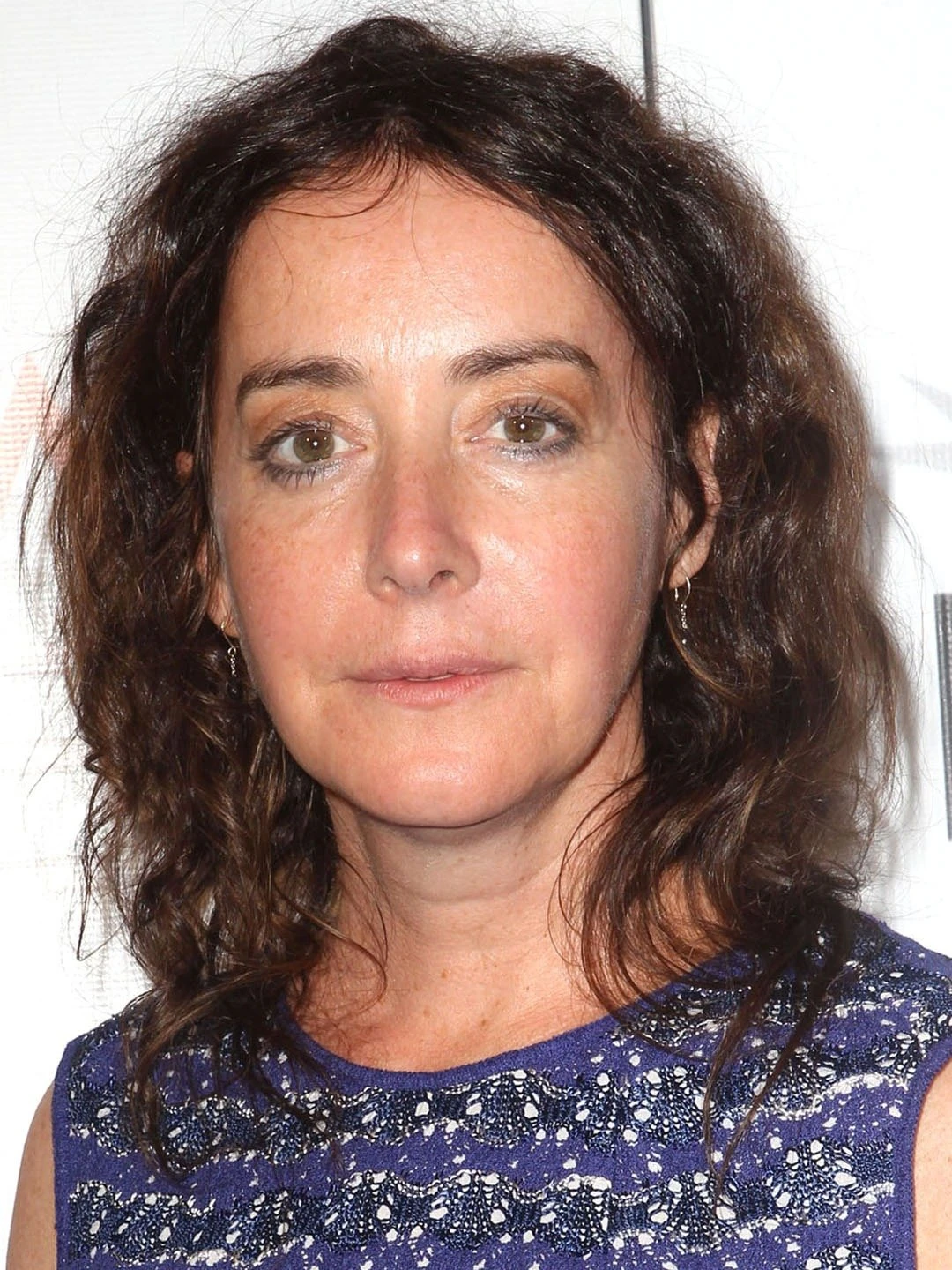
Jane Adams has carved a distinct and respected path in the American entertainment industry, building a decades-long career defined by an uncanny ability to inhabit eccentric, vulnerable, and deeply human characters. From her early foundations in the theater to her notable collaborations with acclaimed directors in film and television, Adams is frequently recognized for her grounded, understated performances that bring a sense of authentic complexity to both dramatic and comedic roles.
Early Life and Foundational Training
Before establishing herself as a versatile screen presence, Jane Adams underwent rigorous training in the performing arts. Born in 1965 in Washington, D.C., she pursued her education at various prestigious institutions, including the Cornish College of the Arts in Seattle and the Juilliard School’s Drama Division in New York City. This classical training provided her with the technical discipline necessary for high-stakes theater, which would become the bedrock of her professional identity.
Her transition into professional acting began on the stage. In the mid-1990s, she achieved significant critical acclaim for her work in theater, most notably for her performance in the Broadway revival of An Inspector Calls (1994), which earned her a Tony Award nomination for Best Featured Actress in a Play. Her stage background was instrumental in shaping her approach to character development; she developed a reputation for being an actor’s actor, capable of navigating dense, emotionally demanding scripts with precision and depth.
Emergence in Independent and Mainstream Film
As Adams moved from theater into film, she gravitated toward projects that favored character-driven storytelling. In the 1990s and early 2000s, she became a recognizable fixture in independent cinema. Her filmography from this era demonstrates a clear preference for projects helmed by auteurs who prioritized narrative texture over conventional blockbuster tropes.
One of her most significant collaborations began with director Todd Solondz. Her role as Joy Jordan in Happiness (1998) is frequently cited as a definitive performance in her career. The film, known for its dark, uncompromising exploration of suburban malaise and human dysfunction, required a performer capable of portraying profound loneliness and longing without falling into melodrama. Adams’ work in Happiness showcased her ability to find humanity in characters that might otherwise appear unlikable or difficult to categorize.
Her film career expanded to include a variety of roles in major studio productions, often providing the emotional pivot point for the narrative. Key highlights from her cinematic portfolio include:
- Father of the Bride (1991): An early role that provided exposure to mainstream studio comedy.
- Happiness (1998): A watershed performance in independent film, cementing her reputation for bold character work.
- Wonder Boys (2000): A role that allowed her to showcase her comedic timing alongside an ensemble cast.
- Eternal Sunshine of the Spotless Mind (2004): A brief but memorable turn that exemplified her ability to make a lasting impression even in supporting roles.
- All the King’s Men (2006): An entry into historical drama that underscored her versatility.

Television Career and Recurring Character Portrayals
While her film work is extensive, Jane Adams’ career is perhaps equally defined by her recurring roles in prestige television. As the medium underwent a transformation in the early 2000s toward longer-form, character-centric storytelling, Adams was perfectly positioned to contribute to some of the most influential series of the era.
The Frasier Years
One of her most recognizable roles to a wide audience was that of Dr. Mel Karnofsky on the long-running sitcom Frasier. Entering the series in its later seasons, Adams portrayed a character who acted as a foil to the series leads. Her performance was noted for its sharp wit and the specific tension she brought to the show’s established dynamics, allowing her to reach a television audience that may have been unfamiliar with her more experimental film work.
Later Television Work
In the years following her time on Frasier, Adams continued to select projects that allowed for nuanced exploration. Her role in the HBO series Hung (2009–2011) was particularly significant. Playing Tanya Skagle, she explored the intersection of professional stagnation and mid-life personal discovery. The show required a blend of pathos and dark humor, qualities that have become the hallmarks of her professional signature.
The following table summarizes key aspects of her notable career segments:
| Project | Category | Role Type | Significance |
|---|---|---|---|
| An Inspector Calls | Theater | Lead/Supporting | Established stage credentials; Tony nomination. |
| Happiness | Film | Lead | Critical breakthrough in independent cinema. |
| Frasier | TV | Recurring | Reached a wide mainstream audience. |
| Hung | TV | Main Cast | Showcased range in serial, dark comedy drama. |
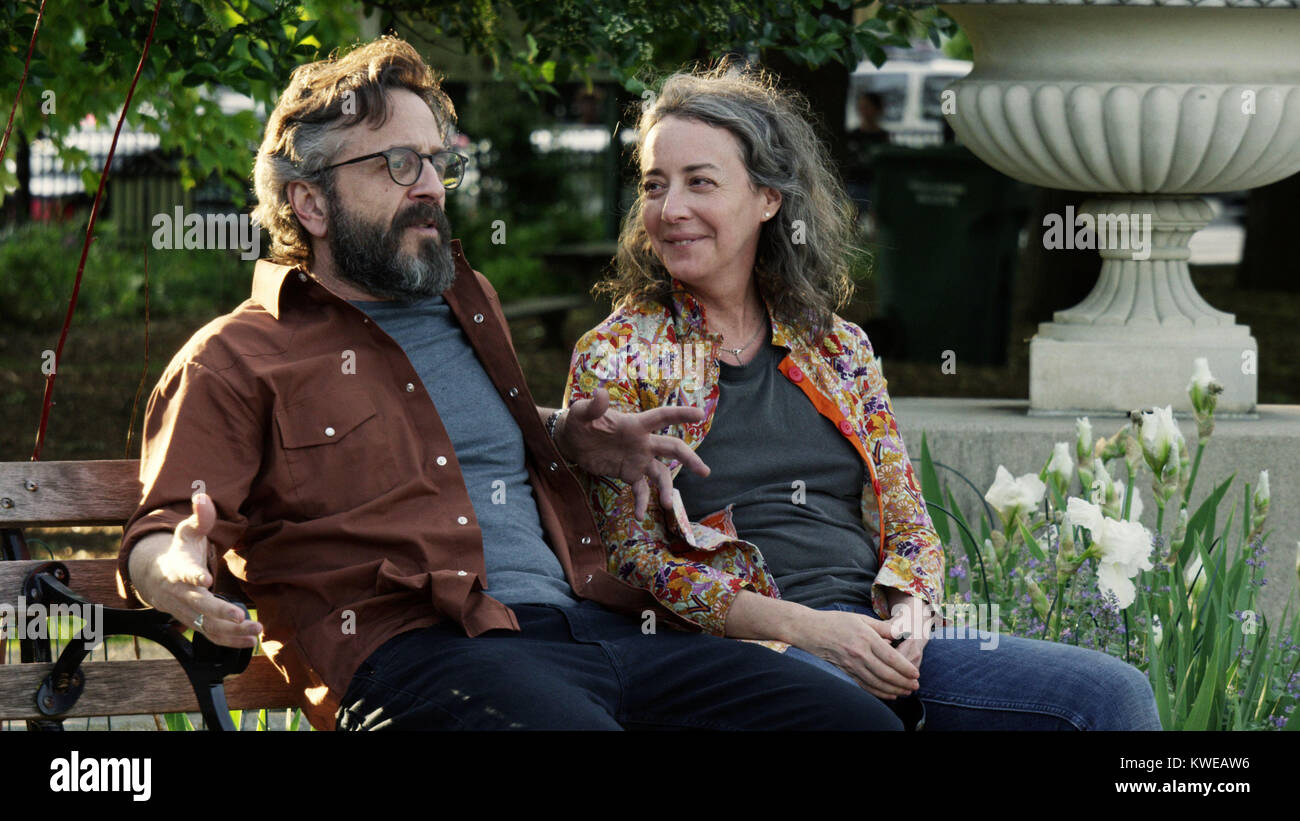
| Easy | TV | Guest/Recurring | Modern approach to anthology-style performance. |
Artistic Approach and Technical Craft
What distinguishes Jane Adams from many of her contemporaries is her refusal to rely on performative "acting" signals. In interviews and analysis of her craft, observers frequently point to her "internalized" style. She approaches a script by identifying the core psychological need of the character and then stripping away unnecessary affectation.
For aspiring actors or students of the craft, Adams’ career serves as a masterclass in the value of the supporting role. She does not always seek the center of the frame; instead, she often acts as the catalyst for other characters' arcs. This requires a high degree of confidence and a lack of ego—traits that allow her to integrate seamlessly into diverse ensembles ranging from the whimsical to the starkly realistic.
Her process often involves deep research into the historical or emotional context of her characters, ensuring that even when a character is written with a specific "quirk," it feels motivated by an underlying history rather than being a mere plot device.
Navigating Career Transitions
The life of a working actor is rarely linear, and Adams’ career reflects the reality of the industry in the 21st century. She has successfully moved between the worlds of high-budget film and intimate, character-driven television, demonstrating an adaptability that has kept her relevant for over three decades.
One common challenge for actors of her stature is the "typecasting trap," where a performer is relegated to a specific kind of character due to previous successes. Adams has navigated this by consistently alternating her output. After playing deeply troubled or intense characters in independent dramas, she often pivots to lighter, more buoyant roles in television sitcoms or lighter films. This strategic oscillation has prevented her from being boxed into a singular archetype.
Frequently Asked Questions
What is Jane Adams most known for in her acting career? Jane Adams is widely recognized for her role as Mel Karnofsky on the sitcom Frasier and for her critically acclaimed performance in the independent film Happiness, directed by Todd Solondz. She is also well-regarded for her extensive stage work and her role as Tanya Skagle in the HBO series Hung.
Did Jane Adams win any major acting awards? She has received significant professional recognition throughout her career. Notably, she received a Tony Award nomination for her performance in the 1994 Broadway revival of An Inspector Calls. Her film and television work has garnered critical praise, particularly for the depth and complexity she brings to character-driven roles.
How did her theater background influence her film work? Her formal training at Juilliard and her early work on Broadway instilled in her a discipline regarding text and character motivation. This allows her to bring a sense of realism and structural integrity to her screen performances, ensuring that even minor characters feel fully realized and grounded in an internal reality.
What kind of roles does Jane Adams typically play? She is known for playing characters that are often complex, eccentric, or emotionally nuanced. She avoids archetypes, preferring roles that allow her to explore the psychological vulnerability of a character. Whether in comedy or drama, her performances are characterized by an understated, authentic approach rather than dramatic flair.
Is Jane Adams still active in the industry in 2026? Yes, as of 2026, Jane Adams remains an active presence in the entertainment industry. She continues to selectively choose projects that align with her interests in character-driven storytelling, maintaining her reputation as a versatile and reliable performer in both television and independent film environments.
Recommendations for Further Exploration
To truly appreciate the scope of Jane Adams’ career, one should observe the contrast between her television work and her independent film roles. A viewer interested in her range should begin by watching Happiness to understand her dramatic depth, followed by episodes of Frasier or Hung to see how she applies that same rigorous character work to the constraints of episodic television.
By observing her choices over the last thirty years, it becomes clear that her success is not accidental; it is the result of a deliberate, craft-focused approach that prioritizes longevity and creative fulfillment over the fleeting nature of stardom. For those studying the industry, her career provides a template for how to maintain a sustainable, high-quality body of work in an increasingly volatile professional environment.
Image Gallery
Select an image to open it in a new tab.


Zara El-Hashem
Sociocultural Dynamics and Academics Writer
