The Identity Theft Story That Changed Credit Practices: The Michelle Brown Case and Its Legacy
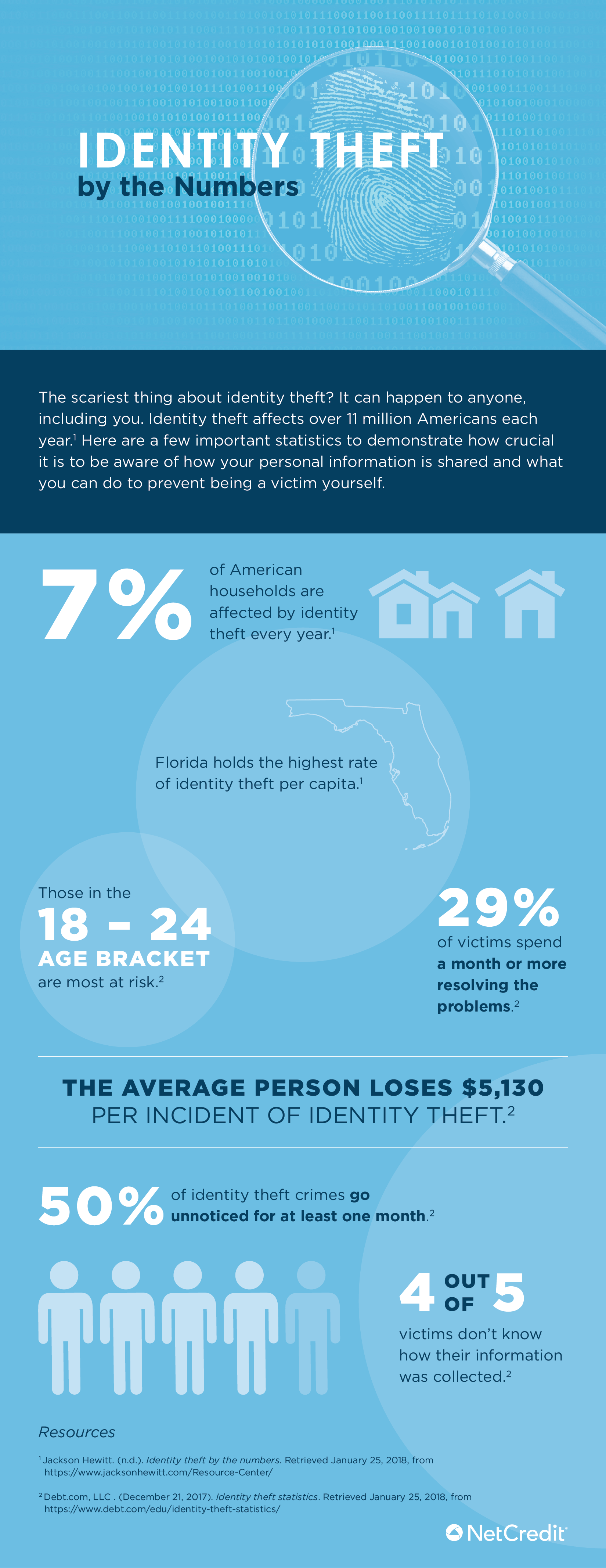
The identity theft story that changed credit practices centers on Michelle Brown, a California woman whose identity was stolen in 1999. Her three-year ordeal, involving over $50,000 in fraudulent debt and a wrongful arrest for drug trafficking, exposed massive flaws in the credit reporting system. Her testimony before the U.S. Senate directly catalyzed the passage of the Fair and Accurate Credit Transactions Act (FACTA) of 2003, which granted consumers the right to free annual credit reports and simplified fraud alert placements.
The Catalyst: The Michelle Brown Identity Theft Saga
To understand the modern landscape of consumer credit rights in 2026, one must look back to the late 1990s. Before the digital revolution fully transformed banking, identity theft was often treated as a peripheral white-collar nuisance rather than a systemic threat. This changed when Michelle Brown, a management consultant from Los Angeles, discovered that her life had been effectively hijacked.
The theft began in January 1999 when an individual named Heddi Larae Ille obtained Brown’s Social Security number through a rental application. Over the next year and a half, Ille did more than just open credit cards; she essentially "became" Michelle Brown. She ran up massive bills, purchased a $32,000 truck, and even underwent thousands of dollars’ worth of cosmetic surgery using Brown's credit.
The situation escalated from a financial nightmare to a criminal one. Ille used Brown’s name when she was arrested for smuggling more than 3,000 pounds of marijuana across the U.S.-Mexico border. Consequently, an arrest warrant was issued for the real Michelle Brown. For several years, Brown lived in constant fear of being detained for crimes she did not commit, eventually spending time in a jail cell before the confusion was resolved.
The Failure of the Credit Bureau System
The Michelle Brown case was significant not just because of the scale of the fraud, but because of the systemic indifference it revealed. At the time, credit bureaus—Equifax, Experian, and TransUnion—had no unified protocol for handling victims. When Brown attempted to clear her name, she found that the bureaus were often more protective of the fraudulent data than they were of her actual identity.
There were no standardized "fraud alerts" that would prevent new accounts from being opened once a victim reported a theft. Furthermore, there was no requirement for credit bureaus to share information with one another regarding a confirmed case of identity theft. A victim might successfully clear their record with one bureau, only to find the fraudulent accounts still active and damaging their score on another.
The Legislative Response: The Birth of FACTA
Michelle Brown’s testimony before the U.S. Senate Judiciary Committee in July 2000 was a turning point. Her articulated struggle highlighted a glaring legal vacuum: identity theft was a crime, but the credit reporting infrastructure was not legally obligated to help the victims fix the damage.
This legislative momentum eventually resulted in the Fair and Accurate Credit Transactions Act of 2003 (FACTA). This federal law amended the Fair Credit Reporting Act (FCRA) and introduced several protections that are now considered fundamental to the American financial experience in 2026.
Free Annual Credit Reports
Before FACTA, consumers often had to pay to see their own credit reports unless they had recently been denied credit. FACTA mandated that each of the three national credit reporting agencies provide consumers with one free credit report every 12 months upon request. This was facilitated through the creation of AnnualCreditReport.com, the only government-authorized source for these reports. This shift allowed consumers to act as their own first line of defense, spotting inaccuracies and unauthorized accounts before they could cause long-term damage.
National Fraud Alert System
The Michelle Brown case proved that a victim needs a way to signal "danger" to all potential lenders simultaneously. FACTA established a system where a consumer could place a "fraud alert" on their credit file. Once a victim notifies one bureau, that bureau is legally required to notify the other two. These alerts signal to lenders that they must take extra steps to verify the identity of anyone attempting to open an account in that person's name.
The Red Flags Rule
Another critical outcome was the "Red Flags Rule," which required financial institutions and creditors to develop and implement formal identity theft prevention programs. This moved the burden of detection from the consumer to the institutions that provide the credit. Banks and retailers were now required to identify "red flags"—patterns or practices that indicate the possibility of identity theft—such as a sudden change in address followed by a request for a new credit card.
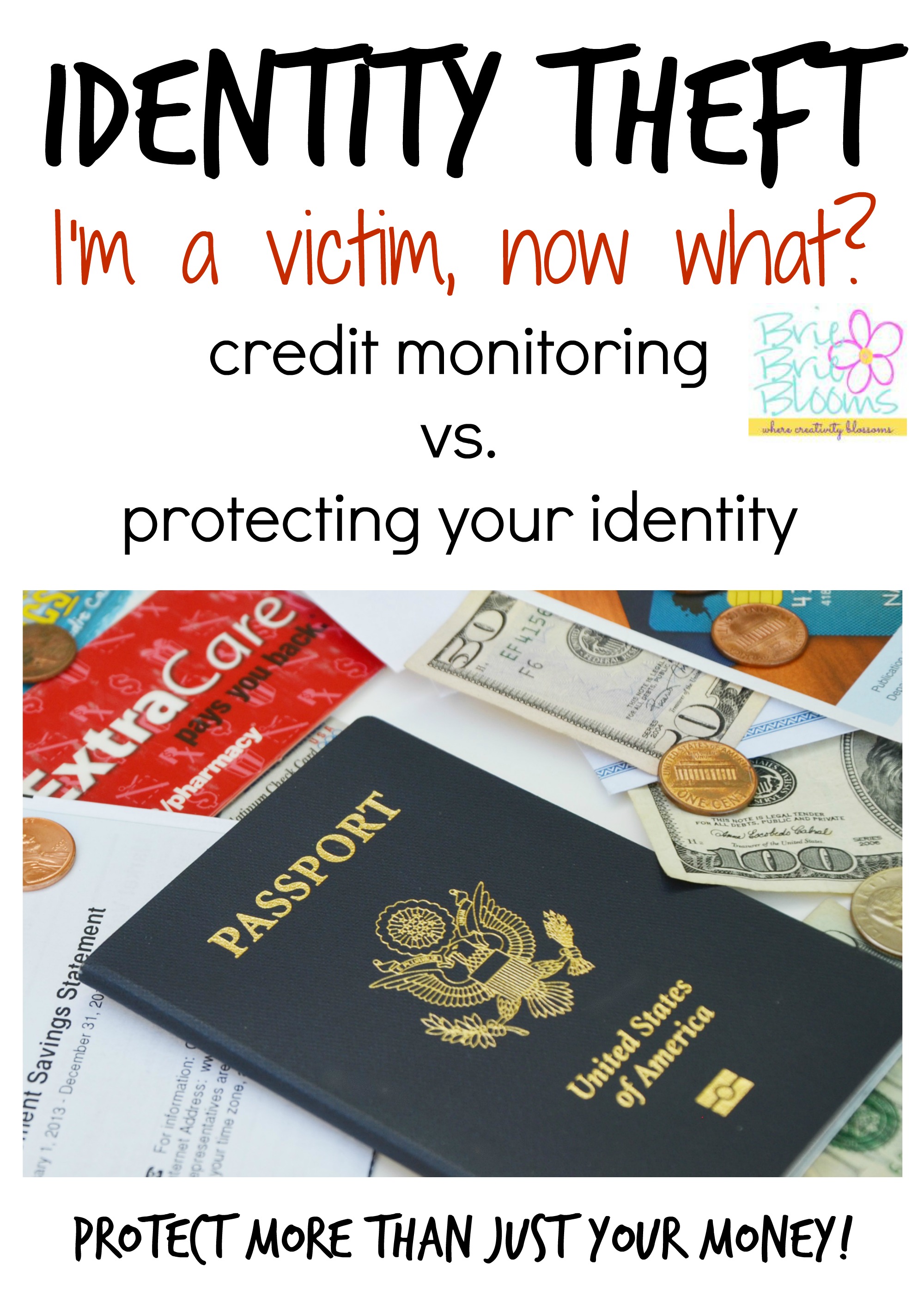
Comparing Credit Practices: Pre-FACTA vs. Modern Era (2026)
The landscape of consumer protection has evolved significantly since the Michelle Brown story broke. The table below illustrates the shift in credit practices and consumer rights.
| Feature | Pre-2003 (The Michelle Brown Era) | Post-2003/2026 (The FACTA Era) |
|---|---|---|
| Access to Credit Reports | Typically required a fee or a credit denial. | One free report per bureau every 12 months (standardized). |
| Fraud Alerts | No unified system; must contact each bureau individually. | "One-call" system; one bureau notifies the others. |
| Identity Theft Reports | Often ignored or required lengthy court interventions. | Legal right to "block" fraudulent info within 4 business days. |
| Credit Freezes | Expensive or unavailable in many states. | Free for all consumers nationwide (since 2018). |
| Lender Responsibility | Minimal verification requirements for new accounts. | Mandatory "Red Flags" detection and verification protocols. |
| SSN Protection | Full Social Security numbers often printed on receipts. | Masking of SSN and credit card numbers on all receipts. |
Practical Steps for Identity Protection in 2026
While the Michelle Brown story led to significant legal improvements, the methods of identity theft have become more sophisticated in 2026. Data breaches and AI-driven phishing scams require proactive management.
1. Implementing a Credit Freeze
The most effective tool available today is the credit freeze. Unlike a fraud alert, which simply asks lenders to verify identity, a credit freeze (or security freeze) completely restricts access to your credit report. Since most lenders will not issue new credit without viewing a report, this effectively prevents identity thieves from opening new accounts. In 2026, these freezes are free to place and lift online via the websites of Equifax, Experian, and TransUnion.
2. Utilizing Digital Identity Monitoring
Many modern banking apps and credit card providers now offer integrated identity monitoring services. These tools scan the "dark web" for your email address or Social Security number and provide real-time alerts if your data appears in a known breach. For victims of identity theft, these services are often provided for free by the company that suffered the data breach.
3. Reviewing the "Identity Theft Report"
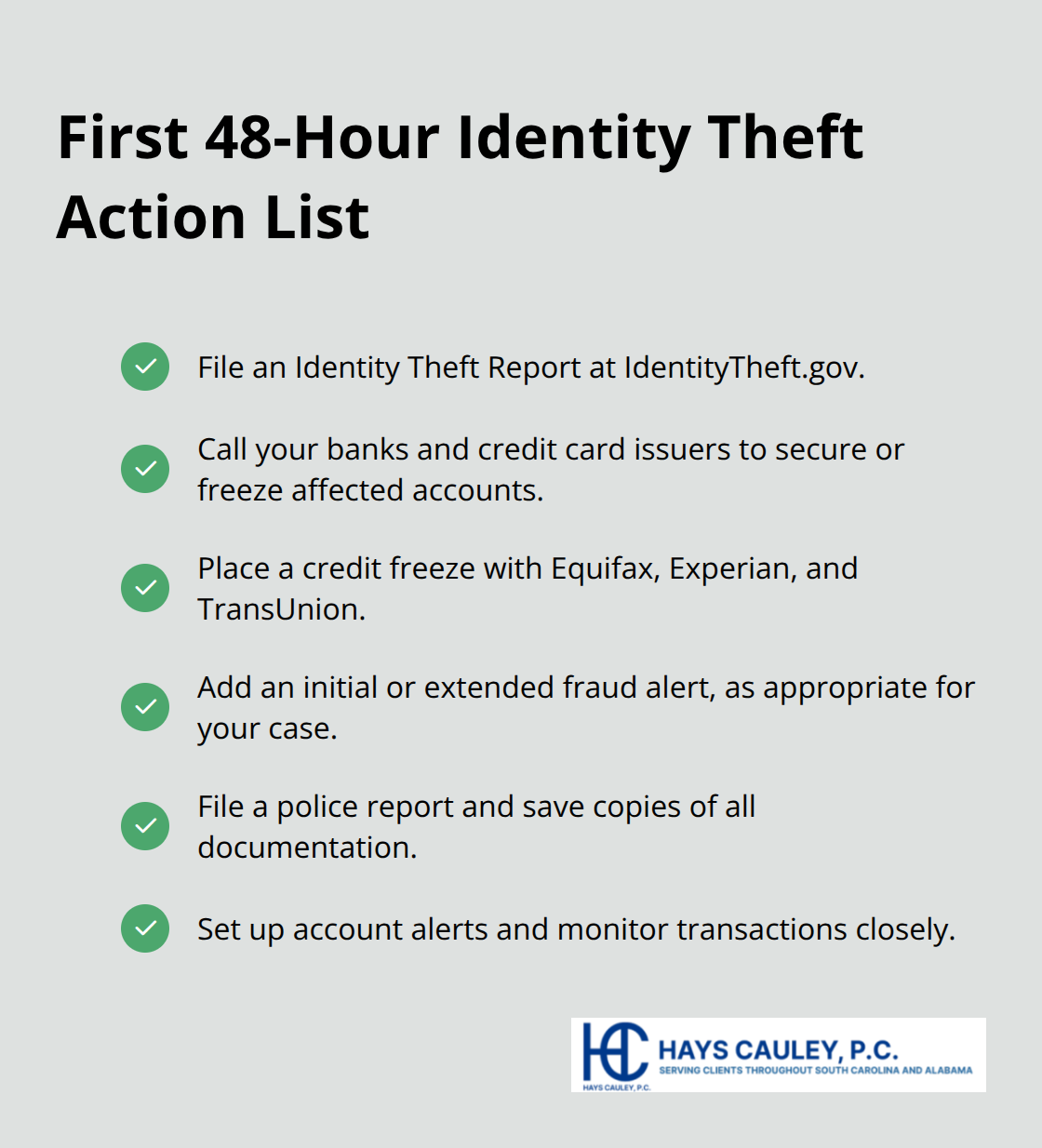
If you become a victim, the most important document you can create is an official Identity Theft Report. This is done by filing a complaint with the Federal Trade Commission (FTC) at IdentityTheft.gov. This report serves as your legal "shield," allowing you to:
- Permanently block fraudulent information from appearing on your credit report.
- Prevent debt collectors from contacting you regarding fraudulent debts.
- Access business records related to the theft.
Common Pitfalls in Identity Restoration
Despite the protections introduced after the Michelle Brown case, many consumers fail to navigate the restoration process effectively.
- Failing to Document Everything: Victims should keep a meticulous log of every phone call, including the date, time, the name of the representative, and the specific outcome of the conversation.
- Relying Solely on Police Reports: While a police report is helpful, the FTC Identity Theft Report carries specific legal weight under FACTA that a standard local police report may not.
- Neglecting Specialized Reports: Identity theft isn't limited to credit. Thieves can use your identity for medical services (Medical ID Theft) or tax refunds. Consumers should also check their "Specialty Consumer Reports," such as those from ChexSystems for banking history.
The Impact on Data Privacy Laws
The Michelle Brown story didn't just change credit practices; it shifted the conversation toward data privacy as a human right. By demonstrating that a stolen Social Security number could lead to a person's physical incarceration, the case proved that financial data security is inextricably linked to personal safety.
This realization laid the groundwork for future regulations, such as the General Data Protection Regulation (GDPR) principles and the California Consumer Privacy Act (CCPA), which grant individuals more control over how their personal information is collected and shared by corporations.
Frequently Asked Questions
Who was the woman whose identity theft story changed credit laws?
Michelle Brown is the most prominent figure associated with these changes. Her case involved a total takeover of her identity by Heddi Larae Ille between 1999 and 2002. Brown's testimony to the U.S. Senate in 2000 was the primary driver for the Fair and Accurate Credit Transactions Act (FACTA) of 2003.
What is the difference between a fraud alert and a credit freeze?
A fraud alert requires creditors to take extra steps to verify your identity before opening an account and lasts for one year (or seven years for victims). A credit freeze completely blocks access to your credit report and stays in place until you manually "thaw" or remove it. In 2026, both are free to use.
Does a credit freeze affect my credit score?
No. Freezing your credit report has no impact on your credit score. It does not prevent you from using your existing credit cards, and it does not stop you from receiving your own free annual credit reports. It only prevents the opening of new lines of credit by third parties.
How often can I get a free credit report in 2026?
Under FACTA, you are entitled to one free report from each of the three major bureaus every 12 months. However, following the 2020 pandemic, the bureaus began offering free weekly online reports. As of 2026, this practice of increased accessibility has largely been maintained to help consumers monitor for fraud in a high-speed digital economy.
What should I do if I find an unauthorized account on my credit report?
First, immediately place a fraud alert on your credit file. Second, file an Identity Theft Report with the FTC at IdentityTheft.gov. Third, contact the fraud department of the company where the account was opened. Finally, send a formal dispute letter to the credit bureaus to have the information blocked from your report.
Recommendation for Consumers
If you have not done so in the current year, your first action should be to visit AnnualCreditReport.com to download and review your reports from Equifax, Experian, and TransUnion. Verify that every account listed is yours and that your personal information—such as previous addresses and employers—is accurate.
If you do not plan to apply for a mortgage, car loan, or new credit card in the next six months, consider placing a permanent credit freeze on all three files. This is the single most effective way to ensure that you do not become the next "Michelle Brown" in an era where data breaches have become a common occurrence.
Image Gallery
Select an image to open it in a new tab.





Omar Farooq
EdTech Innovation and Virtual Pedagogy Journalist
