Why Green Stool Can Signal a Bacterial Infection: Causes and Clinical Significance

Green stool often signals a bacterial infection because pathogens trigger rapid transit through the intestines, a condition known as hypermotility. This speed prevents bile—a digestive fluid that is naturally green or yellowish-green—from being broken down by colonic bacteria and enzymes into its typical brown pigment, stercobilin, before it exits the body.
The human digestive system is a finely tuned machine that relies on specific timing to process nutrients and waste. When this timing is disrupted, the physical appearance of stool is often the first clinical indicator of an underlying issue. While dietary choices are frequently the culprit behind color changes, persistent green stool accompanied by gastrointestinal distress is a hallmark of several bacterial infections that require medical attention. Understanding the physiological transition of bile and how specific bacteria interfere with this process is essential for determining when "green" is a cause for concern.
The Physiology of Stool Color: The Bile Pathway
To understand why an infection causes green stool, one must first understand why stool is normally brown. The transition from green to brown is a chemical process that occurs as food moves through the digestive tract.
The Role of Bile and Bilirubin
Bile is produced in the liver and stored in the gallbladder. Its primary purpose is to emulsify fats, making them easier for the body to absorb in the small intestine. Bile contains a pigment called biliverdin, which is green, and bilirubin, which is yellow. As bile enters the small intestine to assist with digestion, it begins its journey through the gut.
The Transformation in the Large Intestine
Under normal circumstances, as bile travels through the large intestine (colon), it is subjected to the metabolic activity of billions of naturally occurring bacteria (the gut microbiome). These "good" bacteria and specific enzymes break down bilirubin into stercobilin, a chemical compound that is responsible for the characteristic brown color of healthy stool.
This chemical transformation requires time. If the contents of the intestine move at a normal, healthy pace, there is sufficient contact time between the bile and the colonic bacteria to complete the conversion to brown. However, when the body detects a threat—such as a pathogenic bacterial invasion—the intestinal motility increases drastically.
How Bacterial Infections Cause Green Stool
When harmful bacteria enter the gastrointestinal (GI) tract, they disrupt the delicate balance of digestion through several mechanisms, all of which can lead to the "green stool" phenomenon.
Rapid Transit (Hypermotility)
The most common reason for green stool during an infection is decreased transit time. When the lining of the intestines becomes irritated or inflamed by bacteria, the body’s natural defense mechanism is to expel the irritant as quickly as possible. This results in diarrhea.
Because the stool is moving through the colon so rapidly, the bile does not have enough time to undergo the chemical transformation into stercobilin. Consequently, the stool retains the original green or yellow-green color of the bile. In the context of a 2026 clinical diagnosis, physicians look at stool color as a secondary symptom of this "fast-track" digestion.
Malabsorption and Intestinal Inflammation
Bacterial pathogens such as Salmonella, Campylobacter, and certain strains of E. coli cause inflammation in the intestinal mucosa (the lining of the gut). This inflammation prevents the intestines from properly absorbing water, electrolytes, and nutrients. This not only contributes to the watery consistency of the stool but also interferes with the way bile is recycled and processed.
Alteration of the Gut Microbiome
An infection involves an overgrowth of "bad" bacteria that compete with the "good" bacteria responsible for breaking down bile. If the population of beneficial microbes is depleted or overwhelmed by pathogens, the chemical conversion of bilirubin is halted or significantly impaired, leaving the stool green.
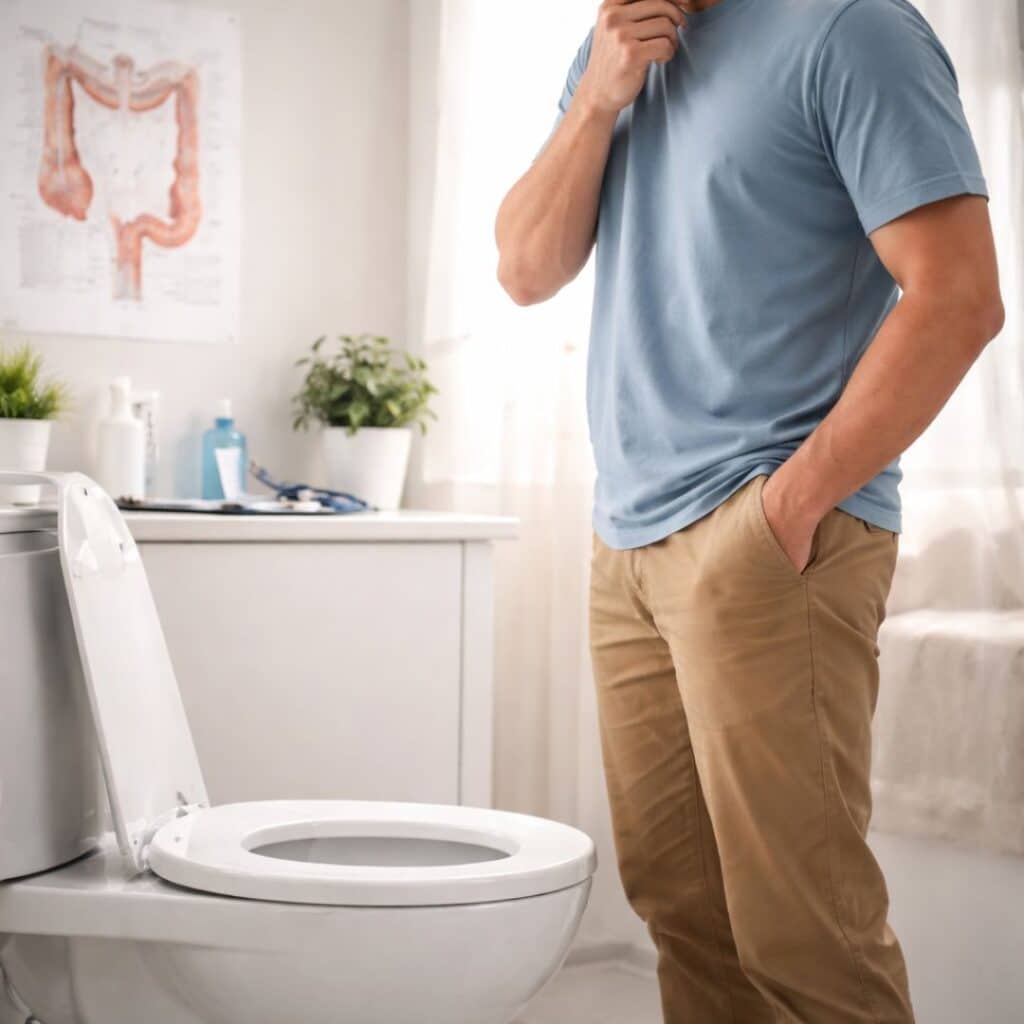
Common Bacterial Pathogens Associated with Green Stool
Several specific bacteria are notorious for causing the rapid transit and inflammation that lead to green-tinted diarrhea.
Salmonella
Salmonella is one of the most common foodborne illnesses. It typically enters the body through contaminated poultry, eggs, or unpasteurized milk. Once ingested, the bacteria invade the lining of the small and large intestines. The body reacts with intense inflammation, leading to cramping and rapid-onset diarrhea. Because Salmonella causes such significant irritation, the resulting stool is often green or yellow-green and may contain mucus.
Campylobacter
Campylobacter infections are a leading cause of bacterial gastroenteritis worldwide. According to World Health Organization (WHO) guidelines, this bacterium is often linked to raw or undercooked poultry. The infection causes high-velocity diarrhea, which frequently appears green because of the shortened transit time.
Escherichia coli (E. coli)
While many strains of E. coli are harmless, pathogenic strains like Enterotoxigenic E. coli (ETEC) or Shiga toxin-producing E. coli (STEC) produce toxins that force the intestines to secrete water and electrolytes. This "secretory diarrhea" is characterized by its liquid state and often a green hue, as the bile is flushed out along with the excess fluids.
Clostridioides difficile (C. diff)
C. diff is an infection that often occurs after a person has taken broad-spectrum antibiotics, which kill off the protective bacteria in the gut. This allows C. diff to flourish. C. diff is known for causing severe, foul-smelling diarrhea that can appear green. In these cases, the green color is a combination of bile and the sloughing off of damaged intestinal tissue and inflammatory cells.
Distinguishing Infection from Other Causes
Not every instance of green stool indicates a bacterial infection. In fact, many cases are benign and related to lifestyle or medication.
Dietary Factors
Consuming large quantities of chlorophyll-rich foods is the most frequent non-medical cause of green stool. These include:
- Spinach and kale
- Broccoli and bok choy
- Green fruit (kiwi, green grapes)
- Foods containing green dye (frosting, candies, or sports drinks)
Medication and Supplements
Certain supplements can alter stool color significantly. Iron supplements are a primary example; while they often turn stool black, they can also cause a dark green or greenish-black tint. Additionally, some antibiotics can change the color of stool by altering the gut's bacterial population, even if a secondary infection like C. diff is not present.
Comparison Table: Green Stool Causes and Symptoms
| Cause | Color Description | Associated Symptoms | Urgency Level |
|---|---|---|---|
| Bacterial Infection | Bright green or yellowish-green; often watery. | Fever, cramping, nausea, foul odor, possible blood. | High; seek medical advice. |
| Diet (Leafy Greens) | Deep green; usually normal consistency. | None; general feeling of wellness. | Low; monitor diet. |
| Iron Supplements | Dark green to black; may be firm. | Constipation, mild nausea. | Low; common side effect. |
| Antibiotic Use | Light green; may be loose. | Mild bloating, history of recent medication. | Moderate; consult doctor if persistent. |
| Bile Acid Malabsorption | Vivid green or bright yellow. | Chronic diarrhea, urgency after meals. | Moderate; requires specialist. |
When to See a Doctor
While a single episode of green stool after eating a large salad is not a medical emergency, certain "red flag" symptoms in 2026 indicate that a bacterial infection may be present.
- Fever and Chills: Bacterial infections often trigger a systemic immune response, resulting in a fever. Viral infections can also cause this, but a high fever (above 102°F or 38.9°C) more frequently points to a bacterial pathogen.
- Blood in the Stool: If the green stool is accompanied by visible red blood or looks black and tarry, it suggests that the bacteria are causing significant damage to the intestinal lining (as seen in E. coli O157:H7 or Shiga toxin-producing strains).
- Signs of Dehydration: Because green stool in an infection is usually tied to diarrhea, dehydration is a major risk. Symptoms include extreme thirst, dry mouth, dark urine, and dizziness.
- Duration: If the green stool and diarrhea persist for more than 48 to 72 hours, the risk of dehydration and the likelihood of a bacterial cause increase.
- Severe Abdominal Pain: Intense cramping that does not improve after a bowel movement can indicate severe inflammation or even a blockage caused by the infection.
Diagnostic Procedures for Bacterial Infections
If a healthcare provider suspects a bacterial infection is the cause of green stool, they will typically perform a series of tests to identify the specific pathogen.
Stool Culture
The most traditional method involves taking a stool sample and placing it in a medium that encourages bacterial growth. This allows lab technicians to identify whether Salmonella, Shigella, or Campylobacter are present.
PCR (Polymerase Chain Reaction) Testing
In 2026, PCR testing has become the gold standard for rapid diagnosis. These molecular tests look for the DNA or RNA of specific pathogens in the stool. This method is much faster than traditional cultures, often providing results within hours, which is critical for starting the correct treatment.
Fecal Calprotectin Test
This test measures the level of a protein called calprotectin in the stool. High levels indicate significant intestinal inflammation, which helps the doctor distinguish between an infection or inflammatory bowel disease (IBD) and non-inflammatory issues like Irritable Bowel Syndrome (IBS).
Treatment and Management
If a bacterial infection is confirmed, treatment focuses on two main goals: eradicating the bacteria and preventing dehydration.
Rehydration Therapy
The most critical treatment for any infection causing diarrhea is the replenishment of fluids and electrolytes (sodium, potassium, and chloride). Oral rehydration solutions (ORS) are preferred over plain water because they contain the specific balance of sugar and salt needed to facilitate water absorption in the inflamed gut.
Antibiotic Intervention
Contrary to popular belief, not all bacterial GI infections require antibiotics. In some cases, such as mild Salmonella in healthy adults, antibiotics can actually prolong the "shedding" of the bacteria. However, for severe cases, infants, the elderly, or those with compromised immune systems, targeted antibiotics are essential.
Probiotics and Gut Recovery
After the infection has cleared, restoring the gut microbiome is vital. Consuming fermented foods (yogurt, kefir, sauerkraut) or taking a high-quality probiotic supplement can help re-establish the "good" bacteria that break down bile, eventually returning the stool to its normal brown color.
Frequently Asked Questions
Does green stool always mean I have an infection?
No. Green stool is most frequently caused by diet—specifically green vegetables or foods with artificial coloring. It can also be caused by iron supplements. An infection is typically only suspected if the color change is accompanied by diarrhea, fever, or stomach pain.
Can a virus cause green stool too?
Yes. Viral gastroenteritis (the "stomach flu") can also cause rapid transit. Just like a bacterial infection, if the virus causes the stool to move through the colon too quickly, the bile won't turn brown, resulting in green or yellow diarrhea.
How long does green stool from an infection last?
Generally, the stool will remain green as long as the diarrhea is active. Once the infection is treated or the body clears the pathogen, and the transit time returns to normal (usually 3 to 7 days), the stool should return to a brown color.
Why is my baby's stool green?
In infants, green stool can be normal, especially in breastfed babies or those transitioning to solid foods. However, in newborns, a very dark green/black stool called meconium is normal for the first few days. If an infant has bright green, watery stool and seems irritable or has a fever, contact a pediatrician to rule out an infection.
Can stress cause green stool?
Stress can increase intestinal motility in some individuals (often associated with IBS). If stress causes "emergency" rapid transit, it is possible for the stool to appear green because of the bile pathway, though this is less common than dietary or infectious causes.
Next Steps for Recovery
If you are experiencing green stool and suspect a bacterial infection, your first priority should be hydration. Avoid anti-diarrheal medications like loperamide unless specifically advised by a doctor, as these can sometimes "trap" the bacteria and toxins inside your system, potentially worsening the infection.
Monitor your temperature and look for the "red flags" mentioned above. If symptoms do not improve within 48 hours, or if you notice blood in your stool, schedule a consultation with a healthcare provider for a stool analysis. Early identification of the pathogen is the most effective way to ensure a quick recovery and prevent the spread of the infection to others.
Image Gallery
Select an image to open it in a new tab.
Vivian Cho
Executive IT and Emerging Technologies Reporter
