Anatomy of a Famous DDoS Attack on the Internet: Understanding Large-Scale Disruptions

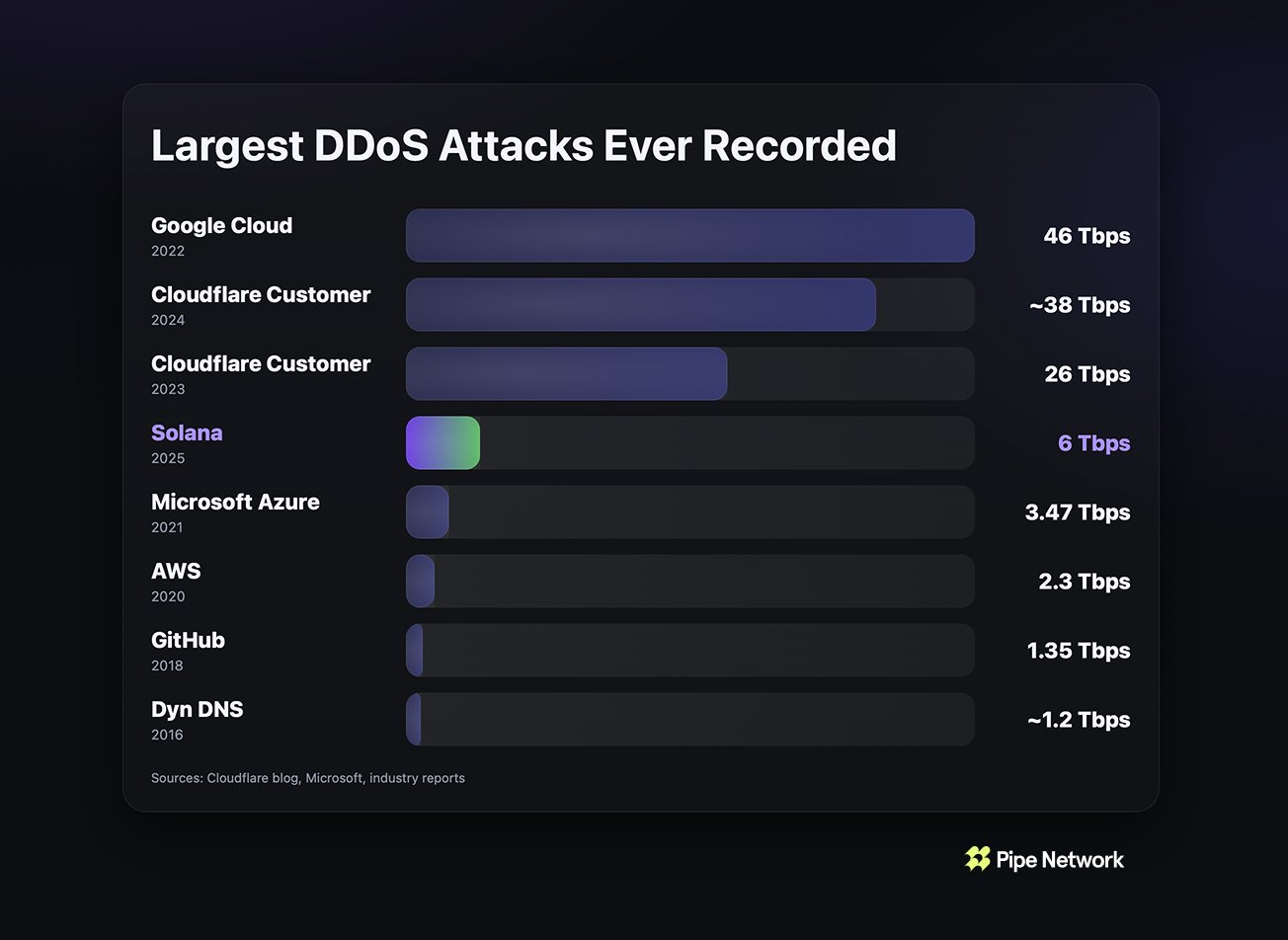
A famous DDoS attack on the internet typically refers to a coordinated, high-volume effort to overwhelm a specific target’s infrastructure—such as the 2016 Dyn attack or the 2023 Google Cloud mitigation efforts—by flooding it with malicious traffic. These events demonstrate how centralized internet services are vulnerable to distributed botnet exploitation and highlight the ongoing necessity for robust edge-level traffic filtering and global load balancing.
Defining the Distributed Denial of Service (DDoS)
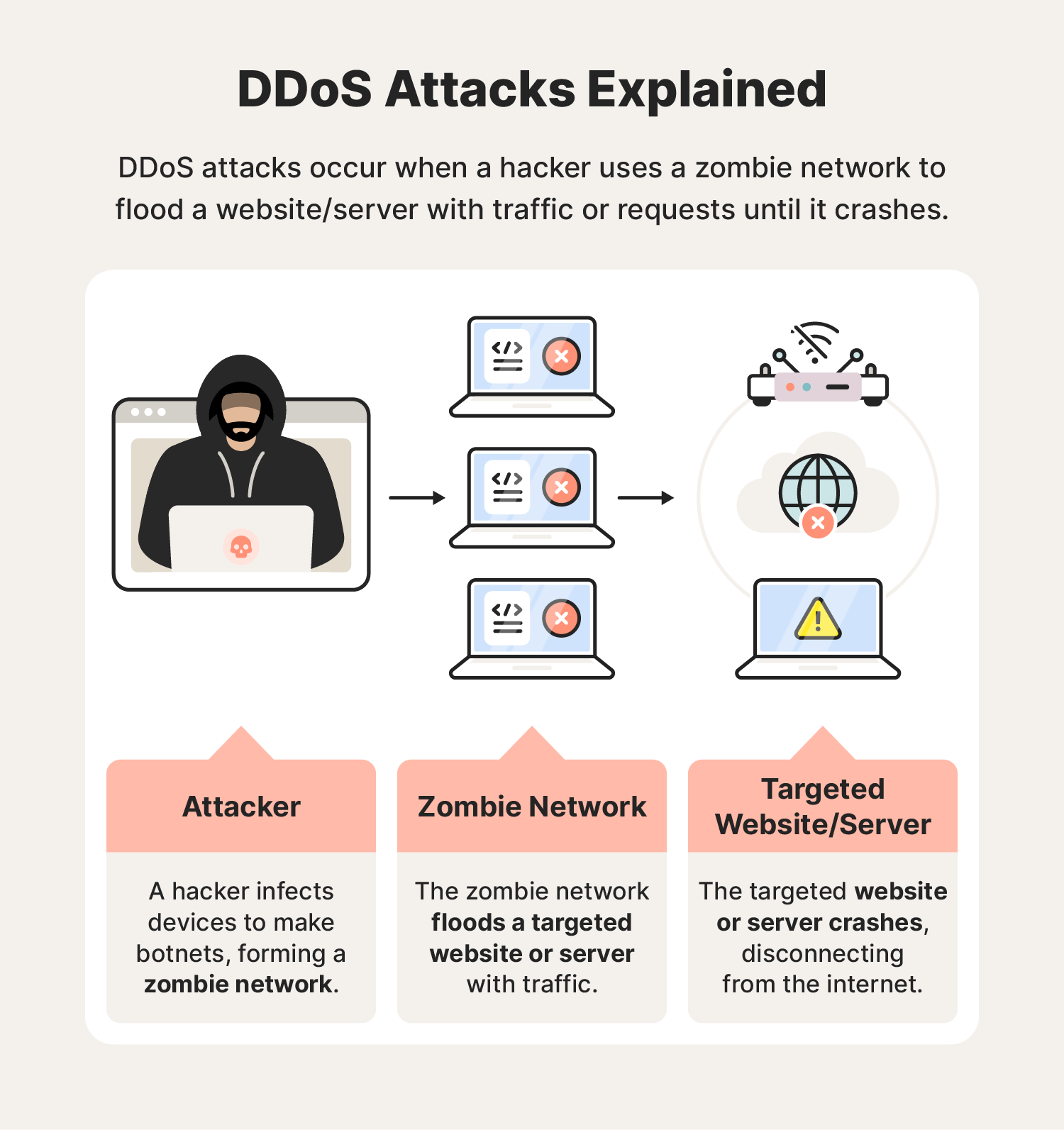
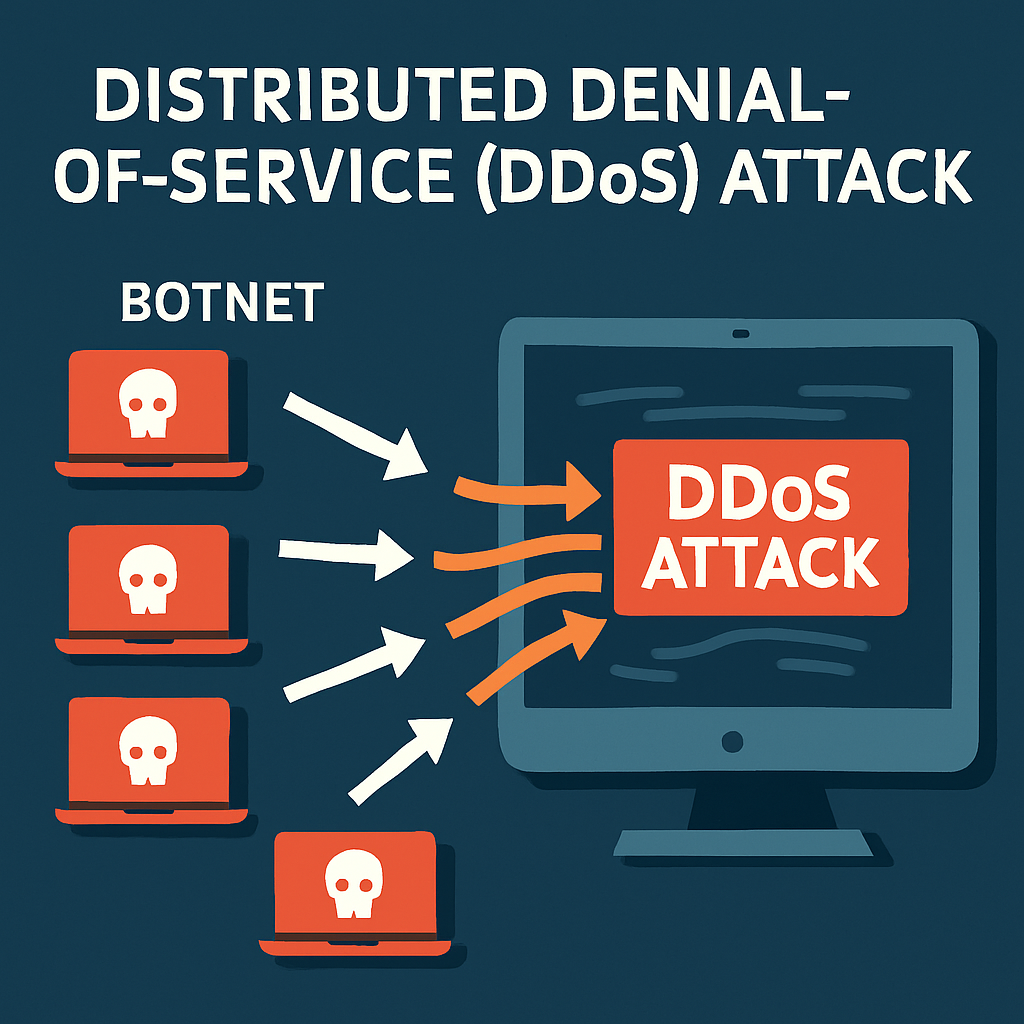
A Distributed Denial of Service (DDoS) attack occurs when multiple compromised computer systems, often referred to as a "botnet," are used to target a single system, service, or network. Unlike a standard Denial of Service (DoS) attack, which originates from one location, a DDoS attack utilizes the distributed nature of the internet to launch traffic from thousands or even millions of devices simultaneously.
The primary goal of these attacks is not usually to steal data, but to render a resource unavailable to its intended users. By consuming all available bandwidth or exhausting the processing resources of a server, the attacker forces the service to time out, crash, or refuse legitimate requests. As the internet has evolved into a foundational utility for global commerce and communication, the scale and sophistication of these attacks have escalated, leading to several historically significant incidents.
The 2016 Dyn Attack: A Case Study in IoT Vulnerability
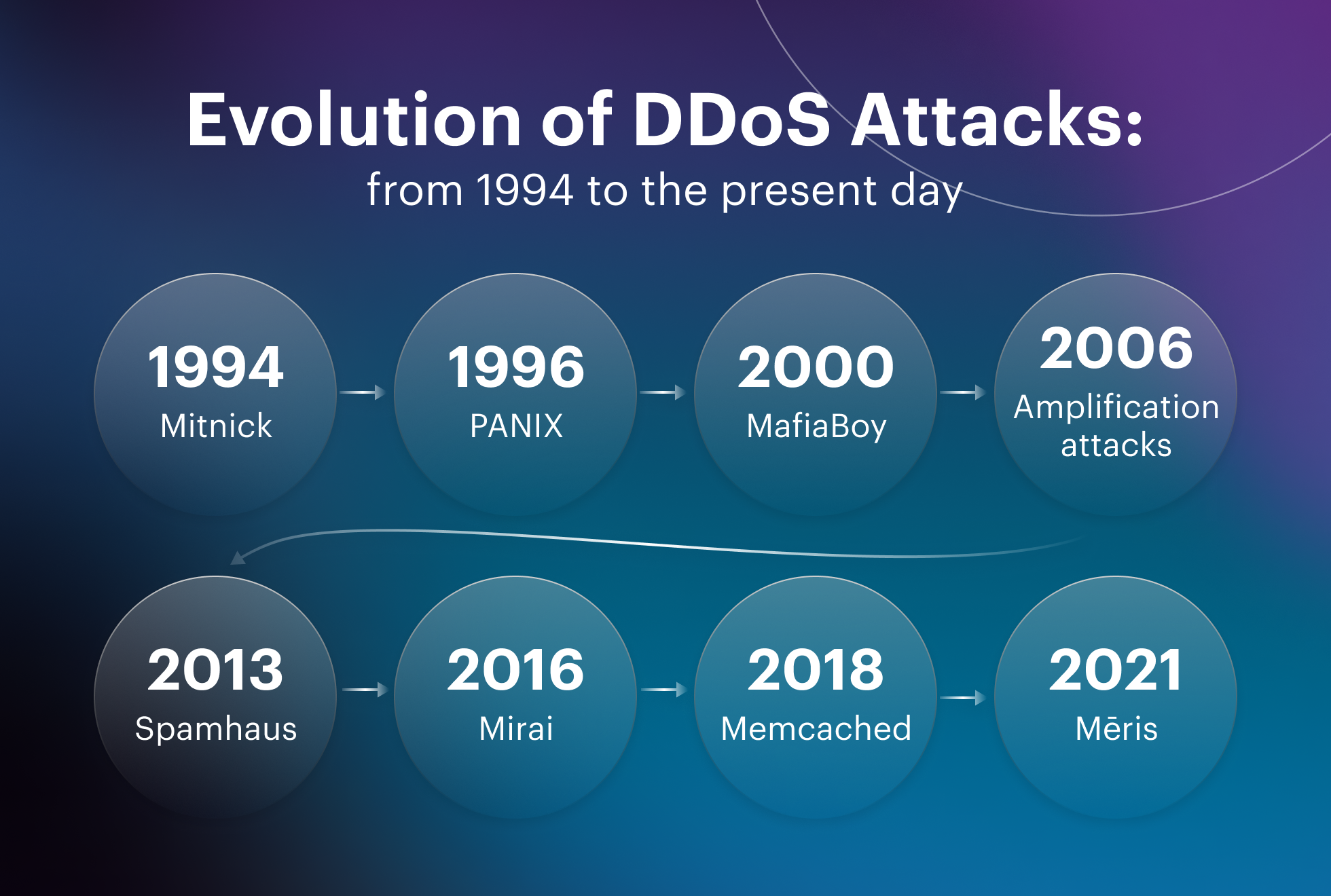
One of the most famous DDoS attacks in internet history occurred in October 2016, when the Managed DNS provider Dyn (now part of Oracle) was targeted by an massive botnet known as Mirai. This event remains a critical reference point for network security professionals because it exposed the extreme vulnerability of the "Internet of Things" (IoT).
The Mirai botnet scanned the internet for insecure, web-enabled devices—such as home routers, digital video recorders (DVRs), and internet-connected cameras—that were using default factory usernames and passwords. By infecting these devices with malware, the attackers created a massive network of "zombie" machines. On October 21, 2016, the botnet launched a series of high-volume attacks against Dyn’s infrastructure. Because Dyn provided DNS services for major platforms like Twitter, Netflix, Spotify, and Reddit, the outage caused these services to disappear for millions of users across North America and Europe. This incident proved that even the largest, most sophisticated internet companies are susceptible to outages if their underlying directory infrastructure (DNS) is compromised.
Types of DDoS Attack Vectors
To understand why these attacks are "famous" or effective, one must understand the three distinct layers at which they operate. Attackers often combine these methods to maximize impact.
1. Volumetric Attacks
These are the most common and easily recognizable attacks. The goal is to saturate the bandwidth of the target. These attacks use amplification techniques, such as DNS reflection or NTP (Network Time Protocol) reflection, to send small requests to servers that respond with much larger data packets directed at the victim. The result is a "traffic jam" that prevents legitimate data from entering or leaving the network.
2. Protocol Attacks
These attacks target the weaknesses in the layers of the TCP/IP protocol stack. A classic example is the SYN Flood. In a standard TCP handshake, a client sends a "SYN" request, the server responds with a "SYN-ACK," and the client completes the handshake with an "ACK." In a SYN flood, the attacker sends thousands of SYN requests but never sends the final ACK. The server keeps these "half-open" connections active, consuming its memory and CPU until it can no longer accept new, legitimate connections.
3. Application Layer Attacks (Layer 7)
These are often the most sophisticated and difficult to mitigate. Instead of flooding the network, they target the application itself (e.g., a web server running WordPress or a banking portal). The attacker sends seemingly legitimate HTTP requests that require complex backend processes, such as database queries. Because the traffic looks like normal user activity, it can be very difficult for traditional firewalls to distinguish between a busy customer base and a malicious botnet.
Comparison of Common DDoS Mitigation Strategies
Organizations defend against these attacks using a variety of technologies. The following table summarizes common strategies and their effectiveness against specific threat types.
| Mitigation Method | Primary Mechanism | Effective Against | Primary Limitation |
|---|---|---|---|
| Anycast Routing | Distributes traffic across a global network of servers. | Volumetric Attacks | Requires significant infrastructure investment. |
| Rate Limiting | Caps the number of requests a user can make in a timeframe. | Application Layer | Can inadvertently block legitimate "power users." |
| Web Application Firewalls (WAF) | Inspects and filters HTTP traffic based on rules. | Layer 7 Attacks | Increased latency and high configuration complexity. |
| SYN Cookies | Responds to SYN requests without consuming server state. | SYN Flood Attacks | Resource-intensive under extreme scale. |
| Blackholing | Drops all traffic destined for a specific IP address. | Volumetric | Results in total service outage for the targeted IP. |
The Evolving Landscape: Mitigation in 2026
By 2026, the strategy for handling DDoS attacks has shifted from reactive manual mitigation to proactive, automated edge-based defense. Modern Content Delivery Networks (CDNs) act as a primary line of defense. When a high-volume attack occurs, the CDN absorbs the traffic at the "edge"—the network nodes geographically closest to the source of the attack—preventing the malicious requests from ever reaching the origin server.
Another major advancement is the use of machine learning (ML) models to identify anomalous traffic patterns. Because botnets are becoming more "human-like" in their behavior, traditional rule-based filtering (such as blocking specific IP ranges) is no longer sufficient. Modern systems analyze the "fingerprint" of a request, looking for inconsistencies in browser headers, request timing, and TLS handshake patterns to differentiate between a legitimate user and a sophisticated bot.
Frequently Asked Questions
Why don't internet service providers (ISPs) stop DDoS attacks before they reach the target?
ISPs struggle to stop DDoS attacks because it is difficult to distinguish malicious traffic from legitimate traffic at the carrier level. Additionally, filtering out massive amounts of traffic at the ISP core would require immense processing power, which could inadvertently slow down normal internet traffic.
Is there any legal recourse for a business hit by a DDoS attack?
While DDoS attacks are illegal under various statutes—such as the Computer Fraud and Abuse Act in the United States—identifying the perpetrators is exceptionally difficult. Most attacks involve botnets composed of thousands of compromised devices located across multiple jurisdictions, making attribution and prosecution rare.
Can a single website truly be protected from a multi-terabit attack?
Yes, but typically only through the use of a professional DDoS mitigation service. These services have the massive bandwidth capacity required to absorb terabits of traffic and the distributed architecture to "scrub" the traffic, allowing only clean data to pass through to the protected server.
What is the difference between a botnet and a DDoS attack?
A botnet is the tool (the network of infected computers), while a DDoS attack is the action (the act of using that network to flood a target). One cannot perform a large-scale modern DDoS attack without a botnet.
How does "Anycast" help stop an attack?
Anycast allows a single IP address to be announced from multiple locations. When a DDoS attack hits, the traffic is naturally dispersed across all these locations rather than hitting one single data center. This prevents any one location from being overwhelmed, keeping the service online.
Recommendations for Infrastructure Protection
To safeguard a digital asset in 2026, administrators must treat security as an architectural requirement rather than an afterthought. Organizations should prioritize the following steps:
- Utilize a Scrubbing Service: Deploy an enterprise-grade DDoS mitigation service that provides an "always-on" or "on-demand" filtering capability at the edge.
- Harden IoT Infrastructure: If your business utilizes connected hardware, ensure all default credentials are changed, firmware is updated, and devices are isolated on segmented networks.
- Implement Rate Limiting: Configure your application to limit the rate of requests per IP address to mitigate the impact of low-and-slow application-layer attacks.
- Monitor Baseline Traffic: Establish a clear understanding of what "normal" traffic looks like for your service. You cannot detect an attack if you do not have an accurate baseline for peak usage hours and typical visitor patterns.
By understanding the historical context of famous DDoS attacks and the technical mechanics behind them, administrators can move beyond simple defense and build resilient systems capable of withstanding the inevitable surges of malicious traffic inherent to the modern internet.
Image Gallery
Select an image to open it in a new tab.



Zara El-Hashem
Sociocultural Dynamics and Academics Writer
