Understanding the Reasons for Animal Extinction: Causes, Mechanisms, and Conservation Context

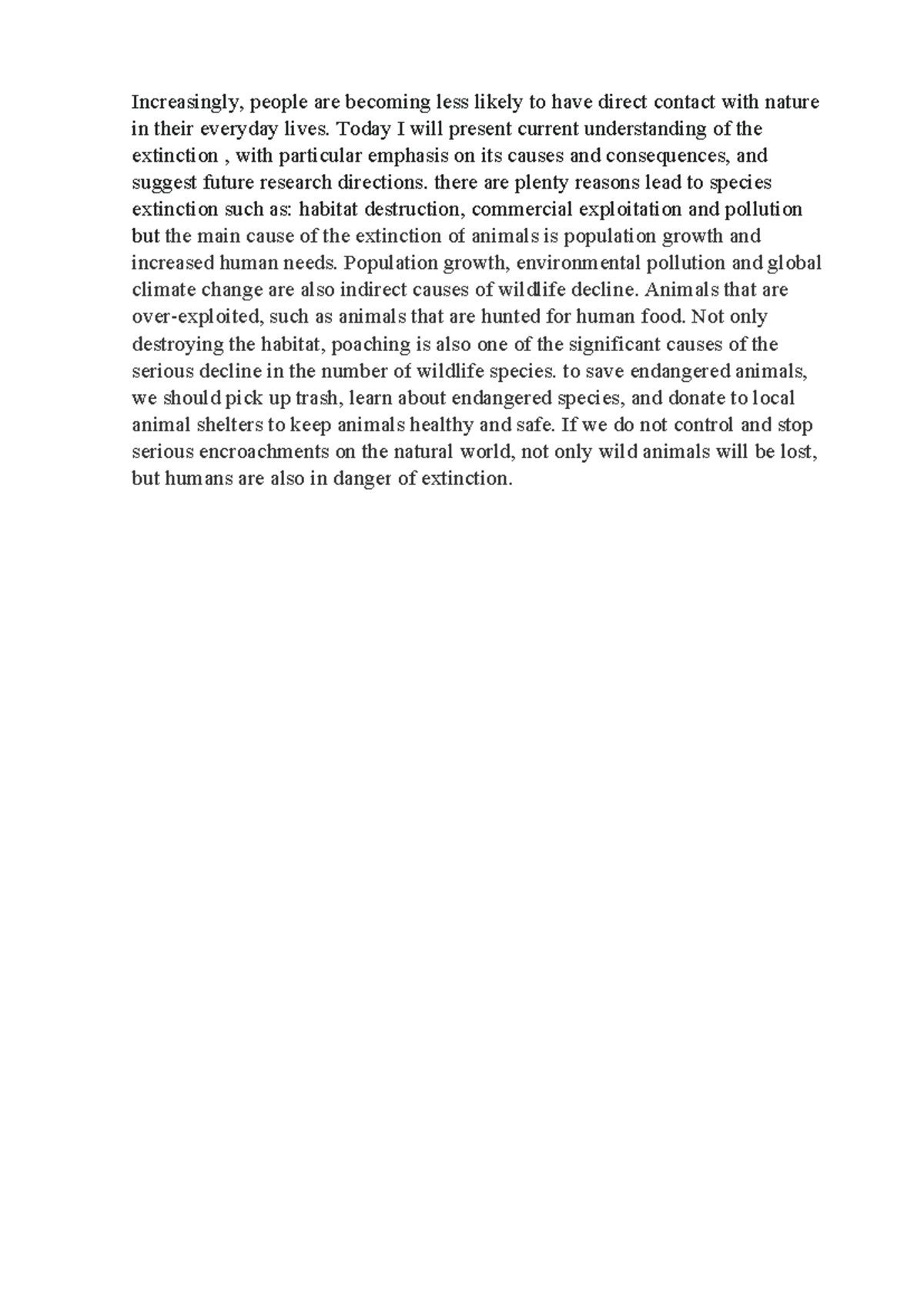
Understanding the reasons for animal extinction requires examining complex ecological, anthropogenic, and evolutionary pressures that drive species to permanent disappearance. Extinction is a natural planetary process, but modern rates of species loss far outpace historical background extinction rates, largely due to habitat destruction, climate disruption, overexploitation, and biological invasions.
The Evolutionary and Ecological Framework of Extinction
Extinction is an inherent component of Earth's evolutionary history. Through the geological timescale, species emerge, adapt to shifting environments, and eventually disappear as conditions change or superior competitors take their place. Paleontological records indicate that the planet has experienced five major mass extinction events prior to the modern era, each wiping out a substantial percentage of all living taxa due to catastrophic planetary upheaval such as asteroid impacts, massive volcanic outpourings, or rapid climate shifts.
However, the baseline or background rate of extinction—the natural speed at which species vanish without human interference—stands in stark contrast to current observations. While the background rate historically averaged between one and five extinctions per year across all major groups, modern scientific assessments indicate that species are currently disappearing at hundreds to thousands of times that rate. This acceleration marks the onset of what many conservation biologists and earth scientists designate as the sixth mass extinction, driven primarily by the ecological footprint of a single species: Homo sapiens.
To comprehend why modern animal populations collapse, researchers evaluate extinction risk through two primary lenses: deterministic factors and stochastic factors. Deterministic factors involve persistent, systemic pressures that directly degrade a species' ability to survive, such as continuous deforestation, toxic pollution, or unrelenting hunting pressure. Stochastic factors, by contrast, involve random environmental, demographic, or genetic events—such as an unusually severe drought, a localized disease outbreak, or an accidental demographic imbalance in a small remaining population—that can push an already vulnerable species over the brink into oblivion.
| Primary Driver | Primary Mechanism |
|---|---|
| Habitat Destruction | Fragmentation, conversion to agriculture |
| Overexploitation | Unsustainable hunting, fishing, logging |
| Climate Change | Rapid thermal shifts, habitat mismatch |
| Invasive Species | Predation, competition, novel pathogens |
| Pollution | Chemical bioaccumulation, microplastics |
Anthropogenic Habitat Destruction and Fragmentation
The single greatest driver of modern animal extinction is the direct alteration, degradation, and destruction of natural habitats. As human populations expand and industrial activities intensify, vast tracts of forests, wetlands, grasslands, and marine ecosystems are converted for agriculture, urban development, infrastructure, and resource extraction. This large-scale transformation does not merely reduce the total area available to wildlife; it fundamentally fractures continuous ecosystems into isolated patches, a process known as habitat fragmentation.
Fragmentation creates ecological islands surrounded by hostile human-dominated landscapes. Species confined to these smaller fragments often suffer from reduced population sizes, making them acutely susceptible to inbreeding depression and loss of genetic diversity. Furthermore, edge effects—environmental changes that occur at the boundary between natural habitats and developed areas—penetrate deep into remaining fragments, altering microclimates, increasing vulnerability to invasive species, and heightening exposure to human-wildlife conflict.
Aquatic and marine habitats face parallel devastation. Coral reefs, often termed the rainforests of the sea, are degraded by coastal development, destructive fishing practices, and agricultural runoff that causes massive eutrophication and suffocating algal blooms. Similarly, the draining of wetlands for real estate and farming eliminates crucial nurseries and breeding grounds for amphibians, migratory birds, and freshwater fish species, accelerating declines across entire regional food webs.
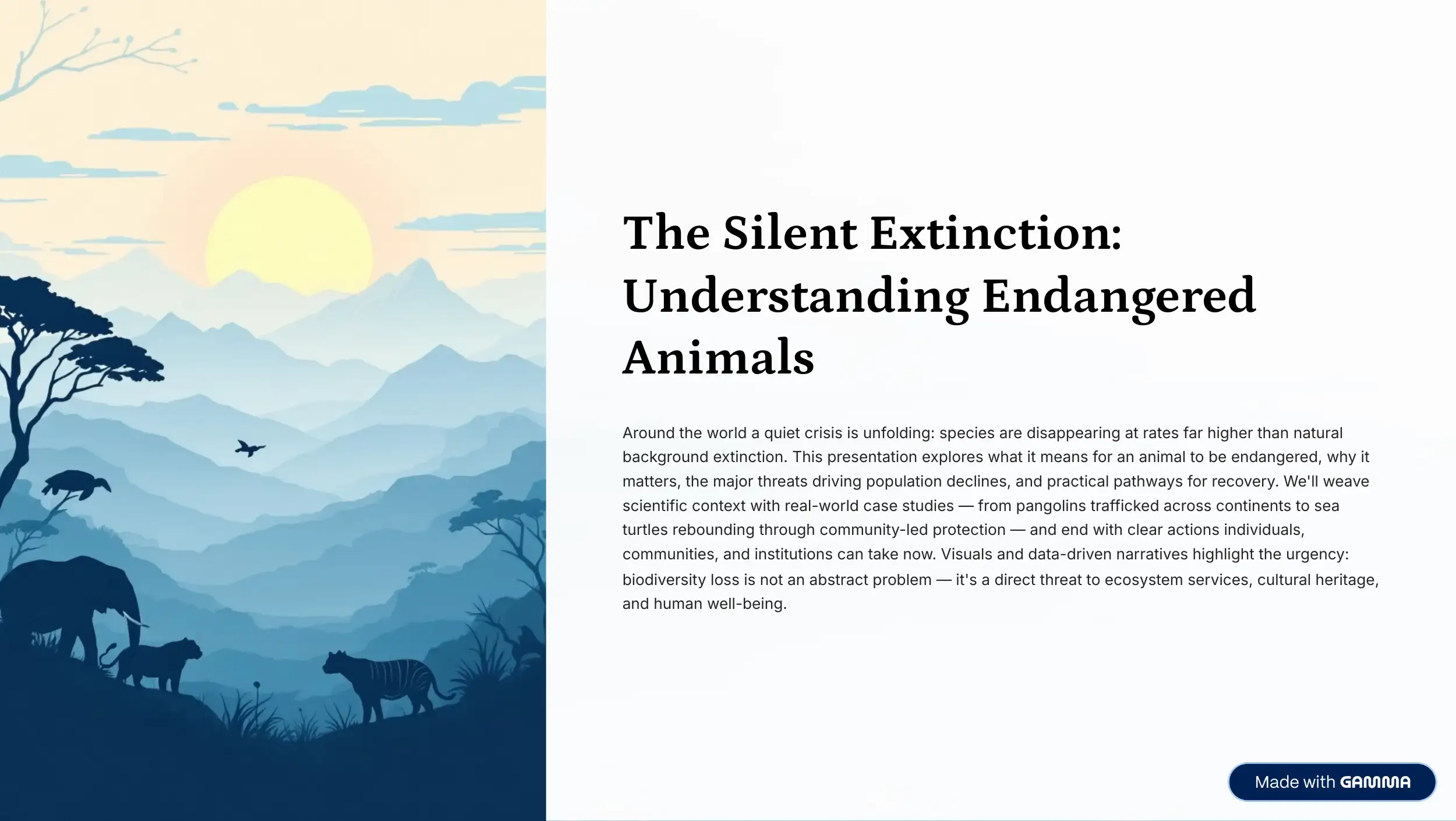
Overexploitation: Hunting, Fishing, and Harvesting
Beyond losing their homes, countless animal populations face direct eradication through overexploitation—the harvesting of wild animals and plants at rates exceeding their natural capacity to reproduce. This pressure spans multiple sectors, from subsistence hunting and commercial fisheries to the lucrative illegal wildlife trade.
In marine environments, industrial overfishing has depleted numerous pelagic and benthic fish stocks. Modern commercial fishing fleets employ advanced technologies such as sonar, massive purse seine nets, and longlines that catch marine life indiscriminately, resulting in high levels of bycatch—the unintended capture of non-target species such as sea turtles, sharks, seabirds, and marine mammals. Species targeted for luxury markets, such as bluefin tuna, have experienced precipitous population crashes, threatening marine ecosystem stability.
Terrestrial wildlife faces severe threats from the global wildlife trade, driven by demand for exotic pets, traditional medicine ingredients, bushmeat, and luxury fashion items. While some harvesting is legally regulated and managed for sustainability, illegal poaching operates on a massive industrial scale. High-value targets, such as rhinoceroses hunted for their horns or pangolins targeted for their scales and meat, are pushed toward the brink of extinction by organized criminal networks that exploit weak regulatory enforcement and high market demand.
Climate Change and Environmental Disruption
Anthropogenic climate change represents a pervasive and escalating threat to global biodiversity. The rapid accumulation of greenhouse gases in the atmosphere is driving shifts in global temperature, altering precipitation patterns, melting polar ice caps, and causing sea levels to rise at unprecedented rates. Unlike historical climate shifts that unfolded over tens of thousands of years, modern climate disruption is occurring over decades, leaving most animal species with insufficient time to adapt genetically or migrate successfully.
The impacts of climate change manifest through multiple interconnected pathways:
- Thermal Stress and Physiological Limits: Many species are adapted to narrow temperature ranges. Coral species, for instance, expel their symbiotic algae and bleach when ocean temperatures rise even slightly above normal thresholds, leading to widespread reef mortality.
- Phenological Mismatches: Climate shifts disrupt seasonal timing cues. If spring arrives earlier, migratory birds may arrive at breeding grounds after peak insect abundance has already passed, reducing reproductive success.
- Habitat Loss via Sea-Level Rise: Low-lying coastal ecosystems, such as mangrove forests and barrier islands, are squeezed between rising seas and human infrastructure, destroying critical habitats for endemic species.
- Extreme Weather Events: Increased frequency and intensity of droughts, wildfires, and severe storms can decimate localized populations of endangered species in a single catastrophic event.
Invasive Species and Disease Transmission
The intentional or accidental introduction of non-native species into new ecosystems is a major driver of biodiversity loss. When species are transported beyond their natural geographic barriers—often facilitated by globalized trade and travel—they may encounter few natural predators or competitors in their new environments. These invasive species can outcompete native fauna for vital resources, alter ecosystem processes, or act as direct predators.
Island ecosystems are particularly vulnerable to invasive species. Ground-nesting birds on remote islands, having evolved in the absence of mammalian predators, are often defenseless against introduced rats, cats, and mongoose that readily consume eggs and nestlings. Similarly, the introduction of the brown tree snake to Guam resulted in the near-total extinction of the island's native forest bird populations.
In tandem with invasive competitors, wildlife disease dynamics have shifted dramatically due to globalization and environmental degradation. Pathogens can spread rapidly through naive populations that lack immunological defenses. A prominent example is the fungal pathogen Batrachochytrium dendrobatidis (chytrid fungus), which has decimated amphibian populations worldwide, driving dozens of frog species to extinction or near-extinction by attacking their keratinized skin and disrupting vital osmoregulation.
Pollution and Chemical Contamination
Pollution introduces toxic substances into terrestrial, freshwater, and marine environments, exerting chronic physiological stress on animal populations. Chemical pollutants encompass a vast range of synthetic compounds, heavy metals, agricultural pesticides, and persistent organic pollutants (POPs) that do not break down easily in the environment.
A critical mechanism of chemical pollution is bioaccumulation and biomagnification. When apex predators consume smaller organisms contaminated with heavy metals like mercury or synthetic chemicals like PCBs (polychlorinated biphenyls), these toxins accumulate in increasingly high concentrations up the food chain. This can lead to reproductive failure, immune system suppression, neurological damage, and outright mortality in top carnivores such as raptors, marine mammals, and large fish.
Plastic pollution presents a pervasive physical threat. Macroplastics entangle marine life, birds, and terrestrial mammals, restricting movement, foraging, and breathing. Meanwhile, the breakdown of plastics into microplastics allows microscopic particles to permeate aquatic food webs, entering the digestive tracts and tissues of organisms ranging from zooplankton to filter-feeding whales, with unknown long-term physiological consequences.
Economic, Legal, and Conservation Challenges
Mitigating the drivers of animal extinction requires robust legislative frameworks, international cooperation, and substantial financial investment. However, conservation efforts frequently encounter severe operational hurdles, including competing land-use priorities, economic pressures in developing nations, and inadequate enforcement of environmental laws.
| Conservation Instrument | Primary Objective | Jurisdictional Scope | Enforcement Mechanism |
|---|---|---|---|
| CITES | Regulate international trade of endangered species | Global (184 Parties) | Import/export permit systems, trade sanctions |
| Endangered Species Act (ESA) | Protect and recover imperiled species and habitats | United States | Federal prohibitions on "take," habitat protection mandates |
| IUCN Red List | Assess conservation status and extinction risk | Global scientific standard | Scientific monitoring, advocacy, policy influence |
| Convention on Biological Diversity | Promote sustainable development and biodiversity preservation | Global | National biodiversity strategies, periodic reporting |
International treaties such as the Convention on International Trade in Endangered Species of Wild Fauna and Flora (CITES) aim to ensure that international trade in specimens of wild animals and plants does not threaten their survival. However, the efficacy of such agreements depends entirely on the political will and enforcement capacity of individual member states. Corruption, insufficient border controls, and high black-market profits often undermine legal prohibitions.
Furthermore, conservation funding often falls short of the scale required to address global biodiversity loss. While charismatic megafauna—such as pandas, tigers, and elephants—frequently attract significant philanthropic donations and public attention, thousands of lesser-known invertebrates, amphibians, and plants receive minimal support despite playing critical functional roles in their respective ecosystems.
Frequently Asked Questions
What is the difference between threatened, endangered, and extinct species?
The International Union for Conservation of Nature (IUCN) categorizes species based on their extinction risk. A threatened species is any species that is vulnerable to endangerment in the near future, encompassing categories like Vulnerable, Endangered, and Critically Endangered. An endangered species faces a very high risk of extinction in the wild. An extinct species has no living individuals remaining anywhere on Earth, verified through exhaustive surveys across its historic range.
Can extinct species be brought back through cloning or de-extinction science?
De-extinction remains largely theoretical and faces severe ecological, technical, and ethical limitations. While scientists can extract ancient DNA from preserved specimens and use gene-editing tools like CRISPR to insert traits into closely related living surrogate species, the resulting animals are genetic proxies rather than true revived species. Furthermore, de-extinction does not restore the lost natural habitats, learned behaviors, or ecological relationships that the original species relied upon.
How does the loss of a single animal species affect an entire ecosystem?
Many species act as keystone species—organisms that exert a disproportionate effect on their natural environment relative to their abundance. The removal of a keystone species, such as a top predator or a primary seed disperser, can trigger a trophic cascade. For instance, the elimination of sea otters allows sea urchin populations to explode, which in turn devastates kelp forests that provide habitat for numerous other marine organisms.
Are human activities the sole cause of modern animal extinctions?
While anthropogenic factors are the overwhelming driver of the current extinction crisis, natural processes such as volcanic activity, disease outbreaks, and natural climate fluctuations still occur. However, human activities have dramatically amplified these pressures, preventing species from adapting naturally and elevating extinction rates to levels thousands of times higher than the natural background rate.
What are the most effective ways individuals can help prevent animal extinction?
Individuals can contribute to conservation by supporting accredited wildlife sanctuaries and conservation organizations, reducing their carbon footprint to mitigate climate change, avoiding products derived from illegal wildlife trafficking or unsustainable palm oil, minimizing single-use plastics, and advocating for science-based environmental policies at local and national levels.
Conclusion and Next Actions
Understanding the reasons for animal extinction reveals that biodiversity loss is not an isolated series of unfortunate events, but a systemic consequence of human interactions with the natural world. Addressing this crisis requires integrated strategies that combine habitat preservation, climate mitigation, stringent regulation of wildlife trade, and international policy enforcement. For policymakers, conservationists, and citizens alike, the priority must shift from reactive crisis management to proactive stewardship of ecosystems, ensuring that current and future generations preserve the ecological richness of the planet.
Image Gallery
Select an image to open it in a new tab.



Simon Caldwell
Enterprise Technology and Systems Editor
