Understanding Pope Francis Quotes on LGBTQ+ Issues: Navigating Doctrine and Pastoral Approach
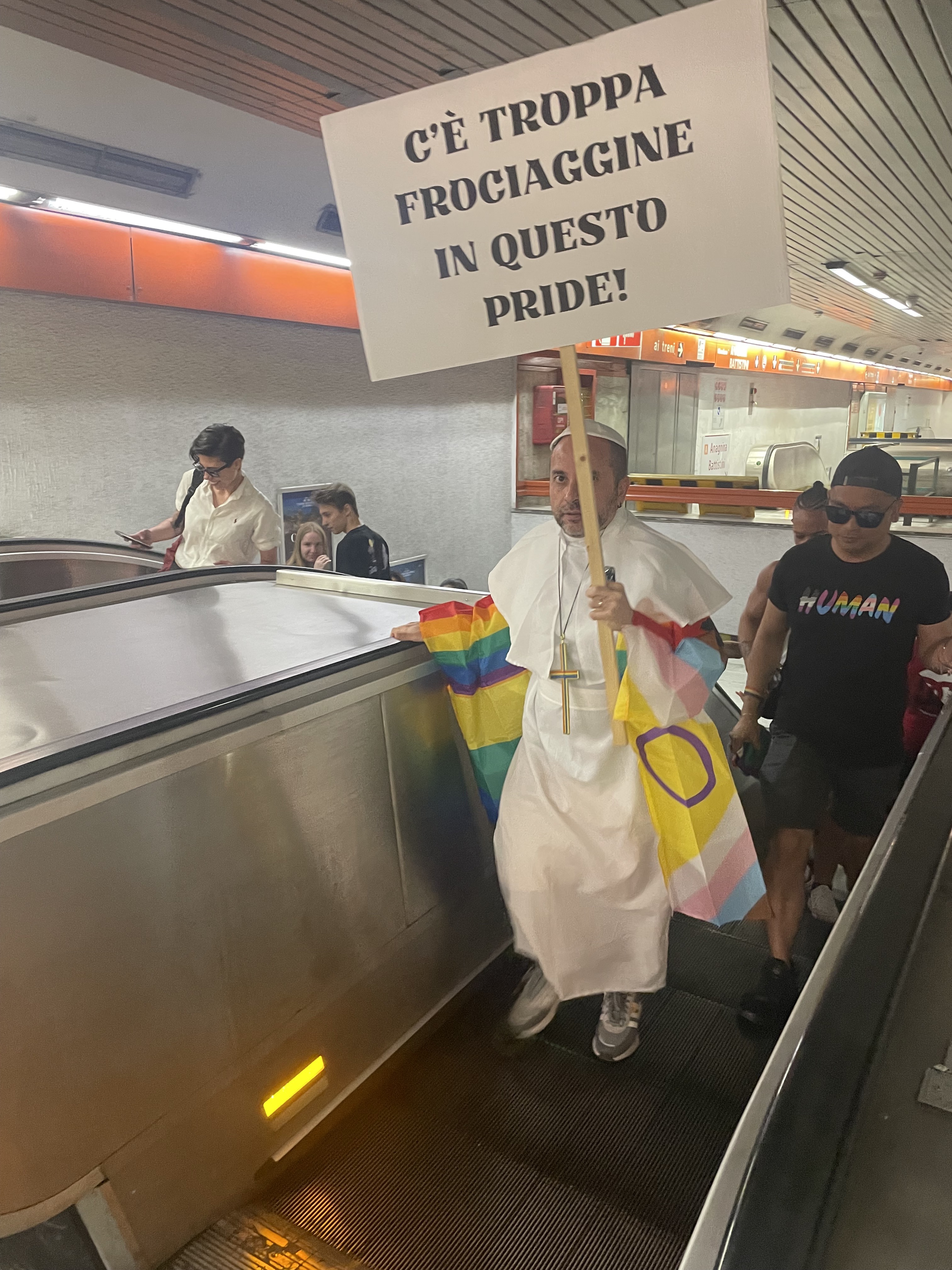
Understanding Pope Francis’s statements regarding LGBTQ+ issues requires distinguishing between the foundational moral teachings of the Catholic Church, which remain unchanged, and the evolving tone of pastoral care toward individuals. While media headlines often focus on specific, isolated remarks, a comprehensive view shows that the Pope’s primary aim is to shift the Church's focus from a legalistic framework to one of "accompaniment," even as he maintains the traditional sacramental definitions of marriage and human sexuality.
The Context of Papal Communication
To understand the Pope's position, it is essential to first recognize the nature of the Catholic Church's communicative style. Pope Francis frequently utilizes informal interviews, press conferences on airplanes, and personal correspondence to convey his views. These formats often lack the formal theological precision of a Vatican encyclical or a motu proprio. Consequently, a single quote must be analyzed within the broader context of his established actions and the formal teachings of the Magisterium.
Observers often mistake a change in pastoral tone for a change in dogma. When Pope Francis emphasizes the dignity of all persons, he is operating within the framework of Catechism of the Catholic Church (CCC) 2358, which states that individuals with "deep-seated homosexual tendencies" must be accepted with "respect, compassion, and sensitivity," while also reiterating the Church’s stance that homosexual acts are "intrinsically disordered." Navigating his quotes effectively requires keeping these two poles of the Church’s teaching in constant view.
Analyzing Key Documents and Statements
The evolution of the discussion under Francis can be categorized by the documents and events that defined the current climate. Understanding these is the primary step in interpreting his "quotes" correctly.
Fiducia Supplicans and the Blessing Debate
Perhaps the most significant development in this area was the 2023 declaration Fiducia Supplicans, issued by the Dicastery for the Doctrine of the Faith (DDF) and approved by the Pope. The document created a distinction between "liturgical" blessings (which involve a formal rite) and "pastoral" or "spontaneous" blessings.
The core takeaway here is that the Church continues to define marriage exclusively as a union between a man and a woman. The document explicitly forbids the blessing of unions that mirror marriage in a secular sense. However, it permits priests to offer informal blessings to individuals in irregular situations—including same-sex couples—as a request for God’s grace. Misunderstanding this distinction leads to the common misconception that the Church has "blessed" same-sex marriage, when the doctrinal definition of the sacrament has remained untouched.
The "Who Am I to Judge?" Moment
In 2013, early in his pontificate, the Pope’s remark regarding a priest with a gay past—"Who am I to judge?"—became a global flashpoint. While many interpreted this as a shift in moral doctrine, the Pope later clarified that he was speaking in the context of the Church’s teaching that a person’s past should not be held against them if they are repentant and seeking to live in accordance with the Church. This illustrates a recurring pattern: the Pope prioritizes the individual’s spiritual trajectory over a public, judgmental posture, without necessarily retracting the underlying moral expectations.

Comparative Overview: Doctrine vs. Pastoral Tone
To clarify the nuance in the Pope’s messaging, it is helpful to contrast the formal dogmatic position with the evolving pastoral approach encouraged by the Vatican under his leadership.
| Feature | Formal Dogma (Unchanged) | Pastoral Approach (Evolving) |
|---|---|---|
| Marriage Definition | Exclusive to man and woman | Accompaniment of all persons |
| Homosexual Acts | Defined as intrinsically disordered | Avoidance of judgmental public rhetoric |
| Blessings | No sacramental recognition of same-sex unions | Informal/Spontaneous blessings allowed |
| Church Mission | Salvation and moral integrity | Inclusivity and "openness to all" |
| Human Dignity | Inherent in every person | Emphasis on "welcoming" the marginalized |
The Role of "Accompaniment"
"Accompaniment" is perhaps the most critical term in the lexicon of Pope Francis. In his writings, such as Amoris Laetitia (2016), he emphasizes that the Church must act as a field hospital. For the Pope, the priority is to keep individuals in contact with the Church, regardless of their lifestyle, rather than pushing them away through immediate moral condemnation.
For the reader attempting to parse a specific quote, look for whether the statement is addressing an act or a person. Francis consistently distinguishes between the two. When he discusses the criminalization of homosexuality, he is addressing the dignity of the person and the legal protections necessary in a civil society. When he discusses the theology of the body, he holds to the traditional views established by his predecessors. Recognizing this split is the key to reconciling his seemingly contradictory statements.
Challenges and Misinterpretations
The nature of modern media consumption contributes significantly to the confusion regarding these quotes. Soundbites are frequently stripped of their context, particularly when the Pope speaks to reporters in the casual, conversational style he prefers.
- The Translation Gap: Many of the Pope’s quotes are originally in Spanish or Italian. The translation into English often loses the nuance of the original language, particularly when technical theological terms are substituted for broader, secular concepts.
- Media Frames: News outlets often seek to frame the Pope as either a "liberal reformer" or a "conservative traditionalist." This binary forces his statements into one of two boxes, failing to capture the complexity of a leader who is simultaneously deeply traditional in theology and pastoral in practice.
- Internal Church Tensions: Different wings of the Catholic Church often use the Pope's quotes as evidence for their own arguments. When reading analysis of these quotes, consider the source’s alignment; an article written by a reform-advocacy group will emphasize the "revolutionary" nature of a quote, while a conservative outlet may focus on its potential to create "confusion."
Practical Guidance for Navigating Future Statements
If you are following the news in 2026 or beyond, use the following approach to evaluate new quotes or headlines regarding Pope Francis and LGBTQ+ issues:
- Consult Primary Sources: Do not rely on headlines. Look for the official Vatican release of the statement. If the quote is from an interview, read the full transcript to understand the question that prompted the answer.
- Identify the Venue: Is the quote from a formal document like an Apostolic Exhortation? Is it from a homily? Or is it from a casual conversation? Formal documents carry much higher weight for Church teaching than spontaneous remarks.
- Check the DDF: The Dicastery for the Doctrine of the Faith is the official body for interpreting Church teaching. If a controversial quote has been issued, check the DDF’s website to see if there is a clarifying note or a document that puts the quote into the framework of established dogma.
- Consult the Catechism: When in doubt, refer back to the current Catechism of the Catholic Church. The Pope’s remarks are intended to be read in harmony with, not in contradiction to, this fundamental text.
Frequently Asked Questions
1. Has Pope Francis changed the Church’s teaching on same-sex marriage? No. Pope Francis has maintained the consistent teaching of the Catholic Church that marriage is a sacramental union between a man and a woman. No document or quote under his pontificate has altered the sacramental definition of marriage.
2. What did the Pope mean when he said "Who am I to judge?" The Pope was referring to an individual’s personal search for God and the need to avoid labeling or marginalizing people based on their pasts, provided they are living in accordance with the Church's pursuit of holiness. It was a pastoral plea, not a doctrinal shift on morality.
3. Why do some headlines say the Pope supports civil unions? The confusion often stems from documentary interviews where the Pope has expressed support for legal protections for same-sex couples in civil society (such as inheritance or healthcare rights). This is a distinction between civil law, which deals with secular rights, and sacramental theology, which remains unchanged.
4. Can a priest now perform a same-sex wedding? No. The Vatican has been clear that priests cannot perform a wedding ceremony for a same-sex couple. While Fiducia Supplicans allows for spontaneous, non-liturgical prayers for individuals in same-sex couples, this is explicitly differentiated from a marriage blessing or the recognition of the union itself.
Conclusion and Next Steps
The quotes of Pope Francis regarding LGBTQ+ issues are best understood as an attempt to pivot the Church toward a more welcoming, pastoral posture without abandoning its foundational moral doctrines. By moving away from a culture of judgment and toward one of accompaniment, the Pope aims to keep the dialogue open.
For those seeking to understand these issues in depth, the most reliable next step is to read the full text of Fiducia Supplicans and the Catechism of the Catholic Church sections on human sexuality. Relying on primary, official Vatican texts rather than secondary summaries will allow you to discern the genuine shift in pastoral tone from the unchanging status of Church doctrine.
Image Gallery
Select an image to open it in a new tab.

Akira Tanaka
International Academic Trends Correspondent
