The Relationship Between Insulin and Glucagon: How the Body Maintains Glucose Homeostasis
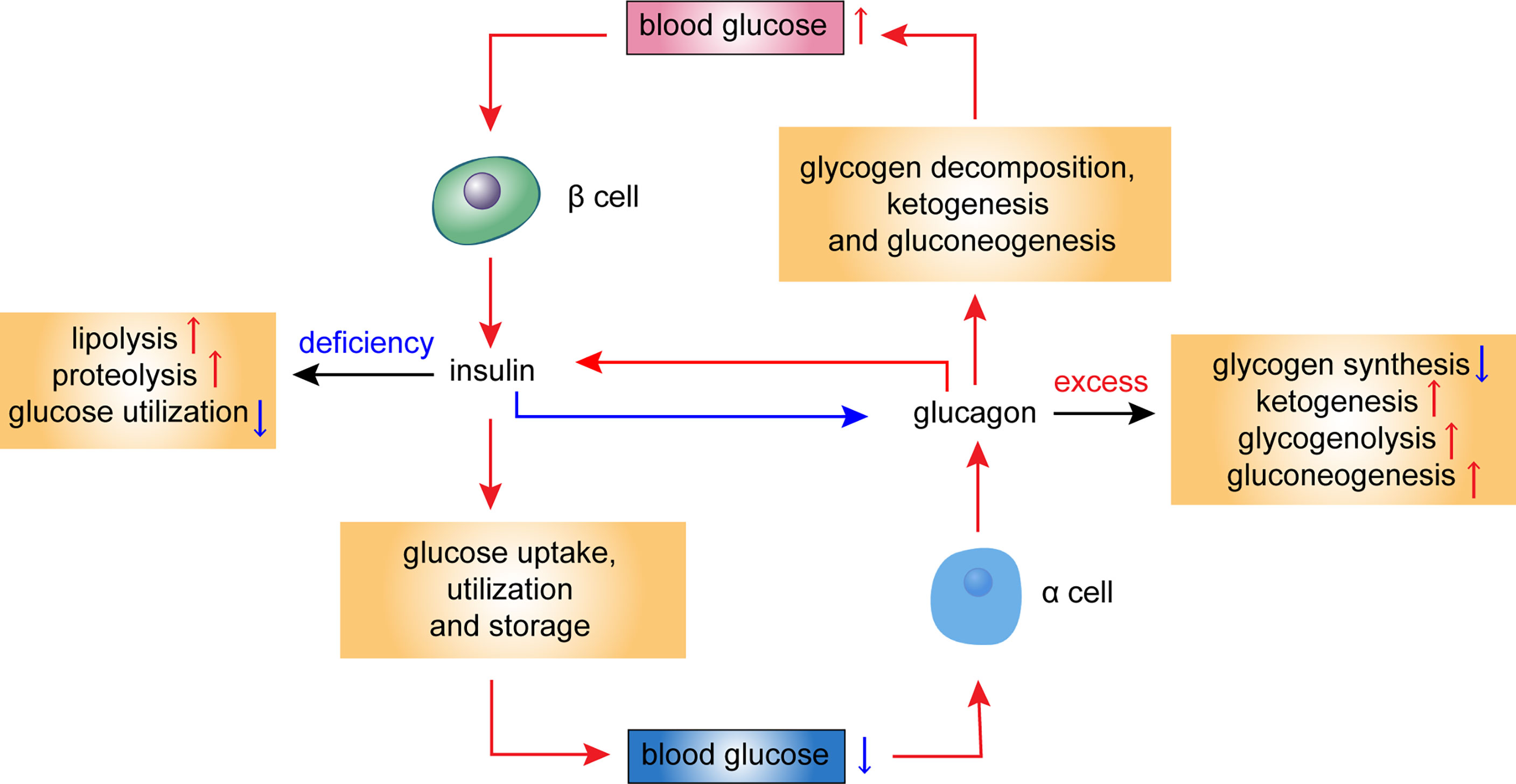
The relationship between insulin and glucagon is a functional antagonism designed to maintain blood glucose levels within a narrow physiological range. Insulin lowers blood sugar by promoting cellular uptake and storage, while glucagon raises it by triggering the release of stored energy from the liver, ensuring a constant fuel supply for the brain and body.
To understand the metabolic health of the human body in 2026, one must first master the intricate "tug-of-war" between two primary hormones: insulin and glucagon. These chemical messengers, produced by the pancreas, act as the body’s primary thermostat for energy management. While they have opposite effects, they are not competitors; rather, they are partners in a sophisticated feedback loop known as glucose homeostasis.
When this relationship is balanced, the body efficiently stores energy after meals and mobilizes it during periods of fasting or exercise. When this balance is disrupted, it leads to significant metabolic disorders, most notably diabetes mellitus. This article provides a comprehensive technical analysis of how these hormones interact, the pathways they trigger, and the clinical implications of their dysregulation.
The Pancreatic Engine: Islets of Langerhans
The relationship begins in the pancreas, specifically within small clusters of endocrine cells called the Islets of Langerhans. Although the pancreas is largely an exocrine organ involved in digestion, these islets serve as the endocrine command center.
Within these islets, two specific cell types are responsible for glucose regulation:
- Beta Cells: These make up approximately 60-80% of the islet cells and are responsible for the synthesis and secretion of insulin.
- Alpha Cells: These comprise about 15-20% of the islet cells and produce glucagon.
The proximity of these cells is not accidental. They communicate through paracrine signaling, meaning the hormones released by one cell type can directly influence the neighbor. For example, high concentrations of insulin secreted by beta cells can move downstream to alpha cells and signal them to stop producing glucagon. This localized communication ensures that the body does not receive conflicting messages (e.g., trying to store sugar and release it at the same time).
Insulin: The Hormone of Fed-State Abundance
Insulin is an anabolic hormone, meaning it promotes the building and storage of molecules. Its primary stimulus is a rise in blood glucose, typically occurring after a meal containing carbohydrates or proteins.
Mechanism of Action
When blood glucose levels rise above the baseline (typically 70-100 mg/dL), beta cells detect this increase through glucose transporters (GLUT2). As glucose enters the beta cell and is metabolized, it triggers a chain of events—closing potassium channels and opening calcium channels—that leads to the release of pre-stored insulin into the bloodstream.
Once in the blood, insulin acts like a key. It binds to specific insulin receptors on the surface of cells, particularly in muscle, adipose (fat) tissue, and the liver. This binding triggers the translocation of GLUT4 transporters to the cell membrane, effectively "opening the doors" for glucose to enter the cell.
Physiological Effects of Insulin
- Glycogenesis: In the liver and muscles, insulin promotes the conversion of glucose into glycogen, a complex carbohydrate used for short-term energy storage.
- Lipogenesis: When glycogen stores are full, insulin signals the liver to convert excess glucose into fatty acids, which are then stored as triglycerides in adipose tissue.
- Protein Synthesis: Insulin facilitates the uptake of amino acids into cells, promoting muscle repair and growth.
- Inhibition of Glucagon: Insulin directly suppresses the alpha cells, ensuring that the liver does not release stored sugar while the body is trying to process a new meal.
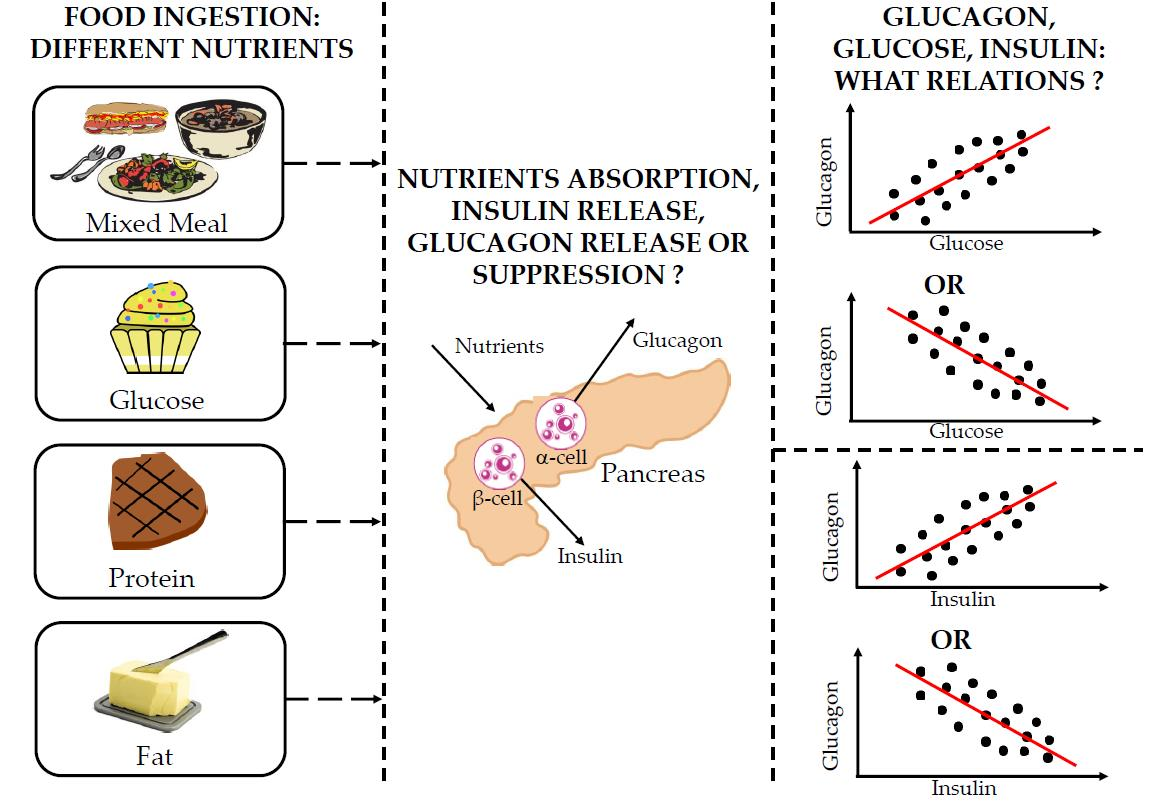
Glucagon: The Hormone of Fasting and Energy Mobilization
If insulin is the hormone of "plenty," glucagon is the hormone of "scarcity." It is a catabolic hormone, meaning it breaks down complex molecules into simpler ones to provide energy.
Stimulus for Secretion
Glucagon is secreted when blood glucose levels drop, such as during sleep, between meals, or during intense physical activity. It is also stimulated by the "fight or flight" response (epinephrine) to ensure the brain has enough fuel to handle a perceived threat.
The Liver as the Primary Target
Unlike insulin, which affects almost every cell in the body, glucagon’s primary theater of operations is the liver. Muscle cells lack the specific receptors for glucagon, meaning glucagon cannot directly trigger the release of muscle glycogen for systemic use. This is a critical biological safeguard; muscle glycogen is reserved strictly for the muscle's own use during exertion.
Physiological Effects of Glucagon
- Glycogenolysis: This is the primary and fastest way glucagon raises blood sugar. It signals the liver to break down stored glycogen back into glucose molecules and release them into the bloodstream.
- Gluconeogenesis: If fasting continues and glycogen stores begin to deplete, glucagon triggers the liver to manufacture "new" glucose from non-carbohydrate sources, such as amino acids (from muscle breakdown) and glycerol (from fat breakdown).
- Lipolysis: Glucagon promotes the breakdown of fats in adipose tissue, providing fatty acids that the body can use for fuel, thereby "sparing" the remaining glucose for the brain.
The Feedback Loop: How the Relationship Remains Stable
The relationship between insulin and glucagon is governed by a negative feedback loop. Imagine a thermostat set to 72 degrees. If the house gets too warm (high blood sugar), the air conditioner (insulin) turns on. Once the temperature drops to the set point, the AC turns off. If the house gets too cold (low blood sugar), the furnace (glucagon) kicks in until the house warms back up.
In a healthy individual in 2026, this system is incredibly precise. Even minor fluctuations in blood sugar are met with rapid adjustments in the insulin-to-glucagon ratio. It is the ratio of these hormones, rather than the absolute amount of either, that determines the body's metabolic state.
For instance, during exercise, insulin levels drop and glucagon levels rise. This shift in the ratio allows the liver to release glucose to fuel working muscles while preventing other tissues from hogging the sugar that the muscles and brain need.
Comparative Overview of Insulin and Glucagon
The following table summarizes the divergent roles and characteristics of these two essential hormones.
| Feature | Insulin | Glucagon |
|---|---|---|
| Source Cell | Beta cells (Pancreas) | Alpha cells (Pancreas) |
| Primary Stimulus | High blood glucose, Amino acids | Low blood glucose, Epinephrine |
| Metabolic State | Fed state (Anabolic) | Fasting state (Catabolic) |
| Primary Target Organs | Liver, Muscle, Adipose tissue | Liver (primarily) |
| Effect on Blood Sugar | Decreases (Hypoglycemic effect) | Increases (Hyperglycemic effect) |
| Storage Action | Promotes Glycogenesis & Lipogenesis | Inhibits storage, promotes mobilization |
| Major Pathway | GLUT4 Translocation | Glycogenolysis & Gluconeogenesis |
| Impact on Fat | Inhibits fat breakdown (lipolysis) | Stimulates fat breakdown (lipolysis) |
Clinical Implications: When the Relationship Fails
When the balance between insulin and glucagon is lost, the result is metabolic instability. Understanding this failure is the cornerstone of managing diabetes and other metabolic syndromes.
Diabetes Mellitus Type 1
In Type 1 diabetes, the immune system destroys the pancreatic beta cells. Without insulin, the "doors" to the cells remain locked. Glucose builds up in the blood (hyperglycemia), while the cells essentially starve. Furthermore, without insulin to suppress the alpha cells, glucagon levels remain inappropriately high, causing the liver to pump even more sugar into an already saturated bloodstream.
Diabetes Mellitus Type 2
In Type 2 diabetes, the body's cells become "insulin resistant." They no longer respond effectively to the insulin "key." While the pancreas may initially produce extra insulin to compensate, eventually the beta cells become exhausted. In this state, the insulin-to-glucagon ratio is skewed; the body acts as if it is in a fasting state even when the person has just eaten.
Hyperinsulinemia and Hypoglycemia
Conversely, if the body produces too much insulin (often due to an insulin-secreting tumor or over-medication), blood sugar can drop to dangerous levels (hypoglycemia). In these cases, glucagon is administered as an emergency medication to force the liver to release glucose rapidly, preventing seizures or loss of consciousness.
The Role of 2026 Technology in Managing the Relationship
As of 2026, medical technology has moved beyond simply replacing insulin. We now focus on replicating the natural relationship between these two hormones through Dual-Hormone Closed-Loop Systems.
While traditional insulin pumps only deliver insulin, these advanced "artificial pancreas" systems contain reservoirs for both insulin and a stable form of liquid glucagon. Using sophisticated algorithms and real-time data from Continuous Glucose Monitors (CGMs), these devices can infuse small amounts of glucagon if they detect a rapid drop in blood sugar, mimicking the alpha cells' natural response. This reduces the risk of exercise-induced hypoglycemia and provides a much tighter level of control than insulin alone could achieve.
Practical Recommendations for Metabolic Balance
Maintaining a healthy relationship between insulin and glucagon is not just for those with diabetes; it is the key to longevity, weight management, and stable energy levels.
- Prioritize Protein and Fiber: These nutrients stimulate a more gradual insulin response compared to refined sugars, preventing the "spike and crash" cycle that stresses the pancreas.
- Engage in Resistance Training: Muscle tissue is the primary sink for glucose. Increased muscle mass improves insulin sensitivity, making it easier for the body to maintain balance with less effort.
- Incorporate Zone 2 Cardio: Low-intensity, steady-state exercise teaches the body to be metabolically flexible—switching efficiently between burning glucose (insulin-driven) and burning fat (glucagon-driven).
- Monitor Stress Levels: Chronic stress keeps cortisol and epinephrine high, which persistently stimulates glucagon and raises blood sugar, even if you aren't eating sugar. This can lead to long-term insulin resistance.
- Strategic Fasting: Allowing the body periods without caloric intake (e.g., 12-14 hours overnight) gives the insulin-producing beta cells a rest and allows glucagon to perform "housekeeping" by mobilizing stored fats.
Frequently Asked Questions
Does glucagon cause weight gain? No, glucagon is generally associated with weight loss or maintenance. It promotes lipolysis (the breakdown of fat) to provide energy. Insulin, when present in chronic excess (hyperinsulinemia), is the hormone more directly linked to fat storage and the inhibition of fat burning.
Can you have high insulin and high glucagon at the same time? Yes, this is often seen in Type 2 diabetes. Because the liver becomes resistant to insulin’s "stop" signal, and the alpha cells are no longer properly suppressed, the body may produce high levels of both. This creates a "vicious cycle" where blood sugar remains high despite high insulin levels.
Does caffeine affect the insulin-glucagon balance? Caffeine can trigger the release of adrenaline (epinephrine), which in turn stimulates glucagon secretion and inhibits insulin secretion. This can cause a temporary rise in blood sugar, which is why some people see a glucose spike on their CGM after drinking black coffee.
Why does glucagon not work for everyone in an emergency? Glucagon relies on the liver having stored glycogen. If a person has been fasting for a long time, has performed prolonged intense exercise, or has consumed excessive alcohol (which blocks the liver's ability to release glucose), glucagon may not be effective because the "fuel tank" is empty.
How does alcohol affect these hormones? Alcohol primarily interferes with the liver's response to glucagon. It inhibits gluconeogenesis (making new sugar). This is why individuals with diabetes are at a significantly higher risk of delayed hypoglycemia after consuming alcohol; their body cannot effectively raise their blood sugar if it drops.
Maintaining the delicate balance between insulin and glucagon is fundamental to human health. By understanding how nutrition, exercise, and stress impact this hormonal "tug-of-war," you can take proactive steps to ensure your metabolic engine runs smoothly well into the future. For personalized medical advice regarding glucose management or endocrine disorders, always consult a board-certified endocrinologist.
Image Gallery
Select an image to open it in a new tab.
Omar Farooq
EdTech Innovation and Virtual Pedagogy Journalist
