How to Find an Insurance Policy: A Comprehensive Guide to Locating Lost or Existing Coverage

Finding an insurance policy requires a systematic approach involving personal financial record reviews, state and regulatory database searches, and direct contact with carriers, employers, or financial institutions. Whether you are searching for your own lost paperwork, managing an estate after the passing of a loved one, or attempting to identify an active policy tied to a specific property or asset, uncovering missing coverage involves distinct investigative steps and administrative strategies.
Navigating the insurance landscape can feel overwhelming, particularly when dealing with complex paper trails or historical records. Insurance policies safeguard financial security across multiple domains—including life, health, auto, home, and commercial liability—yet documents are frequently misplaced, forgotten, or lost during life transitions such as moving, job changes, or bereavement. Understanding where policy records are legally required to be stored, how financial institutions track dormant accounts, and which third-party registries exist simplifies the search process and helps secure rightful benefits or prevent duplicate coverage.
Understanding the Scope of Your Insurance Search
Before launching an investigation, defining the exact type of insurance policy you need to find determines your next steps. Insurance products vary widely by category, and each type leaves a distinct paper trail through employers, banks, state agencies, or private insurers.
Life insurance policies, for example, often involve long-term contracts where physical paperwork is lost over decades. Conversely, auto and homeowners insurance policies renew annually, meaning current records may exist digitally through active bank statements or email archives. Property and casualty policies are typically tied to physical assets, while health and disability policies are frequently tied to employment history or professional associations.
Identifying who purchased the policy and who is designated as the insured party narrows the scope. If you are searching for your own policy, your personal records serve as the primary starting point. If you are searching on behalf of a deceased relative or as an executor of an estate, your search parameters must expand to include tax returns, digital mailboxes, and legal filings. Recognizing these boundaries prevents wasted effort and directs your attention to the most relevant record-keeping entities.
Step 1: Review Personal Records and Financial Paperwork
The most direct and efficient way to find an insurance policy is to examine existing personal records. People often retain physical or digital evidence of insurance purchases even after the original policy documents have been misplaced.
Bank and Credit Card Statements
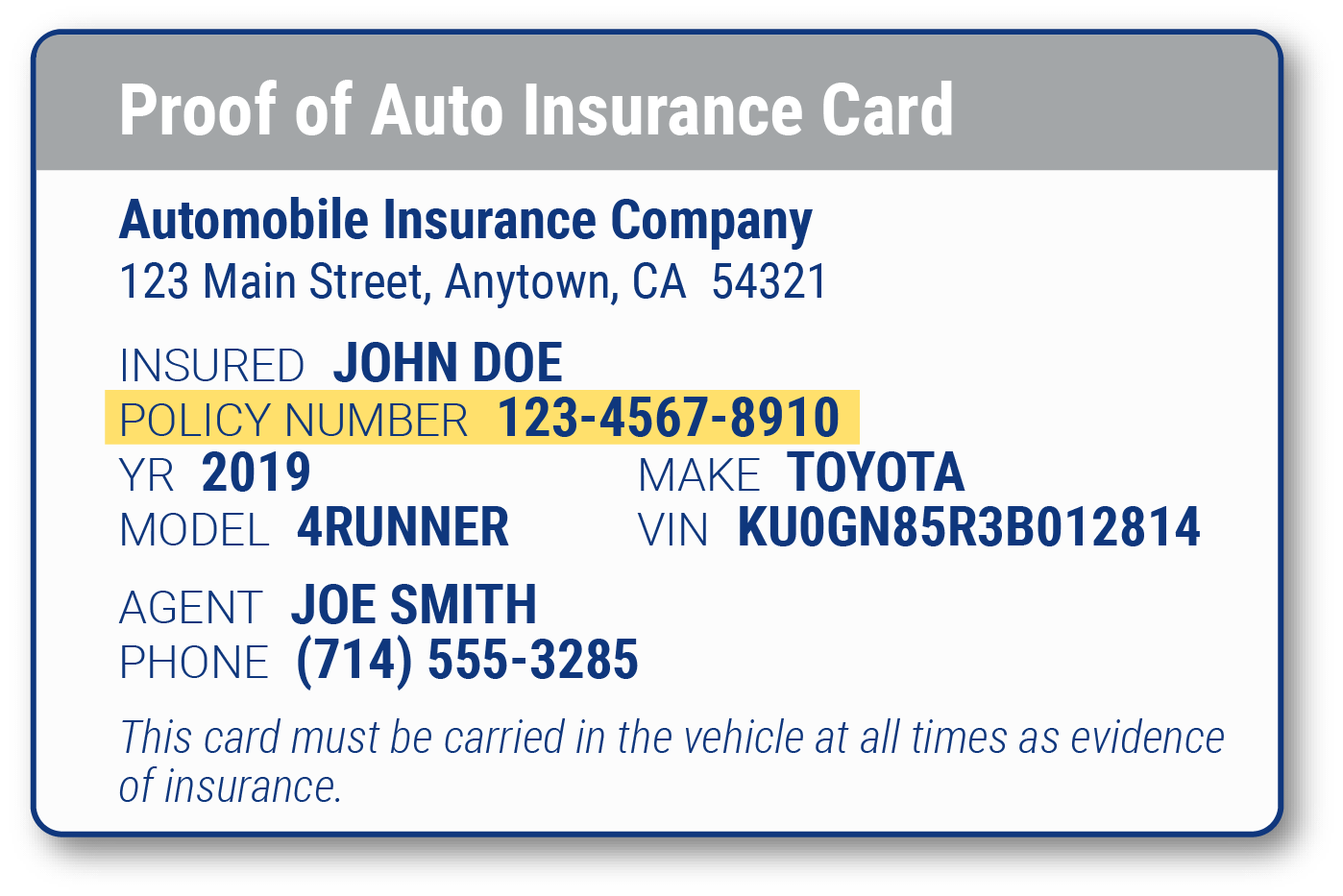
Insurance premiums require regular financial transactions. Reviewing past bank statements, credit card bills, and canceled checks for recurring payments is a reliable method for identifying active or lapsed policies. Look for monthly, quarterly, or annual debits from insurance carriers, brokers, or third-party premium financing companies. Even if a statement is several months old, the name of the company and the policy number format are often listed in the transaction description.
Tax Returns
Federal and state income tax returns frequently contain references to insurance policies. Itemized deductions in past years may include medical expenses, while self-employed individuals often deduct business liability or health insurance premiums. Furthermore, if you are looking for life insurance with a cash value component or annuities that generate taxable interest or dividends, those financial instruments must be reported to tax authorities, leaving a paper trail in past filings.
Physical Documents and Safe Deposit Boxes
Thoroughly search filing cabinets, home safes, desks, and storage units for physical policy booklets, billing notices, annual statements, or agent business cards. Do not overlook safe deposit boxes at banks. While accessing a deceased person's safe deposit box may require legal authorization such as letters testamentary or a court order, checking your own safe deposit box often reveals long-forgotten certificates of insurance or title deeds tied to property coverage.

Step 2: Utilize Employer and Professional Association Records
Many insurance policies—particularly life, health, disability, and accidental death and dismemberment coverage—are provided as employee benefits. If the insured person was employed at any point by a medium to large corporation, government agency, or educational institution, workplace records are vital to the search.
Human Resources and Benefit Administrators
Contact the human resources (HR) or benefits department of current and former employers. Even if the individual left the company years ago, HR departments maintain historical records regarding group life insurance policies, supplemental coverage options, and pension plans. In many cases, group life insurance policies terminate upon employment separation unless successfully converted to individual policies, but administrative records will confirm whether a policy existed during the tenure of employment.
Labor Unions and Trade Associations
Professional organizations, trade unions, and alumni associations frequently offer group insurance programs as a member benefit. If the policyholder belonged to a professional guild, labor union, or collegiate association, reaching out to the membership administrator can uncover sponsored life, professional liability, or disability insurance policies.
Step 3: Search State and Regulatory Databases
When direct personal and professional records fail to yield results, public registries and state regulatory bodies offer tools designed to locate unclaimed property, dormant policies, and authorized insurers.
State Unclaimed Property Offices
When insurance companies lose contact with a policyholder or beneficiary and cannot deliver a payout or mature cash value, state laws require them to transfer these funds to the state’s unclaimed property division. Every U.S. state maintains an online database where individuals can search for unclaimed funds, including insurance policy payouts, matured endowments, and uncashed premium refunds. Searching databases such as MissingMoney.com or individual state controller websites allows you to query names for held assets.
State Insurance Departments
Every U.S. state operates a Department of Insurance (DOI) that regulates licensed insurance companies operating within its borders. While state DOIs generally do not maintain a centralized database of every individual active policy due to privacy regulations, they can confirm whether a specific insurance company is licensed in the state, assist with consumer complaints, or direct policyholders to consumer assistance bureaus.
The National Association of Insurance Commissioners (NAIC) Life Insurance Policy Locator
For life insurance and annuity contracts specifically, the NAIC provides a secure online Life Insurance Policy Locator service. This nationwide tool helps consumers find life insurance policies and retained asset accounts of a deceased family member or for themselves if they are the policyholder. Users submit a formal request with required documentation (such as a death certificate for deceased searches), and the NAIC securely transmits the search request to participating insurance companies, which then respond directly if a matching record is found.
| Search Method | Primary Use Case | Required Information | Turnaround Time |
|---|---|---|---|
| Personal Financial Review | Finding active or recent policies | Bank statements, tax returns | Immediate to a few days |
| Employer HR Inquiry | Locating employer-provided group coverage | Employment dates, employee ID | Days to weeks |
| NAIC Policy Locator | Finding deceased or lost life insurance | Social Security Number, death certificate | 30 to 90 days |
| State Unclaimed Property | Recovering dormant funds or payouts | Full legal name, previous addresses | Varies by state |
| Direct Insurer Inquiry | Verifying specific carrier records | Policyholder details, identification | Days |
Step 4: Check Financial Institutions, Mortgage Lenders, and Legal Filings
Insurance policies are frequently bundled with or required by third-party financial institutions and legal agreements. Examining these relationships can uncover hidden coverage.
Mortgage Lenders and Escrow Accounts
Homeowners insurance and private mortgage insurance (PMI) are mandatory requirements for residential real estate loans. If you are trying to find a homeowners policy for a specific property, contact the mortgage lender or servicing bank. Their escrow analysis records will identify the insurance carrier utilized to fund the policy attached to the real estate title.
Estate Planning Documents and Wills
If you are searching for an insurance policy on behalf of a deceased individual, review their will, trust documents, and any estate planning files prepared by an attorney. Estate attorneys frequently maintain copies of life insurance policies, buy-sell agreements funded by insurance, or trust documents naming specific insurance policies as assets.
Direct Contact with Major Insurers
If you have narrowed down potential insurers through historical clues but lack a policy number, contacting major insurance carriers directly with identifying information (such as a Social Security number, previous addresses, and date of birth) can sometimes prompt a records search by their customer service departments, provided you have the legal right to request the information.
Common Mistakes to Avoid When Searching for Insurance
Navigating the insurance search process involves several potential pitfalls that can delay your progress or compromise your privacy.
- Ignoring privacy and legal authority requirements: Insurance companies and regulatory bodies will not disclose policy details to unauthorized individuals. When searching on behalf of another person, ensure you possess the necessary power of attorney, executor status, or legal standing before requesting records.
- Falling for paid search scams: Numerous third-party websites charge fees to search for lost insurance policies or unclaimed funds. Official state databases, the NAIC policy locator, and unclaimed property websites are entirely free to use. Avoid services requiring upfront payment to find lost policies.
- Overlooking name variations: Past legal name changes, maiden names, or common misspellings on historical documents can cause searches to return zero results. Always search using all known aliases and previous legal names.
- Discarding expired or lapsed paperwork: Even expired policy documents contain vital carrier contact numbers, policy format structures, and historical account numbers that assist customer service representatives in tracing older records.
Frequently Asked Questions
What should I do if I cannot find a physical copy of my insurance policy?
You do not necessarily need a physical copy to prove coverage. Contact your insurance agent or the carrier's customer service department directly. They can verify your active status, confirm your coverage limits, and issue duplicate policy documents via email or through an online client portal.
Can I find a life insurance policy for a deceased relative without their Social Security number?
While having the Social Security number significantly accelerates the search and is required by the NAIC policy locator, you can still search state unclaimed property databases using a full legal name and previous residential addresses. However, verifying coverage with private insurers without a Social Security number or legal executor status is extremely difficult due to strict consumer privacy laws.
How long do insurance companies keep records of canceled or lapsed policies?
Insurance companies are generally subject to state regulatory record-retention laws and internal corporate governance policies that require them to archive records for varying lengths of time—often ranging from five to seven years for standard property and casualty lines, and indefinitely for permanent life insurance policies and annuities.
Is there a fee to use the NAIC Life Insurance Policy Locator?
No. The NAIC Life Insurance Policy Locator service is provided free of charge to consumers by state insurance commissioners and participating insurance companies.
What information do I need before contacting an insurance company?
Be prepared to provide the full legal name of the insured, date of birth, current and previous residential addresses covering the timeframe in question, Social Security number, and any known policy numbers or dates of potential coverage. If inquiring about a deceased person, a certified copy of the death certificate is usually mandatory.
Conclusion and Next Actions
Finding an insurance policy requires methodically tracing financial footprints, leveraging employer history, and utilizing official regulatory tools such as state unclaimed property registries and the NAIC locator. Start your search by gathering all personal financial statements and tax documents, then systematically expand outward to institutional records and state databases. Verify your legal authority if searching on behalf of someone else, and utilize free official channels to avoid unnecessary fees. By following this structured protocol, you can successfully uncover hidden coverage, recover unclaimed funds, and secure financial protection.
Image Gallery
Select an image to open it in a new tab.



Akira Tanaka
International Academic Trends Correspondent
