
In 2026, the average cost for a single cycle of in vitro fertilization (IVF) in the United States typically ranges from $15,000 to $25,000. This baseline usually includes clinical monitoring and the retrieval procedure, but does not traditionally account for fertility medications, which can add an additional $4,000 to $7,000 to the total expenditure.
Navigating the financial landscape of reproductive medicine requires a granular understanding of how clinics structure their billing. For many intended parents, the "sticker price" quoted during an initial consultation is merely the foundation of a much larger financial commitment. Because success rates for a single cycle vary based on age and underlying health conditions, many patients find themselves undergoing two or three cycles, potentially bringing the total investment well above $50,000.
Medical and Financial Disclaimer: This article is for informational purposes only and does not constitute medical or financial advice. Fertility treatments involve significant health and financial risks. Always consult with a board-certified reproductive endocrinologist and a financial advisor before proceeding with treatment.
The Components of a Standard IVF Cycle Fee
When a clinic quotes a price for a "standard IVF cycle," they are generally referring to the medical services performed within their facility. It is essential to distinguish between the clinical fee and the variable costs associated with outside laboratories or pharmacies.
Clinical Monitoring and Bloodwork
Throughout the first half of an IVF cycle, the patient undergoes frequent monitoring to track the development of ovarian follicles. This involves multiple transvaginal ultrasounds and blood draws to measure hormone levels (specifically estradiol, progesterone, and LH). In 2026, these monitoring appointments can cost between $2,500 and $5,000 if billed individually, though they are usually bundled into the cycle fee.
The Ovarian Retrieval Procedure
The retrieval is a surgical procedure performed under conscious sedation or general anesthesia. The costs here include the physician’s fee, the surgical suite fee, and the anesthesiologist's fee. In many modern clinics, the anesthesia fee is billed separately by a third-party provider, often ranging from $500 to $1,000.
Laboratory Fertilization and Culture
Once eggs are retrieved, they are transferred to the embryology lab. The standard cost covers the processing of sperm, the fertilization of the eggs, and the culture of the resulting embryos for three to five days. High-complexity labs with advanced filtration and incubation technology may charge a premium, as the environment in which the embryos grow is critical to their viability.
The Variable Burden: Fertility Medications
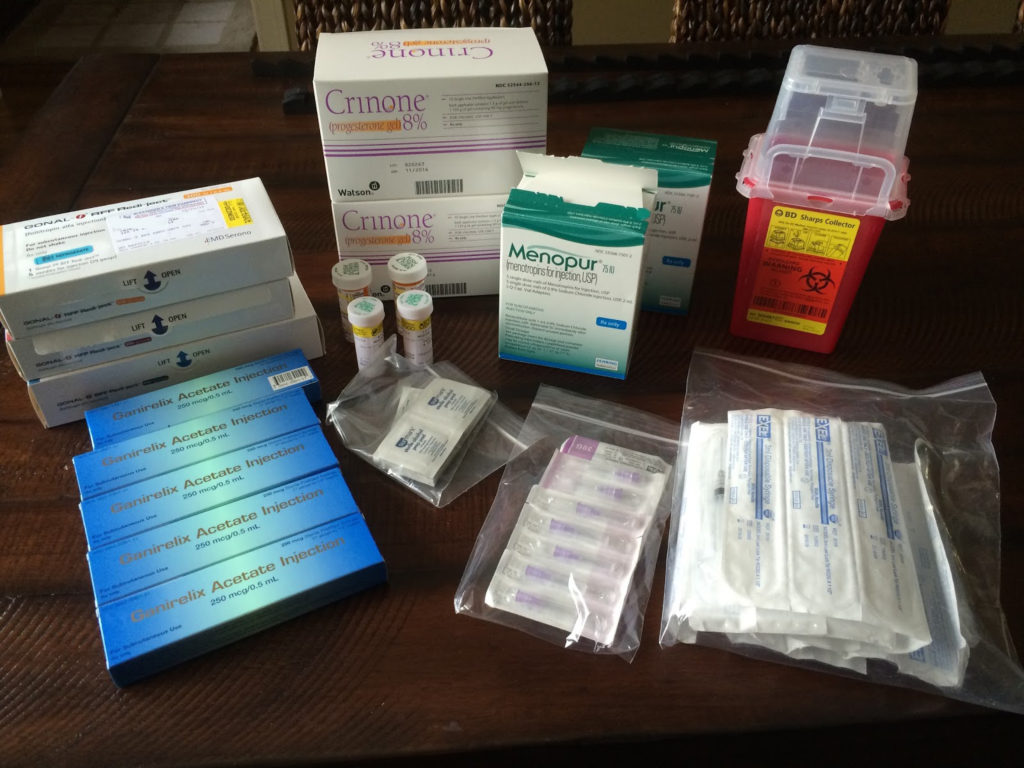
Medications represent the most significant "hidden" cost in the IVF process because they are rarely sold through the fertility clinic itself. Instead, they are purchased through specialized specialty pharmacies.
The cost of medications is highly individualized. A patient with a high ovarian reserve may require lower doses of follicle-stimulating hormone (FSH), whereas an older patient or one with diminished ovarian reserve may require maximum dosages, significantly increasing the price.
- Stimulation Medications: These include gonadotropins (such as Gonal-f or Follistim) and are the most expensive, often costing $3,000 to $6,000 per cycle.
- Suppression and Trigger Meds: Drugs used to prevent premature ovulation (like Cetrotide or Ganirelix) and the final "trigger shot" (hCG or Lupron) add roughly $500 to $1,200.
- Post-Transfer Support: Progesterone (oil injections or vaginal inserts) and estrogen supplements are used to support the uterine lining. These are relatively affordable but essential, costing between $200 and $800.

Advanced Add-ons and Technological Variables
In 2026, the "standard" IVF cycle is often augmented by specialized technologies designed to increase the probability of a live birth. While these can improve outcomes, they also increase the financial burden.
Intracytoplasmic Sperm Injection (ICSI)
ICSI is a procedure where a single healthy sperm is injected directly into a mature egg. Originally designed for cases of male-factor infertility, it is now used in a majority of IVF cycles to ensure fertilization. The cost for ICSI typically adds $1,500 to $3,000 to the cycle fee.
Preimplantation Genetic Testing (PGT)
PGT involves biopsying a few cells from a five-day-old embryo (blastocyst) to check for chromosomal abnormalities (PGT-A) or specific genetic disorders (PGT-M).
- PGT-A: Often used to reduce the risk of miscarriage and ensure the transfer of "euploid" (chromosomally normal) embryos. Costs range from $3,000 to $6,000, which includes the biopsy fee and the external lab analysis.
- Embryo Freezing and Storage: Because PGT results take time, all embryos must be frozen (cryopreservation). This adds $1,000 to $2,000 for the initial freeze and an annual storage fee of $600 to $1,000.
Frozen Embryo Transfer (FET)
In modern practice, many physicians prefer "freeze-all" cycles to allow the patient’s body to recover from stimulation hormones. This necessitates a separate procedure later to thaw and transfer the embryo. A Frozen Embryo Transfer in 2026 costs between $4,000 and $6,000 per attempt.
Geographic Price Variations Across the United States
The cost of IVF is not uniform across the country. Like real estate, the price of fertility care is heavily influenced by the local cost of living, labor costs for specialized embryologists, and the density of competition.
- Major Metropolitan Hubs: In cities like New York, San Francisco, and Boston, a single cycle (including meds and PGT) can easily exceed $30,000. These regions benefit from high-tech labs but suffer from high overhead costs.
- The "Fertility Tourism" Regions: States like Arizona, Nevada, and parts of Florida have seen the rise of "high-volume, low-cost" centers. These clinics may offer base IVF cycles for $8,000 to $10,000, though add-ons are often priced more aggressively to compensate.
- The Midwest and South: Prices in these regions tend to stay closer to the national average of $18,000 to $22,000 for a full cycle with medications.
| Component | Estimated Cost Range (2026) | Notes |
|---|---|---|
| Basic IVF Cycle Fee | $12,000 – $16,000 | Includes monitoring, retrieval, and transfer. |
| Fertility Medications | $4,000 – $7,000 | Varies based on dosage and pharmacy. |
| ICSI (Fertilization) | $1,500 – $3,000 | Recommended for male factor or low egg yield. |
| PGT-A (Genetic Testing) | $3,500 – $6,000 | Includes biopsy and lab fees for up to 8 embryos. |
| Anesthesia Fee | $500 – $1,000 | Usually paid to a third-party provider. |
| Embryo Cryopreservation | $1,000 – $1,500 | Includes the first year of storage. |
| Annual Storage Fee | $600 – $1,000 | Recurring cost for frozen embryos/sperm. |
Insurance Mandates and Coverage in 2026
The single most significant factor in a patient’s out-of-pocket cost is insurance coverage. As of 2026, approximately 21 states have passed fertility insurance mandates, but these laws are not created equal.
State Mandates
Some states, such as Massachusetts, Illinois, and New Jersey, have robust "mandates to cover," requiring most insurance plans to pay for a certain number of IVF cycles. Other states have a "mandate to offer," which only requires insurance companies to offer the option of fertility coverage to employers, who may or may not choose to include it in their benefits package.
Employer-Provided Benefits
A growing trend among Fortune 500 companies and tech firms is the use of specialized fertility benefit managers like Progyny or Carrot Fertility. These programs often provide "bundles" or "smart cycles" that cover the majority of costs, including medications and genetic testing, significantly reducing the financial barrier for employees.
Navigating Out-of-Network Costs
If your insurance covers "infertility diagnosis and treatment," it may only cover the initial diagnostic bloodwork and ultrasounds, while excluding the IVF procedure itself. It is vital to obtain a written "Summary of Benefits" and verify if the clinic is in-network. Even with insurance, co-pays and co-insurance for expensive specialty drugs can still total several thousand dollars.
Financial Assistance, Grants, and Refund Programs
For those without insurance coverage, several financial vehicles exist to help manage the high cost of treatment.
Shared Risk or Refund Programs
Many clinics offer "money-back guarantees" or shared risk programs. In these arrangements, a patient pays a higher upfront fee (often $25,000 to $35,000) for multiple cycles. If the patient does not achieve a live birth (or a clinical pregnancy, depending on the contract), a significant portion of the fee—usually 50% to 100%—is refunded. These programs often have strict eligibility requirements regarding age and medical history.
Fertility Financing and Loans
Specialized medical lending companies, such as CapexMD or Prosper Healthcare Lending, offer loans specifically for fertility treatments. While these make the cost more manageable through monthly payments, the interest rates can be high, potentially adding thousands of dollars to the long-term cost of the procedure.
Non-Profit Grants
Organizations like RESOLVE: The National Infertility Association provide resources for finding fertility grants. These are highly competitive but can provide $5,000 to $15,000 toward treatment for families who meet specific financial and medical criteria.
Common Mistakes and Hidden Expenses
The complexity of IVF billing often leads to unexpected expenses that can derail a household budget.
- Diagnostic Testing: Before IVF begins, both partners must undergo testing (HSG, semen analysis, infectious disease screening). These can cost $1,000 to $2,000 and are often not included in the IVF cycle quote.
- Cancelled Cycles: If the ovaries do not respond to medications, the cycle may be cancelled before retrieval. While the clinic may refund the retrieval portion of the fee, the $5,000 spent on medications is non-refundable.
- Complications: While rare, complications like Ovarian Hyperstimulation Syndrome (OHSS) can lead to hospitalization. Patients should ensure their general health insurance covers complications arising from elective procedures.
Frequently Asked Questions
Is the cost of IVF tax-deductible?
In many cases, yes. According to the IRS, medical expenses that exceed 7.5% of your adjusted gross income (AGI) may be deductible. This includes the cost of IVF, fertility medications, and even travel for treatment. However, you must itemize your deductions to claim this benefit. It is essential to keep every receipt and consult a tax professional.
Why are fertility medications so expensive?
Fertility drugs are complex biologic medications. They are often synthesized using recombinant DNA technology to mimic human hormones like FSH and LH. The high cost reflects the research and development, specialized manufacturing processes, and the limited number of pharmaceutical companies that produce them.
Does the cost change if I use a donor?
Yes, significantly. Using donor eggs can add $15,000 to $30,000 to the total cost. This includes the donor’s compensation, their medical screening, their legal fees, and their own cycle of medications. Using donor sperm is more affordable, typically costing $1,000 to $2,000 per vial from a reputable sperm bank.
How many cycles of IVF are usually needed?
While some are successful on their first attempt, the cumulative success rate increases over multiple cycles. On average, women under 35 have a roughly 50-60% chance of a live birth per embryo transfer, while for women over 40, that rate may drop below 10-15% without donor eggs. Consequently, the "real" cost of IVF for many is the cost of two or three cycles.
Are there lower-cost alternatives to IVF?
Intrauterine Insemination (IUI) is a common first step. It is much less invasive and costs between $500 and $2,000 per cycle. However, its success rates are significantly lower (roughly 10-20% per cycle) than IVF. Another option is "Mini-IVF," which uses lower doses of medications and can cost roughly 30-40% less than a standard cycle, though it yields fewer eggs.
Practical Recommendations for Intended Parents
If you are considering IVF in 2026, the first step should be a thorough financial audit of your insurance policy and savings. Request a "Financial Clear" document from your chosen clinic before signing any contracts; this document should explicitly list what is included and what is considered an "add-on."
Compare multiple clinics, but do not choose based on price alone. A cheaper clinic with a lower success rate may end up costing more in the long run if it requires more cycles to achieve a pregnancy. Look for clinics that report their data to the Society for Assisted Reproductive Technology (SART), as this ensures transparency in their success metrics.
Image Gallery
Select an image to open it in a new tab.



Zara El-Hashem
Sociocultural Dynamics and Academics Writer
