The Changing Role of Opie on The Andy Griffith Show: A Journey from Childhood to Adolescence
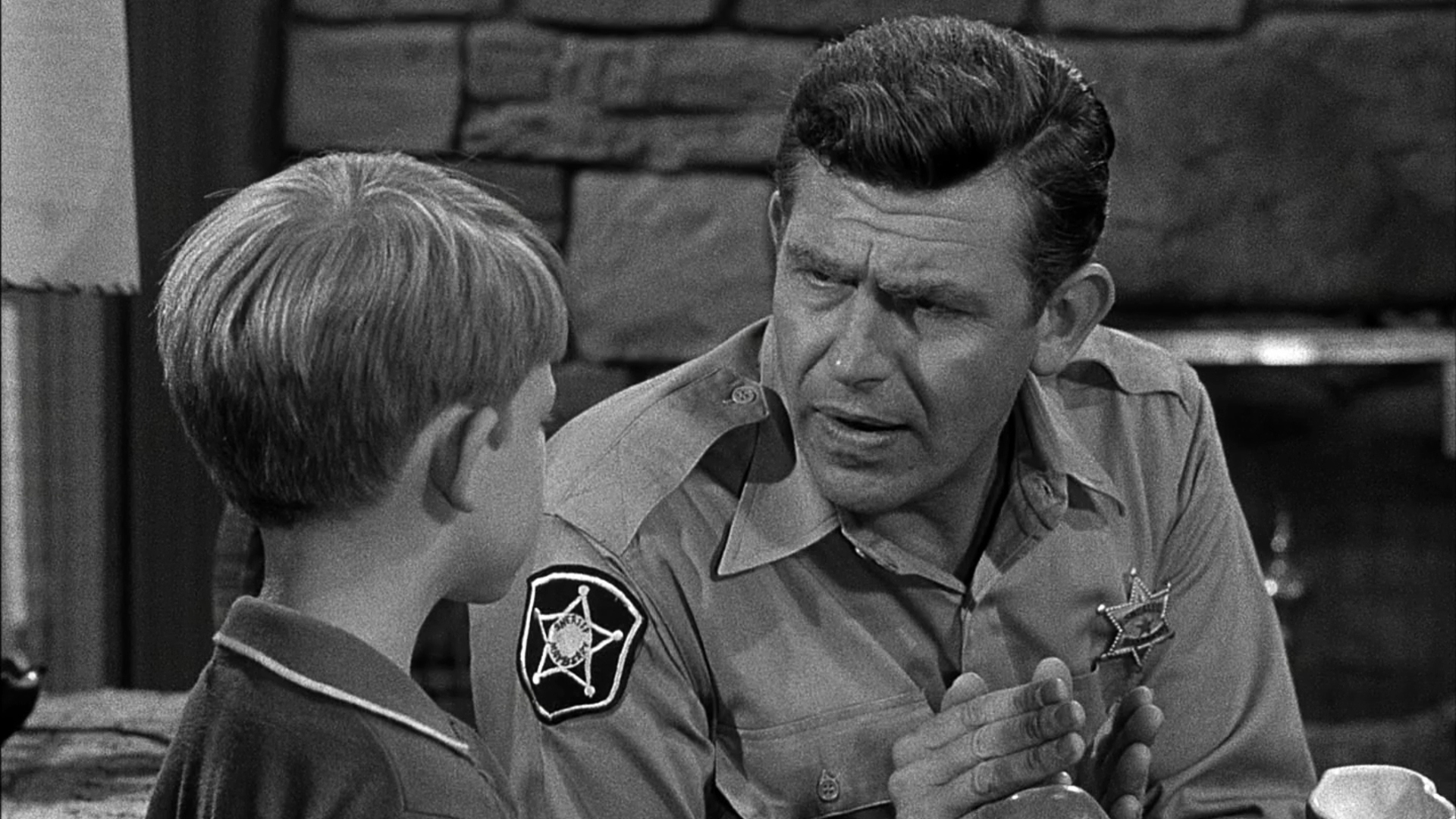
Opie Taylor’s role on The Andy Griffith Show evolved from a precocious toddler requiring constant moral instruction to a principled, independent young man who often mirrored his father's integrity. This transformation, occurring across eight seasons and 249 episodes, remains one of the most authentic portrayals of childhood development in television history.
The Genesis of a Mayberry Icon
When The Andy Griffith Show premiered in 1960, Opie Taylor, portrayed by a six-year-old Ronny Howard, was introduced as a typical, albeit somewhat stubborn, young boy. In the pilot episode (which originally aired as a segment of The Danny Thomas Show), Opie is seen protesting his father’s decision to marry a woman he doesn’t like. This established the foundational dynamic of the series: a widowed father, Sheriff Andy Taylor, navigating the complexities of single parenthood in the fictional, idyllic town of Mayberry, North Carolina.
In the earliest seasons, Opie’s role was primarily that of a "learner." He served as the catalyst for the show’s moral lessons. Episodes often revolved around Opie making a mistake—lying about a bird he accidentally killed, struggling with schoolwork, or succumbing to peer pressure—and Andy providing the gentle, firm guidance necessary to correct his path. Unlike many child characters of the 1960s who were either overly sugary or bratty for comedic effect, Opie was written with a grounded realism. His evolution was not just about physical growth, but about the gradual acquisition of a moral compass.
The Formative Black-and-White Years (Seasons 1–5)
The first five seasons, filmed in black and white, are often cited by critics as the creative pinnacle of the series. During this era, Opie’s role transitioned from a dependent child to a thoughtful observer of the world around him.
The Lesson of Responsibility: "Opie the Birdman"
The Season 4 episode "Opie the Birdman" is frequently highlighted as the definitive turning point for the character. After accidentally killing a mother bird with a slingshot, Opie is forced by Andy to care for the orphaned fledglings. The episode concludes with a poignant scene where Opie releases the grown birds. When he remarks that the cage looks "awful empty," Andy responds, "Yes, but don't the trees look nice and full?"
This moment signaled a shift in Opie’s role. He was no longer just a recipient of rules; he was learning the weight of consequences and the beauty of sacrifice. From this point forward, the writers began to give Opie more agency. He started to exhibit a sense of justice that rivaled the adults in Mayberry, sometimes even pointing out the hypocrisy of the town’s elders in a quiet, respectful manner.
The Influence of Aunt Bee and Barney Fife
While Andy was the primary authority figure, Opie’s role was also shaped by his interactions with Aunt Bee and Deputy Barney Fife. Aunt Bee provided the traditional maternal nurturing that balanced Andy’s stoicism. Her presence allowed Opie to remain a "child" longer, indulging his need for comfort and home-cooked meals.
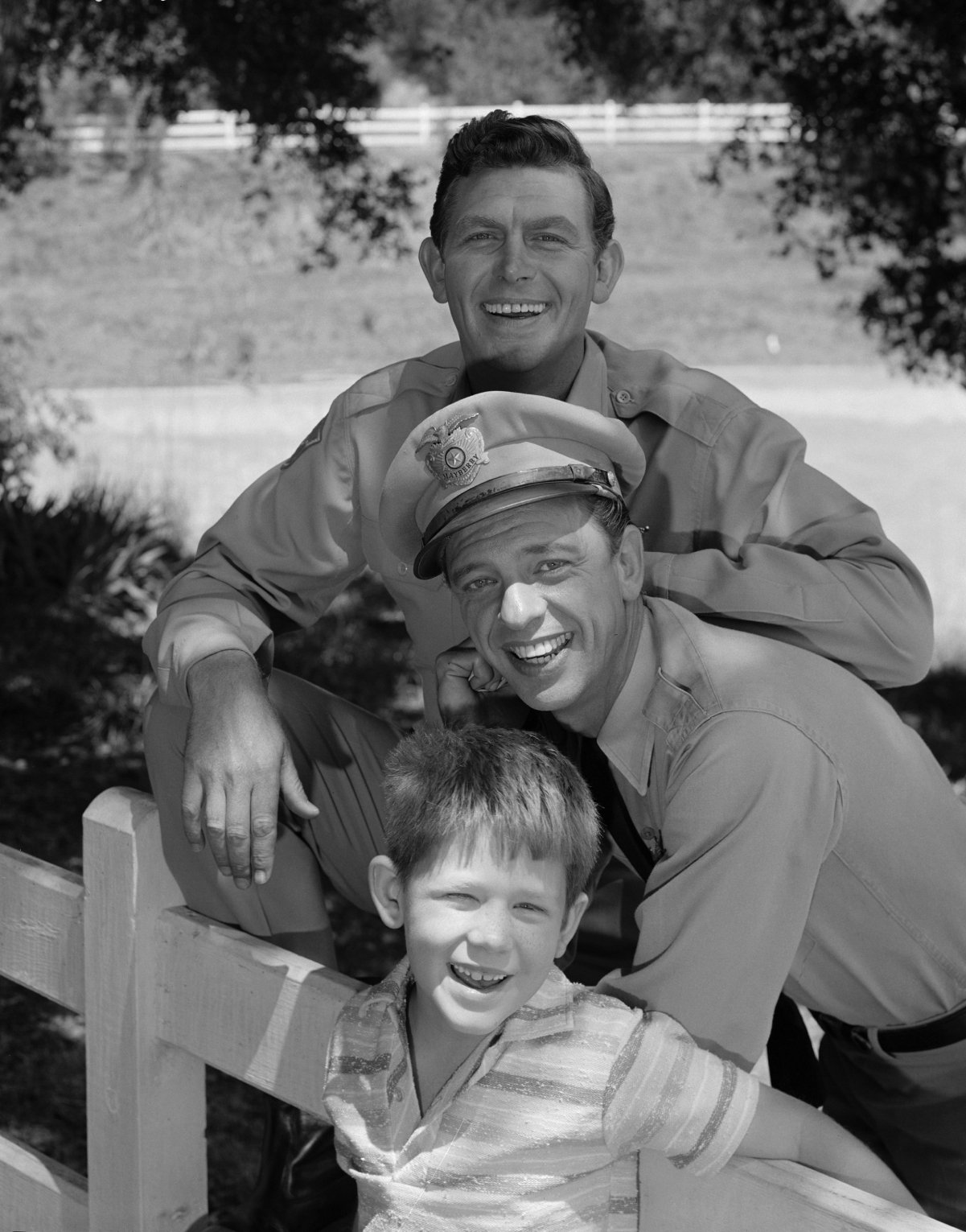
Conversely, Barney Fife served as a surrogate older brother or an "unreliable" uncle. Opie often observed Barney’s neuroses and blunders with a mixture of amusement and confusion. This dynamic was crucial because it allowed Opie to see that adults were flawed. By witnessing Barney’s constant need for validation, Opie began to internalize his father’s quiet confidence as the superior way to move through the world.

The Transition to Technicolor and Adolescence (Seasons 6–8)
In 1965, The Andy Griffith Show transitioned to color, and Ron Howard entered his own adolescence. The change in the character of Opie was stark and unavoidable. His voice deepened, his stature grew, and the nature of his problems shifted from childhood whimsy to the complexities of the teenage years.
Independence and the "Man-to-Man" Dynamic
During the later seasons, the "man-to-man" talks between Andy and Opie evolved. No longer was Andy sitting Opie on his lap; they were often standing side-by-side or walking through the woods as equals. Opie’s role became that of a maturing citizen of Mayberry. He took on part-time jobs, dealt with the pressures of dating, and even joined a rock and roll band in the episode "Opie’s Group."
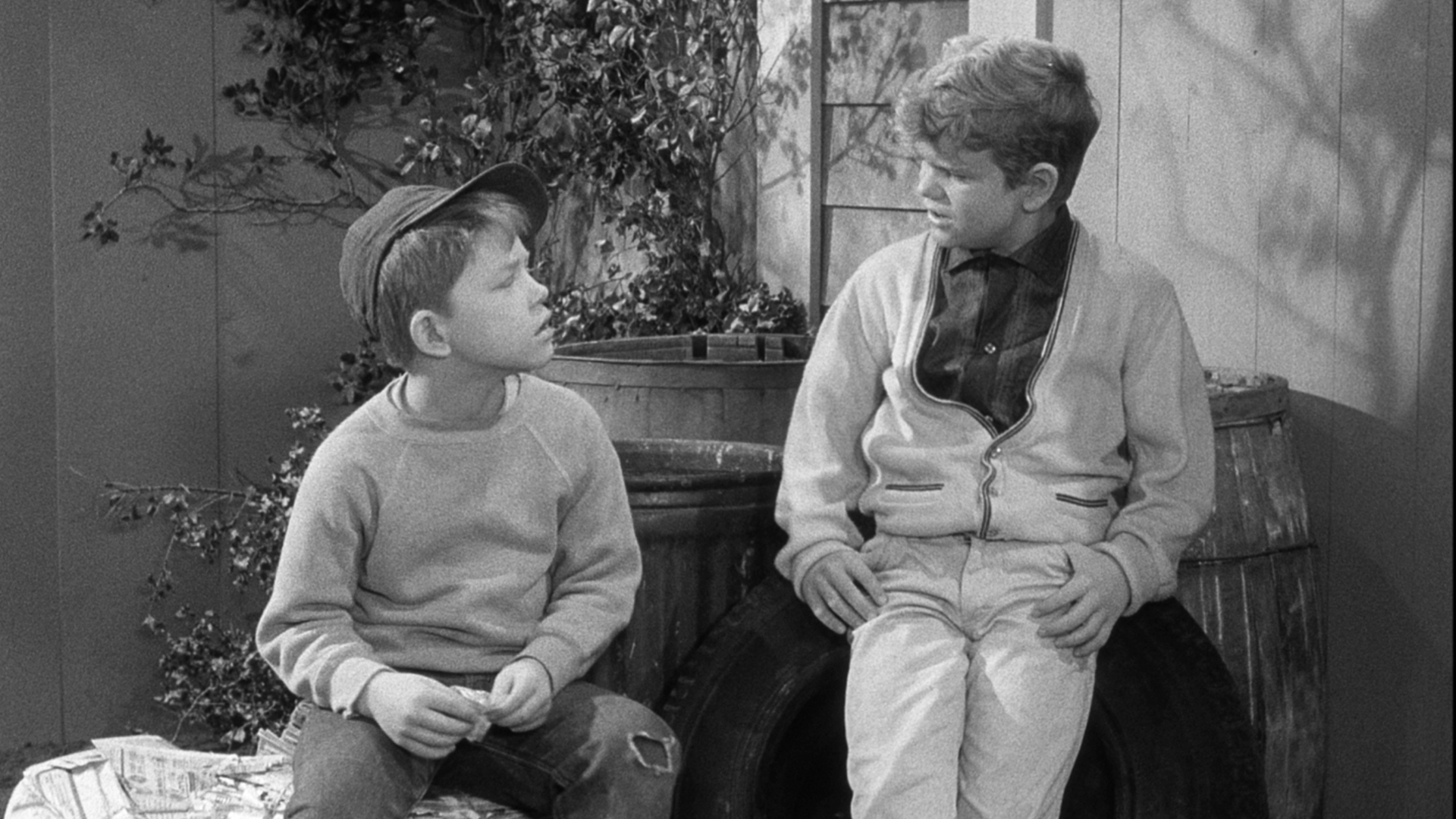
This period reflected the real-world cultural shifts of the late 1960s. While Mayberry remained an insulated bubble, Opie’s interests in music and modern social dynamics hinted at a changing America. However, the core of the character remained steadfast. Even as a teenager, Opie retained the integrity instilled in him during the earlier years. He became the "voice of reason" among his peers, often being the one to de-escalate conflicts or stand up for the "underdog" in school.
The Shift in Narrative Focus
As Ron Howard became a more seasoned actor, the writers trusted him with heavier subplots. In the later seasons, Opie was often the protagonist of his own B-stories that ran parallel to Andy’s sheriff duties. We saw him navigate the ethics of finding a lost wallet or dealing with a school bully without running immediately to his father for help. This represented the ultimate goal of Andy’s parenting: the creation of a self-reliant individual.
Comparative Growth Milestones of Opie Taylor
To understand how significantly the role changed, it is helpful to look at the thematic progression across the decade. The following table outlines the key stages of Opie's development.
| Phase | Seasons | Typical Age | Primary Role/Theme | Landmark Episode |
|---|---|---|---|---|
| Early Childhood | 1–2 | 6–8 | Moral instruction; learning to respect authority and Aunt Bee. | "The New Housekeeper" |
| The Moral Awakening | 3–5 | 9–11 | Developing empathy and understanding the weight of personal responsibility. | "Opie the Birdman" |
| The Transition | 6 | 12 | Navigating the early stages of puberty and shifting interests. | "Opie's Job" |
| Early Adolescence | 7–8 | 13–14 | Asserting independence; acting as a moral peer to the adults. | "Opie's Group" |
| Young Adulthood | Mayberry R.F.D. | 15+ | Transitioning toward leaving the nest for college/career. | "The Senior Play" |
The Enduring Legacy of the Andy-Opie Relationship
The changing role of Opie is inseparable from the evolution of the father-son bond. Television historians often note that The Andy Griffith Show was one of the first programs to depict a father who wasn't just a disciplinarian or a bumbling figurehead. Andy was a teacher, and Opie was his most successful "case."
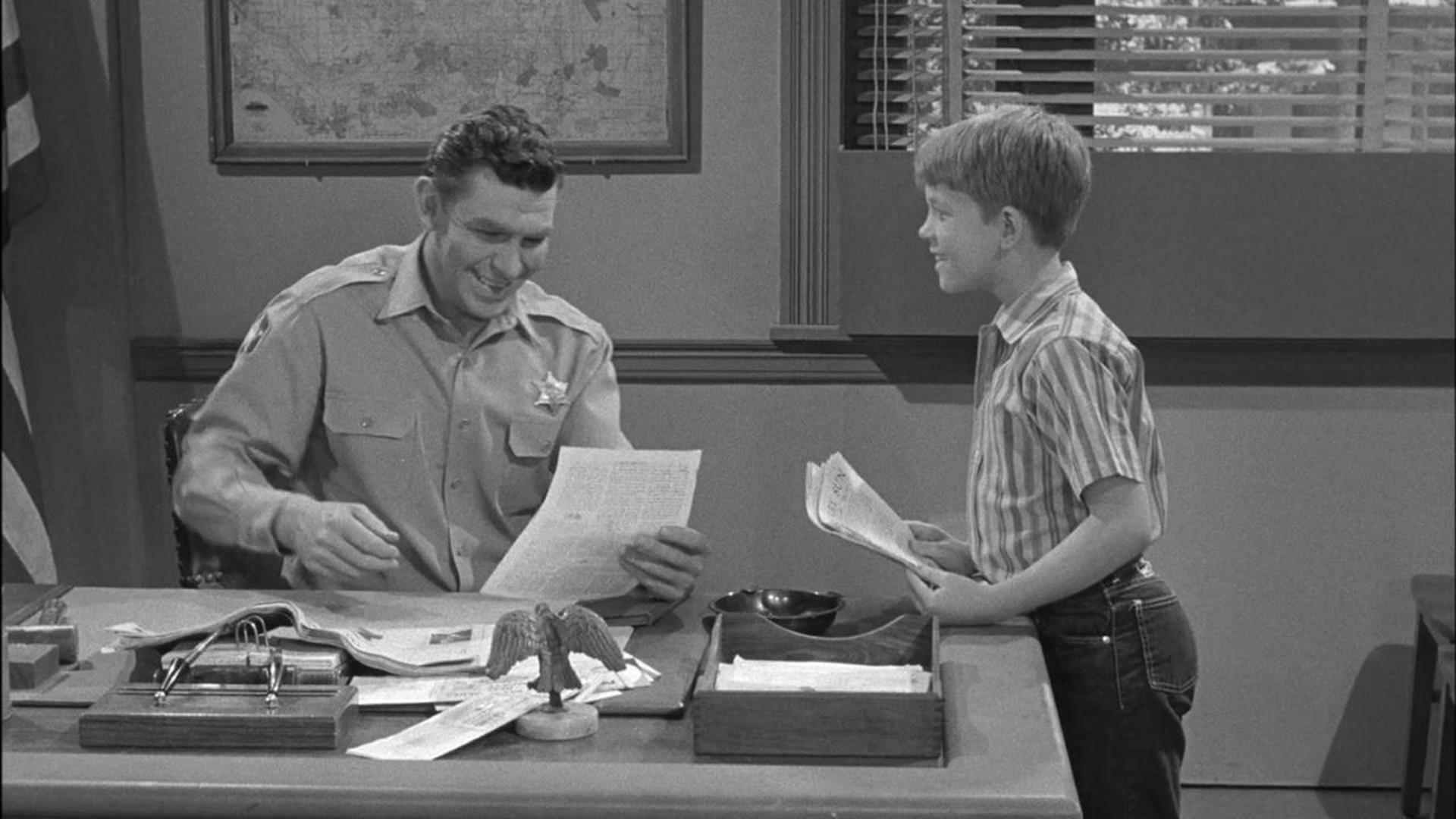
By the end of the series in 1968, the role of Opie had come full circle. He was no longer the boy who needed a "lesson of the week." Instead, he had become a reflection of the town’s best qualities. When the spin-off Mayberry R.F.D. began, and later in the 1986 television movie Return to Mayberry, we see Opie as an adult, a father himself, and a successful newspaper editor. This trajectory felt earned because viewers had watched every awkward step of his maturation.
Impact on Television Standards
The way Opie grew up on screen set a standard for "coming-of-age" storytelling. Writers for future shows like The Wonder Years or Boy Meets World looked to the Andy-Opie dynamic as a blueprint for how to handle a child actor’s natural aging process. Instead of replacing the actor or keeping the character in a state of arrested development, the show embraced the change, making the passage of time a central theme of the narrative.
Behind the Scenes: Ron Howard’s Influence
It is impossible to discuss the changing role of Opie without acknowledging the talent of Ron Howard. Unlike many child stars who struggled with the pressures of fame, Howard was known for his professionalism and his desire to learn the technical aspects of filmmaking even as a boy.
This professional maturity likely influenced how the writers handled Opie. Knowing that Howard could handle sophisticated dialogue and emotional nuance allowed the writers to "age up" the character’s problems. By the time the series ended, Howard was already looking toward a future in directing, a path that mirrored Opie’s own journey toward mastery and leadership.
Frequently Asked Questions
Why did Opie’s personality seem to change in the later color seasons?
The change in Opie’s personality was primarily a result of the natural aging process of Ron Howard. As Howard entered his teens, the writers moved away from the "cute" dialogue of a child and toward the more reserved, thoughtful demeanor of an adolescent. Additionally, the departure of Don Knotts (Barney Fife) after Season 5 changed the show's chemistry, requiring Opie to step into a more prominent role as a supporting lead rather than just a child character.
Did Opie Taylor have any siblings?
No, Opie was an only child. This was a significant part of his character arc, as it necessitated the deep, singular bond he shared with his father, Andy. His status as an only child also explained his close relationships with surrogate family members like Aunt Bee and Barney.
What happened to Opie's mother?
The show established very early on that Opie’s mother had passed away when he was "the least little speck of a baby." While her name is never mentioned in the series, her absence is what defined the household structure and made the role of Aunt Bee so vital to Opie's upbringing.
Did Ron Howard play Opie in the spin-off Mayberry R.F.D.?
Yes, Ron Howard reprised his role as Opie in several episodes of Mayberry R.F.D. (1968–1971). In these appearances, he is shown as a teenager navigating high school, further cementing the character’s growth beyond the original series.
How did the relationship between Andy and Opie change after the show ended?
In the 1986 reunion movie, Return to Mayberry, the relationship had evolved into one of mutual respect between two adults. Opie was depicted as a husband and an expectant father, seeking his father's advice one last time before stepping into the role of a patriarch himself. This provided a definitive and satisfying conclusion to the character's 26-year arc.
Recommendation for Modern Viewers
To fully appreciate the changing role of Opie, modern viewers should watch the series chronologically rather than in random syndication. Observing the subtle shifts in Season 3 and 4—where the dialogue moves from "Yes, Pa" to more complex inquiries about life—offers a masterclass in character development. Pay close attention to the "woods scenes" at the beginning of the episodes; the physical change in how Andy and Opie walk together serves as a perfect visual metaphor for Opie’s journey from a follower to a man capable of walking his own path.
Image Gallery
Select an image to open it in a new tab.




Akira Tanaka
International Academic Trends Correspondent
