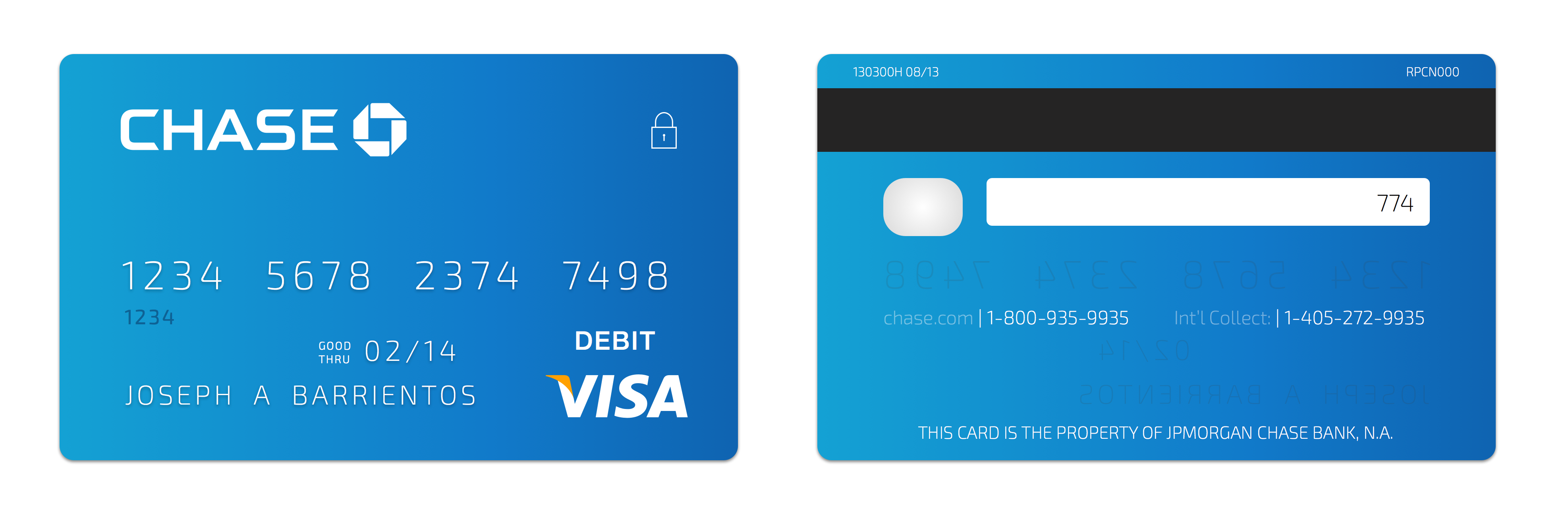
A debit card number functions as a unique identifier that routes financial data through global payment networks using the ISO/IEC 7812 standard. Each digit serves a specific purpose: identifying the card network, the issuing bank, and the individual account, while the final digit uses the Luhn algorithm to verify the number’s mathematical validity before a transaction is even processed.
In the fast-paced financial landscape of 2026, the humble 16-digit (or sometimes 19-digit) string on your debit card remains the primary bridge between your personal bank account and the global economy. While consumers often view these digits as a random sequence, they are actually the result of rigorous international standards and complex mathematical logic. Understanding how these numbers function requires looking at the interplay between regulatory frameworks, cryptographic verification, and the infrastructure of payment gateways.
The ISO/IEC 7812 Standard: The Global Blueprint
The functionality of every "working" debit card number begins with the ISO/IEC 7812 standard. Established by the International Organization for Standardization (ISO), this framework ensures that every card issued anywhere in the world can be recognized by any point-of-sale (POS) terminal or online gateway.
Without this standardization, a card issued in London might be unreadable by a terminal in Tokyo. The standard governs the length of the Primary Account Number (PAN) and the specific meaning of each digit group. As of 2026, the industry has fully integrated the expanded 8-digit Issuer Identification Number (IIN) to accommodate the massive influx of fintech companies and digital-only banks that have emerged over the last decade.
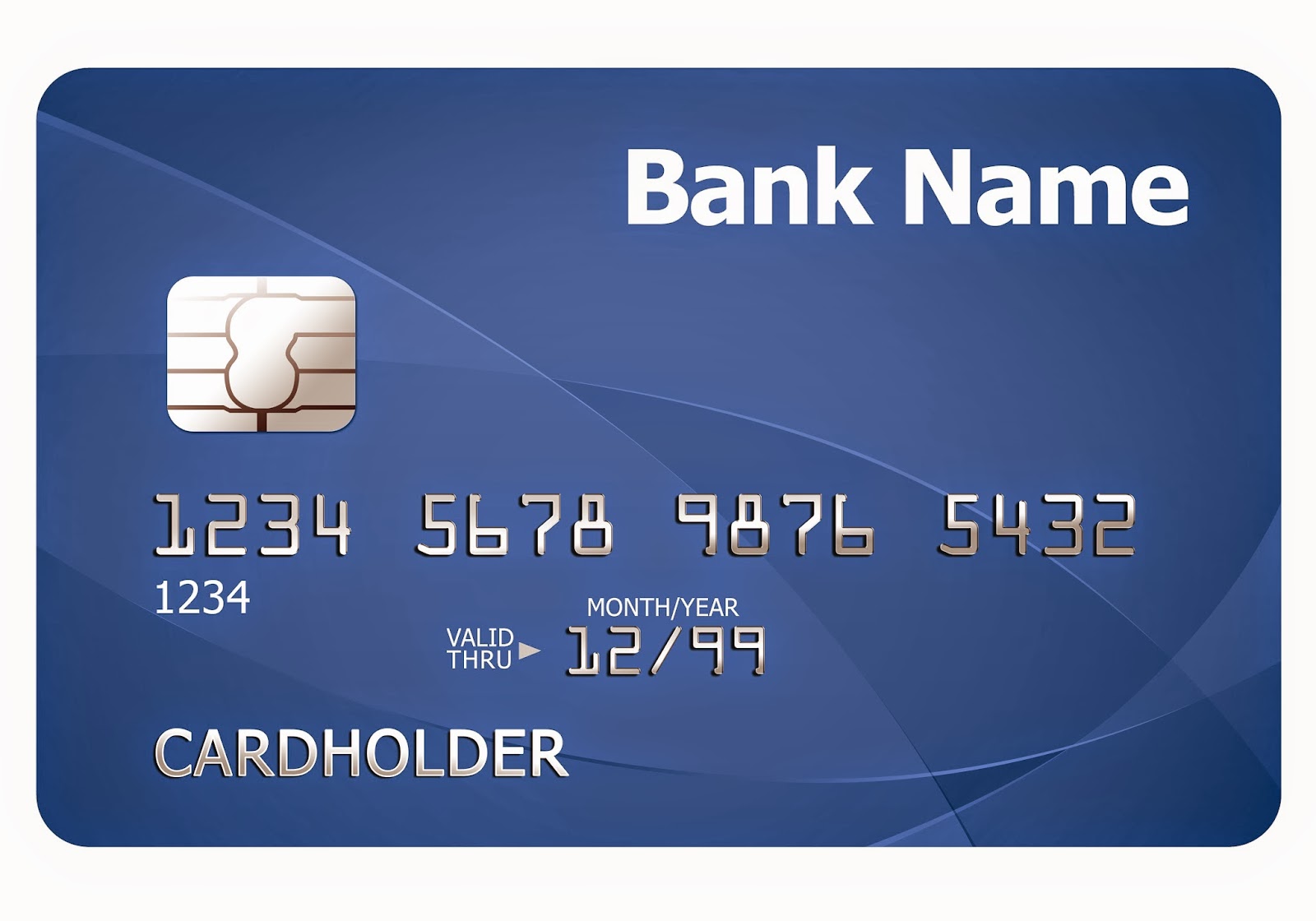
The ISO/IEC 7812 standard divides the card number into three distinct sections:
- The Major Industry Identifier (MII) (The first digit)
- The Issuer Identification Number (IIN) (Formerly the first 6, now the first 8 digits)
- The Individual Account Identifier (The remaining digits minus the last one)
- The Check Digit (The final digit)
Breaking Down the Digits: What Each Number Means
To understand how a debit card number "works," one must decode the sequence. Every digit is a piece of data that tells the merchant’s bank (the acquirer) where to send the request for funds.
The Major Industry Identifier (MII)
The very first digit of a debit card number identifies the category of the entity that issued the card. This is the first filter used by payment processors to categorize the transaction.
| MII Digit | Issuer Category | Common Examples |
|---|---|---|
| 1 | Airlines | Proprietary airline cards |
| 2 | Airlines / Financial | Joint ventures, some Mastercard ranges |
| 3 | Travel and Entertainment | American Express, Diners Club |
| 4 | Banking and Financial | Visa |
| 5 | Banking and Financial | Mastercard |
| 6 | Merchandising and Banking | Discover, UnionPay, Maestro |
| 7 | Petroleum | Gas station-specific cards |
| 8 | Healthcare / Telecommunications | Specialized identification cards |
| 9 | For assignment by National Standards Bodies | Local/National cards |
The Issuer Identification Number (IIN)
Following the MII are the digits that comprise the IIN (often referred to as the Bank Identification Number or BIN). This sequence identifies the specific financial institution that holds the cardholder's funds. For example, a specific block of numbers starting with "4" might belong to Chase, while another block starting with "5" belongs to Citibank.
In 2026, the transition from 6-digit to 8-digit IINs is the industry standard. This change was necessitated by the sheer volume of unique issuers globally. When you swipe your card, the payment terminal reads these digits to determine which "network" (Visa, Mastercard, etc.) and which "issuer" (your bank) needs to be contacted to authorize the purchase.
The Individual Account Identifier
The digits following the IIN, up to the second-to-last digit, are assigned by the bank to identify the specific customer. It is important to note that this number is not the same as your internal bank account number. Instead, it is a unique identifier linked to your account within the bank’s internal ledger. Most banks use a 12-digit or 9-digit sequence for this section to allow for billions of possible combinations, ensuring that no two customers have the same card number.
The Luhn Algorithm: How Systems Verify Numbers Instantly
One of the most critical ways a debit card number "functions" is through self-verification. Before a merchant’s system even attempts to contact a bank, it performs a mathematical check called the Luhn Algorithm (also known as the "Mod 10" algorithm).
This algorithm is designed to catch "dumb" errors, such as a user mistyping a single digit or transposing two numbers. If the mathematical result of the algorithm does not match the final digit on the card (the Check Digit), the card number is considered invalid, and the transaction is rejected immediately at the source.
How the Luhn Check Works:
- Starting from the right-most digit (the check digit), move left.
- Double the value of every second digit.
- If doubling a number results in a product greater than 9 (e.g., 8 × 2 = 16), add the digits of the product together (1 + 6 = 7).
- Sum all the resulting digits together.
- If the total sum is a multiple of 10 (ends in zero), the number is valid according to the Luhn formula.
This process happens in milliseconds. It is why an e-commerce site can tell you "Invalid Card Number" the moment you finish typing, even if your internet connection is lagging. It hasn't checked with your bank yet; it has simply calculated that the digits provided do not satisfy the Luhn equation.
Beyond the Number: CVV and Expiration Dates
A debit card number cannot function for "Card-Not-Present" (CNP) transactions—such as online shopping—without its two primary companions: the expiration date and the Card Verification Value (CVV).
The Role of the Expiration Date
The expiration date serves two purposes. First, it provides a natural lifecycle for the physical plastic, which degrades over time. Second, it acts as an additional data point for fraud prevention. If a fraudster guesses a card number but fails to provide the correct month and year of expiration, the issuer will decline the transaction.
The Card Verification Value (CVV/CVC)
The CVV (3 digits for Visa/Mastercard, 4 for Amex) is a security feature that is never stored in the card’s magnetic stripe or the EMV chip. It is also prohibited from being stored by merchants after a transaction is authorized. Because the CVV is only printed on the physical card, its presence in a transaction provides a layer of "proof" that the person making the purchase actually has the card in their hand.
In 2026, many digital banking apps now offer Dynamic CVVs. Instead of a static number printed on the back of the card, the app generates a new 3-digit code every few minutes or for every transaction. This makes stolen card numbers significantly harder to use for fraudulent online purchases.
The Functionality of the EMV Chip and Tokenization
While the printed number is essential for manual entry, the way a debit card number functions during a physical tap or dip has evolved. Modern cards use EMV (Europay, Mastercard, and Visa) technology.
When you use a chip-enabled card, the system doesn't actually transmit your "real" card number (the PAN) to the merchant. Instead, it uses tokenization.
- The Request: The terminal requests payment.
- The Token: The chip creates a one-time-use digital "token" or cryptogram.
- The Verification: This token is sent to the payment network. The network decodes the token, verifies it against the actual card number in a secure vault, and then sends an authorization back to the merchant.
- The Security: Because the token is only valid for that specific transaction and that specific amount, a hacker "sniffing" the merchant’s Wi-Fi would only steal a useless, expired token rather than the actual debit card number.
Transaction Flow: What Happens When the Number is Used?
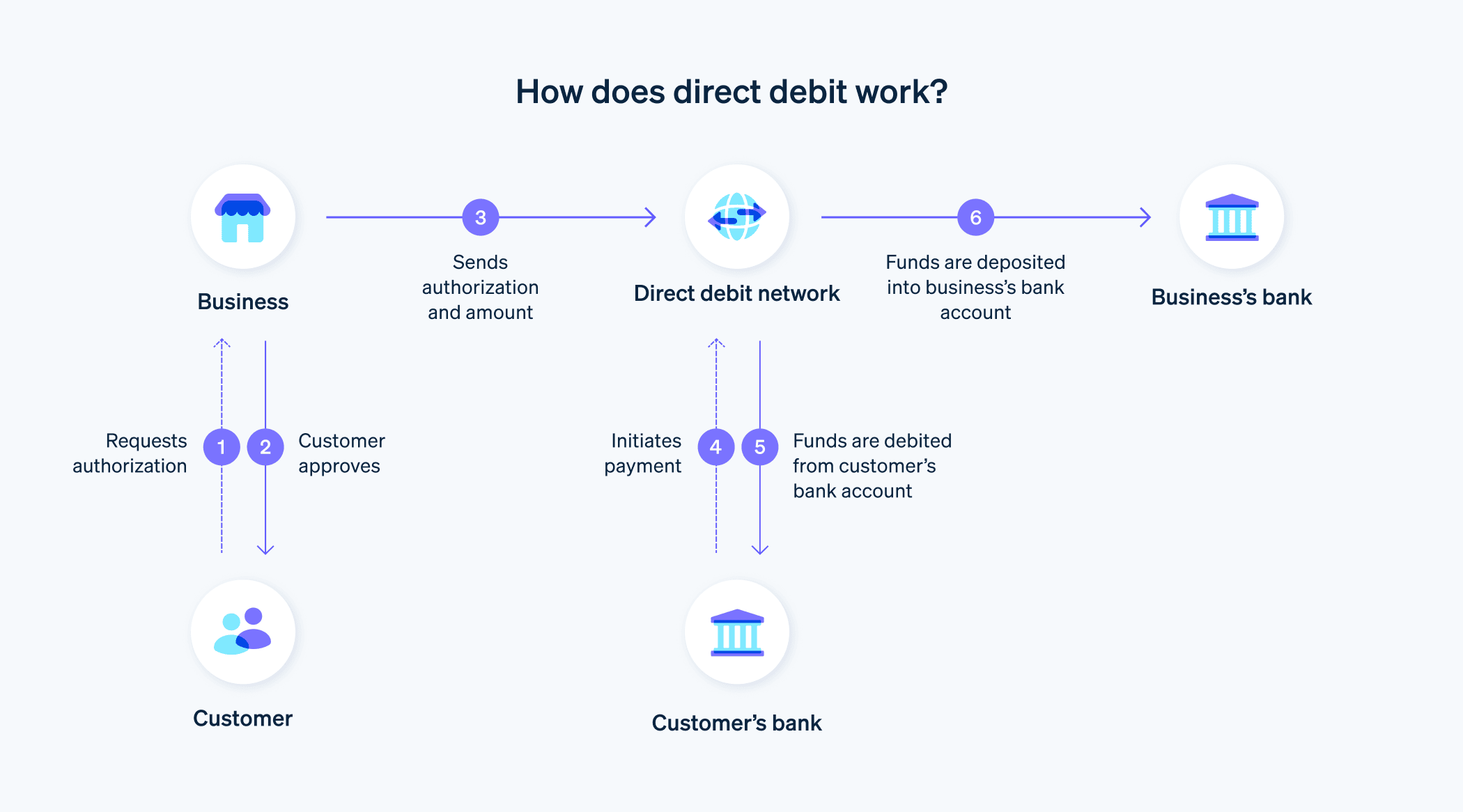
The "function" of the card number is to act as a routing address. To visualize this, follow the path of a transaction:
- Step 1: Initiation. The cardholder enters the number or taps the card.
- Step 2: Gateway/Acquirer. The merchant's bank (acquirer) receives the data. It looks at the IIN (first 8 digits) to see which network the card belongs to.
- Step 3: The Network. The acquirer sends the data to the network (e.g., Visa or Mastercard).
- Step 4: The Issuer. The network identifies the specific bank that issued the card and forwards the request for funds.
- Step 5: Authorization. The issuing bank checks the card number against its database to ensure the account is active, the CVV/Expiry is correct, and there is enough money in the account.
- Step 6: Response. The bank sends an "Approved" or "Declined" message back through the network to the merchant.
This entire round-trip journey usually takes less than two seconds, facilitated entirely by the structured data contained within those 16 digits.
Security Considerations and Common Failures
Even with the Luhn algorithm and EMV chips, debit card numbers can fail or be compromised. Understanding these failure points is vital for troubleshooting.
Why a "Working" Number Might Fail:
- Incorrect IIN Mapping: Occasionally, new 8-digit IIN ranges are not updated in older merchant databases, causing the system to misidentify a valid card as "unsupported."
- Velocity Blocks: If a card number is used too many times in a short window, the issuer’s fraud detection system may "freeze" the number’s functionality.
- Geographic Restrictions: Some debit card numbers are "domestic use only," meaning the IIN is flagged to reject any transaction requests originating from outside the home country.
- Card-Not-Present (CNP) Disablement: Some banks allow users to toggle off the ability to use the card number for online purchases while keeping the physical chip active.
Frequently Asked Questions
Can I guess a working debit card number?
While the Luhn algorithm makes it possible to generate a mathematically "valid" number, the chances of guessing a number that is actually active and linked to an account with funds are nearly zero. Furthermore, without the correct expiration date and CVV, the number will not function for transactions. Modern banking security also uses "brute force" detection to block any system attempting to test multiple number combinations.
Why do some debit card numbers have 19 digits?
While 16 digits are the most common in the United States and Europe, the ISO/IEC 7812 standard allows for card numbers up to 19 digits. These longer numbers are often used by smaller regional banks or for specialized "secondary" cards linked to a primary account. They function exactly the same way, using a longer "Individual Account Identifier" section.
Does my debit card number change when I get a replacement card?
Typically, yes. If your card is lost, stolen, or expires, the bank issues a new card with a new "Individual Account Identifier" and "Check Digit." However, the MII and IIN (the first 8 digits) usually remain the same because you are still using the same network and the same bank. Some modern banks now offer "persistent" card numbers for digital wallets, but physical replacements almost always result in a new number for security.
Is the debit card number the same as my bank account number?
No. The debit card number is a front-facing identifier for the payment network. Your bank account number (often used for direct deposits or wire transfers) is an internal ledger number. The bank’s internal systems maintain a link between the two. This separation is a security feature; if your card is stolen and the number is cancelled, your actual bank account remains secure.
What is the difference between a BIN and an IIN?
For most practical purposes, they are the same. "BIN" stands for Bank Identification Number, a term that was used for decades. "IIN" stands for Issuer Identification Number, which is the more modern and accurate term used by the ISO, as many non-bank entities (like fintech apps and retailers) now issue payment cards.
Practical Recommendations
To ensure your debit card number continues to function correctly and securely, consider the following actions:
- Monitor IIN Changes: If you are a business owner, ensure your payment processor is updated to recognize the 8-digit IIN standard to avoid declining valid customer cards.
- Use Virtual Numbers: When shopping on unfamiliar websites, use your bank's app to generate a virtual debit card number. These numbers function exactly like your physical card but can be deleted or "frozen" immediately after use.
- Verify via App: If your card number is rejected online but you know the digits are correct, check your banking app. Many 2026-era banks require a "push notification" approval for the card number to function for high-value online purchases.
- Protect the CVV: Treat the 3-digit code on the back as more sensitive than the card number itself. While the card number is often visible on receipts, the CVV is the key to online functionality.
Image Gallery
Select an image to open it in a new tab.
Ingrid Bjornson
Global Cyber Policy and Regulation Analyst
