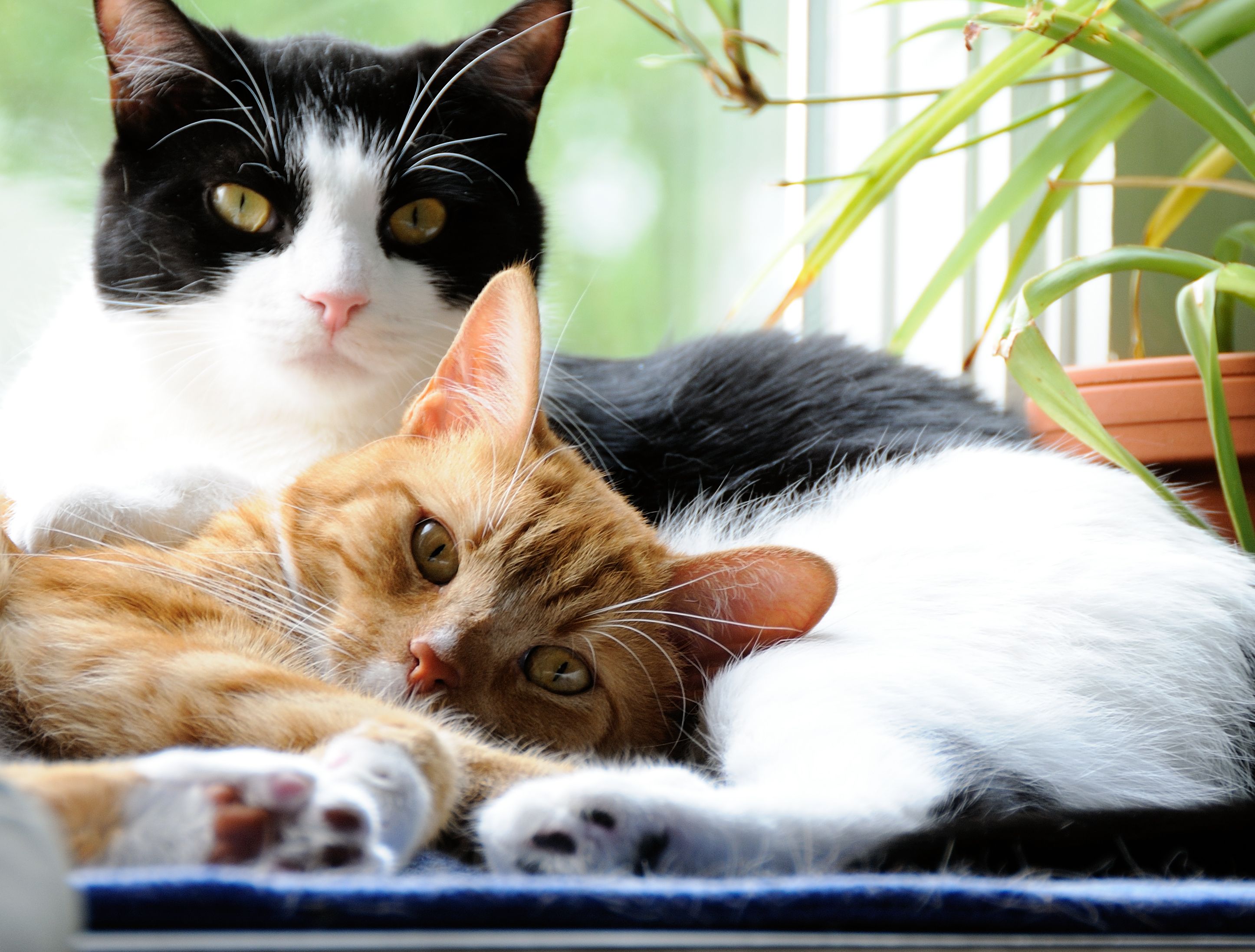
While the aesthetic allure of a wild cat is undeniably striking, domestic cats are objectively superior companions for the vast majority of households. Domestic cats have undergone over 10,000 years of co-evolution with humans, resulting in genetic adaptations that favor social bonding, predictability, and safety. In contrast, wild cats—even those raised from birth by humans—retain their apex predator instincts, specialized dietary requirements, and complex territorial behaviors that make them unsuitable for traditional domestic life.
The Fundamental Difference: Domestication vs. Taming
To understand why one makes a better companion than the other, we must first distinguish between domestication and taming. These terms are often used interchangeably in casual conversation, but they represent entirely different biological and psychological states.
The Biological Legacy of Domestication
Domestic cats (Felis catus) are the product of a millennia-long process that began in the Near East. Unlike wild species, domestic cats have undergone genetic changes that affect their adrenal glands and brain chemistry. Studies show that domestic cats have smaller brains and lower levels of "fear-response" chemicals compared to their wild ancestors. This allows them to live in high-density environments (like a modern home) without constant stress. In 2026, genomic mapping continues to reveal how specific genes related to memory, fear, and reward-seeking were selected to make cats more compatible with human social structures.
The Limits of Taming
A wild cat, such as a Serval, Caracal, or Bobcat, can be "tamed" if hand-reared by humans, but it remains a wild animal. Taming is a behavioral modification of an individual, whereas domestication is a genetic shift in a population. A tamed wild cat may tolerate human touch, but it does not possess the "pro-social" genetic toolkit that a domestic cat does. When a wild cat reaches sexual maturity, its hormones often trigger aggressive territoriality, marking behaviors, and a drive for independence that can lead to dangerous unpredictable outbursts.
Behavioral Comparison: Social Bonds and Communication
The quality of a "companion" is often measured by the depth of the social bond and the ease of communication.
Vocalization and Body Language
Domestic cats have developed a specific "language" for humans. Adult domestic cats rarely meow at each other; the meow is a vocalization specifically adapted to get human attention. They also display the "tail-up" greeting, a sign of trust and friendship derived from their kittenhood, which they extend to their human owners.
Wild cats communicate through much more subtle and sometimes violent signals. While a domestic cat might give a "love nip" or a warning hiss, a wild cat’s communication is often physical and high-stakes. A Serval’s play-bite can easily puncture human skin, not out of malice, but because their play is modeled on hunting.
Litter Box Reliability and Territorial Marking
One of the most significant drawbacks of wild cats as companions is their marking behavior. Domestic cats are generally easy to litter train because of their instinct to bury waste to avoid detection by predators. Wild cats, however, use urine and feces as "signposts" to claim territory. Even when neutered or spayed, many wild cat species will spray vertical surfaces throughout a house to feel secure. This spray is significantly more pungent and difficult to remove than that of a domestic cat, often leading to the destruction of furniture and flooring.

Environmental and Space Requirements
The physical environment required to keep a cat healthy and happy differs drastically between domestic and wild species.
Living in the Human Footprint
Domestic cats are highly adaptable. They can thrive in a 700-square-foot apartment as long as they have vertical space and mental stimulation. They are "crepuscular" by nature but often sync their sleep schedules with their owners.
The Need for Special Facilities
In 2026, animal welfare standards and many state laws require specific "containment protocols" for wild cats. A wild cat cannot simply "live in the house." They require large, secure outdoor enclosures—often upwards of 1,000 square feet—with reinforced fencing and specialized flooring to prevent digging. Without this space, wild cats develop stereotypical behaviors (pacing, over-grooming) and can become highly destructive to indoor environments. They are also primarily nocturnal, meaning their highest energy levels occur while their human companions are trying to sleep.
Health, Nutrition, and Veterinary Care
The logistical burden of maintaining a wild cat's health is a major factor in why domestic cats are more practical companions.
Dietary Complexity
Domestic cats thrive on commercially available, nutritionally balanced kibble or canned food. While they are obligate carnivores, their digestive systems have adapted to process these prepared diets.
Wild cats require a whole-prey diet to remain healthy. This means their meals must consist of raw meat, bones, and organs (often including whole rats, rabbits, or chicks). Feeding a wild cat supermarket-grade chicken breast will lead to metabolic bone disease and organ failure due to a lack of essential minerals like calcium and taurine found in whole carcasses.
Access to Veterinary Medicine
Most standard small-animal veterinarians will not treat wild cats. They lack the specialized knowledge and the liability insurance required to handle exotic predators. Finding an exotic animal vet often involves long travel times and significantly higher costs for every visit. Furthermore, many common vaccines and medications used for domestic cats have not been formally safety-tested for wild species, making medical care a gamble.
Legal and Ethical Considerations in 2026
The legal landscape regarding "exotic pets" has shifted dramatically.
- The Big Cat Public Safety Act: While primarily focused on lions and tigers, the influence of this federal legislation (and subsequent state-level mimics) has made it increasingly difficult to own smaller wild cats.
- Liability and Insurance: Most homeowners' insurance policies in 2026 explicitly exclude coverage for "wild or exotic animals." If a wild cat escapes or bites a guest, the owner is personally liable for all damages, which can be financially ruinous.
- Conservation Ethics: Many wildlife advocates argue that keeping wild cats as companions fuels the illegal wildlife trade and does nothing for conservation. Domestic cats, by contrast, are an established companion species with millions of individuals in shelters needing homes.
Hybrid Cats: The Middle Ground?
For those who desire the wild "look" without the full wild temperament, hybrid breeds like the Savannah (Serval x Domestic) and the Bengal (Asian Leopard Cat x Domestic) exist. However, these are not "easy" alternatives.
- Early Generations (F1-F3): These cats still possess a high percentage of wild DNA and exhibit many of the challenging behaviors mentioned above, including spraying and high-intensity energy.
- Later Generations (F4-SBT): These are essentially domestic cats with wild patterns. They are much better companions for the average person but still require more activity and engagement than a typical tabby.
Comparative Overview: Domestic vs. Wild Cats
| Feature | Domestic Cat (Felis catus) | Wild Cat (e.g., Serval, Bobcat) |
|---|---|---|
| Social Bond | Strong; seeks human interaction. | Variable; often aloof or territorial. |
| Safety Risk | Low; scratches/bites are minor. | High; powerful jaws and claws. |
| Diet | Commercial cat food. | Raw whole-prey (bones/organs). |
| Housing | Indoor/Outdoor adaptable. | Large, secure outdoor enclosures required. |
| Litter Training | Instinctive and reliable. | Unreliable; heavy territorial marking. |
| Legal Status | Legal everywhere. | Strictly regulated; illegal in many states. |
| Veterinary Care | Widely available and affordable. | Specialized exotic vets; very expensive. |
| Lifespan | 12–20 years. | 10–15 years (often less in improper care). |
Frequently Asked Questions
Can a wild cat be fully domesticated if raised from a kitten?
No. Domestication is a multi-generational genetic process, not an individual upbringing. While a wild cat raised from a kitten may be friendlier toward its specific owner, its predatory instincts and physiological needs remain unchanged. It will still have the strength and drive of a wild predator.
Do wild cats make good pets for families with children?
Absolutely not. Wild cats do not have the inhibition or patience that domestic cats have developed. A child's high-pitched voice or sudden movements can trigger a wild cat’s hunting instinct. Furthermore, the physical strength of even a medium-sized wild cat like a Caracal is enough to cause severe injury to a child during play.
Are Bobcat-Domestic hybrids a real thing?
While "Pixie-bobs" are a domestic breed designed to look like bobcats, DNA testing has consistently shown no actual bobcat parentage. True bobcat hybrids are extremely rare, often sterile, and generally do not occur naturally or successfully in captivity. If someone claims to have a bobcat hybrid, it is usually a domestic cat with a bobbed tail and spotted coat.
Is it legal to own a Serval in 2026?
Legality varies by jurisdiction. In many U.S. states and European countries, ownership is either banned entirely or requires a Class II or Class III exotic animal permit. These permits often require hundreds of hours of documented experience, facility inspections, and high fees. Always check your local and state ordinances before considering an exotic animal.
What is the best "wild-looking" domestic cat for a beginner?
If you want the wild aesthetic without the risk, the Bengal (SBT generation) or the Egyptian Mau are excellent choices. They are fully domestic but possess striking coat patterns and athletic builds. The Ocicat is another great option, as it was bred specifically to look like a wild ocelot while having a 100% domestic lineage.
Choosing the Right Path
The choice between a wild cat and a domestic cat as a companion comes down to the definition of "companionship." If you are looking for a partner that offers affection, fits into a modern lifestyle, and can safely interact with your family and friends, the domestic cat is the only choice.
Owning a wild cat is not "pet ownership"; it is animal husbandry and sanctuary management. It requires a lifestyle overhaul, significant financial resources, and the acceptance that you are living with a predator that may never return your affection in the way you expect. For most people, the most ethical and fulfilling way to enjoy wild cats is to support conservation efforts and reputable sanctuaries while sharing their own home with a domestic feline.
Image Gallery
Select an image to open it in a new tab.
Simon Caldwell
Enterprise Technology and Systems Editor
