Is Tucker Max Still Relevant Today?
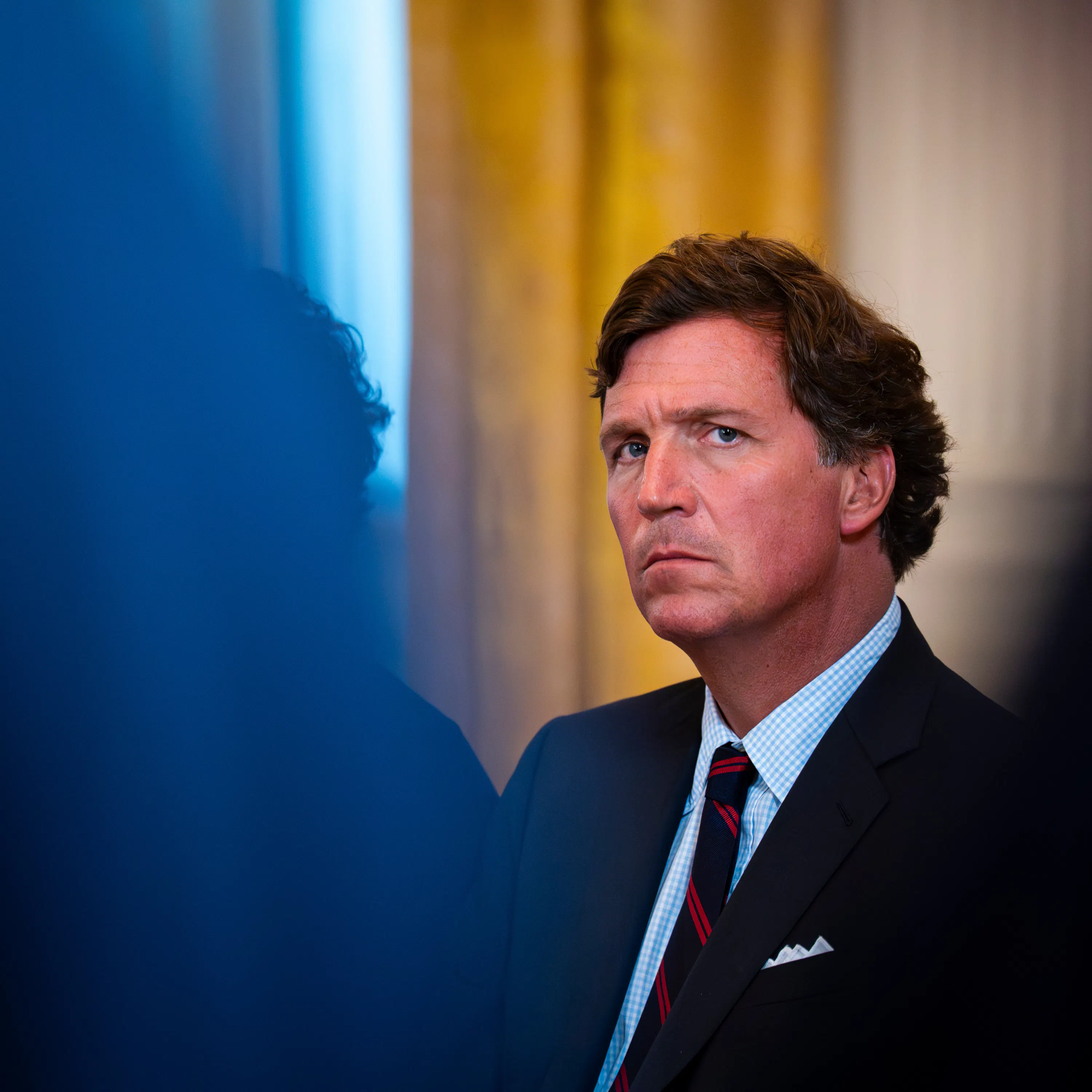
Tucker Max remains a polarizing yet influential figure in digital media history, known for pioneering the "fratire" literary genre and early internet direct-to-consumer marketing. While his offensive persona from the 2000s has largely aged out of the cultural mainstream, his strategic blueprint for personal branding, self-publishing disruption, and ghostwriting business development left a lasting structural imprint on the modern creator economy.
The Rise and Peak of Tucker Max
To understand whether Tucker Max holds any weight in the contemporary digital landscape, one must first contextualize his origin. In the early 2000s, long before Instagram influencers and algorithmic content optimization dominated the web, Max launched TuckerMax.com. Publishing raw, often deeply offensive, and allegedly autobiographical stories about his exploits involving drinking, arrogance, and casual sex, he created an entirely new niche dubbed "fratire"—a blend of frat-boy culture and satire.
His blog went viral years before "viral marketing" became a standard corporate lexicon. At its peak, his site drew millions of unique visitors monthly. This digital footprint translated directly into mainstream commercial publishing success. His 2006 book, I Hope They Serve Beer in Hell, debuted on The New York Times bestseller list and stayed there for months, eventually being adapted into a feature film in 2009.
Max's early relevance stemmed from two distinct factors: an unfiltered, counter-cultural voice that resonated with young male demographics alienated by traditional media, and an early mastery of direct audience monetization. He bypassed traditional publishing gatekeepers initially, leveraging his web traffic to prove market demand. However, the cultural norms of the mid-2000s allowed for a level of misogyny and shock value that would face immediate, severe platform de-indexing and public backlash in the current era. As a result, his direct relevance as a cultural commentator or lifestyle icon has sharply declined.
Evolution Into Business and Publishing Innovation
While Max’s persona-driven brand faded, his operational relevance shifted behind the scenes. Recognizing the structural flaws of the traditional publishing industry—where authors receive meager royalties while publishers capture the majority of profits—Max co-founded Book In A Box in 2014, which later rebranded as Scribe Media.
Scribe Media pioneered a service-based model designed to help experts, entrepreneurs, and executives write, publish, and market their own books without surrendering creative control or intellectual property. This venture represented a major pivot from his fratire days. Instead of selling shock value to college students, Max leveraged his digital marketing acumen to sell professional legitimacy to high-net-worth individuals.
| Venture / Era | Primary Focus | Target Audience | Legacy / Impact |
|---|---|---|---|
| TuckerMax.com (2000s) | Shock-value blogging ("fratire") | College students, young men | Pioneered early viral web marketing and direct-to-consumer digital audiences. |
| Bestseller Books (2009–2013) | Memoirs and commercial publishing | General readership, publishing market | Proved that authors could leverage personal web traffic to force traditional publishers' hands. |
| Scribe Media (2014–2023) | Professional ghostwriting and publishing services | Entrepreneurs, executives, experts | Democratized nonfiction book creation; disrupted traditional legacy publishing models. |
This entrepreneurial pivot demonstrated a keen understanding of content monetization long before the creator economy matured into subscription newsletters and course sales. Max recognized that authority-building through publishing was more lucrative and sustainable than relying on ad revenue or shock entertainment. Although Max stepped away from active day-to-day leadership at Scribe Media years before the company faced financial restructuring and closure in late 2023, the model he popularized—turning personal expertise into structured, authority-building books—remains a staple of modern personal branding.

Cultural Shift and the Legacy of "Fratire"
From a cultural standpoint, Tucker Max is largely viewed today as a relic of a coarser, less accountable internet era. The behavior, language, and worldview chronicled in his books would find little tolerance in today's digital ecosystems, which enforce stricter community guidelines regarding harassment, sexism, and consent. Platforms like X, TikTok, and Instagram would likely restrict or ban content of that nature swiftly.
Yet, his historical relevance as a case study in audience capture remains undeniable. Max was among the first to realize that you did not need mainstream media approval to build a massive, loyal following. He utilized shock, controversy, and absolute transparency—traits later supercharged by shock-jock podcasters and controversial social media figures. However, unlike many internet provocateurs who burn out when their shock value expires, Max successfully transitioned his digital footprint into tangible business equity, a trajectory few early bloggers managed to replicate.
Summary Comparison of Eras
To evaluate his footprint objectively, compare his active cultural phase with his operational phase:
- Early Phase (2001–2010): Characterized by direct-to-consumer blogging, shock value, counter-cultural defiance, and traditional bestseller lists. Relevance was driven by transgression and novelty.
- Later Phase (2014–Present): Characterized by B2B service entrepreneurship, ghostwriting infrastructure, and content marketing strategy. Relevance shifted entirely to business mechanics, thought leadership, and publishing logistics.
Frequently Asked Questions
Does Tucker Max still write books?
No. Tucker Max has formally retired from writing personal memoirs and fiction. His last major publishing efforts were focused on business co-authorship and marketing strategy guides, such as Mate: The Traits Women Want, co-authored with Geoffrey Miller. Today, he focuses on private investments and personal projects rather than public authorship.
What happened to Scribe Media?
Scribe Media, the book-publishing and ghostwriting service co-founded by Max, experienced rapid growth through the late 2010s. However, the company faced significant operational and financial headwinds following leadership transitions, ultimately winding down operations in late 2023. Despite its closure, the company's service model heavily influenced the modern hybrid-publishing industry.
How did Tucker Max influence modern content creators?
Max pioneered the concept of building an independent audience outside of legacy media gatekeepers. Long before Substack newsletters or Patreon memberships existed, he monetized his direct web traffic and leveraged that attention to secure traditional publishing deals—a playbook now standard among independent online creators.
Is Tucker Max considered a positive role model in business?
Opinions are deeply divided. While digital marketers and entrepreneurs often study his early traffic-generation tactics and his later transition into high-ticket service businesses, cultural critics and sociologists view his early persona as toxic and misogynistic. Most modern business analyses separate his tactical marketing brilliance from his personal brand history.
Conclusion and Next Actions
Tucker Max is no longer culturally relevant as a lifestyle voice or public provocateur, but his structural impact on self-publishing, content monetization, and personal branding continues to resonate. For modern digital marketers and creators, examining his trajectory offers valuable lessons in audience ownership, while also highlighting the vital shift toward brand safety and ethical content standards in the contemporary digital economy. To apply these historical insights today, focus on building owned distribution channels and leveraging verified expertise rather than relying on transient shock value.
Image Gallery
Select an image to open it in a new tab.
Simon Caldwell
Enterprise Technology and Systems Editor
