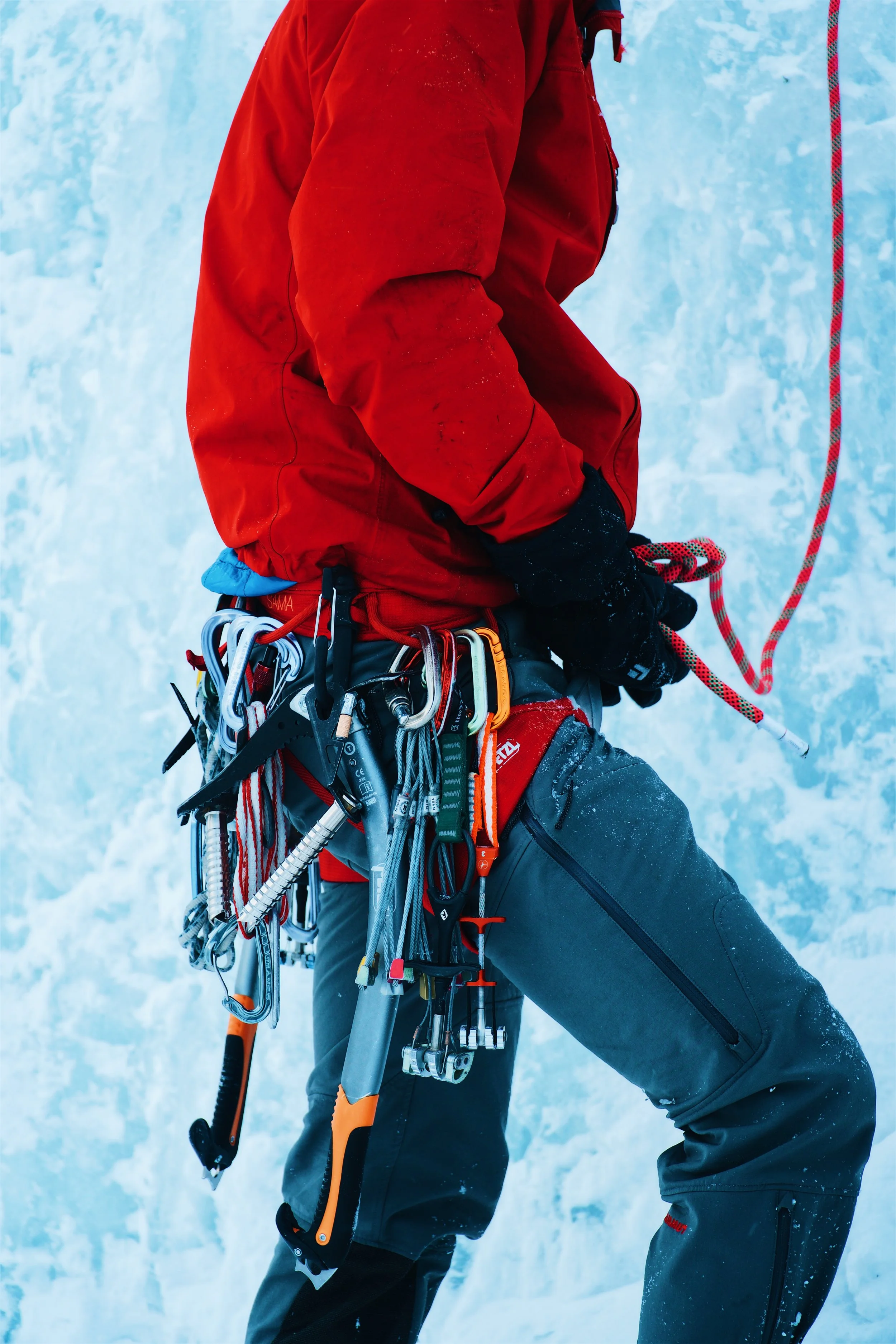
Mountaineering is a specialized pursuit that requires a curated selection of technical gear designed to handle extreme altitude, freezing temperatures, and complex vertical terrain. A practical list includes essential systems for glacier travel, technical rock and ice climbing, and life-sustaining protection, ensuring that climbers remain safe and mobile while navigating the hazards of the alpine environment.
The Foundation of the Layering System
Before selecting specialized technical equipment, you must prioritize the clothing system that protects you from hypothermia and frostbite. Unlike standard hiking, mountaineering requires an adaptable approach to thermoregulation.
- Base Layers: Moisture-wicking synthetic or merino wool fabrics are mandatory. Avoid cotton entirely, as it loses its insulating properties when wet.
- Mid-Layers (Insulation): A combination of a breathable fleece "grid" layer and a synthetic or down "puffy" jacket. Synthetic insulation is often preferred for high-humidity, high-exertion days, while down offers a superior warmth-to-weight ratio for static periods at high camps.
- Softshell/Hardshell: A durable, wind-resistant softshell jacket and pants serve as your primary outer layer. A dedicated hardshell (Gore-Tex or similar ePTFE membrane) must be kept in your pack for storm conditions.
- Footwear: Mountaineering boots must be stiff enough to support your weight on tiny edges and accept crampons. In 2026, most technical boots feature integrated gaiters or high-cut cuffs to keep snow out. Ensure boots are fully broken in before attempting high-altitude objectives.
Technical Climbing and Glacier Gear
The transition from trekking to mountaineering involves the addition of hardware designed for security on snow, ice, and rock. Each piece of equipment serves a specific structural purpose.
- Crampons: These steel or aluminum spikes attach to your boots for traction on ice. Steel is the standard for durability, while aluminum is often reserved for lightweight ski-mountaineering. Ensure your crampons are compatible with your boot’s welt system (automatic, semi-automatic, or strap-on).
- Ice Axe: An essential tool for self-arresting in the event of a slip. For glacier travel, a classic straight-shaft mountaineering axe is standard. For technical climbing, curved technical tools provide better ergonomics for front-pointing and vertical ice.
- The Climbing Harness: Mountaineering harnesses differ from gym harnesses by including leg loops that can be fully opened (to allow donning while wearing crampons) and ice-screw racking loops.
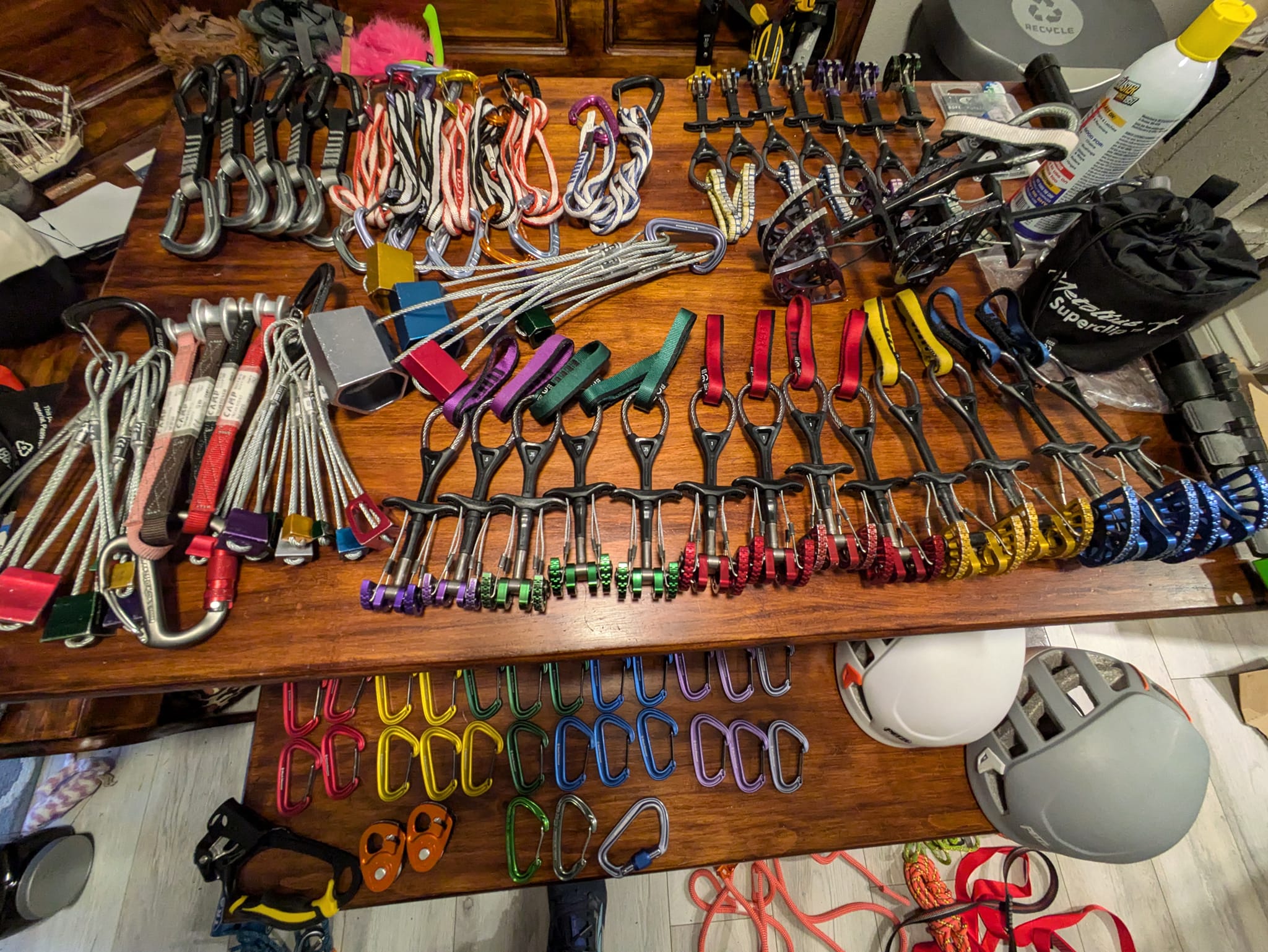
- Protection Hardware: For technical routes, you will need a rack consisting of cams, nuts, and alpine quickdraws. If you are exclusively glacier climbing, your rack will instead focus on snow pickets, ice screws, and accessory cord for crevasse rescue prussiks.
The Importance of Safety and Navigation
Navigation in the mountains, particularly in whiteout conditions, requires redundant systems. Never rely solely on a single digital device.
- Topographic Maps and Compass: Always carry a printed map of the area and a reliable liquid-filled baseplate compass. Familiarize yourself with map-reading and declination adjustments before your trip.
- Satellite Communicators: As of 2026, lightweight satellite-based messaging devices with SOS capability have become standard safety gear. Ensure your device is fully charged and that you have tested your messaging setup before departing.
- First Aid and Repair Kit: A mountaineering-specific kit should include items for blister care, stabilizing sprains, and managing cold-weather injuries. Your repair kit must contain high-tenacity tape (like Tenacious Tape), spare webbing, and a multi-tool capable of making minor adjustments to binding or crampon hardware.
Comparison Table: Essential Mountaineering Gear Selection
| Equipment Category | Purpose | Critical Specification to Verify |
|---|---|---|
| Boots | Thermal protection & edge support | B2 or B3 rating for crampon compatibility |
| Crampons | Traction on ice/hard snow | Steel for durability, aluminum for weight savings |
| Ice Axe | Self-arrest & stability | Correct length based on user height (classic style) |
| Harness | Attachment to rope/pro | Fully opening leg loops for gear management |
| Helmet | Impact protection | UIAA and CE certifications for alpine use |
Managing Equipment Weight and Logistics
The "fast and light" philosophy is common in mountaineering, but it must be balanced against the necessity of survival. Every extra kilogram reduces your pace and increases the risk of fatigue-related errors.
When packing, organize your gear by accessibility. Frequently used items (sunglasses, snacks, sunscreen) should be in hip-belt pockets or the top lid of your pack. Heavy technical gear, like crampons and ice screws, should be stored close to the center of your back to maintain your center of gravity. Remember that at altitude, your oxygen intake decreases; your pack weight should rarely exceed 20-25% of your body weight for standard, multi-day routes.
Troubleshooting Common Equipment Failures
Even the best gear can fail in the field. Understanding how to address these issues is a prerequisite for independent mountaineering.
- Crampon Loosening: Snow buildup under the crampon (balling) can cause the boot to lose its grip. Regularly clear snow with your ice axe handle. If the bail fails, use a secondary webbing strap to cinch the crampon tightly to the boot.
- Frozen Hardware: In extreme cold, metal carabiners and screws can freeze shut. Carry a small amount of silicone lubricant or keep gear inside your jacket during cold belays to prevent ice buildup.
- Headlamp Battery Failure: Lithium-ion batteries drain rapidly in the cold. Always carry a spare set of lithium-specific batteries (which perform better than alkaline in freezing temps) and keep your headlamp in an inner, insulated pocket when not in use.
Frequently Asked Questions
What is the best way to train for carrying mountaineering gear? The best way is to utilize "loaded carries" on steep, uneven terrain. Begin with a pack weight of 10-15 lbs and gradually increase it. This trains your core, stabilizers, and cardiovascular system specifically for the demands of the ascent, rather than just general aerobic fitness.
Do I need a specific helmet for mountaineering? Yes. You should choose a helmet with both top-impact and side-impact protection (standardized as UIAA 106). Many climbing helmets are optimized for rockfall; ensure yours is rated for cold-temperature performance, as plastic can become brittle in extreme sub-zero conditions.
How often should I inspect my ropes and soft goods? Webbing, ropes, and harnesses degrade due to UV exposure, rock abrasion, and chemical contact (like sunscreen or battery acid). Inspect these items before every trip. If you notice discoloration, fuzzing, or hard spots in the rope core, the gear must be retired immediately.
Are there specific sun protection requirements at high altitude? At high altitudes, the UV index is significantly higher due to thin atmosphere and high albedo (reflectivity) from snow. Wear Category 4 rated sunglasses with side shields to prevent snow blindness. High-SPF sunscreen and lip balm are not optional; they are essential for avoiding severe burns.
What is the "First Ascent" rule for gear? Never take new, untested gear on a major objective. Test all components—from stove operation to boot fit—on a short, low-stakes practice hike or "shakedown" trip. This ensures that you are familiar with the operation of every item when you are tired or in a high-stress environment.
Final Recommendations for Your Expedition
Before finalizing your gear list, cross-reference your requirements with the specific route description for your objective. Route-specific guides often suggest specialized hardware, such as specific ice screw lengths or snow anchors, which are not listed in general gear inventories. Always verify that your gear is UIAA-certified and that you have the skills to utilize every piece of equipment you carry. Prioritize reliability over the lightest possible weight; in the mountains, a gear failure is not just an inconvenience, but a genuine safety hazard.
Image Gallery
Select an image to open it in a new tab.
Ingrid Bjornson
Global Cyber Policy and Regulation Analyst
