Understanding John Sarno and the Controversial Pain Theory
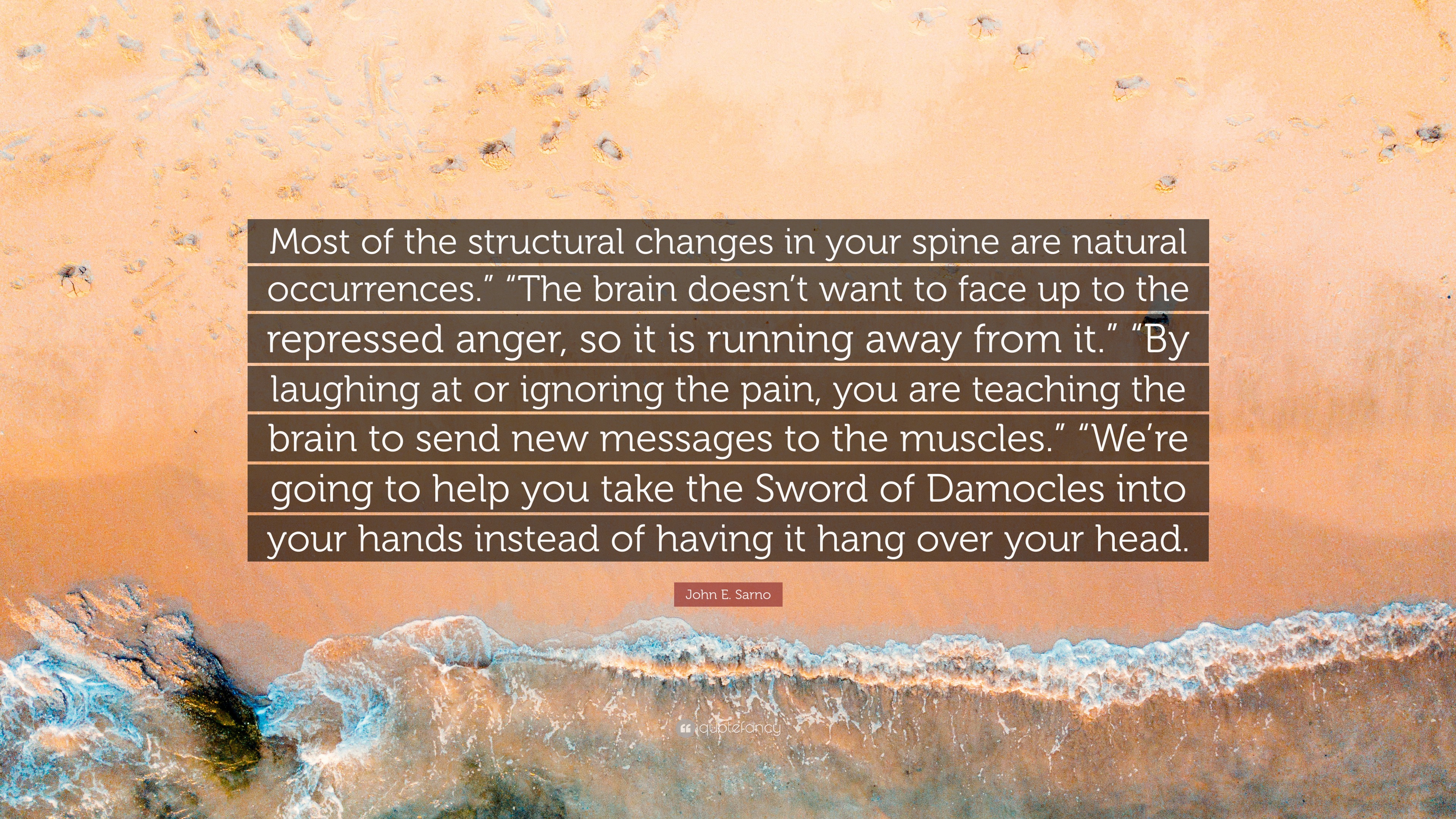
Dr. John Sarno’s theory of Tension Myositis Syndrome (TMS) proposes that many chronic pain conditions, particularly back pain, are not caused by structural abnormalities but are physical manifestations of repressed emotional stress. While his work gained a massive following among patients, it remains highly controversial in mainstream medicine due to its rejection of the traditional anatomical model for pain treatment.
The Origin of the TMS Hypothesis
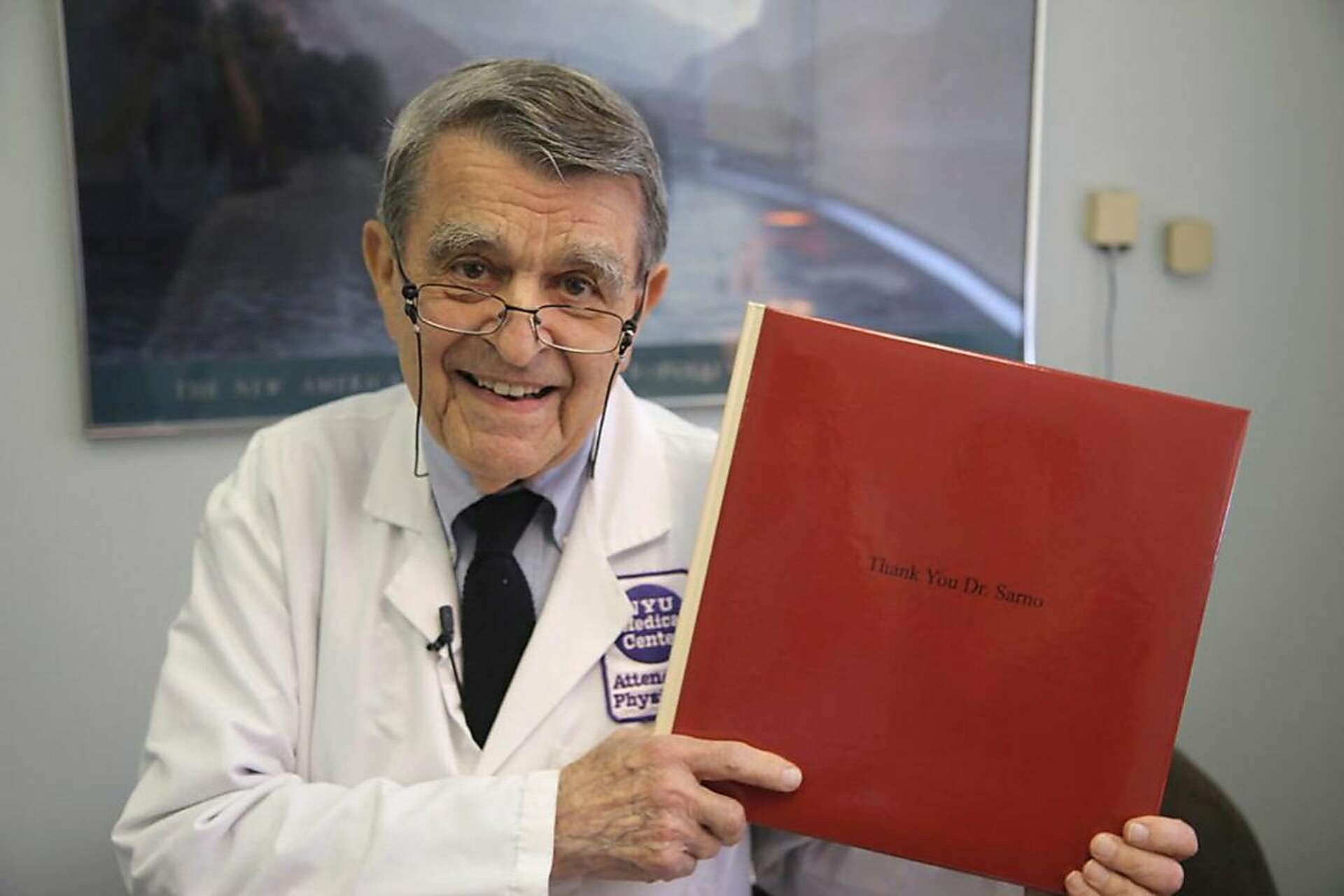
Dr. John Sarno, a professor of Rehabilitation Medicine at New York University School of Medicine, spent decades treating patients who had failed to find relief through traditional orthopedic interventions. His clinical observations led him to conclude that the structural "defects" identified on X-rays and MRIs—such as herniated discs, spinal stenosis, or mild scoliosis—were often incidental findings rather than the true cause of a patient’s pain.
Sarno posited that the physical pain was a "distraction" created by the brain to prevent the conscious mind from becoming aware of repressed emotions, particularly rage, frustration, and anxiety. He termed this condition Tension Myositis Syndrome (TMS). According to his theory, the brain triggers the autonomic nervous system to mildly constrict blood vessels in muscles, nerves, or tendons, resulting in oxygen deprivation (hypoxia). This mild, temporary oxygen starvation creates intense pain, effectively shifting the patient’s focus from their internal emotional struggles to the tangible experience of physical injury.
Challenging the Conventional Anatomical Model
Modern medicine typically approaches musculoskeletal pain through the "structural paradigm." This perspective assumes that pain is the result of mechanical wear, tissue damage, or degenerative changes. If an MRI reveals a bulging disc, the traditional medical path involves physical therapy, anti-inflammatory medication, injections, or surgical intervention to correct the perceived mechanical failure.
Sarno’s work presented a direct, fundamental challenge to this model. He argued that the medical profession’s focus on structural issues was not only ineffective in many cases but potentially harmful. By labeling a patient with a "bad back" or a "degenerated disc," Sarno argued that doctors were inadvertently instilling fear and creating a psychosomatic cycle where the patient believes their body is fragile and damaged. This belief system, he asserted, reinforces the pain, as the brain continues to use the physical symptom to suppress emotional content.
Evidence and the Scientific Debate
The controversy surrounding Sarno’s theory stems largely from the discrepancy between his high rate of patient-reported recovery and the lack of traditional, double-blind, randomized controlled trials (RCTs) to support his psychosomatic mechanism. Critics in the medical community argue that his theory is difficult to falsify, as it places the burden of proof on the patient’s internal emotional state.
Furthermore, mainstream clinicians are cautious about dismissing structural findings. Because physical pain is subjective, they argue that ignoring potentially serious conditions like severe nerve impingement or underlying systemic diseases could lead to delayed diagnosis and worsened outcomes. However, advocates for Sarno’s work point to the high prevalence of positive imaging findings in asymptomatic populations as evidence that structural abnormalities are not necessarily the primary drivers of pain.
Comparison of Pain Paradigms
Understanding the divergence between traditional approaches and Sarno’s TMS approach is essential for patients weighing their options. The table below highlights the core differences in philosophy and methodology.
| Feature | Traditional Orthopedic Model | Tension Myositis Syndrome (TMS) |
|---|---|---|
| Primary Cause | Structural damage (e.g., herniation) | Repressed emotions (rage/stress) |
| Diagnosis | Based on Imaging (MRI/X-Ray) | Based on physical/history exams |
| Goal of Treatment | Mechanical repair or stabilization | Psychological insight/awareness |
| Role of Patient | Passive (recipient of intervention) | Active (process of emotional work) |
| Pain Perception | Mechanical signal | Distraction from subconscious |
Prerequisites for the TMS Approach
Patients interested in exploring Sarno’s theory typically do so after being medically cleared for "red flag" conditions. Before adopting a TMS-based framework, it is considered standard practice to ensure that the patient’s pain is not the result of an infection, tumor, fracture, or severe neurological deficit. Once a physician has ruled out these systemic or acute physical causes, the "TMS protocol" generally involves:
- Education: The patient must fully understand the theory that their pain is a benign, though painful, result of an emotional process rather than a structural injury.
- Resumption of Activity: Patients are encouraged to cease "fear-avoidance" behaviors. This means gradually returning to normal activities, lifting, and exercising, under the premise that the body is not physically broken.
- Journaling/Therapy: The core "treatment" involves identifying the repressed emotions triggering the pain. This is often done through introspective writing or working with a therapist familiar with psychosomatic principles.
- Shifting the Focus: When pain flares up, the patient is encouraged to think about current stressors rather than focusing on the physical sensation or seeking a new medical procedure.
The Role of Fear-Avoidance in Chronic Pain
One of the most widely accepted aspects of Sarno’s work—even among those who do not subscribe to his full theory—is the concept of "fear-avoidance." Medical research into chronic pain consistently shows that when patients fear movement, they become deconditioned and hyper-vigilant. This hyper-vigilance actually increases the brain’s sensitivity to pain signals.
By teaching patients that their spines are not fragile, Sarno’s followers aim to break this fear-avoidance loop. Whether or not one accepts the psychosomatic origin of the pain, many clinicians agree that the psychological component of chronic pain—specifically the fear of the pain itself—is a major contributor to the persistence of symptoms.
Limitations and Risks
The primary risk associated with the TMS approach is the potential for misdiagnosis. Because the theory encourages patients to stop searching for structural causes and to "ignore" pain signals, there is a risk that a patient could overlook a condition that requires medical intervention.
Patients should prioritize the following before beginning a self-directed TMS approach:
- Professional Evaluation: Always consult with a licensed physician to rule out serious pathology.
- Safety Over Theory: If symptoms escalate, change in character (e.g., loss of bowel/bladder control, progressive weakness), or are accompanied by unexplained weight loss or fever, seek immediate medical attention.
- Balanced Care: Many patients find the most success by combining traditional diagnostic reassurance with the cognitive shifts suggested by mind-body medicine.
Frequently Asked Questions
Is Tension Myositis Syndrome a recognized medical diagnosis? TMS is not currently classified as a formal diagnosis in the International Classification of Diseases (ICD). It is considered a mind-body concept rather than a traditional medical diagnosis, and it is not universally accepted or taught in mainstream medical schools.
Does Dr. Sarno’s theory apply to all types of pain? Sarno focused primarily on chronic musculoskeletal conditions such as back pain, neck pain, and repetitive strain injuries. His theory does not claim to address conditions like cancer, fractures, or genetic diseases, though he argued that the mind-body component exists in many chronic symptoms.
Why is Sarno’s work considered so controversial? It is controversial because it fundamentally disagrees with the standard medical practice of treating pain with surgery and physical therapy. Furthermore, it suggests that the medical industry itself may be contributing to chronic pain by reinforcing the idea that patients have "damaged" structures.
What happens if I stop focusing on my pain? The theory suggests that by removing the focus from the pain, you take away its purpose. Since the pain is supposedly acting as a distraction from suppressed emotions, the brain no longer finds the distraction useful, and the pain consequently subsides.
Can I combine TMS techniques with physical therapy? Many individuals find a hybrid approach effective. Using physical therapy to regain physical confidence while using the psychological insights of TMS to address the emotional components can be a strategy, provided the physician is aware of the patient's holistic approach.
Conclusion and Next Actions
If you are dealing with chronic pain and have exhausted standard medical options, the first step is to seek a comprehensive medical assessment to ensure no underlying pathology exists. If you have been cleared of structural emergencies, you may consider exploring mind-body practices. The most effective approach often involves a combination of medical reassurance—confirming your back or joints are structurally sound—and cognitive behavioral work to address the relationship between your stress, your lifestyle, and your physical symptoms.

Image Gallery
Select an image to open it in a new tab.




Mateo Castillo
Decentralized Finance and E-Payments Strategist
