
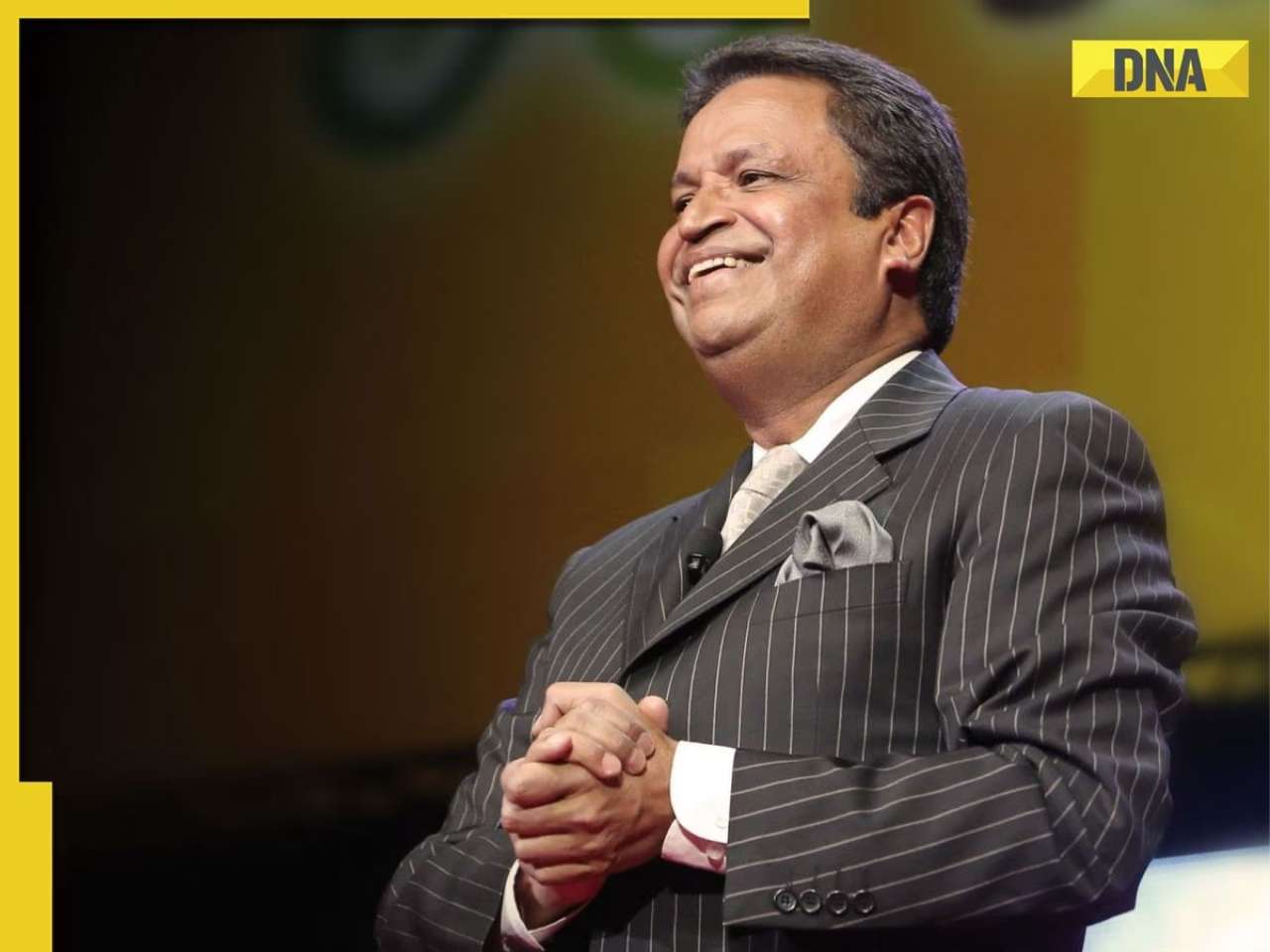
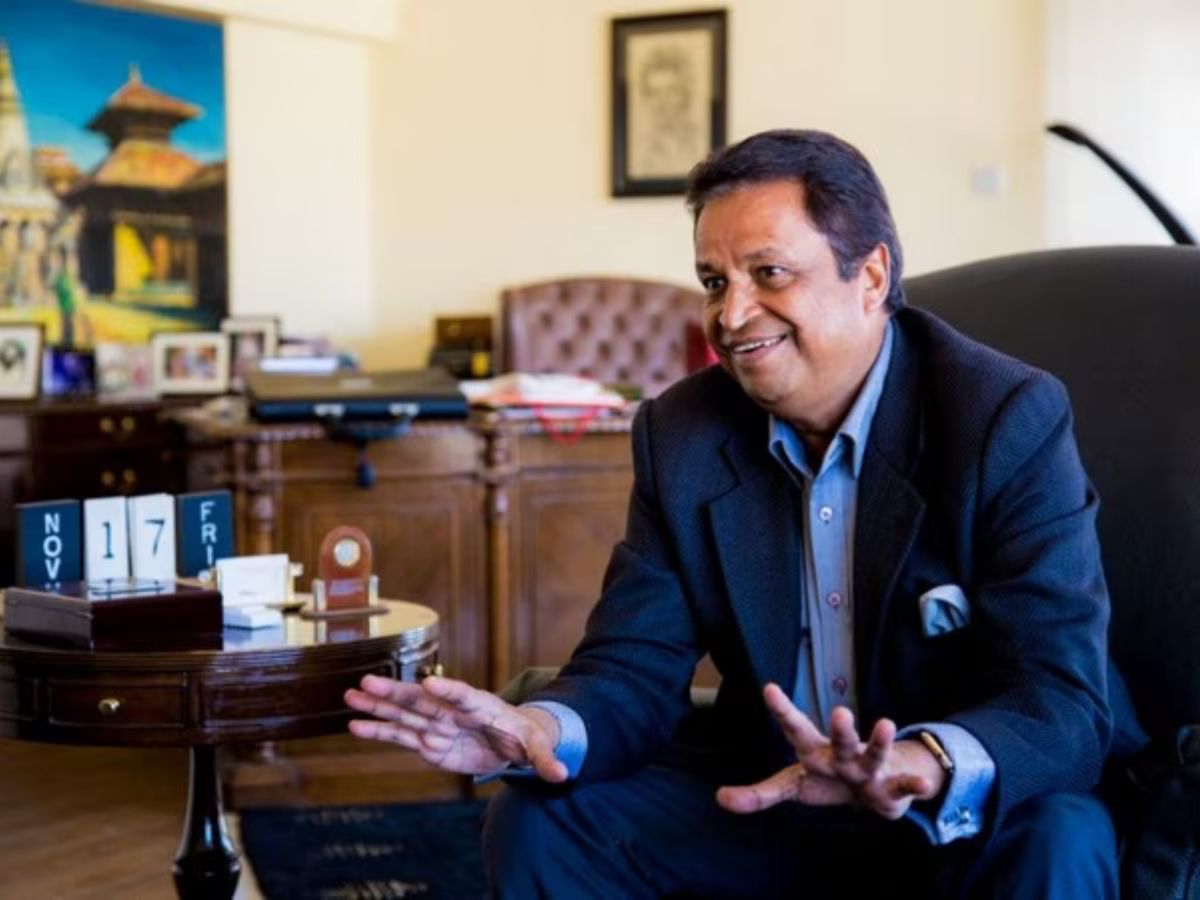
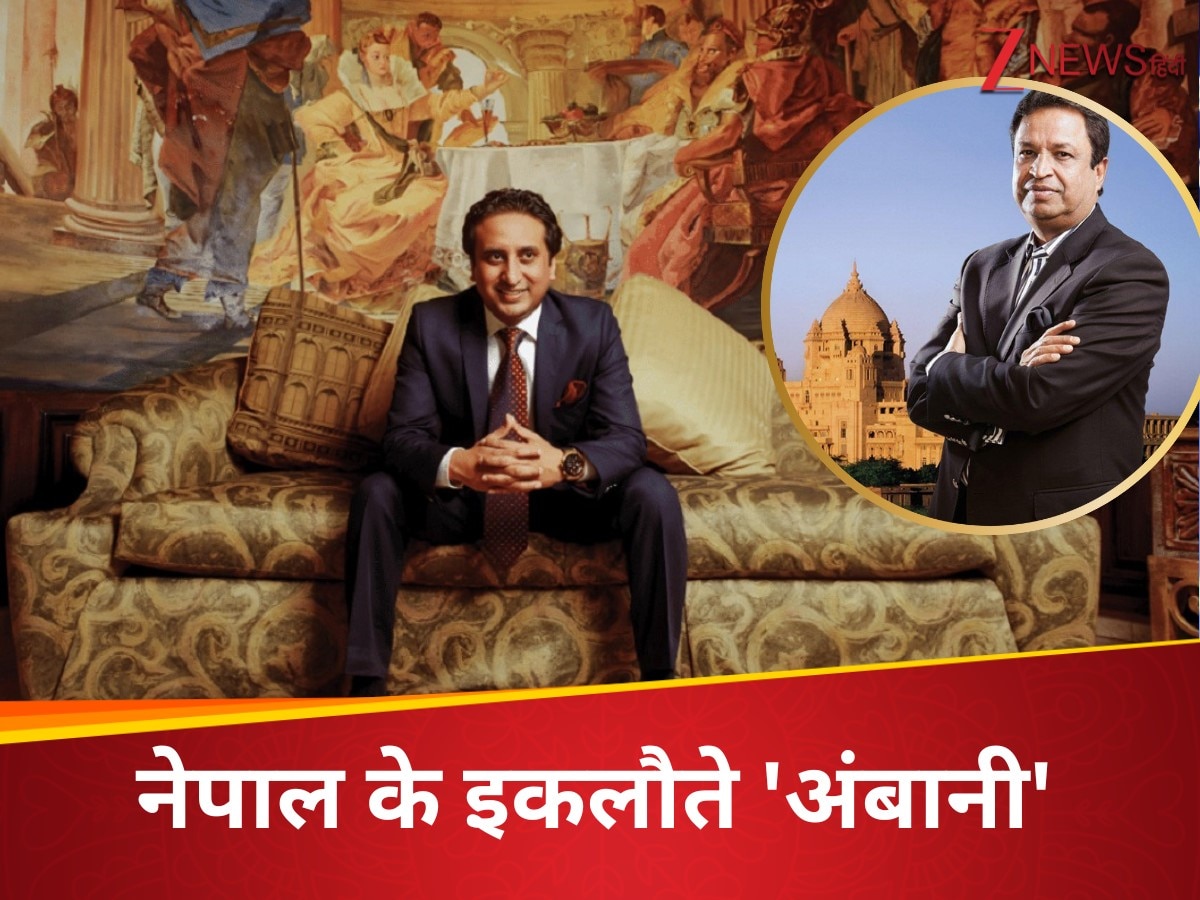
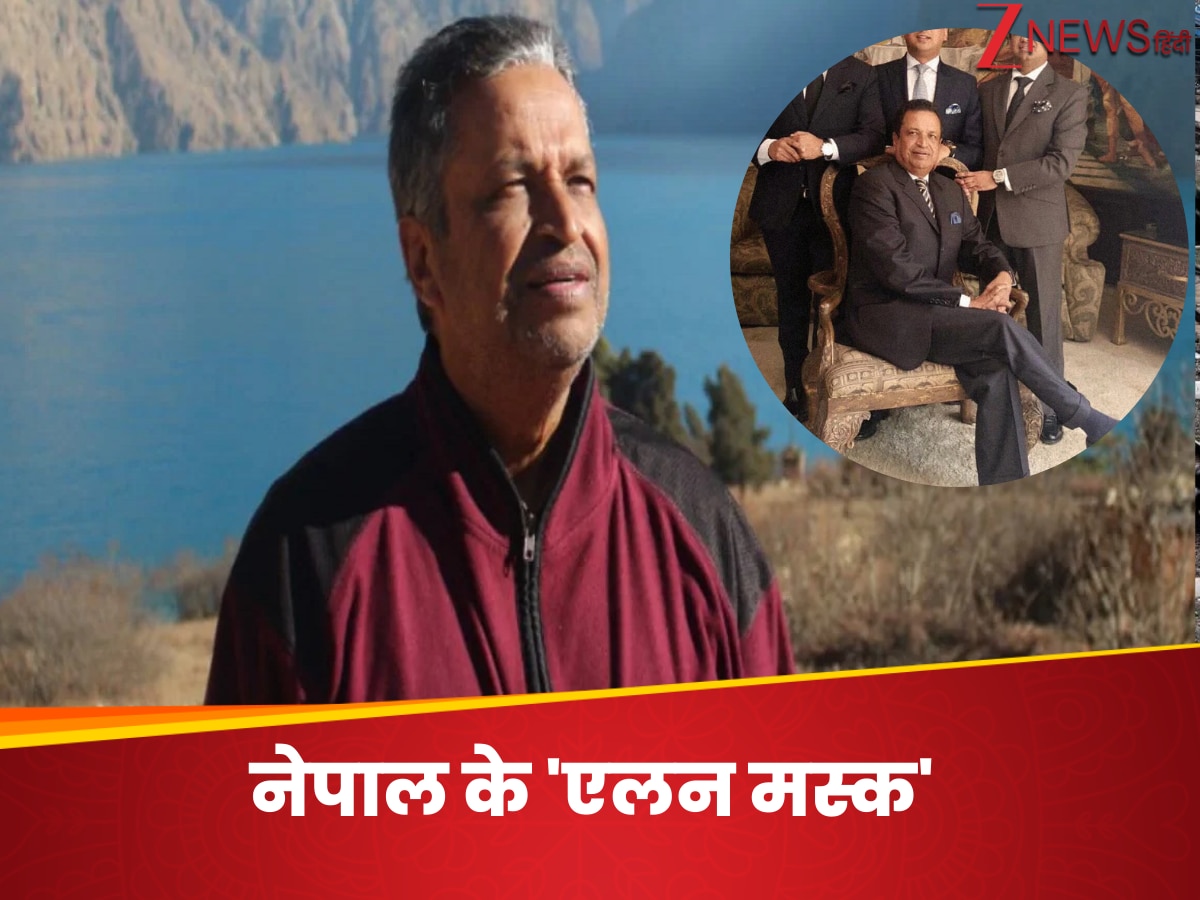
As of 2026, Binod Chaudhary remains the richest man in Nepal and the country's only individual featured on the Forbes Billionaires list. As the Chairman of CG Corp Global, his diversified portfolio spans FMCG, banking, hospitality, and electronics, with a net worth estimated at approximately $1.8 billion.
The story of wealth in Nepal is inextricably linked to the evolution of the Chaudhary Group (CG), a multi-generational conglomerate that transitioned from a small textile shop to a global empire. While other wealthy Nepalese individuals exist, particularly among the Non-Resident Nepali (NRN) community, Binod Chaudhary’s status as a resident billionaire and a prominent political figure makes him the central figure in any discussion regarding Nepalese wealth.
The Rise of Binod Chaudhary and CG Corp Global
To understand how Binod Chaudhary became the richest man in Nepal, one must look back at the origins of the Chaudhary Group. The foundation was laid by his grandfather, Bhuramull Chaudhary, a trader from Rajasthan, India, who migrated to Nepal in the late 19th century. Initially, the business involved selling textiles to the Nepalese royalty and elite.
The transition from a retail shop to an industrial powerhouse occurred under the leadership of Binod’s father, Lunkaran Das Chaudhary. He established the "Arun Emporium," Nepal’s first modern department store, and moved into construction and flooring. However, it was Binod Chaudhary who, upon taking the reins at the age of 18, transformed the family business into an international conglomerate.
In 2026, CG Corp Global is a massive entity with a presence in over 30 countries. Its operations are divided into several key sectors, including fast-moving consumer goods (FMCG), financial services, hospitality, energy, and education. The growth of the group is characterized by a "global-local" strategy—establishing strong roots in Nepal while aggressively expanding into international markets like India, Serbia, Egypt, and the United Arab Emirates.
Breaking Down the Net Worth: The Pillars of the Fortune
Binod Chaudhary’s wealth is not tied to a single asset but is distributed across a highly diversified international portfolio. This diversification has allowed his net worth to remain resilient even during periods of economic volatility in South Asia.
Wai Wai: The Instant Noodle Empire
The cornerstone of Chaudhary’s success is Wai Wai, an instant noodle brand that has become a household name not just in Nepal and India, but globally. In 2026, Wai Wai accounts for a significant portion of the global instant noodle market share. Unlike many competitors, Wai Wai is pre-cooked and flavored, allowing it to be eaten straight from the packet—a feature that drove its massive popularity.
CG Foods, the FMCG arm of the group, operates numerous manufacturing plants across the world. The brand’s expansion into the European and African markets in the early 2020s solidified its status as a global player. For many years, the revenue from Wai Wai has provided the liquidity necessary for the group to reinvest in capital-intensive sectors like banking and energy.
Banking and Financial Services
In Nepal’s domestic market, a major contributor to Chaudhary’s wealth is his stake in Nabil Bank. As one of the largest and most profitable private-sector banks in Nepal, Nabil Bank has consistently delivered high dividends. Under the guidance of CG, the bank has led the way in digital banking transformations within the country.
Beyond banking, the group has interests in insurance and remittance services. These financial entities benefit from Nepal’s unique economic structure, which is heavily reliant on inward remittances from migrant workers—a sector where CG has strategically positioned itself to facilitate transactions.
Hospitality and Real Estate
The hospitality sector is perhaps the most visible sign of Chaudhary’s global ambitions. Through CG Hotels and Resorts, he has partnered with world-renowned brands such as Taj Hotels (Indian Hotels Company Limited). This partnership includes iconic properties like the Taj Exotica in the Maldives and Meghauli Serai in Nepal’s Chitwan National Park.
As of 2026, the group owns or manages over 140 properties globally. Their "The Fern" brand of eco-friendly hotels has seen massive growth in India. By focusing on high-end luxury as well as sustainable mid-market options, the hospitality wing provides a stable, long-term asset base for the Chaudhary family.

Comparing Wealth in Nepal: The Top Contenders
While Binod Chaudhary is the only Forbes-recognized billionaire living in Nepal, he is not the only wealthy individual associated with the country. The following table compares the most prominent figures in the Nepalese economic landscape as of 2026.
| Name | Primary Source of Wealth | Status | Estimated Net Worth (2026) |
|---|---|---|---|
| Binod Chaudhary | CG Corp Global (FMCG, Banking) | Resident Billionaire | $1.8 Billion |
| Shesh Ghale | MIT Group (Education, Real Estate) | Non-Resident (Australia) | $1.2 Billion |
| Upendra Mahato | Electronics, Health, Banking | Non-Resident (Russia) | $800 - $900 Million |
| Jamuna Gurung | Education, Real Estate | Non-Resident (Australia) | $400 - $500 Million |
| Birendra Mahato | Energy, Infrastructure | Resident | $300 - $400 Million |
It is important to distinguish between resident citizens and Non-Resident Nepalis (NRNs). Shesh Ghale and Jamuna Gurung, the founders of the MIT Institute, are based in Australia and have built a significant portion of their wealth there. Upendra Mahato built his initial fortune in Russia before reinvesting heavily in Nepal. Binod Chaudhary remains the primary figure because his empire's headquarters and historical base remain firmly rooted in Kathmandu.
The Political Career of Nepal’s Billionaire
Binod Chaudhary’s influence extends far beyond the boardroom. He is a prominent member of the Nepali Congress, one of the country's oldest and most powerful political parties. Serving as a Member of Parliament, he has often advocated for economic liberalisation and policies that encourage foreign direct investment (FDI).
His entry into politics was driven by a stated desire to "rebuild Nepal" through economic reform. In his memoir, Making It Big, Chaudhary discusses the frustrations of doing business in a country hampered by political instability and slow bureaucracy. By holding a seat in the House of Representatives, he attempts to bridge the gap between the private sector and government policy. However, this dual role as a business tycoon and a lawmaker has occasionally sparked debates regarding potential conflicts of interest, particularly concerning banking and telecom regulations.
Philanthropy and Social Impact
The Chaudhary Foundation, the philanthropic arm of CG Corp Global, plays a vital role in the group’s public image. Following the devastating earthquake in Nepal in 2015, the foundation gained international recognition for its "CG Ashraya" project, which built thousands of transitional homes for survivors.
In 2026, the foundation’s focus has shifted toward sustainable development and digital literacy. Through various initiatives, they support:
- Social Entrepreneurship: Providing seed funding and mentorship to young Nepalese entrepreneurs.
- Education: Upgrading public schools and providing scholarships for higher education.
- Health: Establishing specialized clinics and supporting heart health initiatives across rural Nepal.
By integrating CSR (Corporate Social Responsibility) into his business model, Chaudhary has managed to maintain a level of public support that many other wealthy elites lack.
Challenges and Future Outlook for 2026
Despite his immense success, Binod Chaudhary’s journey has not been without hurdles. The Nepalese business environment is notoriously difficult, characterized by topographical challenges, energy shortages, and complex labor laws.
Regulatory Hurdles
One of the ongoing challenges for CG Corp Global has been the expansion of CG Telecom. For years, the group has faced regulatory roadblocks in obtaining a unified license to operate mobile services in Nepal. This struggle highlights the friction that can occur when a dominant private player enters a market controlled by state-owned or entrenched interests.
Succession Planning
As of 2026, the question of succession is increasingly relevant. Binod Chaudhary’s three sons—Nirvana, Rahul, and Varun—have taken on significant leadership roles within the group. Nirvana Chaudhary, based in Kathmandu, manages the domestic operations and the foundation, while Rahul and Varun oversee international hospitality and FMCG expansions respectively. The smooth transition of power to the fourth generation is critical for maintaining the group's momentum.
The 2026 Economic Landscape
The Nepalese economy in 2026 is at a crossroads. As the country moves toward graduating from "Least Developed Country" (LDC) status, the role of private conglomerates like CG becomes even more pivotal. Chaudhary’s focus on renewable energy, specifically hydropower, aligns with the national goal of becoming a net exporter of electricity to neighboring India and Bangladesh.
Frequently Asked Questions
Is Binod Chaudhary the only billionaire in Nepal?
According to the official Forbes Billionaires list, Binod Chaudhary is the only person currently residing in Nepal who holds billionaire status. While there are other wealthy individuals and families, many are either NRNs (Non-Resident Nepalis) or their wealth is not publicly documented through international financial audits.
How did Binod Chaudhary make his money?
The majority of his wealth comes from CG Corp Global, particularly the FMCG sector through the brand Wai Wai. He also holds significant shares in Nabil Bank and a vast international portfolio of luxury hotels and resorts. His ability to expand the business outside the small domestic market of Nepal into India and beyond was the key driver of his billionaire status.
Does Binod Chaudhary still run the Chaudhary Group?
While he remains the Chairman and the visionary leader, his three sons have taken over the day-to-day operations of the various divisions. Binod Chaudhary currently spends a significant portion of his time on his political responsibilities as a Member of Parliament and on global philanthropic initiatives.
What is the name of Binod Chaudhary’s book?
His autobiography is titled Making It Big. It details his journey from a small-town businessman in Kathmandu to becoming a global tycoon. The book serves as a roadmap for entrepreneurship in developing economies and provides insights into the challenges of the Nepalese business landscape.
Where is CG Corp Global headquartered?
The group is headquartered in Kathmandu, Nepal. However, it maintains regional offices in Singapore, Dubai, and Delhi to manage its international operations and global investments.
Practical Recommendation
For those looking to understand the mechanics of wealth in South Asia, studying the rise of Binod Chaudhary provides valuable lessons in diversification and risk management. If you are an entrepreneur or investor interested in the Nepalese market, the best next action is to monitor the annual reports of Nabil Bank and the news releases from CG Corp Global. These entities often serve as the primary indicators of the country's economic health and investment climate. Additionally, reading Making It Big offers a practical perspective on navigating the complexities of business in a developing nation.
Image Gallery
Select an image to open it in a new tab.


Celine Dubois
Contemporary Living and Global Arts Columnist
