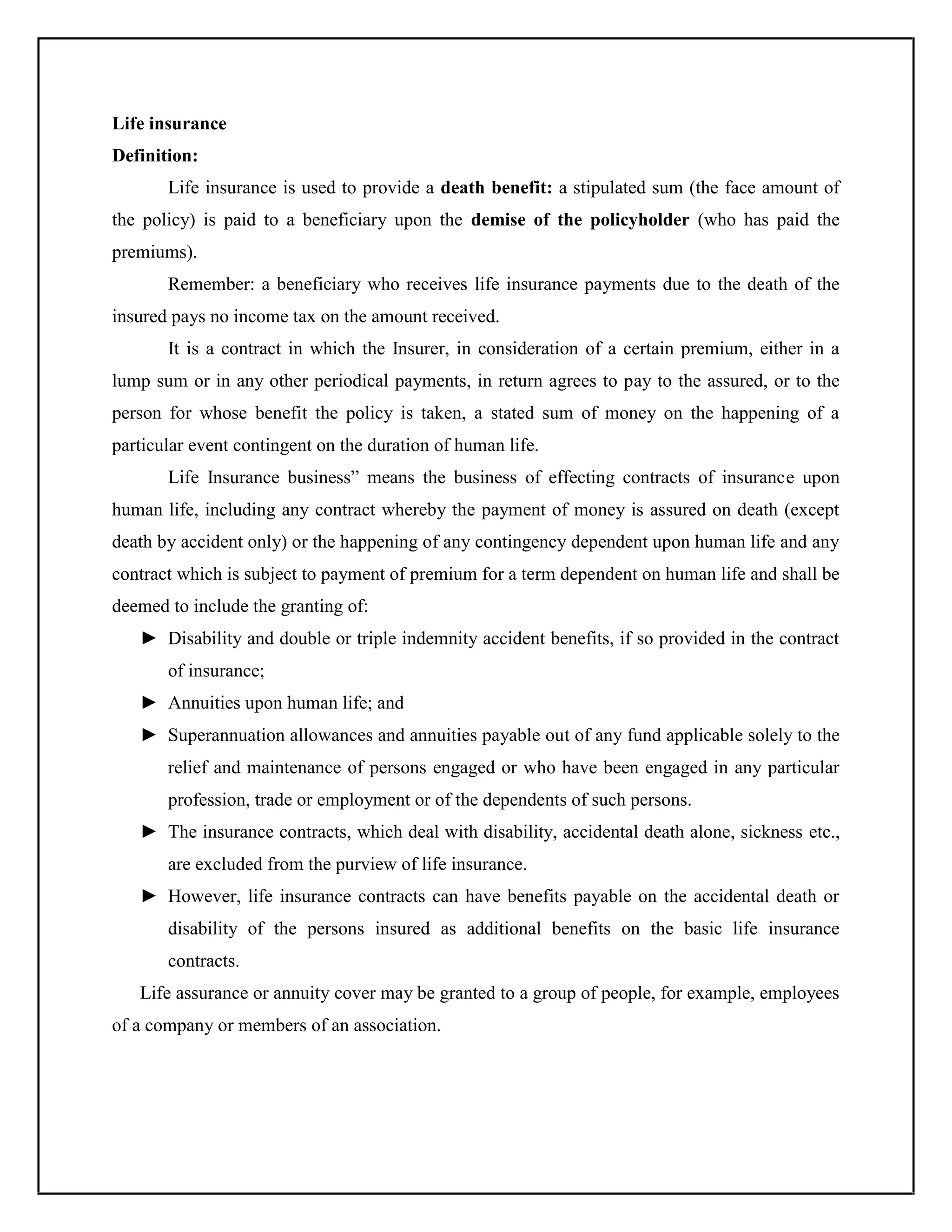
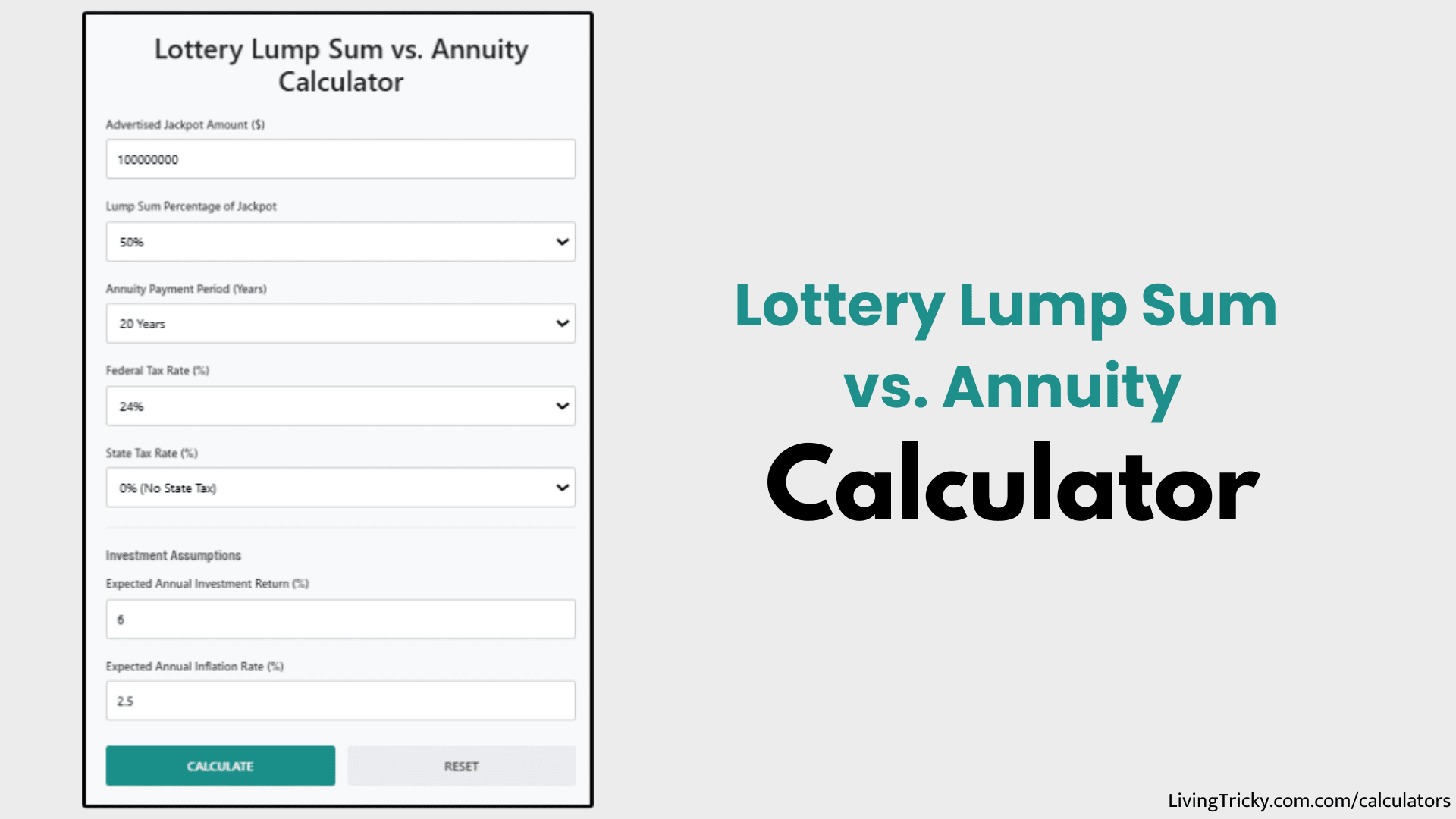
When a life insurance policy matures due to the death of the insured, beneficiaries must choose how to receive the death benefit. A lump sum provides the entire tax-free payout immediately, offering maximum control and liquidity. Conversely, an annuity (or settlement option) converts the death benefit into a series of periodic payments, providing long-term income stability and professional management of the funds.
Choosing between a life insurance annuity or a lump sum is one of the most significant financial decisions a beneficiary will face. In 2026, with evolving interest rate environments and shifting tax considerations, understanding the mechanics of each option is vital for long-term wealth preservation. This guide explores the technical details, tax implications, and strategic advantages of each payout method to help you make an informed choice.
Understanding Your Payout Options in 2026
When a policyholder passes away, the insurance company does not simply mail a check automatically. The beneficiary must file a claim and select a "settlement option." While the default for many remains the lump sum, insurance contracts typically offer several structured ways to receive the money.
The decision is often permanent. Once you choose a structured settlement or an annuity, you may lose the ability to access the remaining principal in an emergency. Therefore, the choice must align with your immediate liquidity needs, your long-term income requirements, and your comfort level with managing a significant windfall.
The Lump Sum Payout
The lump sum is the most common method of receiving life insurance proceeds. The insurance company issues a single payment for the full face value of the policy (minus any outstanding policy loans or unpaid premiums).
Advantages of the Lump Sum:
- Immediate Liquidity: You have instant access to the full amount to pay for funeral expenses, medical bills, or high-interest debt like mortgages and credit cards.
- Investment Control: You can move the money into your own brokerage accounts, real estate, or diversified portfolios. If you are an experienced investor, you may be able to generate higher returns than the insurance company’s guaranteed interest rate.
- Tax Simplicity: Under Internal Revenue Code Section 101(a)(1), life insurance death benefits are generally received income tax-free. Receiving the money all at once does not increase your taxable income for the year.
Disadvantages of the Lump Sum:
- Management Burden: Receiving a large sum of money can be overwhelming. Beneficiaries may face "sudden wealth syndrome," leading to impulsive spending or poor investment choices.
- No Longevity Protection: Once the money is spent or lost in a market downturn, it is gone. There is no built-in mechanism to ensure the money lasts for the rest of your life.
The Annuity (Settlement Option)
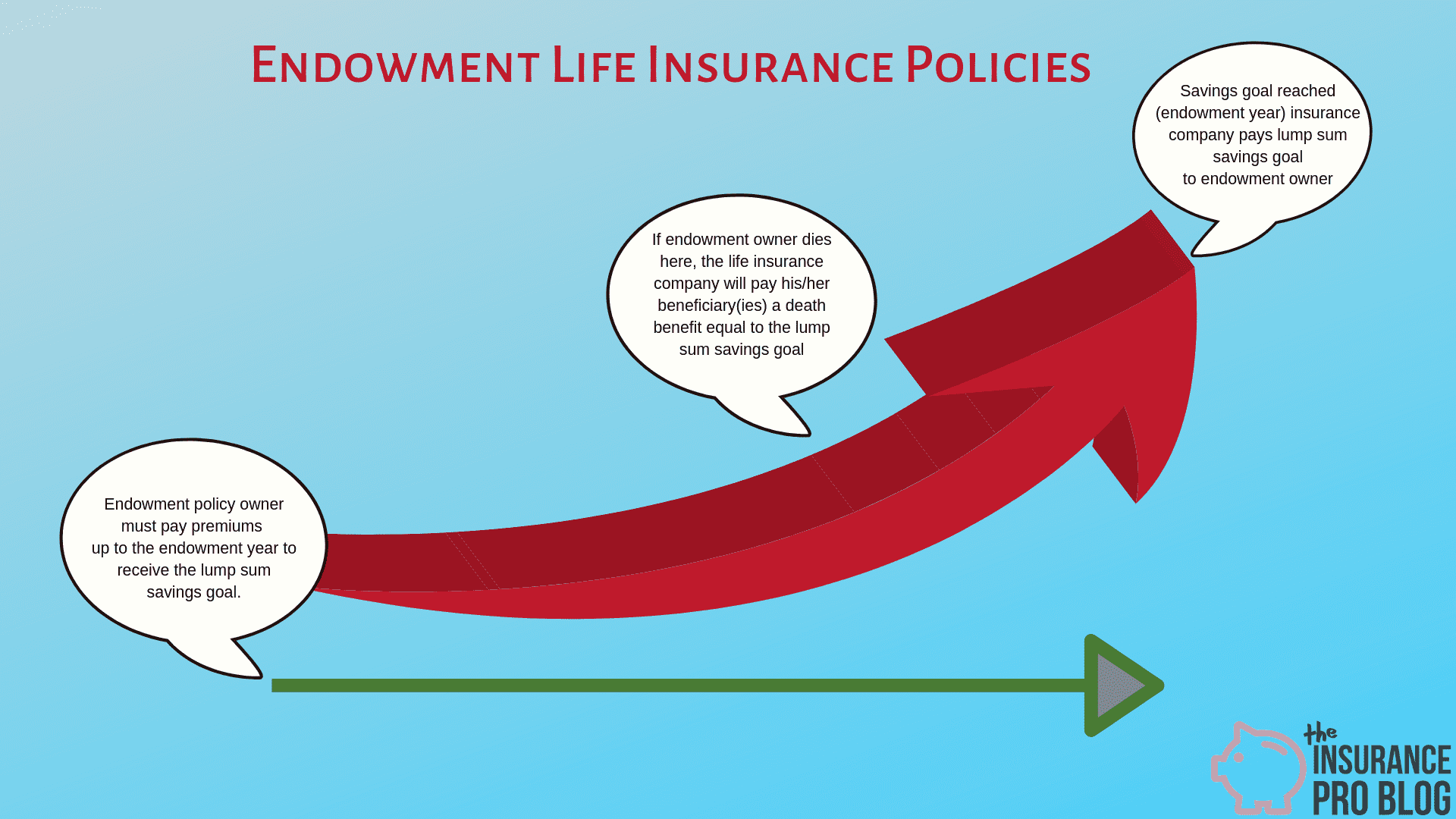
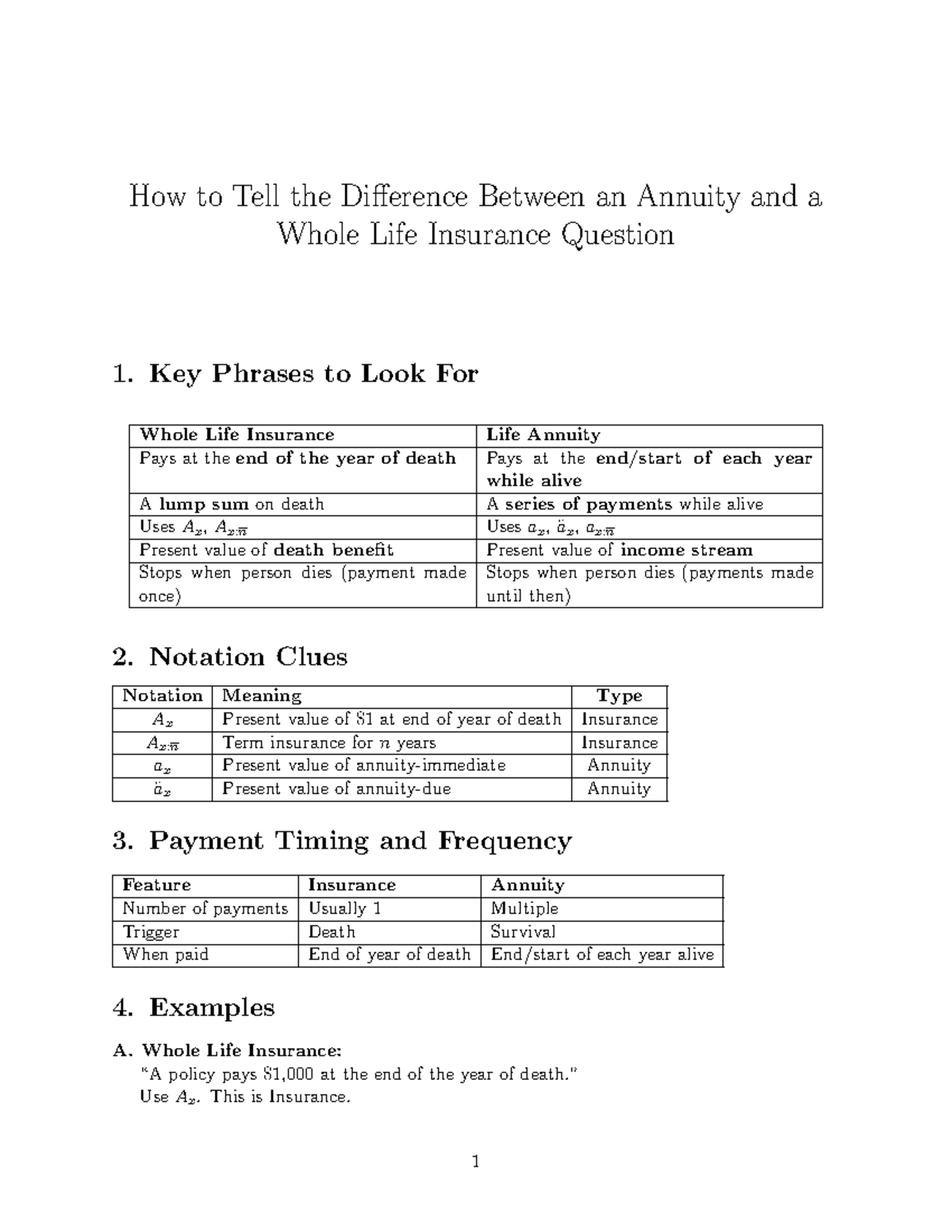
In the context of life insurance, "annuity" usually refers to a settlement option where the insurer retains the death benefit and pays it out over a specified period. The insurer adds interest to the remaining balance, which provides a slightly higher total payout over time compared to the initial death benefit.
Advantages of the Annuity Option:
- Guaranteed Income: It creates a reliable "paycheck" that can supplement Social Security or pension income.
- Professional Management: The insurance company handles the investment of the principal. You do not have to worry about stock market volatility or rebalancing a portfolio.
- Spendthrift Protection: For beneficiaries who struggle with budgeting, an annuity prevents the total depletion of assets in a short period.
Disadvantages of the Annuity Option:
- Taxable Interest: While the original death benefit remains tax-free, any interest earned on that principal while the insurance company holds it is considered taxable income.
- Inflation Risk: Fixed annuity payments may lose purchasing power over decades if they do not include a cost-of-living adjustment (COLA).
- Inflexibility: Most settlement options are irrevocable. If you need a large sum for a medical emergency five years from now, you may not be able to accelerate the payments.
Common Settlement Option Structures
If you opt for an annuity-style payout, you must select a specific structure. These options determine how long the payments last and what happens to the money if you, the beneficiary, also pass away.
Life Income (Straight Life)
This option provides payments for as long as the beneficiary lives. The insurance company calculates the payment amount based on the beneficiary’s life expectancy. If you live to 105, the company continues to pay, even if they have paid out more than the original death benefit. However, if you die shortly after starting the payments, the insurance company typically keeps the remaining balance.
Life Income with Period Certain
This is a hybrid approach. It provides a lifetime income, but also guarantees that payments will continue for a minimum number of years (e.g., 10 or 20 years) to a secondary beneficiary if the primary beneficiary dies prematurely. Because of this guarantee, the monthly payment is slightly lower than a Straight Life option.
Fixed Period (Installments for a Set Time)
The death benefit and interest are paid out over a specific timeframe, such as 15 years. This is ideal for beneficiaries who need income until they reach a certain milestone, such as retirement age or until children graduate from college.
Fixed Amount
You choose a specific monthly amount (e.g., $5,000) to receive until the principal and interest are exhausted. The duration of the payments depends on the interest rate the insurer applies to the balance.
Interest-Only Option
The insurance company holds the principal and only pays out the interest earned. This preserves the full death benefit for a later date or for secondary beneficiaries. It is often used as a "holding pattern" while a beneficiary decides on a permanent financial strategy.

Comparative Analysis: Lump Sum vs. Annuity
The following table compares the two primary paths across several critical financial metrics for 2026.
| Feature | Lump Sum Payout | Annuity / Settlement Option |
|---|---|---|
| Access to Funds | Full, immediate access to 100% of the benefit. | Periodic payments; limited or no access to principal. |
| Tax Treatment | Generally 100% tax-free income. | Principal is tax-free; interest earned is taxable. |
| Risk Profile | High; depends on beneficiary's management. | Low; backed by the insurer’s claims-paying ability. |
| Investment Returns | Variable; depends on market performance. | Fixed or indexed; usually lower but guaranteed. |
| Inflation Protection | Possible through diversified investing. | Often low; fixed payments may lose value over time. |
| Best For | Debt payoff, large purchases, or savvy investors. | Long-term budgeting and retirement income. |
Key Factors to Consider Before Choosing
As of 2026, several macroeconomic and personal factors should influence your decision-making process.
1. Current Debt and Immediate Liabilities
If the deceased left behind significant debt—such as a mortgage with a high interest rate, student loans, or medical bills—using a portion of a lump sum to clear these liabilities is often the most mathematically sound move. Eliminating a 7% interest debt is equivalent to earning a guaranteed 7% return on your money, which is likely higher than what an insurance company’s settlement option will offer.
2. Tax Bracket and Income Needs
The interest portion of an annuity payout is taxed at ordinary income rates. If you are currently in a high tax bracket, receiving interest income might push you into a higher tier. Conversely, if you are retired or in a lower bracket, the tax impact may be negligible compared to the benefit of having a guaranteed income stream.
3. Financial Discipline
Be honest about your relationship with money. Statistics from the National Association of Insurance Commissioners (NAIC) suggest that a significant percentage of large windfalls are spent within a few years. If you are concerned about your ability to manage a large sum, or if you are being pressured by relatives for "loans," placing the money in a structured annuity provides a legal and practical shield.
4. The Interest Rate Environment in 2026
In a high-interest-rate environment, the "Fixed Period" or "Interest-Only" options become more attractive because the insurer will credit your balance with higher rates. If interest rates are low, you might be better off taking the lump sum and investing in a diversified portfolio of low-cost index funds or other assets that historically outperform insurance company guarantees.
Tax Considerations for 2026 Beneficiaries
Under federal law, the face amount of a life insurance policy is not considered "gross income." However, the "Transfer-for-Value" rule or policies held within certain employer-sponsored plans can occasionally create tax liabilities.
When you select an annuity option, the insurance company is required to use an "exclusion ratio." This formula determines what portion of each payment represents the tax-free death benefit and what portion represents taxable interest. The insurer will provide a Form 1099-R at the end of the year detailing the taxable amount.
It is also important to consider state taxes. Most states follow federal guidelines regarding life insurance proceeds, but a few have specific inheritance tax nuances that could apply if the estate exceeds certain thresholds. Consulting a tax professional is recommended for payouts exceeding $1 million.
How to Process the Payout Claim
Regardless of the option you choose, the process for claiming the benefit remains largely the same.
- Obtain Certified Death Certificates: You will need several copies, as the insurer, banks, and Social Security Administration will require them.
- Contact the Insurance Agent or Company: Notify them of the death to initiate the "claim kit" delivery.
- Review the Policy Document: Some policyholders include a "Settlement Option Election" which dictates how the money must be paid out. If the deceased made an irrevocable choice, you must follow it.
- Submit the Claim Form: Clearly mark your chosen payout method. If you choose an annuity, you will need to specify the structure (e.g., Life with 10-Year Certain).
- Verify the Payout: For lump sums, the funds are often deposited into a "retained asset account" (essentially a checkbook) or wired directly to your bank. Ensure you understand the interest rate being paid on retained asset accounts, as they are often lower than standard savings accounts.
Frequently Asked Questions
Can I change my mind after choosing an annuity?
In most cases, no. Once the settlement agreement is signed and payments begin, the option is typically irrevocable. Some modern policies in 2026 may offer "liquidity riders" that allow for a one-time partial withdrawal, but these are exceptions rather than the rule.
Is the lump sum always tax-free?
The death benefit itself is tax-free. However, if the insurance company delayed the payment and paid "delayed interest" on the sum, that specific interest portion is taxable. Additionally, if the policy was sold in a life settlement before the insured died, different tax rules apply.
What happens if the insurance company goes bankrupt?
Life insurance companies are regulated at the state level. Each state has a Life and Health Insurance Guaranty Association that provides coverage for policyholders if an insurer fails. In 2026, these limits typically range from $300,000 to $500,000 per person, depending on the state. If your death benefit is larger than the state limit, a lump sum might be safer as it removes the long-term credit risk of the insurer.
Can I take a partial lump sum and put the rest in an annuity?
Yes, many insurers allow for "split settlements." You can take a portion (e.g., $100,000) as a lump sum to handle immediate needs and place the remainder into a structured settlement option to provide ongoing income.
Which option is better for a young beneficiary?
A younger beneficiary might benefit more from a lump sum invested in growth-oriented assets (like stocks) because they have a longer time horizon to weather market volatility. However, if the young beneficiary lacks financial experience, a fixed-period annuity (e.g., until age 35) can prevent early depletion of the funds.
Final Recommendation
There is no "correct" choice between a life insurance annuity and a lump sum; there is only the choice that best fits your current financial health. If you have high-interest debt or the skills to manage a portfolio, the lump sum is usually the superior choice due to its flexibility and tax efficiency.
However, if your primary goal is to ensure you never outlive your money, or if you want to create a "set it and forget it" income stream, the annuity settlement option is a powerful tool. Before making a final selection, calculate your monthly expenses, assess your tax bracket, and consider consulting with a fee-only financial planner to model how each choice impacts your net worth over the next twenty years.
Image Gallery
Select an image to open it in a new tab.



Zara El-Hashem
Sociocultural Dynamics and Academics Writer
