Examining the Multifaceted Impact of AIDS in Africa: Historical Context, Healthcare Transformations, and Socioeconomic Realities

The impact of AIDS in Africa encompasses a profound public health crisis that has profoundly shaped demographic structures, healthcare systems, economic productivity, and social safety nets across the continent, particularly in sub-Saharan Africa, over the past several decades.
Historical Context and the Rise of the Epidemic
To understand the contemporary landscape of HIV and AIDS in Africa, it is necessary to examine how the epidemic emerged and escalated during the late 20th century. While sporadic cases of immunodeficiency existed earlier, the widespread transmission of the human immunodeficiency virus (HIV) accelerated rapidly during the late 1970s and 1980s.
Emergence and Early Spread
The earliest documented evidence of HIV infection in humans traces back to central Africa, with genetic tracing pointing toward urban centers connected by expanding transportation networks and trade routes. As populations shifted from rural environments to rapidly growing cities, social dynamics shifted, and epidemiological vulnerabilities multiplied.
During the 1990s, the epidemic transitioned from a localized public health concern into a generalized crisis. In several nations of southern and eastern Africa, adult HIV prevalence rates climbed past 20% or even 30%. Health ministries found themselves overwhelmed by an influx of patients suffering from opportunistic infections such as tuberculosis (TB), cryptococcal meningitis, and wasting syndrome. Medical infrastructure, which was already strained by underfunding and structural adjustment programs, lacked the bed capacity, diagnostic tools, and therapeutic regimens required to manage the surge.
The Stigma Era and Initial Responses
In the early decades of the epidemic, social stigma and discrimination severely hampered public health interventions. Fear of ostracization discouraged individuals from seeking voluntary counseling, getting tested, or disclosing their status to partners. Governments and international bodies initially struggled to formulate cohesive responses. However, grassroots activism, civil society organizations, and pioneering public health initiatives gradually forced a shift toward open dialogue, community-based education, and human rights-based approaches to care.
Demographic and Societal Transformations
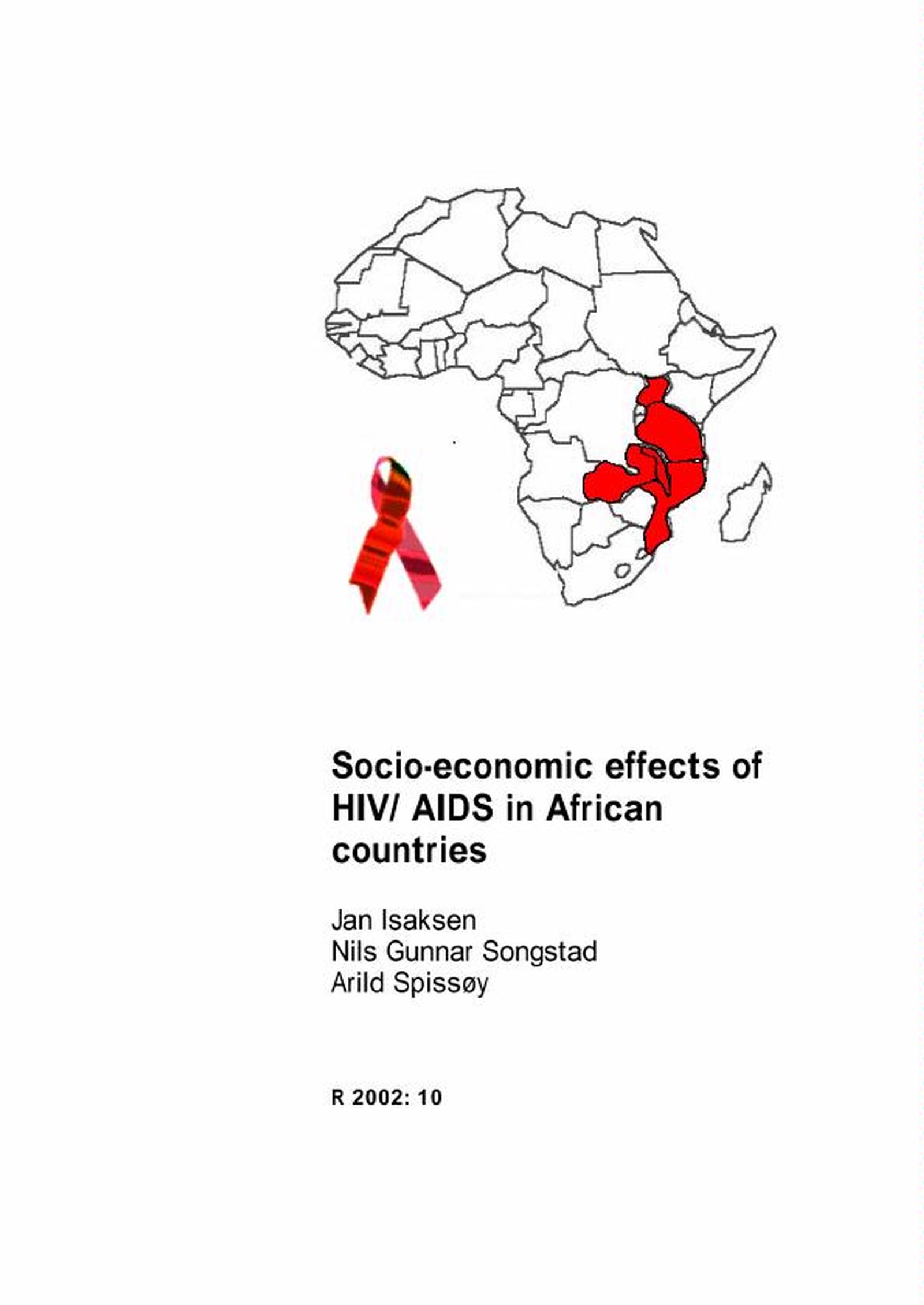
The demographic footprint of the AIDS epidemic in Africa is historic in scale, altering population pyramids, family structures, and community dynamics in the worst-affected regions.
Mortality and Life Expectancy Shifts
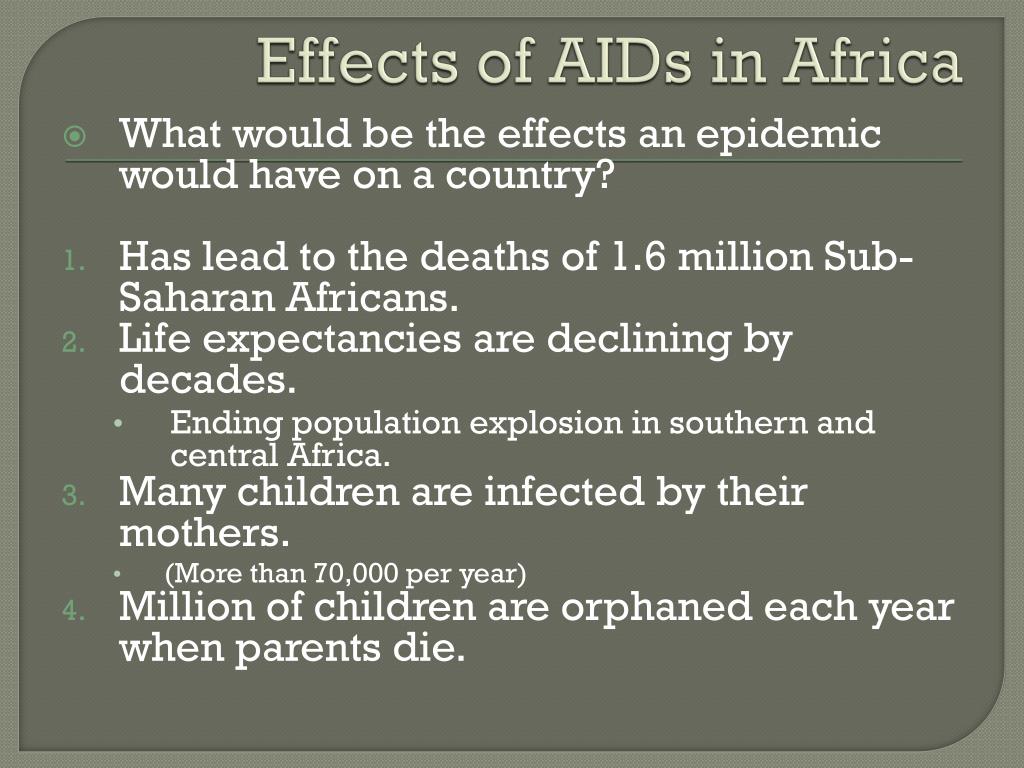
At the peak of the crisis in the late 1990s and early 2000s, life expectancy at birth in several southern African nations dropped dramatically—in some cases falling by more than a decade within a span of ten years. Working-age adults, the primary economic engine of households and societies, experienced the highest mortality rates.
This loss of young adults created a generation of vulnerable children. Millions of minors lost one or both parents to AIDS-related illnesses, giving rise to the structural phenomenon of "AIDS orphans." Extended families, particularly grandmothers, absorbed the immense responsibility of raising these children, often without adequate financial support or social safety nets. Community-based organizations stepped in to establish support systems, yet the psychological and developmental toll on children remained profound.
Gender Disparities in Vulnerability
The epidemic has consistently displayed a gendered dimension across the African continent. Young women and adolescent girls are disproportionately affected by HIV compared to their male peers of the same age. Biological susceptibility, combined with systemic socioeconomic inequalities, gender-based violence, transactional relationships, and unequal power dynamics in sexual decision-making, leaves women uniquely exposed to infection. Public health strategies have increasingly focused on structural interventions that empower women economically, improve access to education, and protect legal rights to reduce this vulnerability.
Economic Consequences across Sectors
The macroeconomic and microeconomic impacts of HIV and AIDS extend deeply into national development, labor productivity, and household stability.
Labor Force Depletion and Productivity
In high-prevalence countries, the illness and death of prime-age workers reduced labor productivity across both formal and informal sectors. Agriculture, which forms the backbone of many rural economies in sub-Saharan Africa, suffered significantly. When farmers fell ill during critical planting or harvesting seasons, crop yields plummeted, leading to household food insecurity and localized malnutrition.
Similarly, public sectors experienced severe disruptions. Educational systems lost thousands of experienced teachers to AIDS-related illnesses, increasing student-teacher ratios and degrading the quality of instruction. Healthcare systems faced a double burden: a skyrocketing number of patients requiring intensive care alongside high rates of HIV infection among healthcare workers themselves before universal access to treatment and occupational safety protocols became standard.
Household Coping Strategies and Out-of-Pocket Costs
At the microeconomic level, households grappling with chronic illness face severe financial strain. Direct costs include expenditures on transportation to clinics, diagnostic tests, palliative care, and traditional remedies. Indirect costs stem from lost working hours as family members take time off to care for sick relatives. To cope with these shocks, families frequently resort to negative coping strategies, such as selling productive assets like livestock or land, pulling children out of school to save on fees or utilize their labor, and borrowing money at high interest rates.
The Public Health Turnaround: Treatment and Prevention
Despite the severe challenges outlined above, the response to HIV and AIDS in Africa represents one of the most significant public health achievements in modern history, driven by scientific innovation, political will, and international solidarity.
Scale-Up of Antiretroviral Therapy (ART)
The turning point in the epidemic occurred when international funding mechanisms—such as the Global Fund to Fight AIDS, Tuberculosis and Malaria, and the United States President's Emergency Plan for AIDS Relief (PEPFAR)—began channeling billions of dollars into resource-limited settings. These investments enabled the mass procurement and distribution of antiretroviral therapy (ART).
| Intervention Category | Historical Approach (1990s–2000s) | Modern Approach (Contemporary Era) |
|---|---|---|
| Diagnostic Testing | Delayed diagnosis, Western blot tests requiring centralized laboratories, widespread fear and stigma. | Rapid point-of-care antibody and nucleic acid tests, self-testing kits, routine screening in antenatal clinics. |
| Treatment Initiation | Deferred until CD4 counts dropped critically low (severe immunosuppression); complex multi-pill regimens. | "Test and Start" protocols offering immediate ART upon diagnosis; streamlined single-pill daily regimens. |
| Prevention Strategies | Primary focus on abstinence and basic condom distribution ("ABC" approach). | Comprehensive combination prevention including PrEP, PEP, VMMC, U=U (Undetectable = Untransmittable), and harm reduction. |
| Maternal Transmission | High rates of vertical transmission; limited access to prophylactic drugs. | Universal lifelong ART for pregnant women; near-elimination of mother-to-child transmission in well-resourced programs. |
Biomedical Innovations in Prevention
Modern prevention science has expanded far beyond traditional barrier methods. Biomedical interventions now play a central role in driving down new infections:
- Pre-Exposure Prophylaxis (PrEP): Oral medications and long-acting injectables taken by HIV-negative individuals to significantly reduce the risk of acquiring the virus.
- Post-Exposure Prophylaxis (PEP): Emergency antiretroviral medications taken within 72 hours of potential exposure to prevent established infection.
- Voluntary Medical Male Circumcision (VMMC): Clinical trials confirmed that medical circumcision reduces a man's risk of acquiring heterosexually transmitted HIV by approximately 60%, prompting massive rollout campaigns across East and Southern Africa.
- Undetectable = Untransmittable (U=U): Robust scientific consensus demonstrates that individuals living with HIV who achieve and maintain an undetectable viral load through consistent ART cannot sexually transmit the virus to others.
Comparative Regional Dynamics
The impact of AIDS across Africa is far from uniform. Sub-Saharan Africa is home to distinct epidemiological zones with varying trajectories.
Eastern and Southern Africa
This region historically bore the heaviest burden of the epidemic, accounting for the highest absolute numbers of people living with HIV globally. Countries such as South Africa, Eswatini, Botswana, and Zimbabwe experienced catastrophic mortality rates in the 2000s. However, due to aggressive national treatment campaigns, high political commitment, and robust civil society mobilization, these nations have achieved the most dramatic turnaround. Many have met or exceeded global treatment targets, resulting in sharp declines in annual AIDS-related deaths and new infections.
Western and Central Africa
In contrast, Western and Central Africa have experienced a more protracted, lower-prevalence generalized epidemic. Stigma often remains more pronounced, and healthcare delivery infrastructure is frequently fragmented by political instability, civil conflict, and fragile governance structures. Consequently, scale-up of pediatric treatment, viral load monitoring, and targeted prevention services for key populations has faced systemic hurdles, requiring tailored approaches distinct from those successful in the southern cone.
Persistent Challenges and the Path Forward
While millions of lives have been saved and life expectancies have rebounded across much of the continent, significant challenges remain on the horizon.
Reaching Marginalized and Key Populations
Despite broad population-level coverage, certain groups continue to experience disproportionate barriers to accessing HIV services due to criminalization, social marginalization, and human rights violations. These populations include men who have sex with men, female sex workers, people who inject drugs, and transgender individuals. Public health frameworks increasingly emphasize the necessity of decriminalization, community-led monitoring, and non-discriminatory healthcare delivery to reach these vulnerable groups effectively.
Funding Sustainability and Domestic Resourcing
Historically, international donors have provided the lion's share of financing for HIV prevention, testing, and treatment programs in Africa. As donor priorities shift and global economic pressures mount, African governments face the imperative of increasing domestic health budgets and institutionalizing sustainable financing models, such as national health insurance schemes and innovative tax mechanisms, to ensure long-term programmatic resilience.
Integration with Broader Health Systems
The long-term success of HIV management relies on moving away from isolated, vertical disease programs toward fully integrated primary healthcare systems. Managing HIV alongside non-communicable diseases (such as hypertension and diabetes), mental health services, sexual and reproductive health care, and pandemic preparedness ensures that health infrastructure can withstand future systemic shocks while continuing to serve aging cohorts of people living long, healthy lives with HIV.
Frequently Asked Questions
What caused the high concentration of HIV cases in sub-Saharan Africa?
The concentration of HIV cases in sub-Saharan Africa was driven by a complex interplay of historical, socioeconomic, and epidemiological factors. Rapid urbanization, extensive transportation networks that facilitated mobility, untreated co-existing sexually transmitted infections, and structural inequalities—including poverty and gender disparities—created an environment where the virus could spread rapidly before targeted interventions were developed.
How has antiretroviral therapy (ART) changed life expectancy in Africa?
The widespread availability of ART has revolutionized life expectancy across the continent. In countries heavily impacted by the crisis, life expectancy plummeted in the late 1990s and early 2000s. Following the scale-up of treatment programs in the 2000s and 2010s, life expectancy has steadily rebounded, allowing millions of people living with HIV to lead healthy, productive, and long lives.
What is the concept of "U=U" and why is it important in Africa?
"U=U" stands for "Undetectable = Untransmittable." It signifies that an individual living with HIV who takes antiretroviral therapy consistently and achieves an undetectable viral load in their blood cannot sexually transmit the virus to partners. This scientific reality is crucial for reducing HIV-related stigma, encouraging routine testing, and motivating adherence to treatment programs.
Are there vertical transmission programs preventing mother-to-child infection?
Yes. Prevention of Mother-to-Child Transmission (PMTCT) programs provide pregnant women living with HIV with antiretroviral medications during pregnancy, labor, and breastfeeding. When properly implemented, these protocols reduce the risk of transmitting the virus to the infant to less than 2%, effectively preventing congenital HIV infection in high-burden settings.
What financial and systemic challenges currently face HIV programs in Africa?
Current challenges include heavy reliance on external donor funding, the need to integrate lifelong HIV care with aging populations facing non-communicable diseases, and legal or social barriers that restrict access to care for marginalized and key populations. Strengthening domestic health financing and community-led health systems are critical current priorities.
Next Steps and Recommended Actions
For researchers, policymakers, clinicians, and public health advocates engaging with the topic of HIV and AIDS in Africa, the following actions are recommended:
- Consult Primary Data: Review official epidemiological updates from UNAIDS and the World Health Organization (WHO) for country-specific prevalence and treatment cascade data.
- Support Community-Led Initiatives: Prioritize funding and operational support for grassroots organizations that understand local cultural contexts and reach marginalized populations effectively.
- Invest in Integrated Health Systems: Advocate for policies that embed HIV care within comprehensive primary healthcare frameworks to address the multi-morbidity needs of aging populations.
Image Gallery
Select an image to open it in a new tab.



Akira Tanaka
International Academic Trends Correspondent
