
Regular physical activity is one of the most powerful interventions available for improving physiological function, enhancing mental resilience, and extending the healthspan of women. Engaging in structured physical exercise helps mitigate chronic disease risks, preserves bone density, regulates metabolic function, and supports neurological health across all stages of the female lifespan.
Understanding the Physiological Landscape of Female Health and Movement
Physical activity affects female physiology through complex endocrine, cardiovascular, and musculoskeletal pathways. Historically, medical and exercise science research focused heavily on male subjects, leaving a significant gap in data regarding how women respond to physical conditioning. Contemporary sports science and medical research now recognize that sex-specific hormonal fluctuations, anatomical differences, and metabolic profiles require tailored approaches to physical fitness.
Exercise acts as a systemic stimulus, triggering cellular adaptations that counteract the natural aging process and the sedentary pressures of modern environments. When women engage in regular physical exertion, their bodies undergo acute stress followed by restorative recovery, leading to improved muscular strength, enhanced vascular elasticity, and better glycemic control. Understanding these mechanisms is the first step toward building a sustainable, evidence-based fitness routine that addresses the unique needs of the female body.
Cardiovascular Health and Metabolic Efficiency
Cardiovascular disease remains a leading cause of mortality among women globally, yet regular aerobic conditioning provides a robust protective shield. Aerobic or endurance exercise—such as brisk walking, running, cycling, or swimming—demands increased output from the heart and lungs, prompting physiological adaptations that lower resting heart rates and improve stroke volume.
Vascular Adaptations and Blood Pressure Regulation
Engaging in consistent aerobic movement stimulates the production of nitric oxide within the endothelium, the inner lining of blood vessels. Nitric oxide causes blood vessels to dilate, which reduces peripheral resistance and helps maintain healthy blood pressure levels. This vascular flexibility decreases the long-term strain on the heart muscle, significantly lowering the risk of stroke and coronary artery disease.
Metabolic Regulation and Insulin Sensitivity
Metabolic health is deeply intertwined with muscle mass and physical activity. Muscle tissue is a primary site for glucose disposal. When women perform regular exercise, muscle cells increase their expression of GLUT4 glucose transporters, pulling sugar out of the bloodstream with greater efficiency regardless of insulin availability. This process lowers systemic inflammation, reduces visceral adipose tissue, and prevents the development of type 2 diabetes.

Musculoskeletal Preservation: Bone Density and Muscle Mass
As women age, hormonal shifts—particularly the decline in estrogen during the transition to menopause—accelerate the loss of bone mineral density and muscle mass. This transition elevates the risk of osteopenia, osteoporosis, and sarcopenia, conditions that can compromise mobility and lead to debilitating fractures.
The Role of Resistance Training in Bone Remodeling
Bone is a dynamic living tissue that responds to mechanical loading. When skeletal muscles pull on bones during resistance training or weight-bearing exercises, bone-forming cells called osteoblasts are activated to deposit new matrix material. Heavy compound movements, such as squats, deadlifts, and overhead presses, provide the axial loading necessary to stimulate bone mineral accrual and preservation.
Sarcopenia Prevention and Functional Independence
Preserving muscle mass through strength training ensures long-term metabolic health and physical independence. Maintaining functional strength protects joints, improves balance, and prevents accidental falls later in life.
| Exercise Type | Primary Physiological Benefit | Recommended Frequency | Key Modalities |
|---|---|---|---|
| Resistance Training | Bone density preservation and muscle hypertrophy | 2 to 3 sessions per week | Free weights, resistance bands, bodyweight movements |
| Cardiovascular Training | Endothelial function and metabolic conditioning | 150 minutes of moderate intensity weekly | Brisk walking, cycling, swimming, rowing |
| Balance and Flexibility | Fall prevention and joint mobility | Daily or integrated into warm-ups | Yoga, Pilates, dynamic stretching, tai chi |
Hormonal Balance and Reproductive Health
Hormones dictate numerous aspects of a woman's well-being, from energy regulation to emotional stability. Exercise directly influences endocrine function, offering relief from symptoms associated with hormonal transitions such as polycystic ovary syndrome (PCOS), the menstrual cycle, and menopause.
Managing Polycystic Ovary Syndrome (PCOS)
PCOS is a common endocrine disorder characterized by insulin resistance and elevated androgen levels. Structured exercise regimens that combine resistance training and aerobic activity improve insulin sensitivity, lower circulating insulin, and help regulate ovarian function, thereby reducing clinical symptoms of the condition.
Navigating Perimenopause and Menopause
During perimenopause and postmenopause, fluctuating and declining estrogen levels can disrupt sleep, alter mood, and accelerate fat accumulation around the abdomen. Regular physical exertion helps buffer these changes by releasing endorphins, improving sleep architecture, and supporting weight management through increased total daily energy expenditure.
Mental Health, Cognitive Preservation, and Stress Reduction
The benefits of physical activity extend far beyond physical appearance and metabolic function; they exert profound effects on neurological health and psychological well-being.
Neurotransmitter Regulation and Mood Enhancement
Exercise stimulates the release of neurotransmitters such as serotonin, dopamine, and norepinephrine, which play vital roles in mood regulation. Furthermore, physical activity triggers the production of brain-derived neurotrophic factor (BDNF), a protein that supports the survival of existing neurons and encourages the growth of new neuronal connections in the hippocampus, the brain region associated with memory and learning.
Cortisol Modulation and Anxiety Mitigation
Chronic psychological stress keeps cortisol levels elevated, which can lead to sleep disturbances, immune suppression, and systemic inflammation. Structured physical activity acts as a physiological outlet for stress, helping to re-establish healthy cortisol rhythms and lower baseline anxiety levels.
Designing a Balanced Exercise Prescription for Women
To maximize health outcomes, women should aim for a balanced exercise routine that incorporates multiple modalities rather than relying on a single type of movement.
- Establish Baseline Assessments: Evaluate current fitness levels, schedule regular medical check-ups, and identify any pre-existing musculoskeletal limitations or chronic conditions.
- Prioritize Consistency Over Intensity: Sustainable habits yield superior long-term health outcomes compared to sporadic, overly intense workout routines that lead to burnout or injury.
- Incorporate Progressive Overload: Gradually increase the weight, resistance, repetitions, or duration of exercises over time to continue challenging the cardiovascular and musculoskeletal systems.
- Prioritize Recovery and Sleep: Adequate rest between training sessions is essential for tissue repair, hormonal balance, and psychological recovery.
Common Mistakes and Barriers to Effective Training
Many women encounter hurdles when establishing a consistent exercise routine, often stemming from pervasive fitness myths or practical time constraints.
- The Chronic Cardio Trap: Relying exclusively on steady-state cardio while neglecting resistance training limits improvements in bone density and metabolic rate.
- Undereating Relative to Activity: Engaging in strenuous physical training without adequate caloric and protein intake can lead to relative energy deficiency in sport (REDs), disrupting the menstrual cycle and compromising bone health.
- Neglecting Proper Technique: Rushing through movements without proper form increases the likelihood of joint strain and soft-tissue injury. Prioritizing movement quality over speed or weight is essential.
- Inflexible Programming: Failing to adjust training intensity based on daily recovery levels, sleep quality, or hormonal fluctuations can lead to overtraining and chronic fatigue.
Frequently Asked Questions
How much weekly exercise do women need for optimal health?
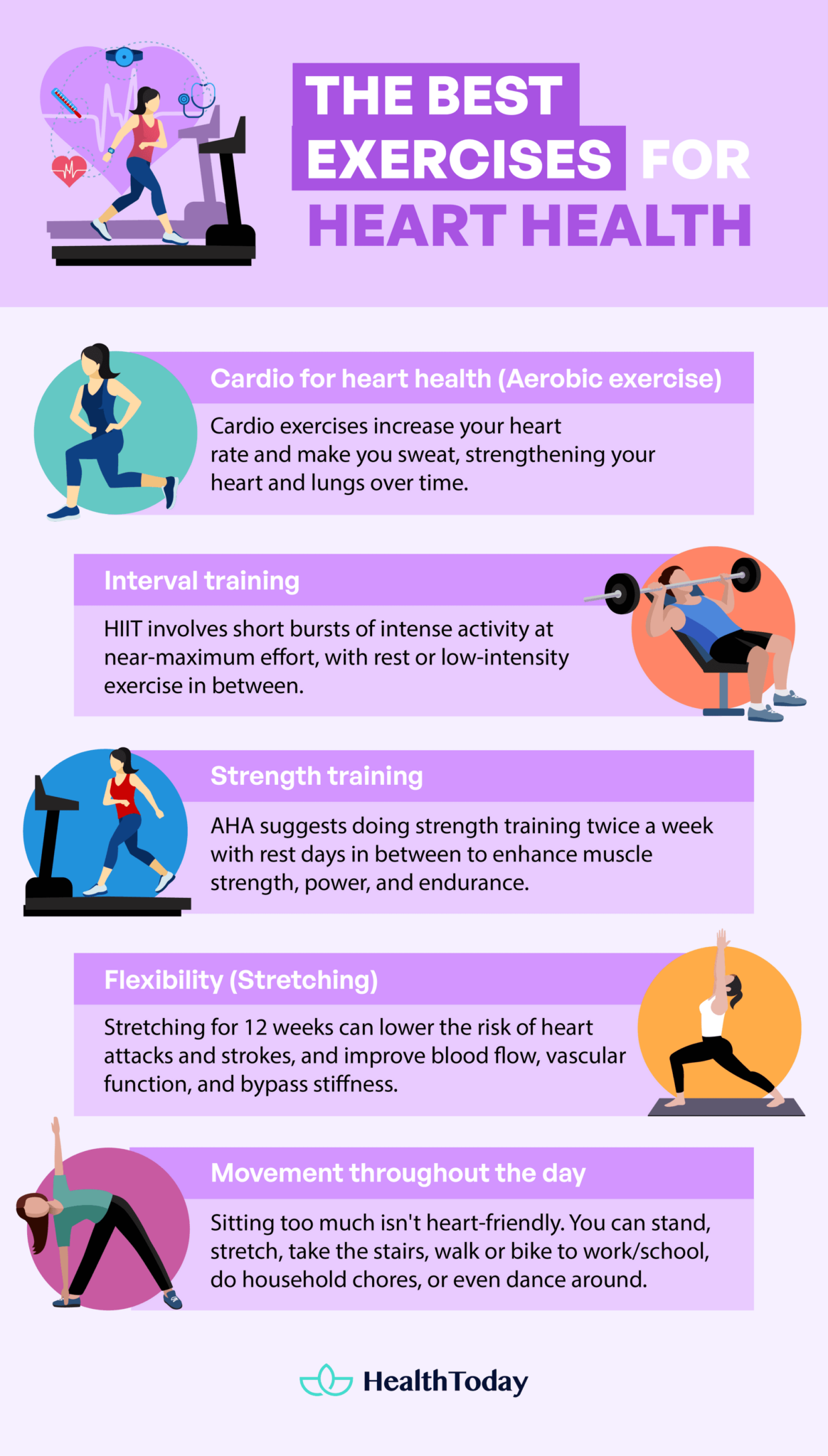
Health organizations generally recommend at least 150 minutes of moderate-intensity aerobic activity or 75 minutes of vigorous-intensity aerobic activity per week, combined with muscle-strengthening activities involving all major muscle groups on two or more days per week.
Can heavy lifting cause women to become overly bulky?
No. Women possess significantly lower circulating levels of testosterone compared to men, which makes large-scale muscle hypertrophy much more difficult to achieve. Heavy resistance training primarily increases muscular strength, tone, and bone density rather than producing an overly bulky physique.
Is it safe to exercise during pregnancy?
For most women with uncomplicated pregnancies, moderate-intensity exercise is safe and provides benefits such as reduced gestational diabetes risk and improved postpartum recovery. However, pregnant women should always consult their obstetrician or healthcare provider before starting or continuing an exercise regimen.
How does exercise affect menstrual cycle symptoms?
Regular physical activity can help alleviate premenstrual syndrome (PMS) symptoms by boosting endorphin levels, improving blood circulation, and reducing inflammation. However, extremely high training volumes without adequate recovery can sometimes cause menstrual irregularities, highlighting the need for balanced programming.
Next Steps for Implementing Sustainable Fitness
Integrating regular physical activity into daily life requires a structured, individualized approach. Begin by assessing current weekly movement patterns and identifying realistic opportunities to introduce short bouts of exercise, such as brisk daily walks or structured strength sessions. Consulting with a certified exercise physiologist or physical therapist can help tailor a program that respects individual health histories, physical limitations, and long-term wellness goals.
Image Gallery
Select an image to open it in a new tab.



Akira Tanaka
International Academic Trends Correspondent
