
Navigating employment law in Pittsburgh requires an understanding of how federal mandates intersect with Pennsylvania’s specific statutes and local municipal ordinances. Employees and employers must balance rights regarding wage and hour compliance, anti-discrimination protections, and leave policies, all while adhering to the commonwealth’s at-will employment doctrine which governs most workplace relationships.
The Foundation of At-Will Employment in Pennsylvania
In Pittsburgh, as throughout Pennsylvania, the legal framework governing the employment relationship is centered on the "at-will" doctrine. This common-law principle dictates that, in the absence of a written contract or a collective bargaining agreement, an employer may terminate an employee for any reason—or no reason at all—provided the reason is not illegal.
While this grants employers significant flexibility, it is not an absolute shield. Terminations cannot be based on discriminatory motives, retaliation for protected whistleblowing, or a refusal to perform an illegal act. Understanding the limits of at-will employment is the first step for any worker or manager assessing a potential legal dispute. If an employment agreement exists, the terms within that document—such as severance clauses, defined employment periods, or "for cause" termination requirements—supersede general at-will rules.
Wage and Hour Regulations
Wage disputes constitute a significant portion of employment law claims in Allegheny County. Both the Pennsylvania Minimum Wage Act and the federal Fair Labor Standards Act (FLSA) provide the floor for compensation, but where statutes differ, the worker is generally entitled to the standard that is more favorable to them.
Minimum Wage and Overtime
As of 2026, Pennsylvania maintains a minimum wage aligned with the federal standard of $7.25 per hour. However, employees must be aware of specific exemptions, such as those for tipped workers, administrative professionals, and agricultural laborers. Overtime pay, mandated at one-and-a-half times the regular rate for hours worked beyond 40 in a workweek, applies to non-exempt employees.
Employers often misclassify staff as "independent contractors" to avoid these wage obligations. Misclassification is a high-risk area; courts look at the "economic reality" of the relationship, focusing on the degree of control the employer exercises over the worker's schedule, equipment, and methods.
Payment Schedules
Pennsylvania’s Wage Payment and Collection Law (WPCL) is a powerful tool for employees. It governs the timing and method of payment, including commissions, bonuses, and accrued vacation time if the employer's policy promises it. Under the WPCL, liquidated damages and attorney fees may be recoverable if an employer fails to pay earned wages in a timely manner.
Discrimination and Protected Classes
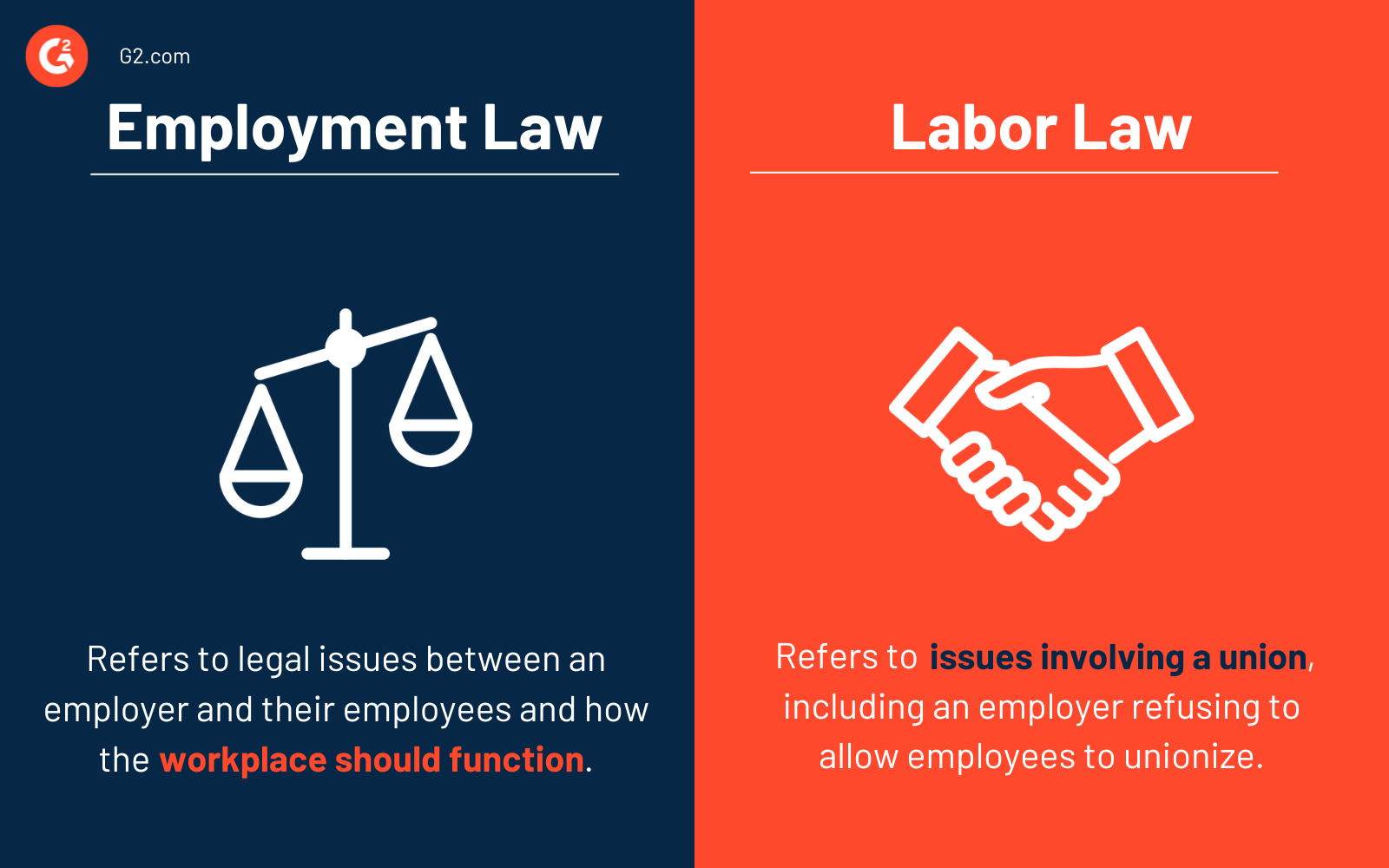
Employment discrimination in Pittsburgh is governed by a tripartite structure: federal law (Title VII of the Civil Rights Act, the ADA, and the ADEA), the Pennsylvania Human Relations Act (PHRA), and the City of Pittsburgh Code of Ordinances.
Local Protections
The City of Pittsburgh offers broader protections than many other regions in Pennsylvania. The Pittsburgh Commission on Human Relations enforces local ordinances that prohibit discrimination in employment based on:
- Race and color
- Religion or creed
- Ancestry and national origin
- Sex, sexual orientation, and gender identity/expression
- Age (40 and older)
- Familial status
- Disability or the use of a guide/support animal
When an individual experiences workplace harassment or discriminatory firing, they may file a complaint with the Pittsburgh Commission on Human Relations or the Pennsylvania Human Relations Commission (PHRC). These administrative agencies investigate claims before a lawsuit can typically proceed in court.
Leave Policies and Statutory Requirements
Navigating time away from work involves balancing federal protections with state and city-specific rules.
- Family and Medical Leave Act (FMLA): This federal law provides eligible employees with up to 12 weeks of unpaid, job-protected leave for certain family and medical reasons. It applies to public agencies and private employers with 50 or more employees.
- City of Pittsburgh Paid Sick Days Act: This local ordinance is critical for workers within city limits. It mandates that employers with a certain number of employees provide paid sick time, which can be used for the employee’s own illness, care for a family member, or issues related to domestic abuse.
- Workers' Compensation: Pennsylvania law requires nearly all employers to carry workers' compensation insurance. If an employee is injured on the job, this no-fault system provides for medical expenses and wage loss benefits, regardless of who caused the accident.
Comparing Legal Frameworks
Understanding which jurisdiction applies depends on the size of the business, the nature of the claim, and the specific location of the workplace.
| Feature | Federal Law (FLSA/Title VII) | Pennsylvania Law (PHRA) | Pittsburgh Local Ordinance |
|---|---|---|---|
| Minimum Wage | $7.25 | $7.25 | $7.25 |
| Protected Classes | Race, Sex, Religion, Disability | Adds Age (40+), Ancestry | Adds Sexual Orientation/Gender Identity |
| Paid Sick Leave | None | None | Mandated for qualifying employers |
| Filing Agency | EEOC | PHRC | PCHR |
Common Legal Pitfalls in the Workplace
Disputes often arise from a misunderstanding of documentation and reporting obligations. For employees, the primary mistake is waiting too long to act. Discrimination claims have strict "statute of limitations" windows—often 180 or 300 days for administrative filings. Missing these deadlines can permanently bar a claim.
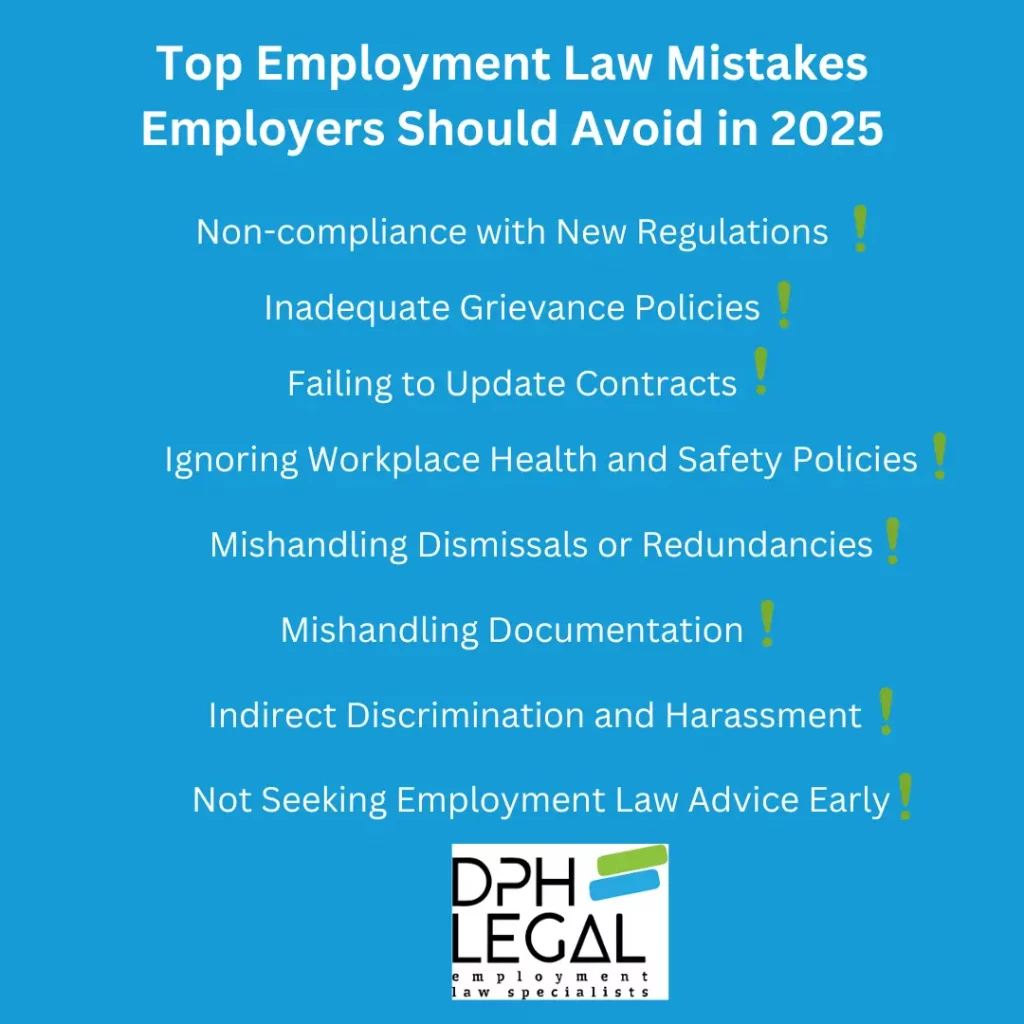
For employers, the common pitfall is inadequate record-keeping. The burden of proof in wage disputes often rests on the employer to demonstrate that accurate hours were recorded and that all deductions were legal. Maintaining precise records of disciplinary actions, performance reviews, and payment logs is essential to mitigate liability during audits or litigation.
Next Steps for Legal Resolution
If you encounter an employment-related issue, follow these logical steps to protect your interests:
- Document Everything: Create a contemporaneous record of events, including dates, times, people involved, and the nature of the conversation or incident. Keep this documentation outside of company-issued devices or email accounts.
- Review Internal Policies: Consult your employee handbook. Many companies have internal grievance procedures or Human Resources policies that must be exhausted before moving to external mediation or litigation.
- Determine Jurisdiction: Identify whether your claim is federal, state, or local. For instance, a wage claim under the WPCL may be brought directly to court, while a discrimination charge often requires an administrative filing with the PHRC or EEOC first.
- Consult Counsel: Employment law is highly fact-specific. A consultation with a qualified attorney licensed in Pennsylvania can clarify whether you have a viable claim, what the potential damages might be, and the likelihood of a successful resolution through settlement or trial.
Legal Disclaimer: This article provides general information and does not constitute legal advice. Employment laws are subject to change and depend heavily on individual facts. For specific legal problems, contact a qualified employment law attorney in Pittsburgh.
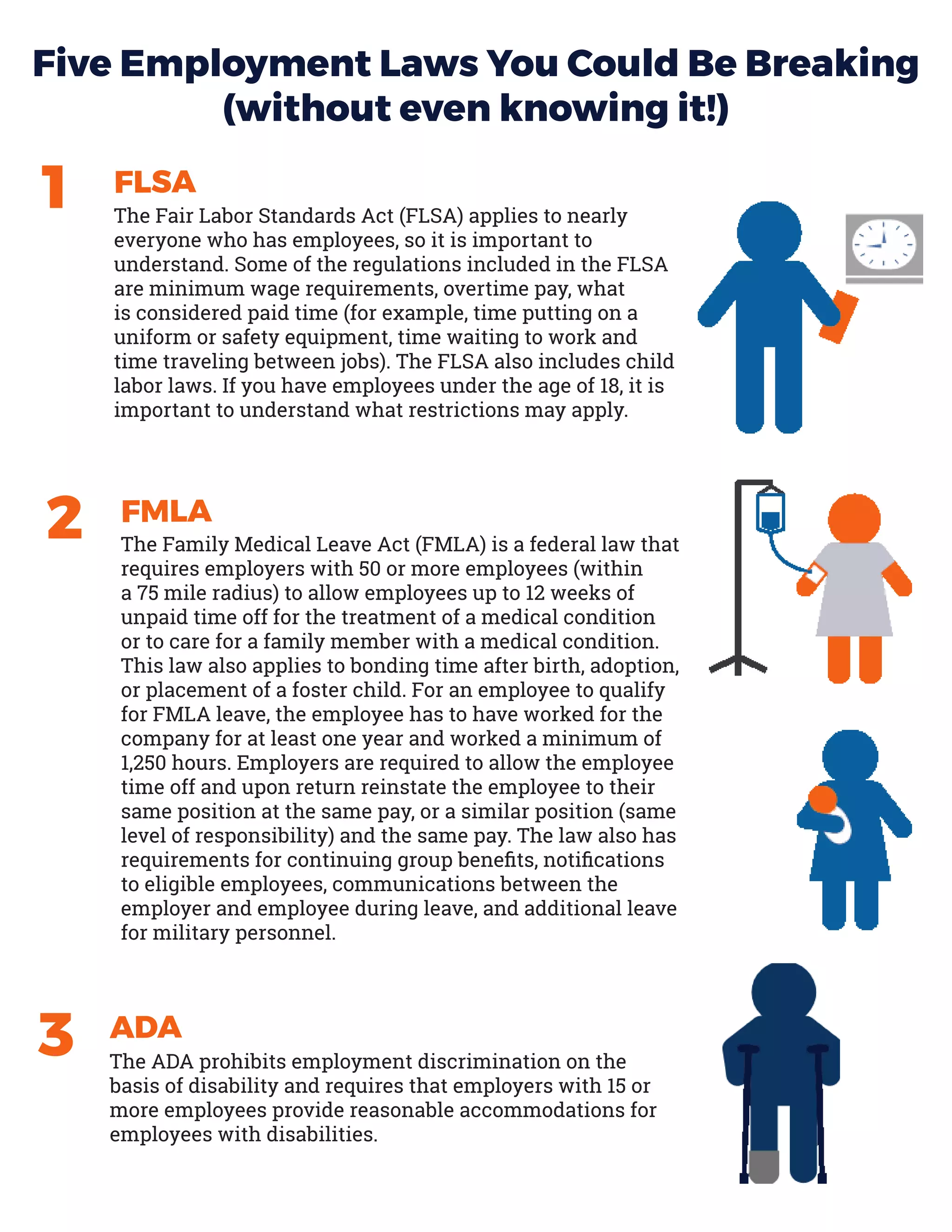
Image Gallery
Select an image to open it in a new tab.

Lars Thomsen
Global Labor Markets and Economic Strategy Editor
