How Crawlspace Waterproofing Works: A Comprehensive Guide to Protecting Your Foundation
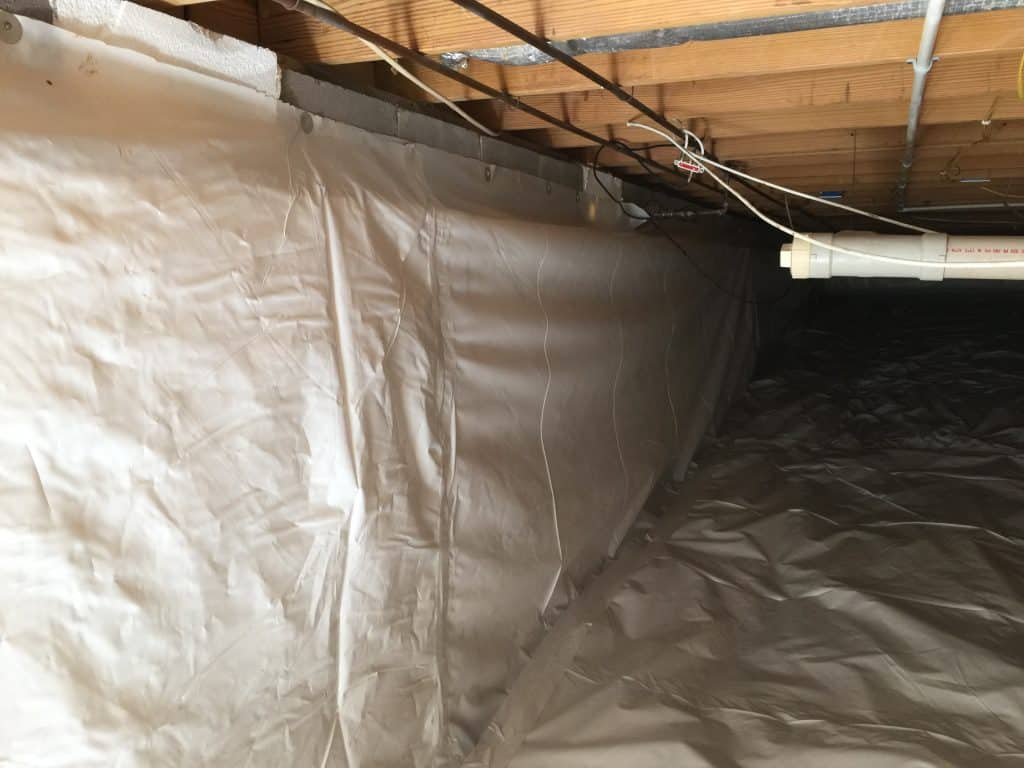
Crawlspace waterproofing functions by controlling moisture ingress through a multi-layered approach involving drainage systems, vapor barriers, and environmental controls. By managing groundwater, surface runoff, and ambient humidity, this process prevents structural decay, mold growth, and poor indoor air quality, ultimately creating a sealed, semi-conditioned space beneath the home that protects the building envelope.
Understanding the Mechanics of Crawlspace Moisture
To understand how crawlspace waterproofing works, one must first identify the three primary moisture sources: hydrostatic pressure, surface water intrusion, and vapor diffusion. Hydrostatic pressure occurs when groundwater exerts force against the foundation walls, often forcing moisture through microscopic fissures. Surface water is liquid water resulting from rain or irrigation that enters the crawlspace due to poor grading or compromised foundation seals. Finally, vapor diffusion is the movement of water vapor from the soil into the crawlspace air, which accounts for the majority of humidity-related issues in homes.
A successful waterproofing system does not rely on a single product. Instead, it utilizes a holistic strategy to block, divert, and remove water before it can impact the structure.
Component 1: Exterior Water Management
The first line of defense is preventing water from reaching the foundation in the first place. This begins with exterior grading, which should slope away from the home at a minimum pitch of one inch per foot for the first six feet.
- Gutter Extensions: Extending downspouts at least six to ten feet away from the foundation is essential. If downspouts discharge water directly at the footing, they create a saturated soil zone that inevitably leads to basement or crawlspace flooding.
- Foundation Drains: In cases of high water tables, a professional installation of exterior French drains—perforated pipes buried in gravel at the footing level—can intercept groundwater before it reaches the wall.
Component 2: Interior Drainage Systems
If exterior measures are insufficient, interior drainage is required. This involves installing a drainage channel or "weeping tile" along the inside perimeter of the crawlspace footings.
- Trenching: A trench is dug along the interior perimeter to accommodate the drainage pipe.
- Perforated Piping: A high-density polyethylene (HDPE) perforated pipe is placed within the trench, surrounded by washed crushed stone to prevent soil ingress.
- Collection and Ejection: The pipe directs water to a low point in the crawlspace, typically a sump pump basin. The sump pump then mechanically lifts the water and discharges it through a sealed pipe line to the exterior of the property.
Component 3: Vapor Barriers and Encapsulation
While drainage handles liquid water, encapsulation addresses vapor transmission. A heavy-duty polyethylene liner—typically 12 to 20 mils in thickness—is installed to cover the floor and, in many cases, the foundation walls.
The liner is attached to the walls using mechanical fasteners and specialized adhesive tape, creating a continuous seal. When combined with sealing the crawlspace vents, this process transitions a crawlspace from a "vented" environment (which draws in hot, humid air in the summer) to a "closed" or "encapsulated" environment.
The Role of Dehumidification
Once the crawlspace is encapsulated and isolated from the earth, it must be conditioned to maintain low relative humidity. Without active moisture removal, any residual moisture trapped during the sealing process or introduced through minor leaks can become stagnant, leading to mold blooms.
A high-capacity, industrial-grade dehumidifier is the heart of a modern crawlspace system. These units are designed to pull moisture out of the air and pump the resulting condensate out of the crawlspace through a drain line. Unlike standard portable dehumidifiers, these systems feature digital hygrostats that allow the user to set a target humidity level—ideally between 45% and 55%—ensuring the space remains dry regardless of exterior weather conditions.
Comparison of Crawlspace Solutions
| Method | Target Problem | Complexity | Cost Impact |
|---|---|---|---|
| Vented Crawlspace | Basic airflow | Low | Low |
| Simple Vapor Barrier | Minor soil moisture | Moderate | Moderate |
| Full Encapsulation | Humidity & Radon | High | High |
| Interior Drainage | Standing water | High | High |
Maintenance and Troubleshooting
Waterproofing is not a "set it and forget it" task. As of 2026, homeowners should conduct visual inspections of their crawlspace systems at least twice annually. Common red flags include:
- Sump Pump Cycling: If the pump runs constantly during dry weather, there may be a plumbing leak or a significant localized groundwater issue.
- Condensation on Liner: If beads of water appear on the underside of the vapor barrier, the dehumidifier is likely undersized, malfunctioning, or the crawlspace is not adequately sealed.
- Musty Odors: This is often the first indicator that the relative humidity has risen above the threshold required to inhibit mold growth.
Check the discharge pipe exterior to ensure it has not become clogged with debris or frozen during winter months. If your home has a float alarm on the sump pump, test the battery yearly to ensure the system will alert you during a power outage or pump failure.
Frequently Asked Questions
Does crawlspace waterproofing stop radon? Yes, if properly implemented. The installation of an airtight vapor barrier, combined with a sealed sump basin and, in some cases, a sub-slab depressurization fan, creates a barrier that significantly reduces radon gas infiltration from the soil into the home.
Can I waterproof the crawlspace myself? While a motivated DIYer can install a basic vapor barrier, interior drainage and high-capacity dehumidification are complex tasks. Improperly sloped drainage pipes can lead to standing water, and improper wall sealing can trap moisture behind the liner, leading to wood rot. Professional installation is recommended for drainage systems.
How long does an encapsulation last? Under normal conditions and assuming the liner is made of high-quality, puncture-resistant reinforced polyethylene, a professionally installed encapsulation system should last 15 to 20 years. Regular cleaning and care to prevent physical damage to the liner are the primary factors in longevity.
Will waterproofing increase my home's value? Yes. In 2026, prospective buyers prioritize healthy homes with documented moisture management. An encapsulated crawlspace is often viewed as a significant upgrade, as it improves the home's energy efficiency and reduces the risk of structural wood damage.
What is the difference between waterproofing and dampproofing? Dampproofing is a coating (usually asphalt-based) applied to the exterior of foundation walls to prevent moisture from soil contact. It does not stop liquid water under pressure. Waterproofing is a system-based approach—including drains and liners—intended to stop both water pressure and water vapor.
Professional Guidance and Next Steps
Before hiring a contractor, determine the specific moisture profile of your home. If your crawlspace has standing water, your priority must be drainage. If the wood floor joists show signs of staining or fungus but the floor is dry, your priority is encapsulation and dehumidification. Always request a written scope of work that details the thickness (in mils) of the vapor barrier and the moisture removal capacity (in pints per day) of the proposed dehumidifier.
Image Gallery
Select an image to open it in a new tab.
Zara El-Hashem
Sociocultural Dynamics and Academics Writer
