The Enduring Impact of the Paula Deen Controversy: Why This Cancellation Story Still Matters
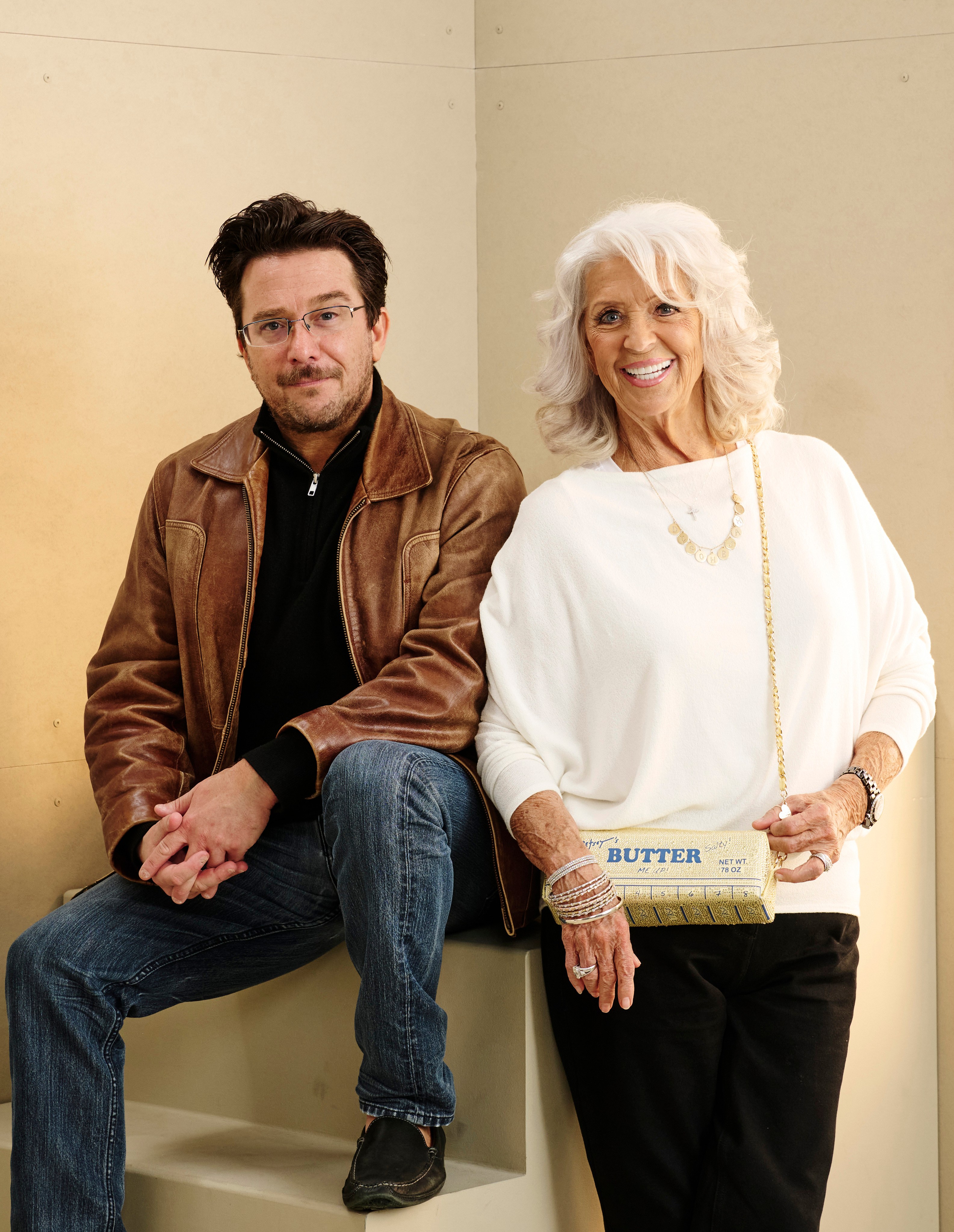
The Paula Deen cancellation story remains a pivotal cultural touchstone because it marked the transition from private celebrity gaffes to public accountability in the digital era. It forced a national conversation on Southern identity, systemic racism in the culinary world, and the rapid collapse of personal brands when corporate values and consumer expectations suddenly align against a perceived moral failing.
The Genesis of a Cultural Firestorm
To understand why the Paula Deen story continues to resonate in 2026, one must look back at the specific legal and social catalysts of 2013. The controversy did not begin with a leaked video or a social media post, but rather through the legal discovery process. Lisa Jackson, a former manager at Uncle Bubba’s Seafood and Oyster House—a restaurant co-owned by Deen and her brother, Bubba Hiers—filed a lawsuit alleging a hostile work environment characterized by sexual harassment and racial discrimination.
During a recorded deposition for this lawsuit, Deen was asked under oath if she had ever used the "N-word." Her response—"Yes, of course"—sent shockwaves through the media. However, the controversy deepened when she described her vision for a "true Southern plantation-style wedding" featuring an all-Black waitstaff to emulate the era of slavery. While the lawsuit was eventually dismissed with prejudice in August 2013, the damage to Deen’s public persona was immediate and seemingly irreparable.
The story matters because it was one of the first instances where a "lifestyle brand" was interrogated for the historical and racial subtext it sold. Deen wasn't just selling butter and fried chicken; she was selling a romanticized, nostalgic version of the American South. When the reality of that nostalgia was confronted with the harshness of racial slurs and plantation fantasies, the brand's foundation cracked.
The Corporate Domino Effect and Brand Fragility
The speed with which Paula Deen’s empire crumbled remains a case study for crisis management and corporate risk assessment. In a matter of days, a multi-million dollar business was dismantled as partners sought to distance themselves from the controversy. This "domino effect" demonstrated that in the modern economy, a celebrity is only as valuable as their alignment with the consumer's perceived values.
The Food Network, which had been Deen’s primary platform for over a decade, was the first to announce it would not renew her contract. This was followed by a massive exodus of retail and manufacturing partners. The scale of the fallout was unprecedented at the time, involving some of the largest corporations in the United States.
| Partner Entity | Relationship Type | Action Taken |
|---|---|---|
| Food Network | Primary Media Platform | Non-renewal of contract (June 2023) |
| Smithfield Foods | Endorsement/Product Line | Immediate termination of partnership |
| Walmart | Retail Distribution | Discontinued all Paula Deen-branded products |
| Target | Retail Distribution | Phased out all cookware and lifestyle products |
| QVC | Home Shopping/Sales | Suspended all appearances and sales |
| Sears/Kmart | Retail Distribution | Removed all branded merchandise from shelves |
| Ballantine Books | Publishing | Cancelled multi-book deal despite high pre-orders |
This mass exit matters because it highlighted the "morals clause" in celebrity contracts. In the years since, corporations have become even more aggressive in utilizing these clauses to protect their brand equity. The Paula Deen incident served as a warning to every lifestyle influencer and celebrity chef: your personal history and private views are now inextricably linked to your commercial viability.

The Intersection of Southern Identity and Racial History
One of the most complex reasons the Paula Deen story matters is its role in the ongoing debate over "Southern Heritage" versus the reality of white supremacy. Deen often defended her language and perspectives as a product of her time and geography—she was born in 1947 in Albany, Georgia, during the height of the Jim Crow era.
For her supporters, the "cancellation" felt like an attack on Southern culture itself. They argued that she was being judged by modern standards for mistakes made in a different era. For her detractors, however, Deen’s comments were not just "old-fashioned"; they were evidence of a worldview that remained rooted in a period of systemic oppression.
This conflict highlighted a significant disconnect in American society. Deen’s brand relied on the "Southern Belle" archetype, which inherently sanitizes the history of the South to make it palatable for a national audience. When the "mask slipped" during the deposition, it forced the public to confront the fact that the hospitality and "charm" of the Old South were often built on a foundation of exclusion and trauma. This realization paved the way for more rigorous scrutiny of how Southern food and culture are marketed today, ensuring that the contributions of Black culinary artists are acknowledged rather than overshadowed by white "personalities."
A Blueprint for Modern "Cancel Culture"
While the term "cancel culture" wasn't as ubiquitous in 2013 as it is in 2026, the Paula Deen saga provided the operational blueprint for how these events unfold. It established the cycle: the revelation of a transgression, the rapid spread via social media, the public outcry, the corporate withdrawal, and the eventual attempt at a "redemption tour."
Deen’s attempts to manage the crisis were widely criticized for being clumsy and inconsistent. Her initial video apologies were heavily edited and felt insincere to many viewers. When she finally appeared on The Today Show with Matt Lauer, her tearful defense—claiming she was not a racist and that she was "heartbroken" by the accusations—did little to stem the tide of corporate departures.
This matters because it taught subsequent public figures that the "apology tour" is rarely enough to save a brand once the corporate partners have reached a tipping point. It also demonstrated the power of the "silent majority" of consumers who may not post on social media but whose potential boycott drives corporate decision-making. The Paula Deen story showed that public sentiment is a volatile but decisive force in the success or failure of a modern business empire.
The Long-Term Consequences for the Culinary Industry
Beyond the personal downfall of one woman, this story fundamentally changed the culinary media landscape. Before 2013, celebrity chefs were often treated as untouchable icons. After the Deen controversy, networks like Food Network and Bravo began implementing more rigorous vetting processes for their talent.
The industry also began to move away from the singular "lifestyle guru" model. There was a realization that relying too heavily on one personality creates a single point of failure for a brand. Consequently, we saw a shift toward ensemble casts and a more diverse range of voices. The "cancellation" of Paula Deen opened a space for chefs who could represent the South in a more inclusive and historically accurate way, moving beyond the caricatures of "butter and y'all."
Furthermore, the incident sparked a larger conversation about the labor practices within the restaurant industry. The original lawsuit brought by Lisa Jackson highlighted issues of power dynamics, the treatment of subordinates, and the often-ignored "back of house" culture. While Deen was the face of the controversy, the underlying legal issues were about the right to a workplace free from harassment—a theme that would later explode with the #MeToo movement.
Why We Still Talk About It in 2026
Thirteen years after the initial scandal, the Paula Deen story serves as a historical marker. It represents the end of an era where celebrities could easily separate their public performance from their private prejudices. In the age of total transparency, the "cancelled" status of Paula Deen remains a warning.
Moreover, Deen’s partial recovery—launching her own digital network and opening new restaurants in tourist hubs like Pigeon Forge and Branson—shows that "cancellation" is rarely a total disappearance. Instead, it often results in a fracturing of the audience. Deen moved from being a universal household name to a niche figure supported by a dedicated, if smaller, fan base that shares her cultural perspectives.
This fragmentation is a key characteristic of the 2026 media environment. We no longer have a single "town square" where a celebrity is either accepted or rejected. Instead, we have echo chambers where a "cancelled" figure can still find financial success by leaning into the very controversies that alienated the mainstream.
Summary of Key Takeaways
- Legal Discovery as a Catalyst: The controversy proved that legal proceedings can be the most dangerous source of reputation-damaging information.
- Corporate Accountability: The speed of the fallout established a new standard for how sponsors react to social controversy.
- Cultural Context: The incident forced a necessary re-evaluation of how Southern history is commercialized in the food industry.
- The Persistence of Brands: Deen's ability to survive in a niche capacity demonstrates that cancellation is often a transformation rather than an absolute end.
Frequently Asked Questions
What exactly did Paula Deen say in her deposition? During a 2013 deposition, Paula Deen admitted to using the N-word in the past, specifically mentioning an incident decades earlier when she was held at gunpoint during a bank robbery. However, she also discussed a desire for a "plantation-style" wedding with Black servers, which many interpreted as a romanticization of the slavery era.
Was Paula Deen ever found guilty in court? No. The lawsuit filed by Lisa Jackson was dismissed with prejudice by a judge in August 2013 after the parties reached a settlement. The court found that Jackson, who is white, did not have standing to sue for racial discrimination on behalf of Black employees, though the harassment claims were the primary focus of the settlement.
How did the "plantation wedding" comment affect her case? While not a crime, the comment was a PR disaster. It suggested that Deen’s use of racial language was not just a mistake of the past, but part of a current worldview that viewed Black people through a lens of servitude and historical subordinance. This was the primary driver of her loss of corporate sponsorships.
Is Paula Deen still active in the food industry in 2026? Yes, but in a significantly different capacity than her peak years. She operates several "Paula Deen’s Family Kitchen" restaurants in specific regional markets and maintains a presence through her own independent digital platforms and social media. She no longer holds major contracts with mainstream national retailers or networks.
Did other celebrities face similar consequences after her? The Paula Deen case was a precursor to several other high-profile "cancellations" in the culinary and lifestyle space, including Mario Batali, John Besh, and later, figures like Chrissy Teigen and Ellen DeGeneres. Each of these cases followed the "Deen Model" of rapid corporate distancing following allegations of misconduct or offensive behavior.
Practical Recommendations for Brand Management
For those studying media or managing personal brands in 2026, the Paula Deen story offers several practical lessons. First, transparency is mandatory. In an era of archived digital footprints and legal discovery, any attempt to hide past behavior is likely to fail. Second, authenticity must include accountability. If a brand is built on "traditional values," it must be prepared to define those values in a way that is inclusive and modern, or risk alienating the mass market. Finally, diversify your platforms. Deen’s survival was only possible because she eventually built her own distribution channels, reducing her reliance on external networks that could terminate her at will.
Image Gallery
Select an image to open it in a new tab.

Declan O'Connor
Higher Education and Campus Culture Reporter
