Understanding the Functions of Business in Practice: Operational Core and Value Creation
The functions of business in practice refer to the specialized, interdependent departments—such as management, operations, finance, marketing, and human resources—that coordinate to convert inputs into value. By systematically aligning these functional areas, an organization achieves its strategic objectives, ensures long-term viability, and meets the needs of its stakeholders in a competitive market.
The Structural Anatomy of Modern Business
At the highest level, a business is not a monolith but an ecosystem of distinct, specialized functions. When these functions operate in isolation, they are often referred to as "silos," which hinder communication and efficiency. In practice, a successful business integrates these functions through shared goals, standardized reporting, and cross-departmental workflows.
While the exact structure varies based on industry—a software firm functions differently than a retail chain—the underlying requirements for survival remain constant: identifying a need, acquiring resources, transforming those resources into a product or service, and delivering that output to a target market.
1. Management and Leadership
Management is the umbrella function that steers the organization. It is responsible for planning, organizing, leading, and controlling. In practice, this means setting the high-level strategy that dictates how other functions spend their time and resources.
- Strategic Planning: Defining long-term goals for the fiscal year 2026 and beyond.
- Operational Control: Monitoring performance metrics to ensure the business stays within budget and timeline.
- Change Management: Navigating pivots in market conditions or technological disruptions.
Without effective management, the other functions of business lack direction, leading to misaligned priorities where, for example, marketing might push a product that operations is not equipped to deliver.
2. Operations and Production
Operations is the engine of the business. It encompasses the transformation process—taking raw materials, information, or time and turning them into a sellable deliverable.
In a manufacturing context, this involves supply chain management, quality control, and inventory logistics. In a service-based business, operations revolve around human capital deployment, standardized procedures, and client communication workflows. The primary metric for success in operations is efficiency: producing the highest quality output with the lowest possible waste of time or capital.
3. Financial Management and Accounting
Finance acts as the scoreboard and the fuel source for all business activities. It is not merely about tracking expenses; it is about allocating capital to the most productive areas of the company.
- Financial Accounting: Producing accurate reports for external stakeholders, such as investors or tax authorities, regarding the company’s health.
- Managerial Accounting: Providing internal data that helps managers make decisions about pricing, cost-cutting, or expansion.
- Treasury and Capital Allocation: Managing cash flow to ensure the business can meet its payroll and debt obligations while investing in future growth.
4. Marketing and Sales
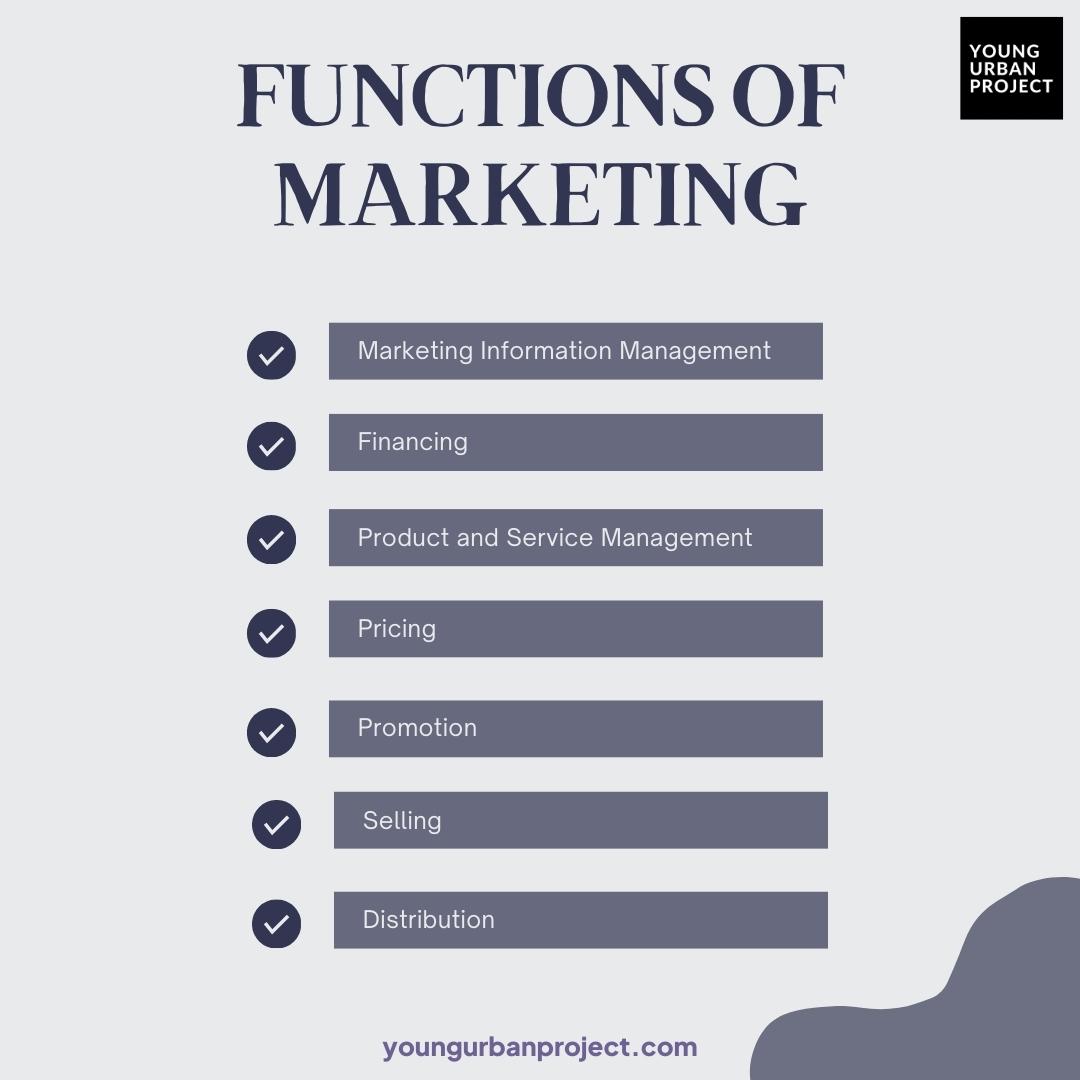
Marketing is the bridge between the company’s product and the customer’s perceived value. While many conflate marketing with advertising, in practice, it is a scientific process of identifying customer pain points, positioning the product as a solution, and communicating that value through appropriate channels.
Sales, often considered the "sharp end" of marketing, is the process of converting that interest into revenue. Effective alignment between marketing and sales ensures that the leads generated by marketing efforts are actually qualified and capable of being serviced by the operations team.
5. Human Resources (HR)
Human resources functions as the architect of the company’s internal culture and the guarantor of its legal compliance. As businesses grow, the complexity of managing people—recruitment, benefits administration, performance reviews, and conflict resolution—becomes a full-time functional requirement.
In 2026, HR also plays a critical role in workforce planning, ensuring that the organization has the right skill sets to navigate evolving technological landscapes, such as the integration of advanced automation tools in daily workflows.
Comparison of Business Functions
| Function | Primary Objective | Key Performance Indicator (KPI) |
|---|---|---|
| Management | Strategic direction | Goal attainment rate |
| Operations | Value transformation | Production lead time |
| Finance | Fiscal solvency | EBITDA/Cash flow |
| Marketing | Customer acquisition | Customer acquisition cost (CAC) |
| Human Resources | Talent optimization | Employee retention rate |
Integration: How Functions Interact in Practice
The true challenge in business practice is not the existence of these functions, but their intersection. Consider a product launch:
- Management identifies a market opportunity.
- Marketing conducts research to validate the demand.
- Operations determines the feasibility of production.
- Finance approves the budget.
- HR identifies if new staff or training are required.
When these functions communicate through a centralized data architecture, the business operates as a cohesive unit. When they are disconnected, the business suffers from "functional friction," where departments actively work against each other's interests—for example, when marketing promises delivery times that operations cannot support, resulting in customer dissatisfaction and financial loss.
Common Mistakes in Functional Management
Organizations often fail when they over-prioritize one function at the expense of others. A classic example is the "marketing-led" company that over-promises and burns through cash, ignoring the financial reality of operations. Conversely, an "operations-led" company may create a technically superior product that no one wants because it lacks market research.
Common pitfalls include:
- Insufficient Data Sharing: Keeping financial and operational data in separate software, leading to blind spots.
- Misaligned Incentives: Compensating sales teams for volume while operations is focused on quality, causing friction during peak order times.
- Ignoring Compliance: Neglecting HR or legal functional requirements, which can lead to catastrophic regulatory fines.
Frequently Asked Questions
Why do some businesses merge marketing and sales?
Businesses often merge these functions to create a "Revenue Operations" (RevOps) model. By removing the wall between them, the company ensures that marketing efforts are directly tied to the revenue goals defined by sales, creating a seamless customer journey from initial discovery to contract signature.
How does the size of a business change its functional needs?
In a small startup, a single individual might perform multiple functions (e.g., the CEO does the accounting and the marketing). As the business grows, it must formalize these roles into distinct departments. Specialization is required for scale; without it, the business becomes too chaotic to manage.
Can a business function without a dedicated finance department?
Technically, no. Every business has a financial function, even if it is outsourced to an accountant or performed by the founder. Financial decisions are intrinsic to every act of commerce. You cannot exist in a market without managing income and expenditure.
What is the most critical function of a business?
While all are necessary, the "most critical" function depends on the stage of the business. An early-stage startup often lives or dies by its marketing (finding product-market fit), while a mature, asset-heavy company may live or die by its operational efficiency and financial management.
How do modern technologies impact these functions?
In 2026, automation tools have significantly reduced the manual burden on finance and HR departments. Software platforms allow for real-time visibility across functions, making it easier for management to monitor KPIs across the entire organization without waiting for end-of-month manual reports.
Strategic Next Actions
To assess the current effectiveness of these functions in your own organization, conduct a functional audit. Start by mapping your current processes to the five categories identified above. Identify where data bottlenecks exist—where one department has to wait for another to complete a task—and look for software or process automation solutions to bridge those gaps.
If you are a founder or manager, prioritize the integration of financial reporting with operational performance data. Having a singular, accurate view of how much it costs to produce a unit versus how much that unit contributes to the bottom line is the fundamental requirement for informed decision-making.
Image Gallery
Select an image to open it in a new tab.
Mateo Castillo
Decentralized Finance and E-Payments Strategist
