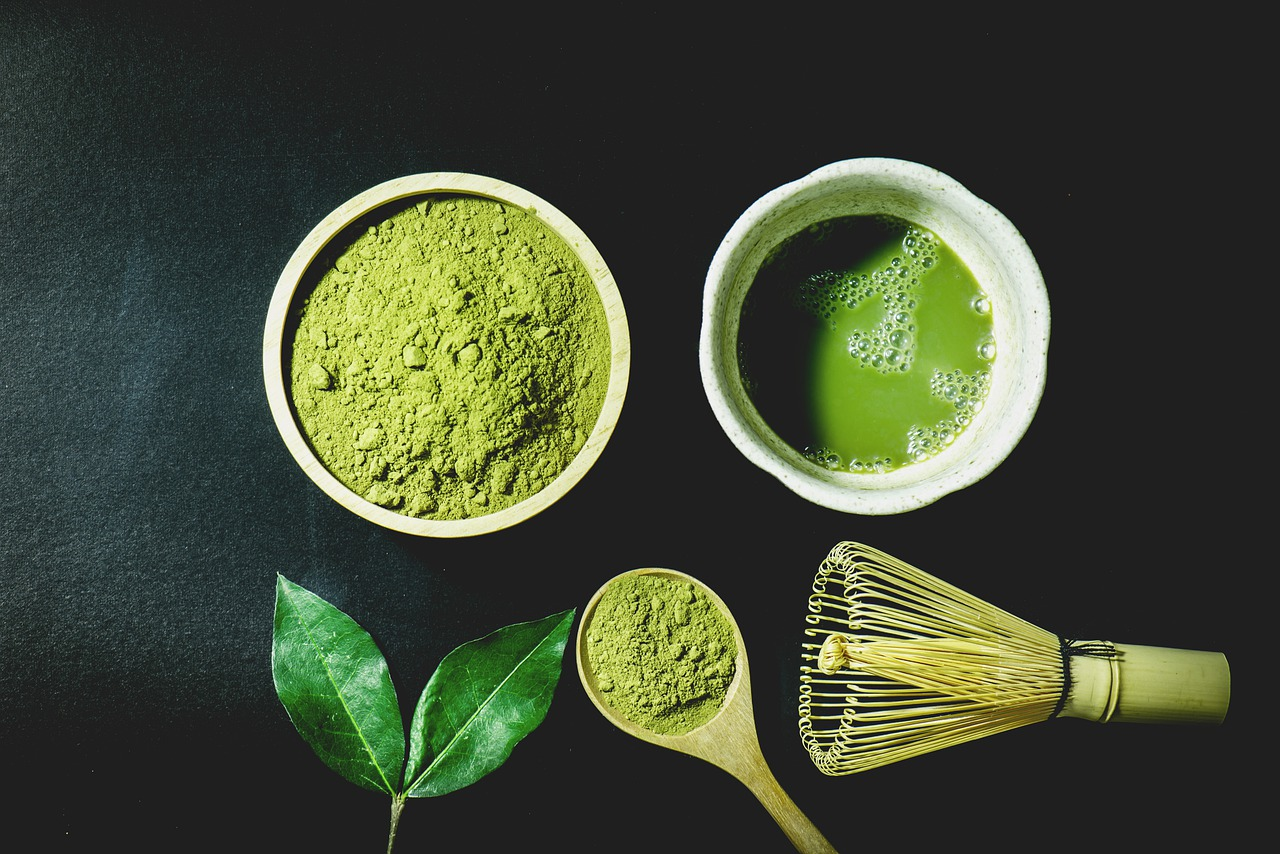
Matcha is a specialized form of powdered green tea derived from the Camellia sinensis plant, prized for its high concentration of antioxidants, particularly epigallocatechin gallate (EGCG), and its unique L-theanine profile. While it offers potential metabolic, cognitive, and heart health benefits, its high caffeine and lead-accumulation properties necessitate mindful consumption to avoid side effects like jitteriness, digestive discomfort, or heavy metal exposure.
The Botanical and Processing Profile of Matcha
To understand the physiological impact of matcha, one must first recognize what distinguishes it from standard green tea. Unlike traditional tea, where leaves are steeped and discarded, matcha consists of the entire leaf ground into a fine powder. This process ensures that the consumer ingests the full fiber, chlorophyll, and concentrated phytochemical content of the plant.
The cultivation process is equally critical. For several weeks before harvest, the tea plants are shaded from direct sunlight. This practice reduces photosynthesis, which increases the production of chlorophyll and amino acids, specifically L-theanine. L-theanine is a psychoactive amino acid that influences brain function by promoting relaxation without inducing drowsiness, often smoothing out the stimulatory effects of the naturally occurring caffeine.
Documented Health Benefits
The primary draw of matcha lies in its dense nutritional profile. Because the leaf is consumed in its entirety, the concentration of polyphenols—specifically catechins—is significantly higher than in standard brewed tea.
1. High Antioxidant Capacity
Matcha is rich in catechins, a class of plant compounds that function as natural antioxidants. These molecules help stabilize harmful free radicals—compounds that can damage cells and cause chronic disease. EGCG is the most potent catechin found in matcha and has been widely studied for its potential to reduce inflammation and protect heart health.
2. Cognitive Function and Mental Clarity
The combination of caffeine and L-theanine creates a unique "alert calm" state. While caffeine blocks adenosine receptors to reduce perceived fatigue, L-theanine increases alpha-wave activity in the brain. This interplay may improve reaction time, memory, and attention span. Research suggests that this combination is more effective for cognitive performance than caffeine alone, as it minimizes the "crash" often associated with high-stimulant beverages.
3. Metabolic Support
Some studies suggest that the regular intake of green tea extract—particularly the EGCG content—may assist in increasing metabolic rate and fat oxidation. While matcha is not a weight-loss supplement, its role in thermogenesis (the production of heat in the body) may offer minor support when combined with a balanced diet and regular physical activity.
Potential Side Effects and Safety Considerations
Despite the benefits, matcha is a potent substance. Because it is a whole-leaf product, it also concentrates substances that might be detrimental if consumed in excess or if the source quality is poor.
Caffeine Sensitivity and Over-consumption
Matcha contains a higher concentration of caffeine than standard tea, sometimes approaching the levels found in espresso, depending on the preparation strength. Individuals sensitive to caffeine may experience symptoms such as:
- Increased heart rate (tachycardia)
- Insomnia or sleep disruption
- Anxiety or "jitters"
- Gastrointestinal distress
For most healthy adults, the FDA suggests a limit of 400 milligrams of caffeine per day. Depending on the grade and concentration, a single serving of matcha can range from 35 mg to over 100 mg.
Lead and Heavy Metal Concerns
Tea plants are known to absorb minerals from the soil. Because matcha drinkers consume the whole leaf, they also consume any heavy metals, including lead, that may have been sequestered by the plant during growth. While high-quality, shade-grown Japanese matcha generally adheres to strict safety standards, cheaper, lower-quality powders grown in regions with high industrial soil contamination may pose a risk. Consumers are advised to source matcha from reputable producers who provide transparency regarding their cultivation and processing environments.
Digestive Issues
The high tannin content in green tea can sometimes cause nausea or stomach irritation, particularly if consumed on an empty stomach. The fiber content in the powdered leaf, while beneficial, can also cause mild laxative effects in sensitive individuals.
Comparative Overview: Matcha vs. Alternatives
| Feature | Matcha | Coffee | Standard Green Tea |
|---|---|---|---|
| Caffeine Source | Slow-release (via L-theanine) | Immediate spike | Low |
| Preparation | Whole leaf powder/Whisked | Extracted/Dripped | Steeped/Discarded |
| Antioxidant level | Extremely High | Moderate | Moderate |
| Primary Effect | Alert calm | Rapid stimulation | Mild alertness |
Best Practices for Consumption
To maximize the benefits while mitigating the risks, consider these evidence-based practices:
- Limit Daily Intake: Start with one serving (typically 1 to 2 grams of powder) per day to assess your tolerance. Avoid exceeding two servings until you understand how your body reacts to the caffeine and tannin levels.
- Verify the Source: Prioritize ceremonial or high-grade culinary matcha sourced from Japan. These regions generally maintain stricter agricultural standards compared to mass-market powders, reducing the likelihood of heavy metal contamination.
- Avoid Empty Stomachs: To prevent nausea caused by tannins, consume matcha with a light meal or a snack.
- Temperature Matters: Use water between 160°F and 175°F (70°C–80°C). Boiling water can degrade the delicate polyphenols and result in a bitter, astringent flavor profile.
Frequently Asked Questions
Can I drink matcha every day?
Yes, most healthy adults can safely consume one to two servings of matcha daily. Consistent, moderate consumption is associated with better health outcomes than occasional, high-dose consumption. Always monitor your total caffeine intake from all sources throughout the day.
Is matcha safe for pregnant or breastfeeding women?
Pregnant or breastfeeding individuals should exercise caution. Due to the high caffeine content and the presence of potent antioxidants which may affect iron absorption, it is generally recommended to limit intake or consult a healthcare provider. High levels of caffeine are typically discouraged during pregnancy.
Does matcha provide more energy than coffee?
Matcha does not necessarily provide "more" energy, but it provides a "smoother" energy. Coffee acts as a sharp stimulant that can spike cortisol, whereas the L-theanine in matcha balances the caffeine, leading to a more sustained, less jittery experience.
Why is there a risk of lead in matcha?
Because matcha is made from the entire tea leaf, it contains everything the leaf absorbed from the soil. While the plant is safe, soil quality is paramount. Reputable growers test their soil and final products for heavy metals to ensure they remain well within safety limits.
Does matcha go bad?
Yes, matcha is sensitive to oxidation. Once exposed to air, light, and heat, its vibrant green color fades to a dull olive, and its flavor becomes stale. To maintain efficacy and flavor, store your matcha in an airtight, opaque container in a cool, dark place or the refrigerator.
Final Recommendation
Matcha is a nutrient-dense beverage that serves as an excellent alternative to coffee for those seeking steady, focused energy. To safely incorporate it into your routine in 2026, prioritize purchasing high-quality, properly sourced Japanese matcha and begin with a single daily serving. If you have underlying medical conditions—particularly heart-related issues or sensitivities to caffeine—consult with a physician before making it a dietary staple. By treating matcha as a functional food rather than a generic beverage, you can best leverage its unique profile while avoiding common pitfalls.
Image Gallery
Select an image to open it in a new tab.
Ingrid Bjornson
Global Cyber Policy and Regulation Analyst
