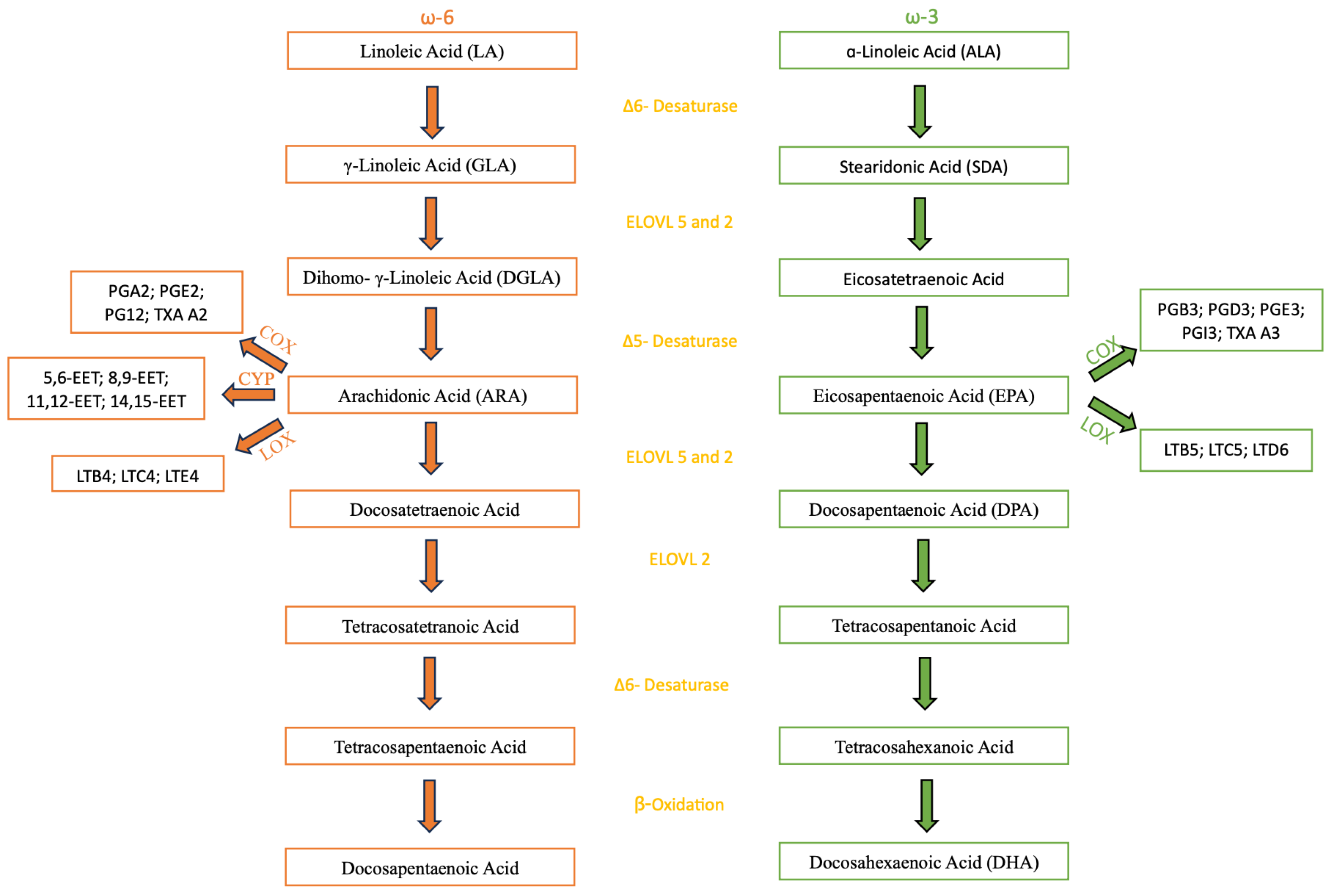
Omega-6 fatty acids are a group of essential polyunsaturated fatty acids that the human body cannot synthesize on its own, necessitating their acquisition through dietary intake. These fats serve as primary structural components of cell membranes and are critical precursors for signaling molecules that regulate inflammation, immune response, and blood pressure. Achieving an optimal balance between omega-6 and omega-3 fatty acids is essential for maintaining systemic physiological homeostasis and preventing chronic disease.
Understanding the Biochemistry of Omega-6 Fatty Acids
Omega-6 fatty acids, often abbreviated as n-6 PUFAs, are defined by the position of the first double bond from the methyl end of the carbon chain, which is located at the sixth carbon atom. The most prominent member of this family is linoleic acid (LA), an essential fatty acid found abundantly in plant oils, seeds, nuts, and grain-fed animal products.
Once ingested, linoleic acid undergoes a series of enzymatic desaturation and elongation steps. The primary metabolic pathway converts LA into gamma-linolenic acid (GLA), which further transforms into dihomo-gamma-linolenic acid (DGLA) and eventually into arachidonic acid (AA). While arachidonic acid is often associated with pro-inflammatory pathways, it is fundamentally necessary for biological function. It serves as a substrate for eicosanoids—signaling molecules that include prostaglandins, thromboxanes, and leukotrienes. These compounds are responsible for modulating the intensity and duration of the inflammatory response, regulating vascular tone, and managing platelet aggregation.
The Omega-6 and Omega-3 Balance: A Critical Physiological Ratio
The historical human diet was characterized by a balance of omega-6 and omega-3 fatty acids, likely approaching a 1:1 ratio. In the modern food environment of 2026, the widespread reliance on refined vegetable oils—such as soybean, corn, and sunflower oil—has significantly skewed this ratio. Many Western diets now exhibit ratios ranging from 15:1 to 20:1 in favor of omega-6.
This shift is a subject of intense nutritional debate. Because omega-6 and omega-3 fatty acids compete for the same enzymatic pathways (specifically the delta-6 desaturase enzyme), an overabundance of linoleic acid can inhibit the conversion of alpha-linolenic acid (an omega-3 fatty acid) into its more metabolically active forms, eicosapentaenoic acid (EPA) and docosahexaenoic acid (DHA). This competition suggests that an excessive intake of omega-6s might functionally deplete the body’s ability to utilize the anti-inflammatory benefits of omega-3s, potentially creating a state of chronic, low-grade systemic inflammation.
Health Impacts and Physiological Functions
The role of omega-6 fatty acids in health is nuanced. While they are frequently labeled as "pro-inflammatory," this characterization is an oversimplification. Inflammation is a vital survival mechanism; without the inflammatory cascade mediated by omega-6 derivatives, the body would be unable to heal wounds or respond to pathogens. The health concern arises when the inflammatory process becomes dysregulated or chronic.
1. Cardiovascular Health
The relationship between omega-6 intake and heart disease has been investigated for decades. Current consensus suggests that replacing saturated fats with polyunsaturated fats, including omega-6s, is generally associated with a lower risk of cardiovascular events. While some earlier observational studies raised concerns about the pro-inflammatory nature of AA, clinical trials have not consistently shown that high intake of linoleic acid leads to increased systemic inflammation in humans.
2. Skin Integrity and Barrier Function
Linoleic acid is a major component of ceramides, which are lipids that form the skin’s moisture barrier. A deficiency in essential fatty acids often manifests as dermatological issues, including scaly skin, increased trans-epidermal water loss, and impaired wound healing. Dermatological research emphasizes that adequate dietary intake of n-6 PUFAs is necessary for maintaining skin hydration and elasticity.
3. Immune System Regulation
The signaling molecules derived from omega-6s regulate the chemotaxis of white blood cells. This means they act as the chemical "radar" that directs the immune system to sites of injury or infection. Managing this system requires a fine balance; insufficient omega-6 intake may weaken the immune response, while excessive intake may exacerbate conditions involving chronic autoimmune inflammation.
Dietary Sources and Intake Recommendations
In 2026, dietary guidance focuses less on the total elimination of omega-6s and more on the quality of the sources. The shift toward whole-food sources rather than ultra-processed industrial seed oils is a primary recommendation among nutritionists.
| Source Type | Examples | Relative Omega-6 Content |
|---|---|---|
| Seed Oils | Corn, Sunflower, Soybean, Cottonseed | Very High |
| Nuts and Seeds | Walnuts, Hemp seeds, Pumpkin seeds | Moderate to High |
| Whole Grains | Wheat, Oats, Brown Rice | Low to Moderate |
| Animal Fats | Poultry, Grain-fed Beef | Moderate (via diet) |
| Vegetable Oils | Olive oil, Avocado oil | Low |
Practical Considerations for Dietary Adjustment
Reducing the intake of omega-6 fatty acids does not require avoiding healthy foods like walnuts or seeds. Instead, it involves mitigating the consumption of hidden sources found in processed snacks, commercial salad dressings, and deep-fried foods. These products are typically formulated with highly refined oils that have been stripped of natural antioxidants, which may make them more susceptible to oxidation during high-heat cooking.
When cooking at home, choosing oils with different fat profiles—such as monounsaturated fats like extra virgin olive oil or saturated fats like coconut oil for high-heat searing—can help diversify the lipid intake and shift the dietary ratio toward a more balanced state.
Frequently Asked Questions
Are all omega-6 fatty acids harmful? No. Omega-6 fatty acids are essential nutrients. They are necessary for cell membrane structure, skin health, and the initiation of immune responses. The harm associated with them typically results from an excessive intake of refined industrial oils and a concurrent lack of omega-3 fatty acids, rather than the consumption of omega-6s in their natural food matrix.
Should I take an omega-6 supplement? Most individuals in developed nations consume far more omega-6 fatty acids than the body requires, making supplementation unnecessary. In specific clinical scenarios, such as certain skin conditions or specific inflammatory disorders, a physician might recommend gamma-linolenic acid (GLA), but this should only be done under professional medical supervision.
How can I improve my omega-6 to omega-3 ratio? You do not necessarily need to slash your omega-6 intake to zero. The most effective strategy is to increase your consumption of omega-3 rich foods, such as fatty fish (salmon, mackerel, sardines), flaxseeds, chia seeds, and walnuts, while simultaneously reducing the intake of processed foods containing large amounts of soybean, corn, or sunflower oil.
Do omega-6s cause cancer? The link between dietary fat types and cancer is complex and remains a subject of ongoing research. Some laboratory studies have suggested that high levels of omega-6 might promote tumor growth, but human clinical and epidemiological data have not established a clear cause-and-effect relationship. Focusing on a diet rich in vegetables, fruits, and whole foods remains the most reliable strategy for health.
Is there a blood test to check my omega-6 levels? Yes, an Omega-3 Index test can measure the fatty acid composition of red blood cell membranes. This test provides insight into the balance of fatty acids in your tissues. Consult with a healthcare professional to determine if this diagnostic tool is appropriate for your specific health goals.
Professional Guidance and Limitations
While general nutritional principles suggest that balance is key, individuals with pre-existing medical conditions—such as inflammatory bowel disease, rheumatoid arthritis, or cardiovascular disease—should consult with a registered dietitian or a physician before making significant changes to their dietary lipid intake. Nutritional requirements can be highly individualized, and diagnostic testing may be necessary to assess current status accurately.
The information provided herein is for educational purposes and does not constitute medical advice, diagnosis, or treatment. Always seek the advice of your physician or other qualified health provider with any questions you may have regarding a medical condition or nutritional adjustment.
Next Steps for Nutritional Optimization
To assess your current dietary balance, begin by keeping a three-day food log, noting specifically the oils used in cooking and the ingredients in packaged items. Identify "hidden" sources of refined seed oils and look for opportunities to swap them for monounsaturated fats or whole-food sources of lipids. Increasing your intake of cold-water fatty fish to twice per week is a globally recognized, low-risk, and high-impact strategy to naturally improve your systemic fatty acid profile and move toward a more optimal balance of essential fats.
Image Gallery
Select an image to open it in a new tab.




Mateo Castillo
Decentralized Finance and E-Payments Strategist
