Comprehensive Guide to Cat Food for Weight Control: Strategies for Healthy Feline Weight Loss

Cat food for weight control is a specialized nutritional formulation designed to reduce caloric density while maintaining essential nutrient balance. These diets typically feature higher fiber for satiety, elevated protein to preserve lean muscle, and reduced fat content, allowing overweight cats to lose weight safely without suffering from nutritional deficiencies or excessive hunger during the process.
Feline obesity remains one of the most significant health challenges facing domestic cats in 2026. While an extra pound or two may seem harmless, for a creature that typically weighs between eight and twelve pounds, even a minor increase represents a substantial percentage of total body mass. Effective weight management is not merely about feeding less of the same food; it requires a strategic shift in nutritional intake to ensure the cat remains healthy, energetic, and satisfied while burning stored adipose tissue.
The Science of Feline Weight Control: Nutritional Mechanisms
Weight control cat foods are engineered to solve a specific biological problem: how to create a caloric deficit in an obligate carnivore without triggering the body’s starvation response or causing muscle wasting. The formulation of these diets relies on several key nutritional pillars that distinguish them from standard maintenance diets.
High Protein for Lean Muscle Preservation
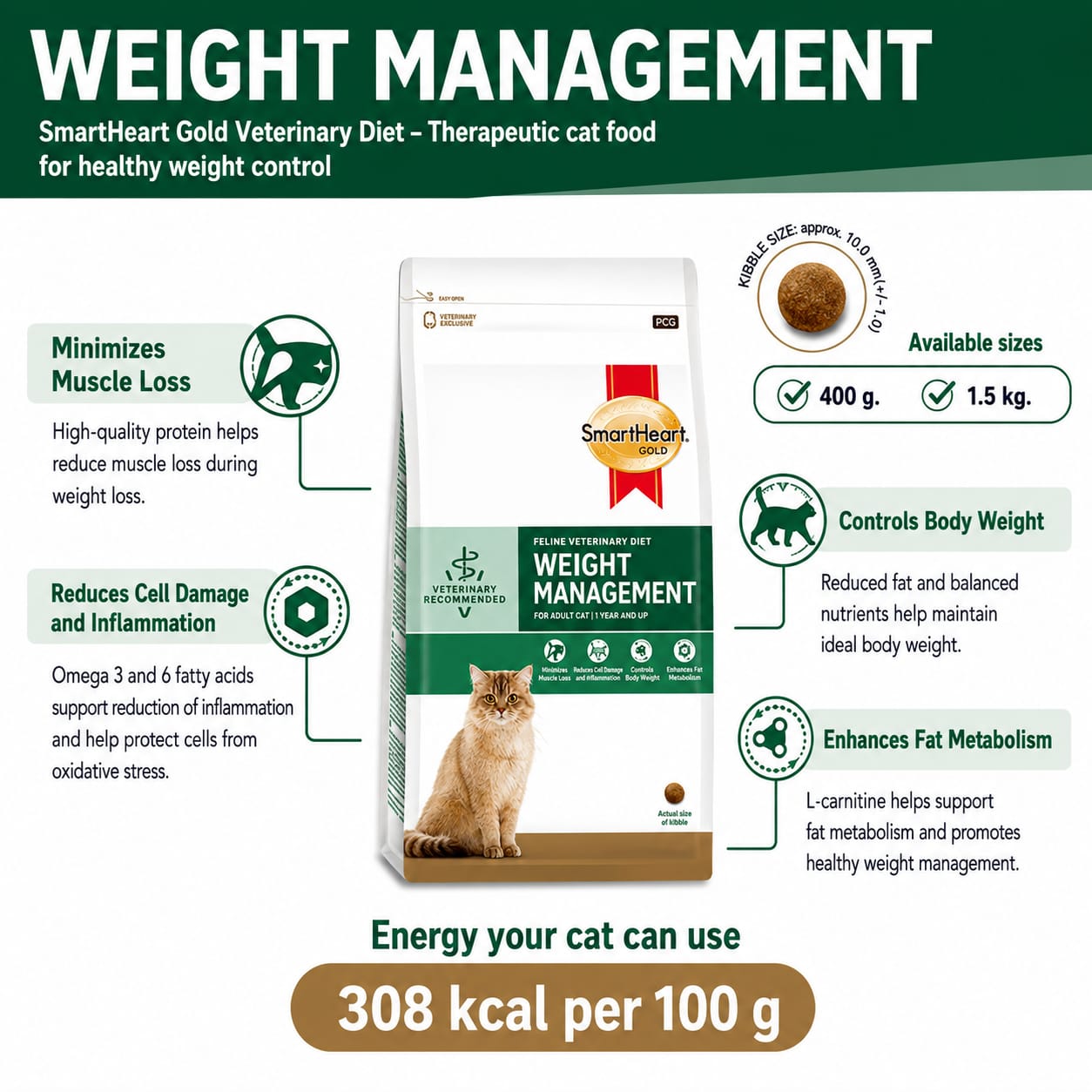
When a cat is in a caloric deficit, the body may attempt to catabolize muscle tissue for energy. To prevent this, weight control diets often feature a higher protein-to-calorie ratio than standard formulas. High-quality animal proteins provide the essential amino acids—such as taurine and arginine—necessary for metabolic function. By maintaining lean muscle mass, the cat’s basal metabolic rate remains higher, which facilitates more efficient fat burning over the long term.
The Role of Dietary Fiber and Satiety
One of the primary reasons weight loss plans fail for cats is "begging" behavior driven by hunger. Manufacturers address this by increasing the levels of dietary fiber, particularly insoluble fibers like powdered cellulose or miscanthus grass. Fiber adds bulk to the diet without adding calories. This distends the stomach wall, sending signals of fullness to the brain. In 2026, many premium weight control diets also incorporate prebiotic fibers like chicory root or beet pulp, which support a healthy gut microbiome—a factor increasingly linked to metabolic health in felines.
L-Carnitine and Fat Metabolism
Many advanced weight control formulas are supplemented with L-carnitine, a vitamin-like compound that plays a critical role in fat metabolism. L-carnitine facilitates the transport of fatty acids into the mitochondria, the "powerhouses" of the cells, where they are oxidized for energy. By supplementing the diet with L-carnitine, manufacturers aim to optimize the cat's ability to utilize its own fat stores as a fuel source during the weight loss journey.
Distinguishing Between Prescription and Over-the-Counter Options
Not all weight control foods are created equal. When navigating the aisles or online portals in 2026, owners must distinguish between "light" maintenance foods, weight management formulas, and prescription metabolic diets.
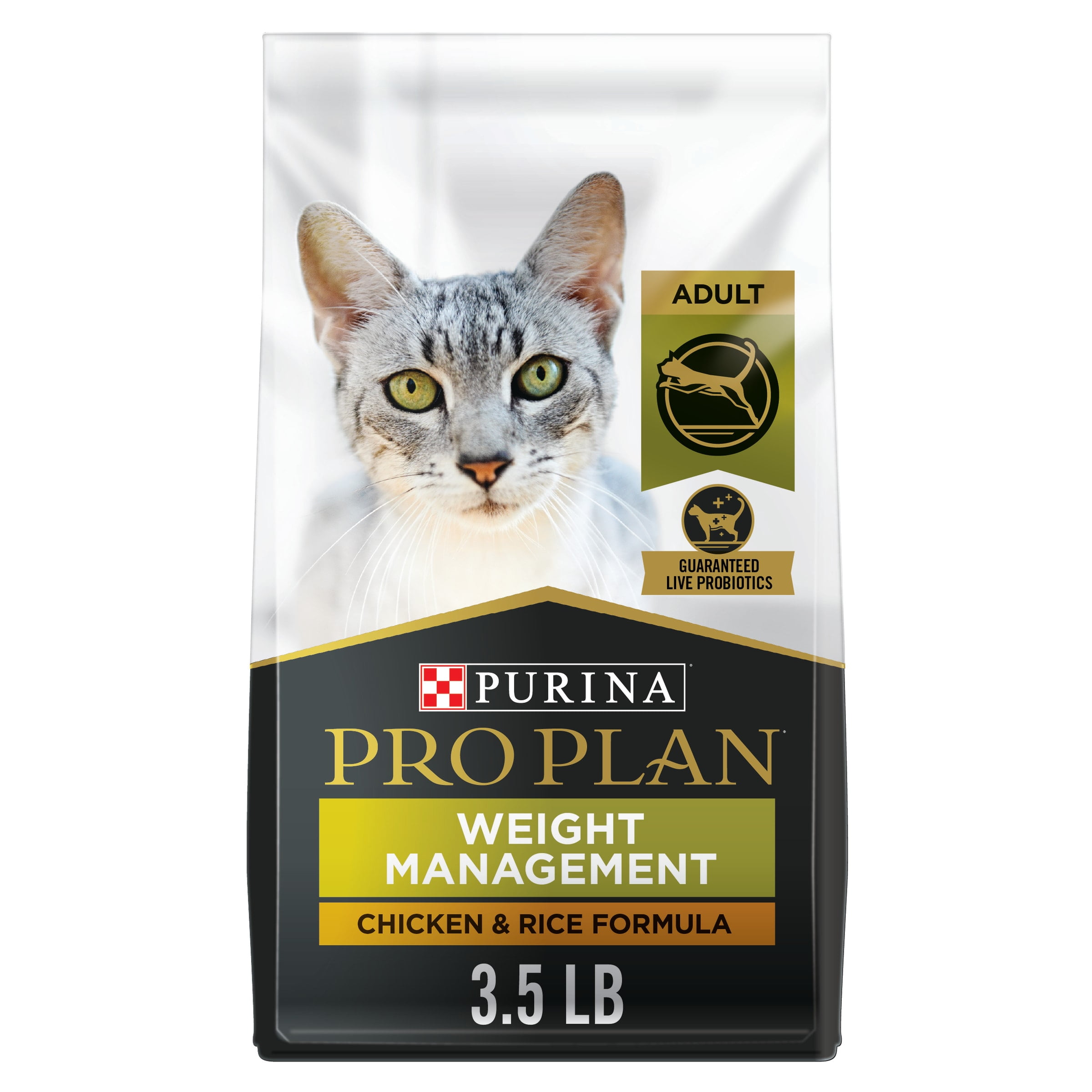
Over-the-Counter (OTC) Weight Management Foods are generally designed for cats that are slightly overweight or have a low activity level (such as indoor-only "lap cats"). These foods usually have about 10% to 15% fewer calories per cup than the brand's standard formula. They are excellent for weight maintenance after a goal has been reached or for preventing weight gain in prone individuals.
Prescription Weight Loss Diets (often labeled as "Metabolic" or "Satiety" diets) are therapeutic foods available only through a veterinarian. These are formulated for cats with significant obesity or those who have failed to lose weight on OTC diets. They are more than just "low calorie"; they are often nutritionally dense enough to allow for severe caloric restriction without causing nutrient deficiencies. Furthermore, prescription diets are strictly regulated for their caloric claims, providing a level of precision that OTC brands may lack.
Wet Food vs. Dry Kibble for Weight Management
The debate between wet and dry food is particularly relevant in the context of weight control. While both formats can be used effectively, they offer different advantages for the calorie-restricted feline.
The Hydration and Volume Advantage of Wet Food
Wet food is often the preferred choice for weight loss because of its high water content (usually 75% to 82%). This moisture provides significant volume with very few calories. A cat eating a can of wet food consumes a much larger physical portion than a cat eating an equivalent caloric amount of dry kibble. This physical volume is a major contributor to satiety. Additionally, the higher protein and lower carbohydrate profile of many wet foods aligns better with the natural metabolic needs of a feline, making it easier to manage blood glucose levels.
The Precision of Dry Kibble
Dry weight control food is often more convenient and cost-effective for long-term use. Manufacturers of weight-control kibble utilize "air-puffing" technology to increase the size of each kibble piece, creating more volume per gram. However, dry food is more energy-dense, meaning a small measurement error can result in a significant caloric surplus. If using dry food for weight control, the use of a digital gram scale is highly recommended over standard measuring cups, which can be inaccurate by as much as 20%.
Comparing Common Weight Control Diet Profiles
The following table illustrates the typical nutritional differences between standard maintenance cat food, over-the-counter weight control food, and prescription metabolic diets. These figures represent averages based on industry standards as of 2026.
| Nutrient/Feature | Standard Maintenance Diet | OTC Weight Control | Prescription Metabolic |
|---|---|---|---|
| Caloric Density | 350 - 450 kcal/cup | 280 - 330 kcal/cup | 240 - 270 kcal/cup |
| Protein Content | 28% - 32% | 34% - 38% | 38% + |
| Crude Fiber | 1.5% - 3% | 6% - 10% | 12% - 16% |
| Fat Content | 15% - 20% | 8% - 12% | 7% - 9% |
| L-Carnitine | Rarely added | Sometimes added | Nearly always added |
| Primary Goal | General Health | Prevention/Mild Loss | Significant Fat Loss |
Calculating the Caloric Deficit: The Math of Weight Loss
Successful weight control is built on the foundation of the Resting Energy Requirement (RER). Feeding a "weight control" food without adjusting the portion size is a common mistake that leads to stagnation.
To calculate the starting point for a weight loss plan, one must determine the cat's RER based on their ideal weight, not their current weight. The standard formula is:
RER (in kcal/day) = 70 × (ideal body weight in kg)^0.75
For a cat whose ideal weight is 5 kg (11 lbs), the RER is approximately 234 calories per day. To achieve weight loss, a veterinarian may recommend feeding between 60% and 80% of this RER. It is vital to emphasize that cats should never be "starved." Rapid weight loss in cats can lead to a life-threatening condition called Hepatic Lipidosis (fatty liver disease), which occurs when the body mobilizes fat stores too quickly for the liver to process. A safe rate of weight loss is generally 0.5% to 2% of total body weight per week.
Practical Implementation and Feeding Strategies
Once the appropriate weight control food is selected and the calories calculated, the challenge shifts to behavioral management and consistency.
The Multi-Cat Household Dilemma
One of the greatest hurdles in feline weight management is the multi-cat home. If one cat is on a diet while others are not, the overweight cat will likely scavenge from the others' bowls. In 2026, the use of microchip-activated feeders has become the gold standard for solving this problem. These feeders only open for a specific cat's registered microchip, ensuring the "dieter" only consumes their prescribed portion and the "non-dieters" can eat their standard fare in peace.
Utilizing Puzzle Feeders
Cats are natural hunters. In the wild, they spend a significant portion of their day seeking and capturing prey. Providing weight control food in a standard bowl often leads to "scarfing," which reduces satiety. Puzzle feeders and food-dispensing toys force the cat to work for their kibble, slowing down ingestion and providing much-needed mental and physical stimulation. This mimics natural foraging behavior and helps burn a few extra calories during mealtime.
Monitoring and Adjusting
Weight loss is rarely a linear process. Owners should perform a "Body Condition Score" (BCS) assessment every two weeks. This involves feeling the cat’s ribs (they should be palpable with a slight fat cover) and observing the waistline from above. If the cat has not lost weight after four weeks of strict adherence to the diet, the caloric intake may need to be reduced by another 5% to 10% under veterinary supervision.
Common Pitfalls in Weight Management
The most frequent reason for a failed weight control plan is the "hidden calorie." Even the most scientifically advanced weight control food cannot overcome a surplus of treats. A single commercial cat treat can contain 2 to 5 calories; if an owner provides ten treats a day, they may be adding 20% to the cat's daily caloric limit.
Furthermore, many owners fail to account for "food theft" or gifts from neighbors. If a weight control plan is stalling, a thorough audit of all food sources is necessary. Switching to "green bean" treats (low-calorie, high-fiber) or simply setting aside a small portion of the daily weight control kibble to be used as "treats" can help maintain the bond of rewarding the pet without sabotaging their health.
Frequently Asked Questions
Can I just feed my cat less of their regular food?
While reducing portions of standard food creates a caloric deficit, it can lead to nutritional deficiencies. Standard foods are balanced based on a specific volume of intake. When you significantly cut that volume, you also cut essential vitamins, minerals, and taurine. Weight control foods are formulated to be nutrient-dense at lower calorie counts, ensuring the cat stays healthy while eating less.
How long does it take for a cat to lose weight on a weight control diet?
Weight loss should be a slow, steady process. Depending on how much weight the cat needs to lose, it can take anywhere from six months to a year to reach an ideal body condition. Patience is key to ensuring the weight stays off and the cat’s internal organs are not stressed by rapid fat mobilization.
My cat is constantly begging on the new diet. What should I do?
Begging is often a behavioral response rather than true hunger. However, if the cat is genuinely distressed, try increasing the frequency of meals while keeping the total daily calorie count the same (e.g., four small meals instead of two large ones). You can also add a tablespoon of plain, canned pumpkin (not pie filling) to their food to increase fiber and volume without significant calories.
Is weight control food safe for kittens or pregnant cats?
No. Weight control diets are strictly for adult cats that have reached skeletal maturity. Kittens and pregnant or nursing queens have extremely high energy and nutrient requirements. Feeding a calorie-restricted diet to these groups can lead to stunted growth or severe developmental issues.
Should I stop the weight control food once my cat reaches their goal?
Not necessarily. Many owners transition to a "weight maintenance" or "indoor cat" formula, which is slightly more caloric than a weight loss diet but less than a standard adult formula. However, if your cat is prone to obesity, staying on a weight management food long-term is often the safest way to prevent the "yo-yo" effect of weight regain.
Recommendation for Next Actions
If you suspect your cat is overweight, the first step is to schedule a veterinary consultation to rule out underlying metabolic issues like hypothyroidism or diabetes. Once cleared, request a Body Condition Score assessment and a target weight. Start the transition to a high-quality weight control food gradually over 7 to 10 days to avoid gastrointestinal upset. Invest in a digital gram scale for precise portions and consider a microchip-activated feeder if you live in a multi-cat household. Consistency and slow progress are the hallmarks of a successful feline weight management program in 2026.
Image Gallery
Select an image to open it in a new tab.

Zara El-Hashem
Sociocultural Dynamics and Academics Writer
