Understanding Why Prince William County History Matters: A Regional and National Perspective

Prince William County history matters because it serves as a foundational lens through which we view the development of the American landscape, from the early colonial period and the critical struggles of the Civil War to the rapid suburban expansion of the 20th and 21st centuries. Understanding the events that shaped this specific geography provides essential context for modern civic engagement, land use decisions, and the preservation of cultural identity within the Northern Virginia region.
The importance of history in Prince William County is not merely academic; it is structural. By examining the interplay between the Potomac and Occoquan rivers, the influence of early agricultural economies, and the strategic significance of the county’s location near the nation's capital, residents and scholars gain a clearer picture of how local policy and environmental management have evolved. This article explores why the preservation of these historical narratives remains vital to the county's future.
The Geographic and Economic Evolution of Prince William County
The history of Prince William County begins long before its formal establishment in 1731. Its geography—defined by the Fall Line where the Atlantic Coastal Plain meets the Piedmont plateau—dictated the early settlement patterns of the region. The county served as a critical corridor for trade, movement, and military transit, a role it continues to play today in the modern era of 2026.
The Colonial Era and Early Development
Early colonial development was centered on the tobacco trade, which necessitated access to deep-water ports along the Potomac River. Towns such as Dumfries were once bustling mercantile hubs, serving as major tobacco export ports during the 18th century. Understanding this period is crucial because it explains the original infrastructure of the county, much of which formed the basis for later road networks and property boundaries. The shift from a tobacco-dependent economy to one of diverse agriculture and, eventually, specialized manufacturing highlights the adaptability of the region’s pioneers.
Transitioning to the Industrial and Post-War Economy
As the 19th and 20th centuries progressed, the county underwent a significant transformation. The arrival of the railroad and the subsequent growth of towns like Manassas and Quantico fundamentally changed the region's trajectory. By studying this evolution, one can track the transition from rural land-use models to the complex, multi-modal transportation networks seen today. This historical perspective is essential for urban planners and residents who navigate the logistical challenges of living in one of the most dynamic counties in the Commonwealth of Virginia.
Military History as a Catalyst for National Significance
Perhaps the most recognized facet of Prince William County history is its pivotal role in major American military conflicts, particularly the American Civil War. The preservation of battlefields and military installations is not only a matter of honoring the past but also a vital component of the county’s contemporary economic and cultural standing.
The Significance of the Manassas Battlefields
The First and Second Battles of Manassas (Bull Run) represent turning points in the Civil War that are analyzed by military historians worldwide. The Manassas National Battlefield Park serves as an educational resource that demonstrates how conflict shapes national identity. For residents, these sites offer a direct link to the physical scars of the past, encouraging a deeper understanding of the societal fractures that the nation has sought to heal.
Marine Corps Base Quantico
The establishment and ongoing operations of Marine Corps Base Quantico have also deeply influenced the cultural and economic landscape of the county. Since its founding in 1917, the base has been a hub for military education, innovation, and training. The interplay between the military population and the civilian community has fostered a unique demographic environment that distinguishes Prince William County from neighboring jurisdictions. Recognizing this history is essential for understanding the modern political and social dynamics of the region.

Preserving Identity Amidst Rapid Urbanization
In 2026, Prince William County faces the pressures of significant population growth and development. History matters here because it provides a baseline for evaluating the character of our communities. When developers, local government officials, and citizens engage in discussions about zoning and land use, the presence of historical markers, preserved architecture, and heritage sites acts as a tether to the past.
Historic Preservation vs. Modern Needs
The balance between preserving historical integrity and accommodating a growing population is a persistent challenge. Historic districts in areas like Occoquan or the rural preservation zones in the western part of the county demonstrate that development can be integrated with heritage. By studying previous instances of urban planning—both successful and failed—current leaders can avoid the erasure of the regional identity that attracts residents to the area in the first place.
The Role of Local Museums and Archives
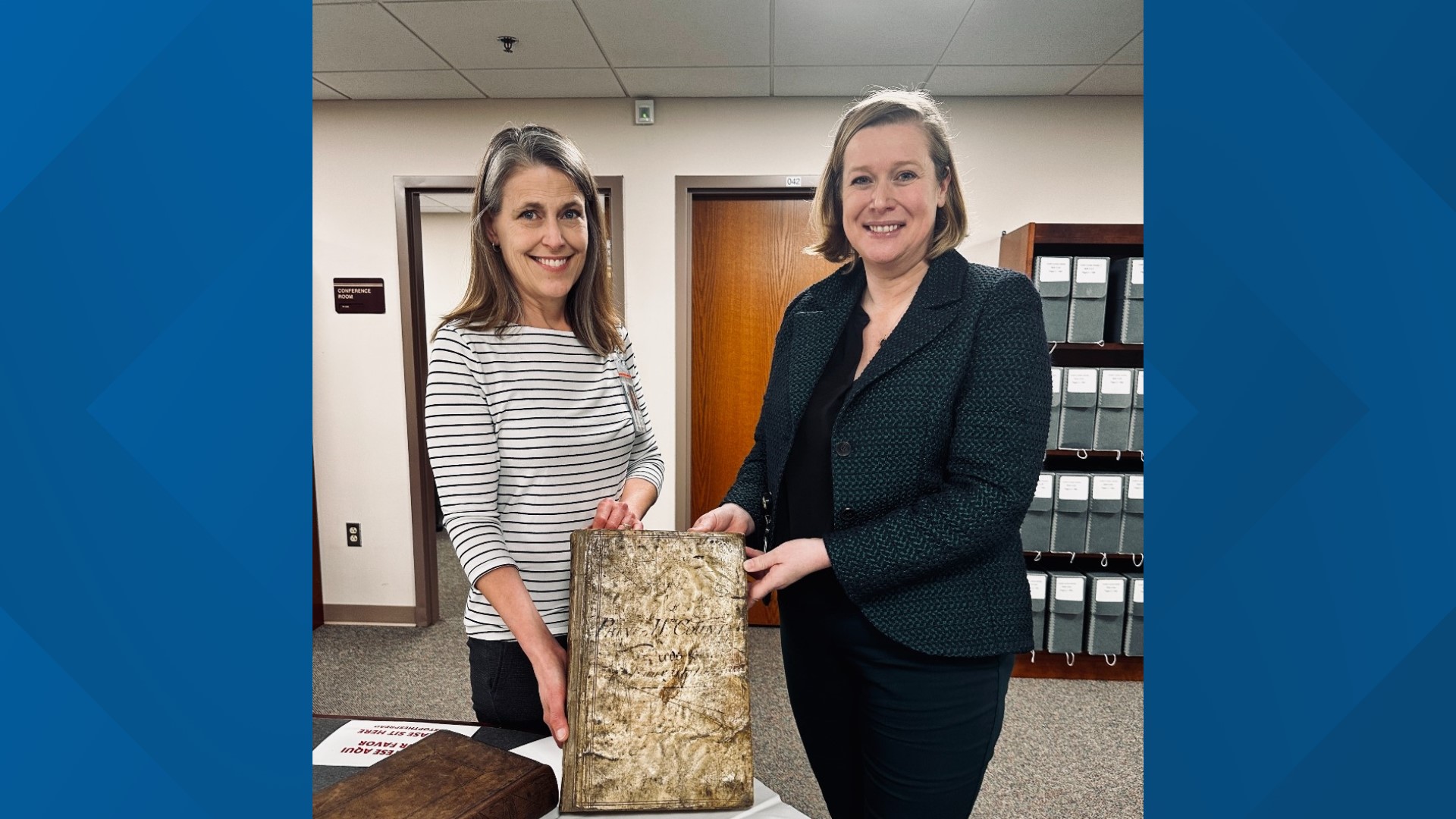
Archives and museums in Prince William County do more than store artifacts; they maintain the collective memory of diverse groups, including the contributions of enslaved individuals, indigenous populations, and immigrant communities who built the county but have historically been underrepresented in the written record. Acknowledging these diverse voices is critical for a comprehensive understanding of what constitutes "history" in the 21st century.
Comparative Overview of Historical Focus Areas
To understand why history matters in the specific context of local planning and community education, it is helpful to contrast the different sectors of the county’s historical legacy.
| Focus Area | Primary Impact | Relevance in 2026 |
|---|---|---|
| Colonial Port History | Infrastructure & Trade | Influences modern maritime/river policy |
| Civil War Battlefields | Cultural & Tourism | Drives regional education and identity |
| Military Installations | Strategic & Economic | Shapes current regional demographics |
| Rural Preservation | Land-Use Policy | Informs sustainable development goals |
Frequent Questions Regarding Local History
Why should new residents care about the county's history?
Learning the history of your home helps you understand the zoning, environmental constraints, and cultural identity of the area. It turns a place of residence into a place of belonging and provides context for the rapid changes currently occurring.
How does local history impact current property values?
Areas with preserved historical character often benefit from unique aesthetic appeal and tourism interest. Understanding the history of a neighborhood can provide insight into its potential for revitalization and long-term stability.
Where can citizens access official historical records?
The Prince William County Clerk of Court and the local library system’s archives are the primary repositories for land deeds, tax records, and genealogical information. These sources are vital for anyone researching local ownership or the evolution of specific properties.
Is historical preservation mandatory for property owners?
In certain designated historic districts, yes. Local ordinances may restrict changes to building exteriors to maintain historical integrity. It is essential to check current county guidelines regarding architectural review boards before starting exterior renovation projects.
How does the county manage the tension between growth and history?
The county utilizes comprehensive planning processes and public hearings to solicit community input. Historical impact statements are often required for large-scale development projects to ensure that site-specific history is documented before construction begins.
Taking Action: Engaging with Local History
For those who wish to move beyond passive observation, engaging with Prince William County’s history is a practical way to participate in the civic life of the region. Start by visiting the Prince William County Historic Preservation Division’s resources to identify sites near you that are currently seeking volunteer or archival support.
Additionally, when local land-use debates arise in 2026, attend community meetings prepared with an understanding of how the historical context of a site might influence its future utility. Whether you are an educator, a developer, or a homeowner, recognizing that history is a living element of the landscape will allow you to make more informed decisions about the future of the county. History is not an ending; it is the framework upon which the next chapter of Prince William County is currently being written.
Image Gallery
Select an image to open it in a new tab.


Lars Thomsen
Global Labor Markets and Economic Strategy Editor
