The Music Producer Salary 2017 in Context: A Comprehensive Industry Analysis

In 2017, the median annual salary for music producers and directors was approximately $71,620, according to the U.S. Bureau of Labor Statistics. However, this figure represents a broad average; actual earnings varied wildly from $20,000 for entry-level freelancers to millions for elite "A-list" producers, depending on royalties and credit terms.
To understand the music producer's income in 2017, one must look beyond a single salary figure. It was a year of transition where the music industry finally saw sustained growth after a decade of decline, primarily driven by the maturation of streaming platforms. This economic shift fundamentally altered how producers were paid, moving the needle from mechanical royalties (CD and download sales) to performance-based streaming royalties and upfront production fees.
The Economic Landscape of the Music Industry in 2017
In 2017, the global music market grew by 8.1%, the third consecutive year of growth. For a producer, this meant that the "pie" was finally getting larger again. However, the distribution of that pie was changing. Streaming accounted for 38.4% of total revenue by the end of that year.
For the average music producer, this meant that the traditional "advance" (a sum of money paid upfront to cover recording costs and personal fees) was becoming more modest for mid-tier artists. Labels were becoming data-driven, and unless a producer was working with a proven entity, the days of six-figure advances for unknown talent were largely over.
The "salary" of a music producer is rarely a consistent bi-weekly paycheck. Instead, it is a composite of three main income streams:
- Production Fees: Upfront payments for the work of creating the track.
- Producer Points (Royalties): A percentage of the revenue generated by the song (traditionally 3% to 4% of the retail price or "Price to Published Dealer").
- Publishing Income: If the producer also contributed to the songwriting (which became the industry standard by 2017), they earned a share of the performance and mechanical royalties.
Breakdown of 2017 Producer Salaries by Experience and Tier
The disparity in income across the industry in 2017 was significant. Unlike corporate roles with structured raises, a producer's income is tied to their "credits"—the notable projects they have completed.
Entry-Level and Independent Producers
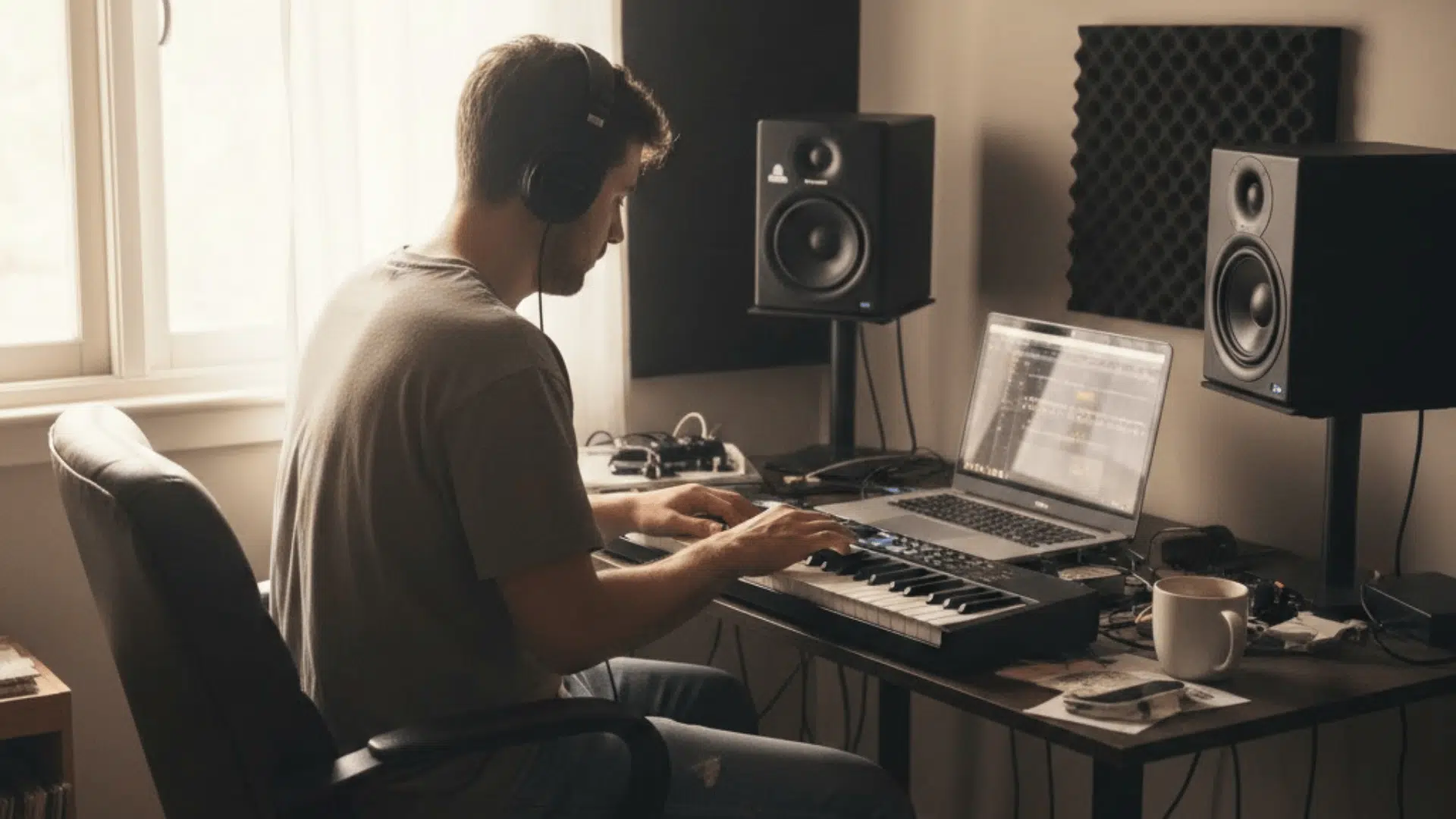
In 2017, an entry-level producer working out of a home studio or a small local facility typically earned between $20,000 and $45,000. These individuals often relied on "work-for-hire" agreements, where they were paid a flat fee (often $500 to $2,500 per track) and waived their rights to future royalties. This was common in the burgeoning "beat-making" scene on platforms like BeatStars, which were just beginning to professionalize the amateur production market.
Mid-Tier Professional Producers
Mid-tier producers—those with a few regional hits or credits on major-label "B-sides"—earned between $50,000 and $150,000. Their income was more diversified. They could command production fees of $5,000 to $15,000 per song and were often successful enough to retain their "points." In 2017, a mid-tier producer might have had one or two songs on a popular Spotify playlist, providing a steady, albeit modest, stream of monthly royalty income.
Top-Tier "A-List" Producers
At the highest level, names like Max Martin, Greg Kurstin, or Mike Will Made-It operated in a different financial reality. These producers could command $50,000 to $100,000+ per track in upfront fees alone. When combined with their 25% to 50% share of the publishing (songwriting) and their producer points, their annual earnings easily exceeded $1 million to $5 million. In 2017, the dominance of hip-hop and pop-leaning R&B meant that "super-producers" who could deliver a "radio-ready" sound were the highest-paid individuals in the creative side of the industry.
Comparative 2017 Salary Data by Role and Location
The following table outlines the estimated annual earnings for various types of music producers in 2017, reflecting the differences in specialization and geographic market strength.
| Producer Category | Primary Location | Est. Low End (Annual) | Est. High End (Annual) | Primary Revenue Source |
|---|---|---|---|---|
| Independent/Freelance | Remote/Regional | $18,000 | $40,000 | Flat Fees / Beat Leases |
| Staff Producer (Studio) | Nashville / LA | $35,000 | $75,000 | Salary + Small Points |
| Hip-Hop/Beatmaker | Atlanta / NYC | $30,000 | $120,000 | Sync Licensing / Fees |
| Electronic/EDM Producer | International/LA | $40,000 | $500,000+ | Touring / Performance Fees |
| Major Label Producer | Los Angeles / NYC | $100,000 | $2,000,000+ | Advances / Royalties |
Factors Influencing 2017 Earnings: The "Context"
To understand why a producer in 2017 made $70,000 while another made $15,000, we must examine the specific market factors that were unique to that era.
The Home Studio Revolution
By 2017, the "cost of entry" had plummeted. High-quality digital audio workstations (DAWs) like Ableton Live 9, Logic Pro X, and Pro Tools 12 were affordable. This led to an oversaturation of the market. Because anyone with a laptop could call themselves a producer, the "floor" for production fees was driven down for lower-level projects. Conversely, this made the "gatekeepers"—those with the ears and the gear to produce truly world-class results—even more valuable.
Geographic Hubs and Cost of Living
In 2017, being physically present in a music hub still provided a significant "salary" premium.
- Los Angeles: The hub for Pop and Film scoring. Producers here had the highest earning potential but faced the highest cost of living.
- Nashville: The "work-for-hire" capital. Many producers worked on a consistent salary or per-session basis within the "Music Row" ecosystem.
- Atlanta: The epicenter of Trap and Hip-hop. Production fees here were often supplemented by "executive producer" credits on mixtapes.
The Shift from Mechanical to Performance Royalties
In 2017, the "Mechanical Royalty" (paid per physical copy or download) was $0.091 per song. However, as consumers moved to Spotify and Apple Music, producers had to wait longer for their money. Streaming pays a fraction of a cent per play. A producer in 2017 needed millions of streams to match the income they would have made from 50,000 CD sales a decade prior. This led many producers to pivot toward Sync Licensing—placing music in commercials, Netflix shows, and video games—which often paid between $2,000 and $20,000 for a single placement.
The Role of the Producer in 2017: Technical vs. Executive
The term "music producer" in 2017 was arguably at its most ambiguous point. This ambiguity directly affected salary negotiations.
- The Engineer-Producer: This individual focused on the technical side—mic placement, vocal tuning, and mixing. They often charged a day rate (typically $400 to $1,000 in 2017) rather than taking points.
- The Creative Producer (Beatmaker): Primarily found in Hip-hop and EDM, this person created the backing track. Their "salary" was heavily dependent on leasing beats or selling them outright.
- The Executive Producer: Often a "vision" person who managed the budget, hired the session musicians, and ensured the project was completed. Their income was usually a percentage of the total recording budget or a high-level fee.
Understanding which role a producer filled was essential for determining their market value. A producer who could "do it all"—write, record, mix, and master—could save a label money, allowing them to negotiate a higher personal fee.
Challenges and Hidden Costs in 2017
While a producer might have seen a gross income of $80,000 in 2017, their net income was often significantly lower. The music production business is one of high overhead.
- Software and Plugins: In 2017, the subscription model (like Splice or Slate Digital) was just taking off, but many producers still spent thousands annually on licenses for Waves, Kontakt, and various VSTs.
- Studio Maintenance: For those not working out of a bedroom, studio rent in cities like NYC or LA could consume 30% to 50% of their gross income.
- Health Insurance and Taxes: As the vast majority of producers were independent contractors, they were responsible for the full 15.3% self-employment tax and private health insurance, which in 2017 was a significant burden for those earning in the $40k–$60k range.
Frequently Asked Questions
Did music producers need a degree to earn a high salary in 2017?
No, a degree was not a requirement for a high salary, though it helped in specific sectors. Producers in film scoring or those working as staff engineers at major studios often benefitted from degrees in Music Production or Audio Engineering (from institutions like Berklee or Full Sail). However, in the commercial pop and hip-hop worlds, a "hit" record was the only credential that truly mattered for increasing one's fee.
How many "points" did a producer typically get in 2017?
The industry standard in 2017 remained 3% to 4% of the suggested retail price of the record. For "top-tier" producers, this could climb to 5% or 6%. These points were usually "retroactive to record one," meaning once the recording costs were recouped at the producer's rate, the producer was paid for every single unit sold or streamed from the very first one.
Was the 2017 producer salary higher or lower than in 2010?
In real terms, the median salary was slightly higher in 2017 due to the industry's recovery. However, the "middle class" of producers felt a squeeze. In 2010, digital downloads (iTunes) still provided a clearer path to royalty income. By 2017, the reliance on streaming meant that unless a producer was associated with a high-volume artist, their royalty checks were often smaller, even if their "upfront" fees remained stable.
How much did "Sync Licensing" contribute to a producer's income in 2017?
For many independent producers, sync licensing was the difference between a failing business and a profitable one. In 2017, a single "sync" for a national car commercial could pay between $10,000 and $50,000. Producers who focused on library music or "bespoke" commercial production often earned a more stable "salary" than those chasing radio hits.
Did the rise of SoundCloud affect producer pay in 2017?
Yes, but often negatively in the short term. The "SoundCloud Rap" era popularized the use of "Type Beats" and uncleared samples. This created a culture where many producers were not being paid traditional royalties but were instead receiving small, one-time payments through Venmo or PayPal, often bypassing traditional contracts and legal protections.
Expert Recommendation for Historical Context
When evaluating the 2017 music producer salary, it is vital to distinguish between gross revenue and take-home pay. If you are researching this for historical comparison or academic purposes, focus on the "All-In" production fee. In 2017, an "All-In" fee required the producer to pay for the studio and session musicians out of their own pocket. Consequently, a $20,000 fee might only result in a $5,000 personal profit after expenses. For those entering the industry today (2026), the 2017 era serves as the blueprint for the current streaming-first, high-volume production model we now inhabit.
Image Gallery
Select an image to open it in a new tab.



Celine Dubois
Contemporary Living and Global Arts Columnist
