The Monster Eel Explained: Separating Cryptid Folklore from Biological Reality
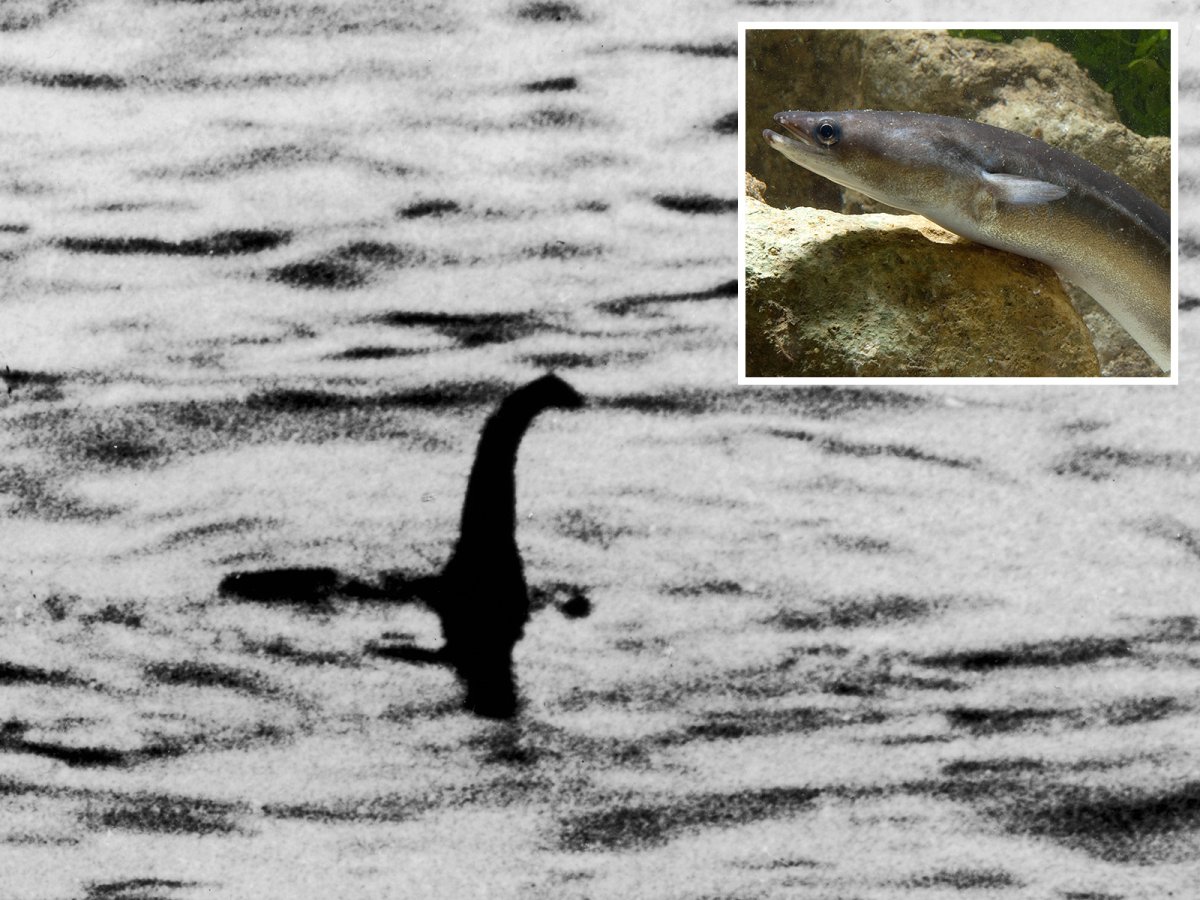
The term "monster eel" typically refers to reports or sightings of massive, unidentified serpentine creatures in lakes and oceans, most notably associated with the legend of the Loch Ness Monster. While these accounts often blend folklore with misidentified natural phenomena, they are rooted in the genuine, albeit less dramatic, biology of known eel species that can reach significant, and sometimes surprising, dimensions.
The Cultural Origins of the Monster Eel
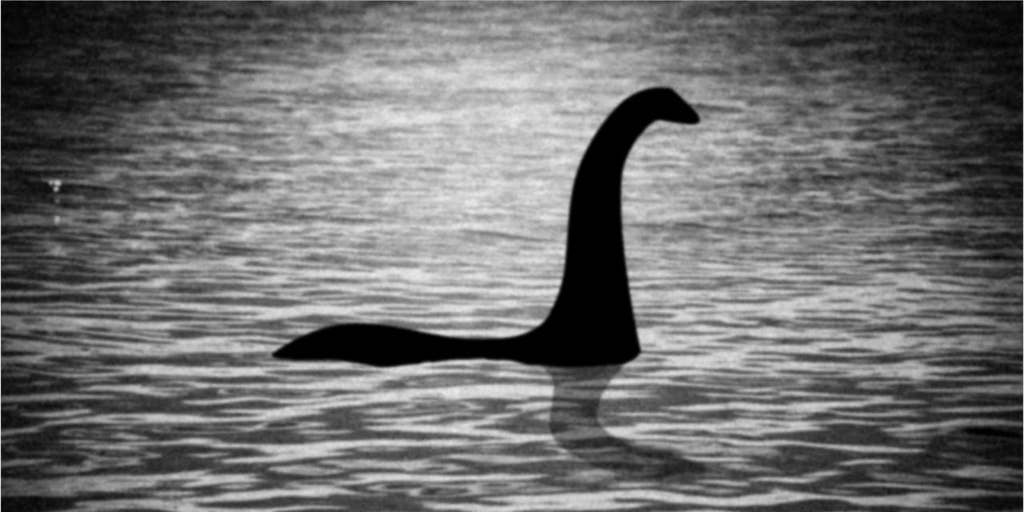
The concept of a "monster eel" is deeply embedded in cryptozoology—the study of animals whose existence has not been scientifically proven. For decades, the public imagination has been fueled by grainy photographs and anecdotal accounts of elongated, swimming creatures. In many instances, the "monster" described by eyewitnesses shares anatomical features with the European eel (Anguilla anguilla) or the conger eel (Conger conger).
The persistent link between monster sightings and eels often stems from the "eel hypothesis" popularized in the late 20th century. Researchers investigating the Loch Ness Monster suggested that if a large creature were living in the loch, it might be an eel of anomalous size. This theory gained traction because of the eel’s unique, slender physiology, which can appear much larger than its actual mass when viewed through refracting water or at a distance.
Biological Reality: How Big Can Eels Actually Get?
To understand the "monster" narrative, one must first establish the baseline for real-world eel dimensions. While they rarely reach the sizes claimed in popular folklore, several species are genuinely formidable.
The European Eel (Anguilla anguilla)
The European eel is a catadromous species—it lives in freshwater but migrates to the Sargasso Sea to spawn. While mature females can reach lengths of up to 1.5 meters (roughly 5 feet), they are rarely heavy enough to be mistaken for a prehistoric monster. However, their ability to navigate shallow, murky waters makes them a frequent subject of misidentification by observers unfamiliar with their life cycle.
The Conger Eel (Conger conger)
The European conger eel is significantly more imposing. Found in the northeastern Atlantic, these eels can grow up to 3 meters (nearly 10 feet) in length and weigh over 100 kilograms (220 pounds). Because they live in rocky reefs and wrecks, encountering a large, thick-bodied conger eel in low-visibility conditions can easily lead to reports of "giant, snakelike beasts."
The Giant Moray Eel (Gymnothorax javanicus)
In tropical waters, the giant moray eel represents the upper echelon of eel size in terms of bulk. While they generally reach about 2.5 to 3 meters, their girth is considerable compared to the slender Anguilla species. Their intimidating appearance, characterized by a wide jaw and sharp teeth, contributes to the lore surrounding aggressive, monster-like marine life.

Comparative Dimensions of Notable Eel Species
Understanding the scale of these creatures helps dispel the myths surrounding "monster" sightings. The following table compares the typical maximum dimensions of well-documented eel species against the anecdotal descriptions often associated with cryptozoology.
| Species | Typical Max Length | Maximum Recorded Weight | Habitat |
|---|---|---|---|
| European Eel | 1.5 meters | 6.5 kg | Rivers, Lakes, Ocean |
| European Conger | 3.0 meters | 110 kg | Rocky Reefs, Wrecks |
| Giant Moray | 3.0 meters | 30 kg | Coral Reefs |
| Giant Mottled Eel | 1.6 meters | 20 kg | Indo-Pacific Rivers |
Note: Data represents verified scientific records as of 2026. Anecdotal reports of "monster" eels often exceed 6–10 meters, which currently lack biological evidence.
The Mechanics of Misidentification
Why do so many people report seeing monster eels when the biological evidence suggests smaller creatures? The explanation lies in a combination of environmental factors and human psychology.
Optical Illusions and Refraction
Water is a complex medium for human vision. Light refraction, waves, and surface ripples can distort the appearance of floating debris or swimming animals. A line of small ducks swimming in a single file, or even a simple piece of driftwood pushed by a current, can mimic the "undulating" motion associated with a massive serpentine creature.
Pareidolia
This is a psychological phenomenon where the brain perceives familiar patterns—such as the shape of a serpent or a face—in random or ambiguous stimuli. When an observer sees a series of waves or a dark shape under the water, the brain often attempts to fit that image into an existing cultural template, such as a "monster."
The "Giant" Bias
In many regions, the public is primed to look for monsters in deep, dark bodies of water. If a local legend exists, a neutral observer is far more likely to interpret a normal aquatic animal (like a large pike, a sturgeon, or a conger eel) as something extraordinary. The expectation of finding a monster influences the visual processing of the event, transforming a standard encounter into an anomalous one.
Scientific Investigation and Modern Technology
Since the early 2000s, the use of environmental DNA (eDNA) sampling has revolutionized how scientists track life in deep-water environments. This technique involves taking water samples and sequencing the DNA fragments found within to identify every organism that has recently occupied that space.
In the mid-2010s and leading into 2026, researchers have utilized eDNA to census various lakes and coastal areas previously associated with monster sightings. These studies have consistently failed to find DNA evidence of prehistoric or giant, undocumented serpentine species. Instead, the results typically confirm the presence of high densities of common eels and other standard freshwater fish. These findings have provided a firm empirical answer: there are no "monsters," only a robust, well-documented population of real fish.
Safety and Environmental Stewardship
For those exploring coastal or freshwater habitats, it is important to remember that eels are not monsters, but they are wild animals.
- Observe from a distance: Like all marine and freshwater life, eels are sensitive to stress. Do not attempt to catch or harass them.
- Habitat protection: Many eel species, such as the European eel, are currently listed as critically endangered due to pollution, overfishing, and the destruction of migratory paths.
- Respect local wildlife: Large eels are apex predators within their niche; they have strong jaws and can deliver a painful bite if provoked. Treat them with the same caution you would any wild animal.
Frequently Asked Questions (FAQ)
Are there any prehistoric monster eels alive today?
There is no scientific evidence to support the existence of giant, prehistoric, or unknown eel species. Most reports can be explained by common species or environmental anomalies.
Could a giant eel live in a lake like Loch Ness?
Loch Ness lacks the necessary food supply to support a population of large, predator-sized eels that would be required for a "monster" to exist and reproduce over generations. Current eDNA research indicates that the eel population in such lakes is typical of local biodiversity.
Why do people keep reporting monster eels?
Reports persist primarily due to the power of suggestion, the misinterpretation of normal animal behavior, and the cultural influence of long-standing legends.
Can eels be dangerous to humans?
While eels are generally shy, they are predators. A large moray or conger eel can bite defensively if it feels cornered or threatened. It is best to observe them without physical interaction.
How are monster eel sightings verified?
Scientists use photographic analysis, sonar data, and eDNA sampling to verify sightings. To date, no credible physical or genetic evidence has confirmed the existence of a "monster" eel exceeding the size limits of known species.
Conclusion and Next Steps
The mystery of the "monster eel" is a fascinating intersection of folklore and natural history. While the idea of hidden, giant creatures inhabiting our waters remains a compelling narrative, the reality is that the actual species involved—such as the conger and European eel—are remarkable enough in their own right. Their life cycles, migration patterns, and unique physiological adaptations are far more complex and impressive than the mythical monsters of urban legend.
If you are interested in learning more about the actual biodiversity of local waters, consider checking resources from regional conservation authorities or marine research institutions. These organizations provide accurate data on local species and often offer public education programs that allow you to see these creatures in controlled, safe environments, helping to ground the "monster" in the reality of nature.
Image Gallery
Select an image to open it in a new tab.
Lars Thomsen
Global Labor Markets and Economic Strategy Editor
