Who Is Jim Cornette in Wrestling: A Career Defined by Tradition and Controversy

Jim Cornette is a professional wrestling manager, promoter, booker, and commentator known for his decades-long career, his intense, traditionalist philosophy on the industry, and his outspoken, often polarizing critiques of modern professional wrestling. Rising to fame in the 1980s as a charismatic, fast-talking manager, he later became a behind-the-scenes authority for organizations like the WWF, WCW, Ring of Honor, and Ohio Valley Wrestling.
The Formative Years and the Rise of the Manager
Jim Cornette—born James E. Cornette in 1961—did not enter professional wrestling through the traditional path of a trained athlete. Instead, his deep-seated passion for the industry led him to transition from a fan and photographer into the role of a ringside manager in the late 1970s and early 1980s.
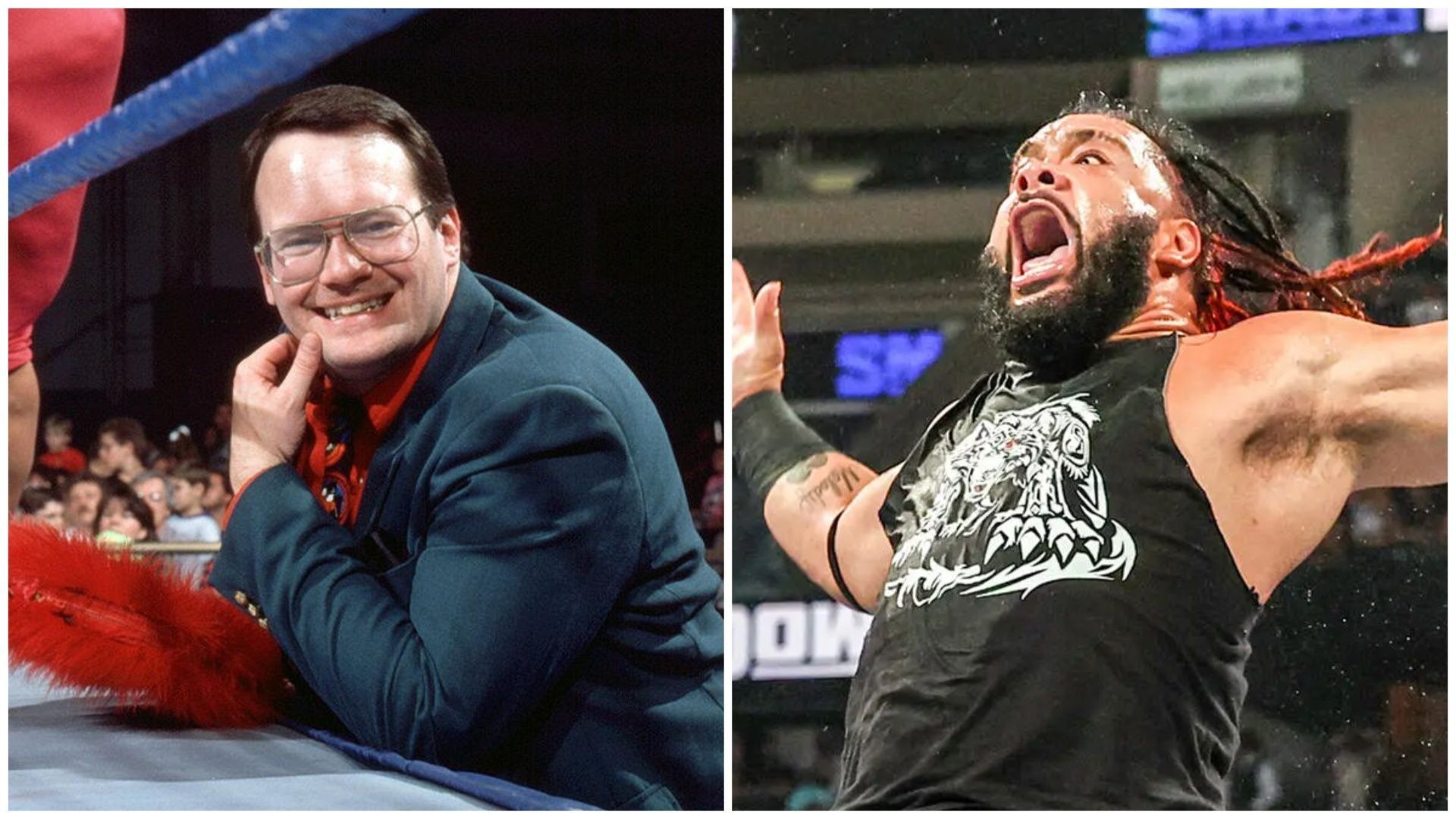
In the regional territory system of the time, the role of a manager was pivotal. Cornette distinguished himself through his rapid-fire delivery, his signature tennis racket—often used as a prop to interfere in matches—and his ability to draw "heat" (audience resentment) for the villainous tag teams he represented. His association with the Midnight Express, comprised of Bobby Eaton and Dennis Condrey (and later Stan Lane), remains one of the most iconic manager-wrestler pairings in the history of the business.
During his time in promotions like Mid-South Wrestling, World Class Championship Wrestling, and the National Wrestling Alliance (NWA), Cornette helped define the "heel" manager archetype. He was not merely a mouthpiece; he understood the psychology of a wrestling match. He knew how to manipulate the crowd’s emotions, ensuring that fans were desperate to see his clients defeated. This period established his reputation as a master of wrestling psychology, a skill set he would carry into his future administrative roles.
Behind the Scenes: Booker and Creative Authority
As his in-ring career progressed, Cornette’s influence shifted to the creative side of the sport. Throughout the 1990s and early 2000s, he occupied high-level positions in the World Wrestling Federation (WWF, now WWE) and World Championship Wrestling (WCW).
His tenure in the WWF during the mid-90s was marked by his involvement in the creative direction of the company during a transitional period. Cornette was a staunch defender of "kayfabe"—the industry term for maintaining the illusion that professional wrestling is a legitimate competition. He believed that wrestlers should behave like athletes and that matches should have a semblance of internal logic and stakes.
Later, he took over Ohio Valley Wrestling (OVW), which served as the developmental territory for the WWE at the time. Under his guidance, OVW became a hotbed for future stars. Performers who would go on to lead the industry for decades, including John Cena, Brock Lesnar, Randy Orton, and Batista, were all sharpened under Cornette’s tutelage. His approach was rigid and disciplined; he insisted on teaching the fundamentals of wrestling, such as ring positioning, selling maneuvers, and crowd manipulation, before allowing wrestlers to attempt more complex or dangerous stunts.
The Traditionalist Philosophy
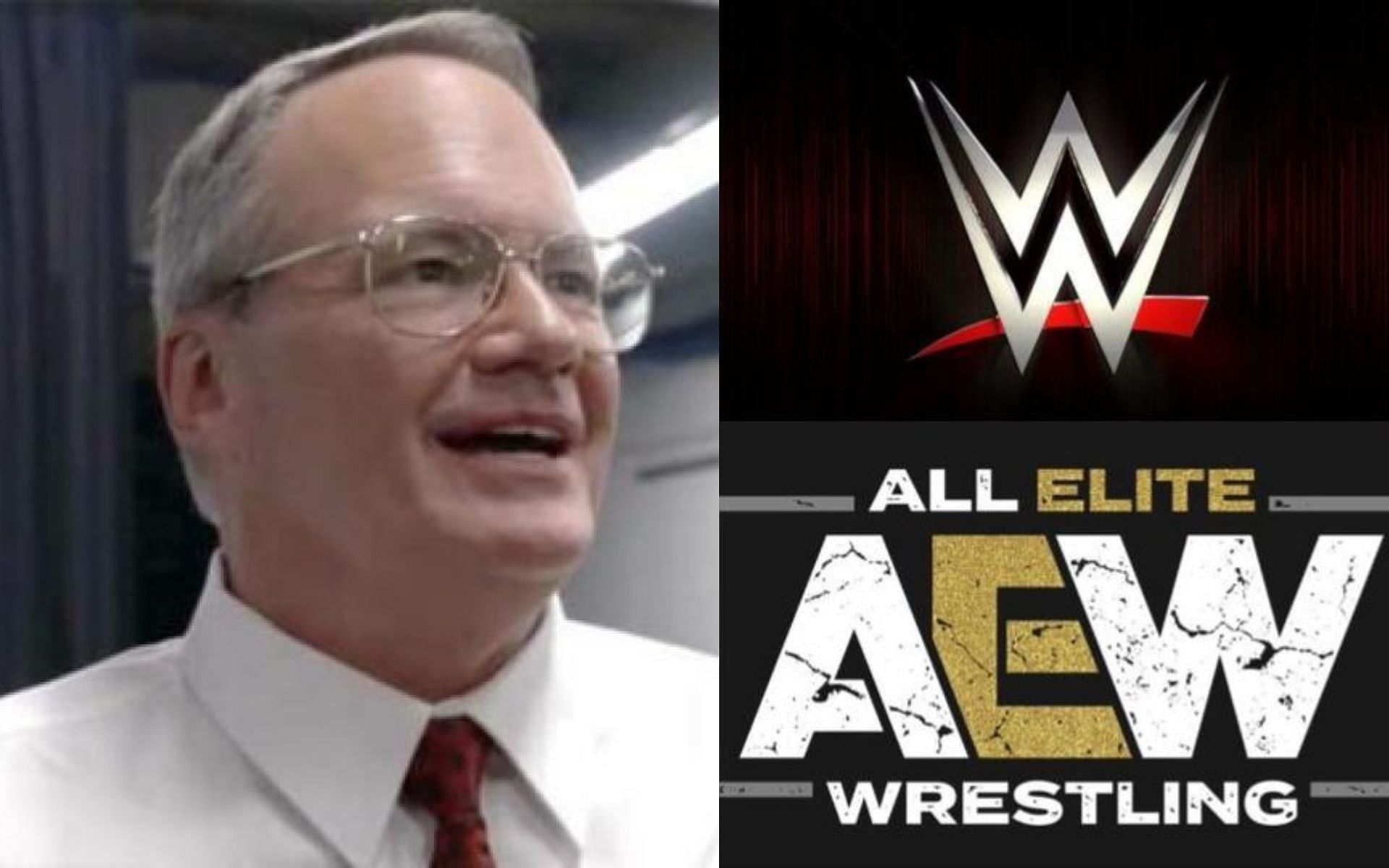
The primary reason Jim Cornette remains a dominant figure in modern wrestling discourse is his unwavering commitment to his specific version of the industry. Cornette is famously a "traditionalist," holding the belief that professional wrestling should be presented as a sport.
To Cornette, this means:
- The Importance of Kayfabe: Wrestlers should avoid revealing their personal lives or breaking character in ways that undermine the suspension of disbelief.
- The Value of the "Job": The purpose of a match is to tell a story where the hero eventually overcomes the villain through tactical superiority.
- Critique of "Spot-Fest" Wrestling: He frequently rails against modern trends where wrestlers prioritize complex, choreographed acrobatic sequences over fundamental storytelling and believable offense.
This philosophy has put him at odds with the current landscape of the industry, particularly the rise of independent-style wrestling that focuses heavily on high-risk, athletic maneuvers. While some critics argue his views are antiquated, his supporters point to his immense success in the 1980s and 90s as proof that his principles were effective in creating long-term business growth.
Impact on Media and the Podcast Ecosystem
Since 2016, Cornette has transitioned from a full-time employee of wrestling promotions to a prolific media personality. Through his podcasts, The Jim Cornette Experience and Jim Cornette’s Drive-Thru, he provides detailed, hour-long breakdowns of current wrestling programming, specifically targeting AEW (All Elite Wrestling) and, to a lesser extent, WWE.
His commentary is characterized by:
- Hyperbolic Criticism: He utilizes his background as a manager to deliver scathing, often comedic critiques of wrestlers, matches, and creative decisions he deems illogical or "exposing the business."
- Historical Context: He often contrasts modern matches with classic bouts, explaining why specific techniques worked in the past and why he believes they fail today.
- Polarizing Opinions: His refusal to soften his stance on modern wrestling culture has made him both a hero to "old-school" fans and a target for fans of modern, indie-style wrestling.
Comparing Professional Wrestling Eras
Understanding Cornette’s career requires comparing the era of regional territories with the current global media landscape of professional wrestling.
| Feature | Territory Era (1970s–1980s) | Global Media Era (2020s) |
|---|---|---|
| Presentation | "Sport-like" and grounded | Entertainment and spectacle |
| Performance Focus | Selling, pacing, and heat | High-risk spots and athleticism |
| Backstage Role | Promoter-centric | Committee-driven creative |
| Fan Interaction | Isolated by local markets | Real-time social media feedback |
| Kayfabe | Essential for business | Mostly abandoned |
This table illustrates why Cornette often feels like an outsider in the modern industry. The tools and tactics he mastered to make a local show profitable are fundamentally different from the tools required to satisfy a global, digitally connected fanbase that values spectacle and "cool factor" over traditional ring psychology.
Frequently Asked Questions
Why is Jim Cornette controversial?
Cornette is controversial primarily because of his aggressive, unfiltered critiques of modern wrestlers and promotions. He often uses derogatory language and inflammatory rhetoric when expressing his disapproval of specific wrestling styles, which alienates younger fans while simultaneously attracting listeners who share his traditionalist views.
Did Jim Cornette ever work for AEW?
No, Jim Cornette has never worked for All Elite Wrestling. He has been one of the most vocal and consistent critics of the company’s creative direction, roster management, and in-ring style since its inception. His critiques are a cornerstone of his current media career.
What is the "Jim Cornette Face" meme?
The "Jim Cornette Face" refers to a specific, frustrated expression he often makes during his podcast videos when discussing a particularly illogical moment in a modern wrestling match. It has become a visual shorthand in the wrestling internet community for shared disbelief or annoyance.
What was Cornette’s most significant contribution to the industry?
While his managerial career was highly successful, many analysts argue that his work as a developmental trainer at Ohio Valley Wrestling (OVW) in the early 2000s was his most lasting contribution. By training the stars who carried the WWE into its most profitable years, he influenced the shape of the industry for two decades.
Is Jim Cornette retired?
In the context of active promotion, yes. He no longer works as a booker, agent, or manager for any major organization. His current "job" is that of a wrestling historian, podcaster, and commentator, where he utilizes his vast experience to analyze the sport from a distance.
Navigating the Legacy of a Wrestling Icon
For those interested in understanding the history of professional wrestling, Jim Cornette serves as a living bridge to an era that is rapidly disappearing. Whether one agrees with his criticisms of modern trends or views his outlook as resistant to necessary evolution, his impact on the structure of the industry is undeniable.
If you are looking to understand the mechanics of the sport, his archives provide a masterclass in how to draw an audience and maintain tension. To get started, examine his early work in Mid-South Wrestling or his detailed breakdowns of classic matches. By listening to his analysis, you will gain a deeper appreciation for the psychological components that have historically separated successful wrestling matches from mere athletic exhibitions.
Image Gallery
Select an image to open it in a new tab.
Omar Farooq
EdTech Innovation and Virtual Pedagogy Journalist
