Navigating HIPAA Compliant Translation Apps: Requirements, Security, and Selection
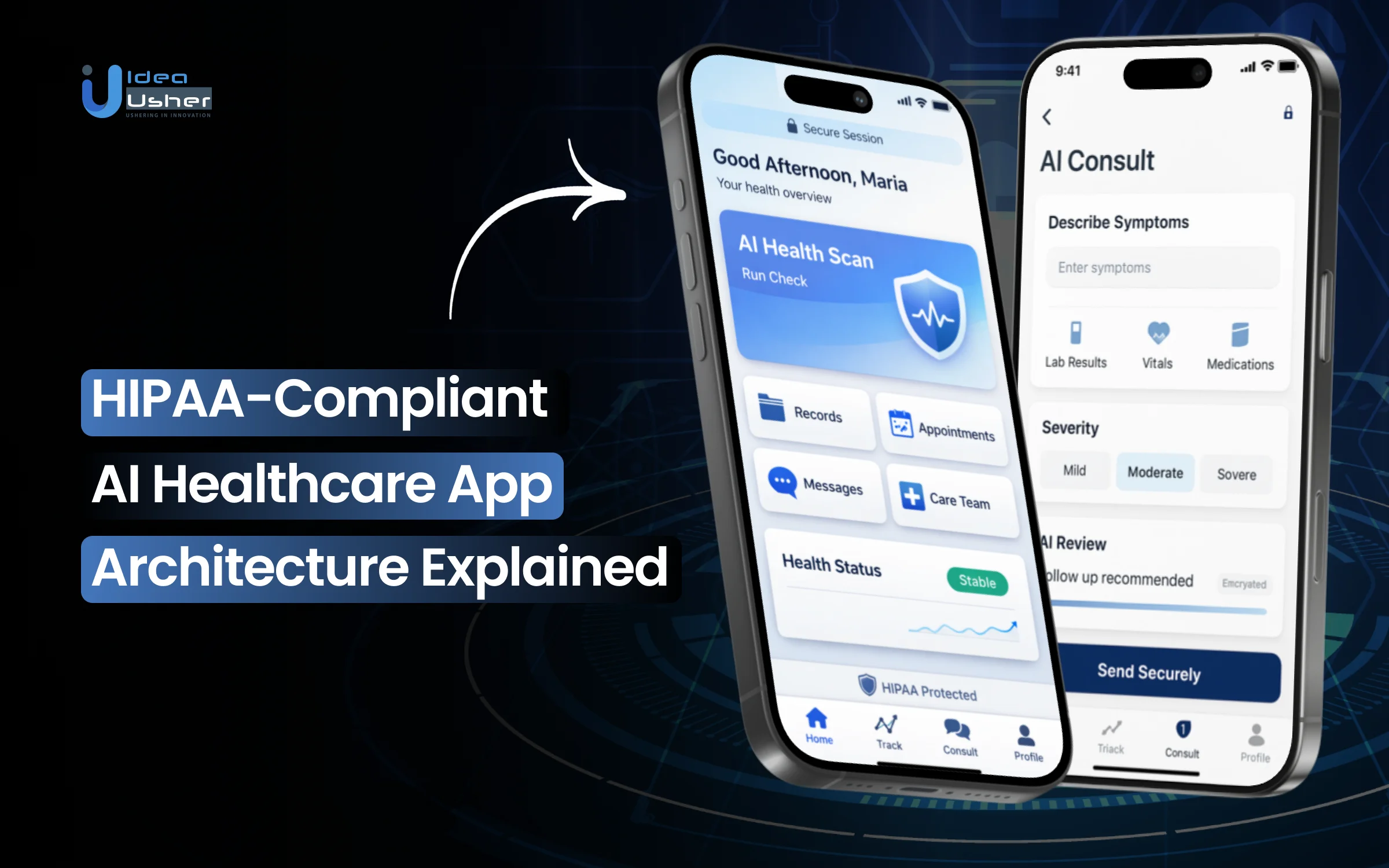
A HIPAA-compliant translation app is a specialized software solution designed to bridge language barriers in healthcare settings while securely handling Protected Health Information (PHI) in strict adherence to the Health Insurance Portability and Accountability Act. These tools ensure that medical, administrative, and clinical translations involving patient data maintain end-to-end encryption, strict access controls, and legally binding Business Associate Agreements.
The integration of digital tools into modern healthcare workflows has revolutionized how providers communicate with limited English proficiency (LEP) patients, deaf or hard-of-hearing individuals, and cross-lingual medical teams. However, the convenience of consumer-grade translation applications often masks significant legal and technical liabilities. Standard translation tools routinely capture, store, and process user input on public servers, frequently training proprietary machine learning models on submitted text. In a clinical or administrative environment, pasting patient symptoms, discharge instructions, or insurance details into an unverified platform constitutes a severe regulatory violation.
Understanding how to identify, evaluate, and implement a compliant solution requires a deep dive into federal regulatory frameworks, technical security architecture, vendor management, and practical operational deployment.
The Regulatory Framework: HIPAA and Language Services
To evaluate any software intended for clinical use, healthcare entities must first understand the legal weight of the Health Insurance Portability and Accountability Act of 1996, alongside subsequent enhancements like the Health Information Technology for Economic and Clinical Health (HITECH) Act.
Protected Health Information (PHI) in Translation
Under HIPAA, Protected Health Information encompasses any individually identifiable health data held or transmitted by a covered entity or its business associate, in any form or media, whether electronic, paper, or oral. Translation app workflows routinely touch PHI. When a nurse types a patient’s unique medical history into a text translation field, or when an administrative staff member dictates a bilingual scheduling call into a voice recognition tool, that data becomes electronic Protected Health Information (ePHI).
Consumer-facing translation tools typically process text by transmitting it to cloud servers where the data may be logged, stored indefinitely, or utilized for automated training routines. If the platform lacks the infrastructure to protect this data according to the Security Rule, the healthcare provider faces severe financial penalties, civil monetary liabilities, and mandatory breach notifications under the HIPAA Breach Notification Rule.
The Essential Business Associate Agreement (BAA)
The cornerstone of HIPAA compliance for any third-party software vendor is the Business Associate Agreement. A BAA is a legal contract that establishes specific permissions, responsibilities, and liabilities concerning the handling of ePHI.
Under federal guidelines, if a software vendor processes, stores, or transmits ePHI on behalf of a healthcare provider, that vendor is legally classified as a "Business Associate." Software companies that market consumer translation applications universally decline to sign BAAs because their standard terms of service explicitly disclaim liability for medical data and reserve the right to monetize user data. Consequently, a healthcare provider cannot legally utilize a standard, over-the-counter translation application for patient care unless an enterprise-grade version backed by a signed BAA is deployed.
Core Technical Requirements for Compliant Translation Software
Achieving regulatory compliance requires more than just a signed legal document; the underlying software architecture must incorporate rigorous technical safeguards. The HIPAA Security Rule mandates specific administrative, physical, and technical safeguards that translation apps must natively support.
- HIPAA Compliant Translation App Architecture Layers
- Encryption: AES-256 at rest, TLS 1.3 in transit
- Access Control: Role-based permissions, MFA, inactivity
- Audit Controls: Immutable logs of all translations
- Data Lifecycle: Zero persistent storage of raw PHI
Encryption Standards in Transit and at Rest
Data must be protected continuously throughout its lifecycle. For a translation application, this means that any spoken or written input must be encrypted while traveling from the user's device to the translation engine, and encrypted again while stored in any temporary database or cache.
- In-Transit Encryption: Data transmitted across public networks must use modern cryptographic protocols, specifically Transport Layer Security (TLS) version 1.3 or higher, ensuring that interception yields only unreadable cipher text.
- At-Rest Encryption: Any logs, temporary caches, or user profiles must be secured using robust cryptographic algorithms such as Advanced Encryption Standard (AES) with 256-bit keys.
Audit Controls and Logging
The HIPAA Security Rule requires covered entities to implement hardware, software, and/or procedural mechanisms that record and examine activity in information systems that contain or use ePHI. A compliant translation app must generate comprehensive audit trails. These logs should record who accessed the system, what text or audio was translated, the source and target languages, the timestamp of the transaction, and the specific device identifier. These logs must be tamper-proof and retained for the statutory period required by compliance guidelines (typically six years).
Access Controls and Authentication
Not all users within a healthcare organization require the same level of access. Compliant applications implement Role-Based Access Control (RBAC), restricting features based on organizational responsibilities. Furthermore, user authentication must extend beyond simple username and password combinations. Multi-Factor Authentication (MFA) must be enforced to prevent unauthorized account access, alongside automatic session timeouts that log out inactive users to prevent unintended exposure of medical data on shared clinical workstations.
Human-in-the-Loop vs. Pure Machine Translation in Healthcare
While software speed is attractive, clinical translation presents unique semantic challenges where machine error can lead to catastrophic patient outcomes.
Limitations of Automated Processing
Neural Machine Translation (NMT) models have achieved remarkable fluency, yet they struggle consistently with medical terminology, regional dialects, colloquialisms, and complex clinical syntax. A misinterpretation of medication dosages, anatomical locations, or allergy alerts can directly jeopardize patient safety. Therefore, pure machine translation should be restricted to low-risk administrative tasks, such as general wayfinding instructions or non-clinical facility inquiries.
Integrated Human Interpreting and Certified Translation
High-stakes medical scenarios—including informed consent, emergency triage, surgical consultations, and psychiatric evaluations—require human verification. The gold standard in compliant communication technology involves hybrid platforms that combine secure machine translation tools with instant, on-demand access to HIPAA-compliant interpreters (via video remote interpreting or over-the-phone interpreting) or professional human translators who are bound by confidentiality agreements and BAAs.
| Feature / Capability | Standard Consumer Apps | HIPAA-Compliant Translation Apps |
|---|---|---|
| Business Associate Agreement (BAA) | Never available | Offered standard under enterprise plans |
| Data Retention & Training | Data saved and used for model training | Zero data retention; logs restricted or purged |
| Encryption Standards | Standard consumer-grade TLS | AES-256 at rest, TLS 1.3 in transit |
| Audit Trails | None or minimal user history | Comprehensive, tamper-proof system logs |
| Authentication Security | Basic password / social login | Multi-factor authentication & SSO integration |
Evaluating and Selecting a Compliant Translation Tool
Selecting the right application requires a structured procurement and vetting process involving IT, legal, and clinical stakeholders.
Step 1: Vendor Vetting and Compliance Verification
Begin by requesting the vendor’s SOC 2 Type II report, ISO 27013 certifications, and a draft of their BAA. Verify whether the vendor hosts data on secure, compliant cloud infrastructure providers (such as AWS, Google Cloud Platform, or Microsoft Azure configured for healthcare) or if they rely on insecure third-party APIs.
Step 2: Assessing Clinical Workflow Integration
A tool that disrupts clinical workflow will experience low adoption rates. Evaluate how the application integrates with existing Electronic Health Record (EHR) systems like Epic or Cerner. Check whether the app functions seamlessly across multiple device types, including secure hospital-issued mobile tablets, desktop workstations, and dedicated telehealth platforms.
Step 3: Reviewing Data Retention Policies
Examine the vendor’s data privacy policy regarding training data. A truly compliant enterprise translation application must feature a "zero data retention" policy, ensuring that text submitted for translation is processed in volatile memory and immediately discarded rather than being stored on external servers or used to refine public algorithms.
Common Operational Pitfalls and Risks
Healthcare organizations often stumble during the procurement and deployment phases of translation technology. Recognizing these pitfalls prevents regulatory exposure.
The Shadow IT Threat
The most pervasive risk is "Shadow IT"—clinical and administrative staff downloading free consumer apps onto personal or institutional devices out of frustration with slow legacy systems. Staff must be educated on the legal risks of entering patient data into unvetted platforms, and IT departments must block unauthorized domains at the network level.
Misinterpreting "Secure" Versus "HIPAA Compliant"
Many software vendors market their products as "secure" because they use standard HTTPS encryption. Security in transit does not equate to HIPAA compliance. Without a signed BAA, strict access controls, formal audit logging, and appropriate data handling policies, a secure app remains non-compliant.
Frequently Asked Questions
Are popular consumer translation apps HIPAA compliant?
No. Standard consumer translation apps do not sign Business Associate Agreements, routinely retain user input data, and often use submitted text to train machine learning models. Using them for patient care violates federal privacy regulations.
What is the penalty for using a non-compliant translation app?
Violations of HIPAA regulations can result in severe financial penalties levied by the Office for Civil Rights (OCR), ranging from thousands to millions of dollars depending on the level of negligence, alongside potential legal liabilities and reputational damage.
Can machine translation be used for informed consent?
Generally, no. Informed consent is a high-risk clinical process that requires absolute accuracy and comprehension. Regulatory standards and medical best practices strongly mandate human interpreters or certified medical translators for informed consent discussions.
How do I verify if a translation software vendor is legitimate?
Always request a signed Business Associate Agreement, review their SOC 2 Type II audit reports, examine their data residency and retention policies, and ensure they utilize healthcare-grade encryption standards both in transit and at rest.
Do translation apps need to integrate with Electronic Health Records (EHR)?
While direct EHR integration is not a legal mandate for compliance, it is highly recommended for operational efficiency and to ensure that translated patient communications are securely recorded within the official medical record.
Practical Next Actions for Healthcare Providers
To secure your organization's language services effectively, initiate a comprehensive audit of all software currently utilized for patient communication. Survey clinical and administrative staff to identify unauthorized applications in active use. Engage your legal and IT departments to establish a standardized vendor assessment checklist centered on BAA availability, zero-data-retention guarantees, and rigorous encryption standards. By prioritizing secure, specialized translation infrastructure, healthcare providers can successfully overcome language barriers while maintaining absolute adherence to federal patient privacy mandates.
Image Gallery
Select an image to open it in a new tab.
Vivian Cho
Executive IT and Emerging Technologies Reporter
