
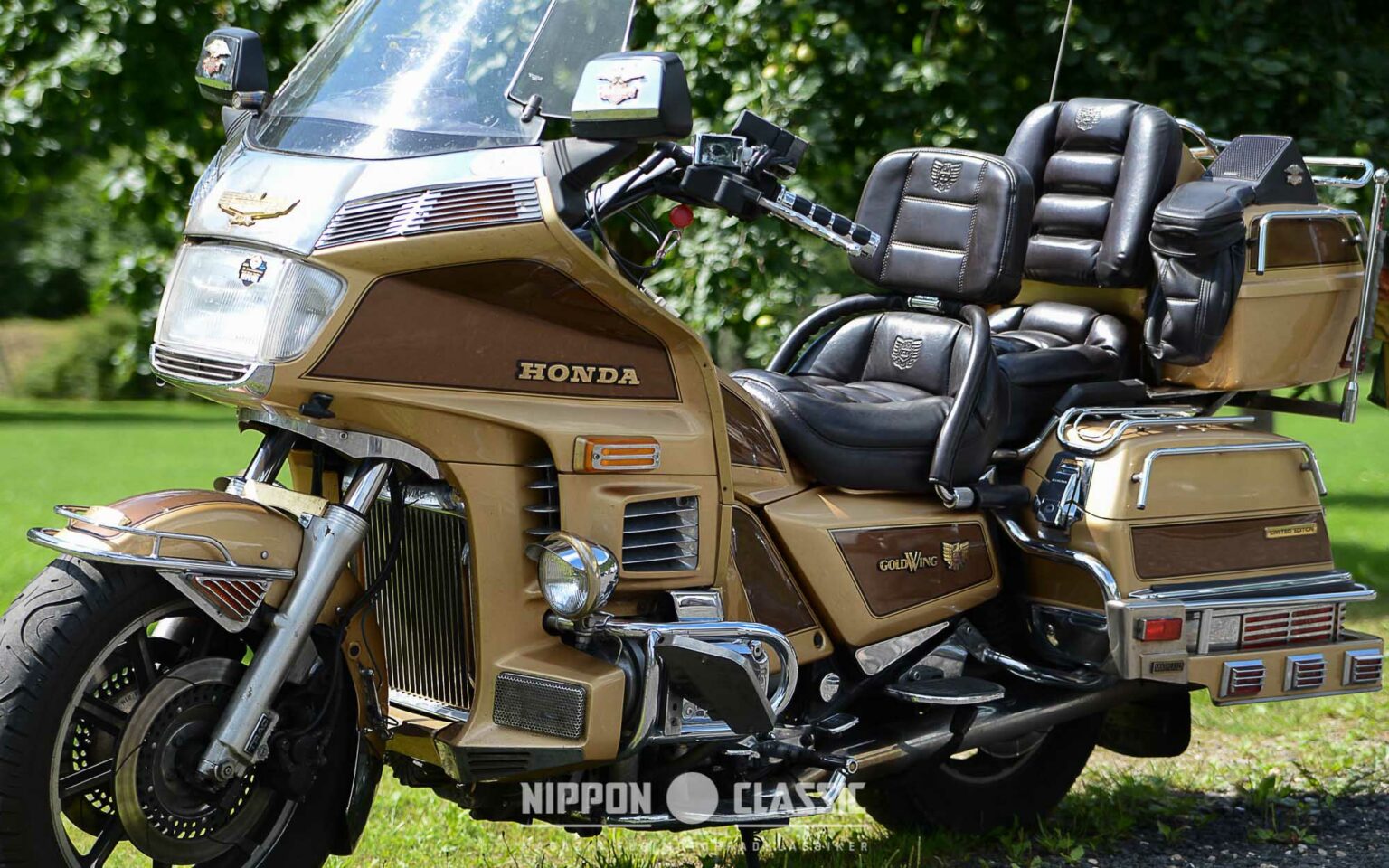
The Honda Gold Wing GL1200, manufactured from 1984 through 1987, occupies a legendary position in touring motorcycle history, yet decades of roadside lore have obscured its true mechanical identity. Evaluating the Goldwing 1200 requires separating persistent online myths regarding its engine, electrical system, and transmission from verified engineering facts to understand its genuine role in the evolution of luxury touring.
Introduction to the Honda Gold Wing GL1200 Era
When Honda introduced the GL1200 for the 1984 model year, it represented a massive developmental leap over the preceding GL1100. Engineers bored out and stroked the iconic flat-four engine to 1,182cc, refined the chassis, lowered the center of gravity by utilizing smaller 16-inch front and 15-inch rear wheels, and introduced hydraulic valve adjusters to reduce routine maintenance.
Despite its advanced features for the mid-1980s, the GL1200 has accumulated a rich tapestry of folklore among vintage motorcycle enthusiasts. Some riders claim the machine is an unreliable electrical nightmare, while others view it as an indestructible highway cruiser requiring zero maintenance. Examining the primary myths associated with this classic touring motorcycle reveals a more nuanced reality grounded in mechanical engineering, manufacturing tolerances, and decades of owner modifications.
Myth 1: The GL1200 Stator is Inherently Unreliable and Guaranteed to Fail
The Origin of the Myth
One of the most widespread beliefs in the vintage Gold Wing community is that the alternator stator inside the GL1200 engine is a ticking time bomb. Because replacing a failed factory stator requires pulling the engine out of the frame—a labor-intensive procedure—this myth strikes fear into prospective buyers and current owners alike.
The Engineering Fact
The factory charging system on the GL1200 utilizes a permanent magnet alternator stator mounted directly to the engine crankcase, immersed in engine oil. The primary cause of failure in these units is not inherent design weakness, but rather heat degradation accelerated by aged wiring connectors, overloaded accessories, and running low oil levels.
While stator failures did occur—particularly on early 1984 models and machines overloaded with power-hungry aftermarket accessories like auxiliary lighting and heated gear—a well-maintained charging system can last for decades. Furthermore, many modern owners resolve this concern permanently by installing an external automotive alternator conversion kit, completely bypassing the factory stator.

Myth 2: The GL1200 Hydraulic Valve Adjusters Eliminate All Engine Maintenance
The Origin of the Myth
When Honda announced that the GL1200 would feature hydraulic valve lifters (lash adjusters), marketing materials and enthusiastic reviewers suggested that owners would never have to worry about manual valve clearances again, promoting a truly maintenance-free top end.
The Fact
While the hydraulic lifters successfully eliminated the need for periodic manual shims or screw-and-locknut adjustments found on the earlier GL1000 and GL1100, they did not make the valve train entirely maintenance-free.
The hydraulic system relies on clean engine oil pressure to maintain proper lash. If neglected, varnish, sludge, or low oil pressure can cause the lifters to bleed down, resulting in noisy valve ticking or premature wear. Moreover, camshaft pitting became a documented issue on certain GL1200 production runs due to metallurgy and oil-formulation changes during the 1980s, requiring careful oil selection and regular changes rather than total neglect.
Myth 3: The GL1200 Rides Like an Unwieldy, Top-Heavy Truck
The Origin of the Myth
Weighing in well over 600 pounds dry (and pushing 800 pounds fully loaded with fuel, bags, and an optional Interstate or Aspencade fairing), critics often dismiss the GL1200 as a sluggish behemoth that refuses to corner and poses handling hazards at low speeds.
The Fact
Physics dictates that a full-dress touring motorcycle requires substantial mass for straight-line stability on cross-country journeys, but Honda's chassis design for the GL1200 was surprisingly nimble for its era.
By dropping the front wheel diameter from 19 inches on the GL1100 down to 16 inches, engineers significantly reduced gyroscopic inertia, quickened the steering response, and lowered the overall center of gravity. When the suspension components—particularly the air-assisted front forks and rear shocks—are properly pressurized and maintained, the GL1200 exhibits remarkable balance, making low-speed U-turns manageable for riders who understand proper counterbalancing techniques.
Comparative Overview: GL1100 vs. GL1200 vs. GL1500
To fully understand the mechanical context of the GL1200, it helps to compare its core specifications and design philosophies with its immediate predecessor and successor.
| Feature / Spec | Honda GL1100 (1980–1983) | Honda GL1200 (1984–1987) | Honda GL1500 (1988–2000) |
|---|---|---|---|
| Engine Displacement | 1,085cc | 1,182cc | 1,520cc |
| Engine Configuration | Flat-four (Boxer) | Flat-four (Boxer) | Flat-six (Boxer) |
| Valve Adjustment | Manual screw & locknut | Hydraulic lash adjusters | Hydraulic lash adjusters |
| Front Wheel Size | 19 inches | 16 inches | 18 inches |
| Fuel Delivery | Four carburetors | Four carburetors | Dual constant-velocity carbs |
| Charging System | Stator behind engine | Stator behind engine | Front-mounted alternator |
Myth 4: The 1984 Model Year Should Be Avoided Completely
The Origin of the Myth
A persistent forum narrative warns buyers to stay away from the introductory 1984 GL1200 models, claiming they suffer from terminal first-year production defects that were only resolved in later years like 1985, 1986, or the final 1987 SE-i.
The Fact
While it is true that manufacturers frequently implement running production changes during the first year of a new generation, the 1984 GL1200 shares the vast majority of its mechanical architecture with the subsequent model years.
Early 1984 models did experience minor electrical connector vulnerabilities and carburetor jetting refinements, but Honda addressed most of these via factory service bulletins decades ago. A well-preserved 1984 Standard or Interstate model that has received proper routine maintenance is mechanically comparable to a 1985 or 1986 counterpart. Prospective buyers should evaluate a specific machine's condition, storage history, and maintenance records rather than rejecting an entire model year based on generalized internet lore.
Common Maintenance Realities and Ownership Considerations
Dispelling myths is only part of evaluating a classic motorcycle; owners must also confront the day-to-day realities of keeping a mid-1980s machine on the road.
Parts Availability and Sourcing
While Honda has discontinued OEM production for many specific GL1200 cosmetic and electrical components, a robust aftermarket and salvage network exists. Dedicated specialty suppliers provide reproduction rubber parts, brake lines, gasket kits, and rebuilt electronic ignition components. However, sourcing specific color-matched body panels or rare Aspencade digital dash components can require patience.
Tire Selection Challenges
One unique mechanical hurdle for GL1200 owners is the unique wheel sizing—specifically the 15-inch rear wheel found on many variants. Modern motorcycle tire manufacturers have largely shifted away from 15-inch bias-ply touring tires, forcing owners to carefully select approved replacement options or utilize specific automotive-derived tire alternatives, a practice that sparks ongoing safety debates within the riding community.
Frequently Asked Questions
What is the fuel economy of a Honda GL1200?
Under normal highway riding conditions, a well-tuned GL1200 typically achieves between 35 and 45 miles per gallon. Fuel economy can drop significantly if the four carburetors are out of synchronization, if the air filter is clogged, or when riding fully loaded with a passenger and luggage at sustained highway speeds.
Are replacement parts difficult to find for the GL1200?
Routine consumable items—such as oil filters, brake pads, spark plugs, and fork seals—are readily available through standard motorcycle parts distributors. Rare trim pieces, original exhaust systems, and specific electronic dashboard displays are harder to locate and often require searching specialized vintage forums or salvage networks.
Can the GL1200 run on modern ethanol-blended gasoline?
Most GL1200 fuel systems can handle standard E10 (10% ethanol) fuel provided the motorcycle is ridden regularly. However, because ethanol attracts moisture and degrades older rubber fuel lines, seals, and brass carburetor components during prolonged storage, using a quality fuel stabilizer is strongly recommended.
How does the GL1200 compare to modern touring motorcycles?
Compared to modern touring flagships equipped with electronic cruise control, ABS, traction control, and multi-speaker infotainment systems, the GL1200 offers a decidedly analog riding experience. It provides mechanical throttle feedback, wind protection, and a plush ride without computerized rider aids, appealing to purists who enjoy vintage machine maintenance.
What causes timing belt failure on the GL1200, and how often should they be replaced?
The GL1200 uses rubber toothed belts to synchronize the camshafts with the crankshaft. Unlike an interference engine where broken belts cause catastrophic internal damage, the GL1200 is a non-interference design in most configurations, but a snapped belt will leave you stranded. Manufacturers and experienced mechanics recommend inspecting and replacing these rubber belts every 5 years or 30,000 miles, regardless of external appearance.
Practical Recommendations for Prospective Buyers
If you are considering purchasing a Honda GL1200, look beyond cosmetic shine and focus on verifiable mechanical health. Prioritize finding a machine with documented service history, paying close attention to the condition of the timing belts, fork seals, and battery charging output. Verify that the electrical charging system voltage reads correctly across the RPM range. By separating internet myths from verified engineering facts, you can successfully acquire and maintain one of touring motorcycling's most significant classic achievements.
Image Gallery
Select an image to open it in a new tab.

Lars Thomsen
Global Labor Markets and Economic Strategy Editor
