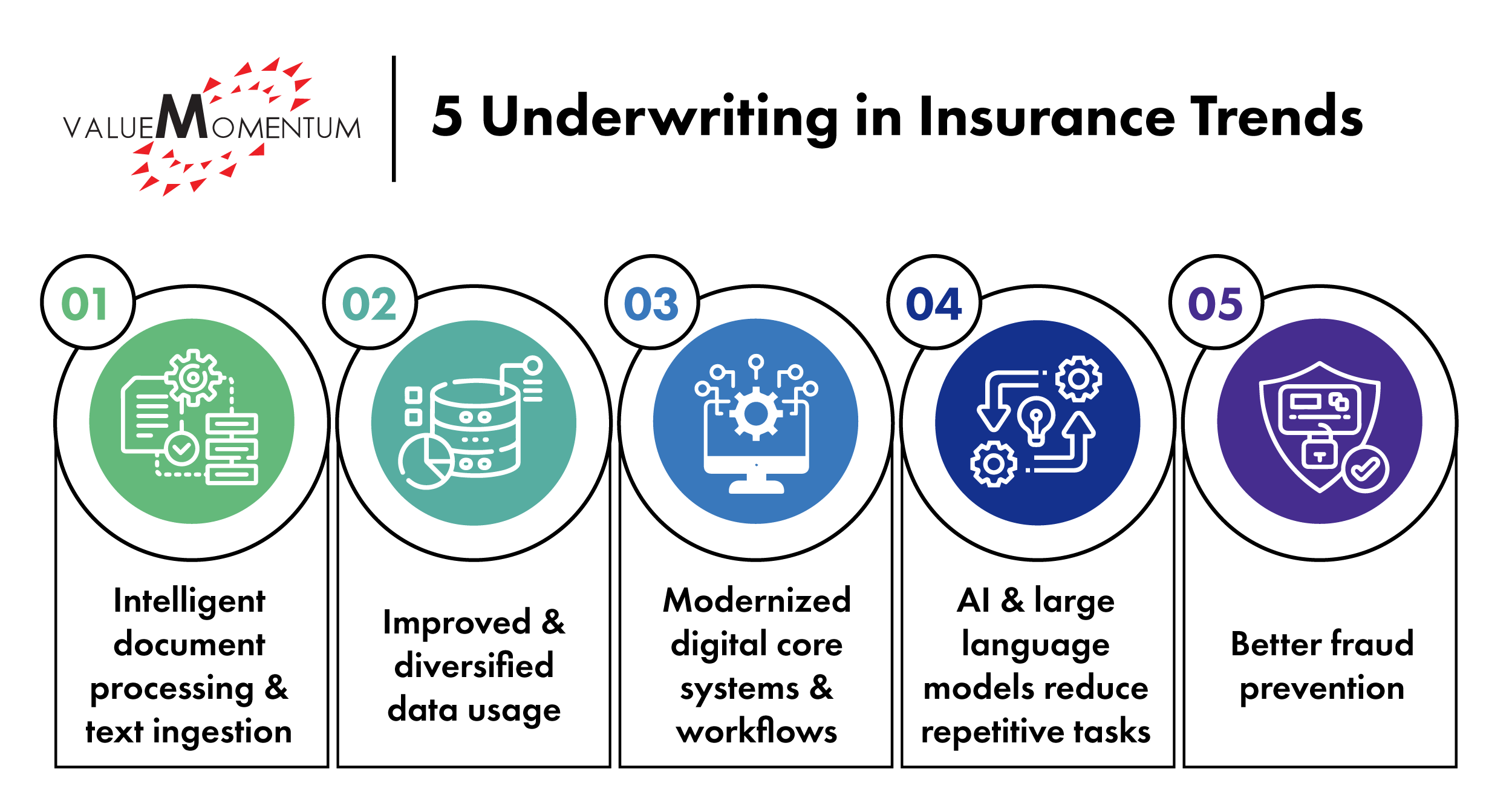
The auto insurance industry is undergoing a profound transformation driven by rapid technological advancements, evolving consumer behaviors, and shifting regulatory frameworks. Traditional risk assessment models based strictly on historical demographic data are steadily giving way to real-time, behavior-based pricing, advanced telematics, and automated claims processing systems that redefine how policies are priced, serviced, and utilized.
Understanding the Shift from Static to Dynamic Risk Assessment
For decades, auto insurance underwriting relied heavily on a static set of proxies to estimate risk. Age, gender, marital status, credit history, and postal codes served as the primary pillars for determining a driver's premium. While these factors offered statistical correlations over large populations, they frequently penalized safe drivers who happened to fall into higher-risk demographic brackets.
The future of auto insurance dismantles this one-size-fits-all paradigm through dynamic risk assessment. By leveraging continuous data streams, insurers can evaluate risk based on actual driving habits rather than generalizations. This shift benefits both carriers and consumers: insurers gain a more granular and accurate picture of individual risk exposure, while policyholders enjoy premiums that directly reflect their personal driving choices and road safety habits.
The Role of Connected Vehicles and Telematics
Telematics technology sits at the heart of this operational evolution. Modern vehicles roll off assembly lines equipped with advanced onboard diagnostics and embedded cellular connectivity, eliminating the historical need for plug-in dongles or purely smartphone-based tracking apps.
Through usage-based insurance (UBI) and pay-how-you-drive (PHYD) programs, insurers capture precise metrics regarding:
- Speeding and Acceleration: Tracking harsh acceleration and instances of excessive speeding relative to posted limits.
- Braking Intensity: Monitoring abrupt deceleration events that suggest tailgating or distracted driving.
- Time-of-Day Driving: Accounting for the elevated accident risks associated with late-night driving and heavy rush-hour congestion.
- Mileage Accumulation: Factoring total distance driven into the risk equation, recognizing that lower annual mileage correlates directly with lower loss frequency.
As Original Equipment Manufacturers (OEMs) expand their native data-sharing ecosystems, the friction of onboarding customers into telematics programs continues to decrease. Drivers no longer have to install aftermarket hardware; instead, they simply opt-in through their vehicle’s infotainment dashboard to unlock potential premium discounts.
Artificial Intelligence and the Automation of Claims Management
Filing an auto insurance claim has historically been a cumbersome process involving physical inspections, manual paperwork, adjuster appointments, and extended waiting periods. Artificial intelligence (AI) and machine learning (ML) are streamlining this workflow into a nearly instantaneous digital experience.
When a collision occurs, computer vision algorithms integrated into mobile applications or vehicle sensors can assess damage severity from simple smartphone photographs or telematics telemetry data. Natural language processing (NLP) models manage first-notice-of-loss (FNOL) intake via chatbots and virtual assistants, capturing accurate incident details without requiring policyholders to navigate complex telephone menus during stressful situations.
| Claim Processing Stage | Traditional Approach | AI-Driven Future Approach |
|---|---|---|
| First Notice of Loss | Manual phone calls, paper forms, long wait times. | Instant digital intake via mobile apps and NLP chatbots. |
| Damage Assessment | In-person physical inspection by a licensed insurance adjuster. | Automated computer vision analysis using uploaded digital photographs. |
| Fraud Detection | Manual audits and retrospective investigative reviews. | Real-time predictive analytics flagging anomalous claim patterns instantly. |
| Payout Execution | Paper checks mailed after manual approval workflows. | Automated electronic funds transfers (EFT) processed within hours. |
Beyond speed, AI brings sophisticated fraud detection capabilities to the surface. Machine learning models analyze thousands of data points across historical claims to flag suspicious patterns, staged accidents, or inflated repair estimates long before payouts occur. This safeguards insurance pools from unnecessary loss inflation, ultimately stabilizing premiums for honest consumers.
The Integration of Advanced Driver Assistance Systems (ADAS)
The proliferation of Advanced Driver Assistance Systems (ADAS)—ranging from adaptive cruise control and lane-keep assist to automated emergency braking—has fundamentally altered vehicle safety dynamics. These technologies are designed to prevent collisions entirely or mitigate their severity when they do occur.
However, the rise of ADAS introduces a complex dual challenge for auto insurers:
- Reduced Claim Frequency: As vehicles become smarter and more responsive to road hazards, the overall number of low-to-moderate speed collisions is declining.
- Increased Claim Severity: While accidents happen less frequently, the physical components required to repair an ADAS-equipped vehicle are vastly more expensive. Cameras embedded in windshields, radar units in bumpers, and ultrasonic sensors require specialized calibration and costly replacement parts following even minor impacts.
Consequently, insurers must constantly recalibrate their pricing models. A reduction in claim frequency must be weighed against the skyrocketing cost of individual repairs. Furthermore, the industry faces an ongoing transition period where human-driven cars share roadways with partially and fully autonomous vehicles, creating complex liability questions when software errors or hardware malfunctions contribute to collisions.
Regulatory Evolution, Data Privacy, and Cybersecurity
As insurers harvest unprecedented volumes of personal and vehicular data, regulatory bodies worldwide are tightening oversight to protect consumer privacy. The collection of driving habits, location telemetry, and lifestyle data brings significant compliance responsibilities under frameworks such as the European Union's General Data Protection Regulation (GDPR) and evolving state-level privacy statutes in various jurisdictions.
Insurers must ensure absolute transparency regarding:
- What specific data points are collected from vehicles and mobile applications.
- How that collected data is processed, stored, and protected against unauthorized access.
- Whether consumers have the explicit right to opt out of data harvesting without facing punitive premium hikes.
Concurrently, the digitization of the auto insurance sector elevates cybersecurity as a core operational priority. Securing policyholder databases against ransomware attacks, data breaches, and unauthorized telematics interception is paramount. Regulatory compliance is no longer just a legal checkbox; it serves as a critical trust signal for consumers choosing between competing carriers.
Alternative Insurance Models: Embedded Insurance and On-Demand Coverage
Consumer expectations are shifting away from rigid, annual policy cycles toward frictionless, contextual buying experiences. This evolution has given rise to embedded insurance and on-demand coverage models.
Embedded insurance integrates policy purchase directly into the point of sale for another product or service. For instance, when a consumer purchases a new vehicle through a digital platform or rents a car via a peer-to-peer car-sharing application, auto insurance is offered seamlessly as an integrated add-on at checkout. This eliminates the need to shop around independently for standalone policies.
On-demand insurance caters to gig economy workers, occasional drivers, and urban residents who rely on public transit during the workweek. These policyholders can toggle their coverage on and off via smartphone applications depending on whether they are actively driving or parking their vehicle, ensuring they pay strictly for the hours or miles their car is actually in motion.
Frequently Asked Questions
How does telematics actually lower my auto insurance premium?
Telematics programs monitor your real-time driving behavior—such as maintaining safe speeds, avoiding harsh braking, and limiting late-night driving. If your telemetry data proves you are a lower-risk driver compared to the general population, insurers reward your safe habits with financial discounts, which can significantly reduce your periodic premium costs.
Will advanced safety features (ADAS) make insurance cheaper?
While ADAS technology reduces the frequency of collisions by helping drivers avoid accidents, it often increases the severity and cost of individual claims. Repairing sensors, cameras, and specialized bumpers requires expensive parts and calibration. Therefore, while accident rates may drop, the net impact on premiums depends on how individual carriers balance lower claim frequency against higher repair costs.
What is embedded auto insurance?
Embedded insurance is the practice of bundling auto coverage directly into the purchase or rental transaction of a vehicle. Instead of contacting an insurance broker separately, the buyer obtains coverage seamlessly within the primary checkout flow of the automotive purchase or car-sharing platform.
Is my personal driving data secure with usage-based insurance?
Reputable insurance providers adhere to strict data privacy regulations and cybersecurity standards to protect telematics data. Policies typically outline what data is collected, how it is encrypted, and whether it can be shared with third parties. Consumers should review privacy policies carefully before opting into data-sharing programs.
How are autonomous vehicles affecting future insurance liabilities?
As vehicles incorporate higher levels of automation, liability begins to shift away from the human driver toward vehicle manufacturers, software developers, and component suppliers. Insurers are adapting by developing specialized product lines that account for product liability and system failure rather than solely focusing on driver error.
Next Steps for Consumers and Industry Observers
Navigating the future of auto insurance requires staying informed about how technology influences your coverage options and expenses. If you are currently shopping for a policy or evaluating your existing renewal, inquire directly with carriers about their telematics programs, digital claims capabilities, and safe-driving discount structures. By understanding these emerging trends, you can make empowered choices that optimize your coverage and control your long-term insurance costs.
Image Gallery
Select an image to open it in a new tab.

Declan O'Connor
Higher Education and Campus Culture Reporter
