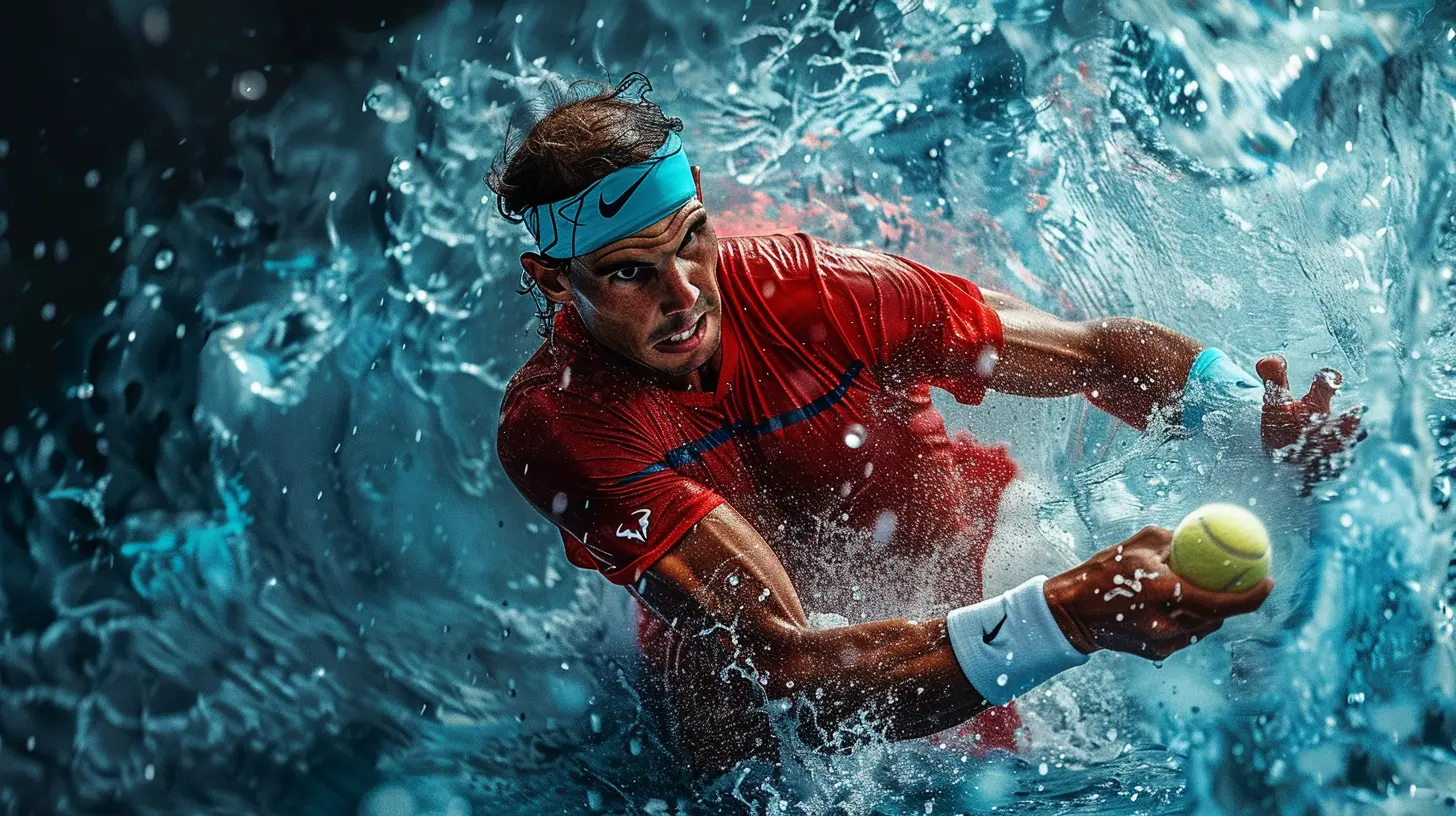
While international sports headlines regularly feature global icons like two-way baseball sensation Shohei Ohtani or tennis champion Naomi Osaka, Japan has produced dozens of extraordinarily dominant athletes who remain unrecognized by casual international sports fans. From the world's absolute home run leader to wrestlers who went undefeated across major global tournaments for over a decade, Japanese athletic history is filled with record-breakers who redefined their respective disciplines.
Understanding these legendary figures offers a deeper perspective on global sports history, Japanese athletic culture, and the technical mastery required to reach the pinnacle of professional sport.
The Landscape of Japanese Athletics Beyond the Mainstream
In Western sports media, coverage of Japanese athletes tends to focus on individuals who transition to North American professional leagues, such as Major League Baseball (MLB) or the National Basketball Association (NBA). However, Japan possesses one of the world's most vibrant, self-contained sports ecosystems. Nippon Professional Baseball (NPB), the J.League (professional soccer), world-class martial arts institutions, and elite winter sports programs generate immense domestic prestige and produce world-leading talent.
Many Japanese sports icons achieve extraordinary records entirely within Asian or international tournament systems without ever needing to relocate to North America or Europe. Consequently, their accomplishments can remain under-reported in English-language media, despite matching or exceeding the statistical achievements of widely recognized Western legends.
Baseball Icons Who Shattered Global Records
While Japanese stars like Ichiro Suzuki and Shohei Ohtani transformed MLB, Japan's domestic league—Nippon Professional Baseball—has fielded players whose career milestones stand among the greatest in international sports history.
Sadaharu Oh: The World’s True Home Run King
Sadaharu Oh spent his entire professional playing career (1959–1980) with the Yomiuri Giants in Tokyo. Over those 22 seasons, Oh hit 868 career home runs—a total that comfortably surpasses both Hank Aaron (755) and Barry Bonds (762).
Professional Career Home Run Totals (All-Time):
- Sadaharu Oh (NPB): 868
- Barry Bonds (MLB): 762
- Hank Aaron (MLB): 755
Oh mastered a unique single-leg batting stance, frequently referred to as the "flamingo stance." Developed alongside his legendary hitting coach Hiroshi Arakawa, this technique allowed Oh to maximize hip rotation, power transfer, and pitch recognition. Beyond his home run record, Oh secured 15 home run titles, 13 RBI titles, and 9 Central League Most Valuable Player awards. Although debate sometimes persists among Western purists regarding the comparative field dimensions and pitching depth between MLB and NPB, Oh's consistency, discipline, and absolute home run volume remain unrivaled in top-tier professional baseball.
Munetaka Murakami: The Modern Era Power House
In the modern era, third baseman Munetaka Murakami established himself as one of the most formidable power hitters of the 21st century. In 2022, playing for the Tokyo Yakult Swallows, Murakami hit 56 home runs in a single season. In doing so, he surpassed Sadaharu Oh's 1964 record of 55 home runs for the most single-season home runs hit by a Japanese-born player in NPB history. Murakami also achieved the NPB Triple Crown that year at just 22 years old, making him the youngest player in Japanese baseball history to lead his league in batting average, home runs, and RBIs simultaneously.

Combat Sports Superstars: Wrestling, Judo, and Boxing
Japan's rich heritage in martial arts has translated into overwhelming dominance in Olympic combat sports and professional combat rings. Some of the most dominant fighters in human history originate from Japan's combat pipeline.
| Athlete | Sport | Historic Career Milestone |
|---|---|---|
| Saori Yoshida | Freestyle Wrestling | 13 World Titles, 3 Olympic Golds |
| Tadahiro Nomura | Judo (-60kg) | 3 Consecutive Olympic Golds (96,00,04) |
| Naoya Inoue | Professional Boxing | Two-Weight Undisputed World Champion |
Saori Yoshida: The Undefeated Wrestling Legend
In the domain of freestyle wrestling, Saori Yoshida is widely considered by combat sports analysts to be the most dominant athlete of all time. Competing in the 55 kg category, Yoshida accumulated an astounding athletic resume:
- 13 World Championship Gold Medals (consecutive titles from 2002 to 2015).
- 3 Olympic Gold Medals (2004 Athens, 2008 Beijing, 2012 London).
- 1 Olympic Silver Medal (2016 Rio de Janeiro).
Over the course of her international career, Yoshida went nearly a decade without suffering a single loss. Her signature double-leg takedown was so fast and technically precise that opponents were often unable to defend against it despite knowing it was her primary attack. Yoshida’s dominance laid the foundation for Japan’s enduring international supremacy in women's freestyle wrestling.
Tadahiro Nomura: Judo’s Only Three-Time Consecutive Champion
Judo is Japan's national martial art, and winning an Olympic gold medal in the sport carries immense national pressure. Tadahiro Nomura accomplished a feat no other judoka in history has ever matched: winning three consecutive Olympic gold medals in the extra-lightweight (-60 kg) division.
Nomura captured his golds in Atlanta (1996), Sydney (2000), and Athens (2004). Renowned for his explosive seoi nage (shoulder throw) and unmatched dynamic entry speed, Nomura maintained peak competitive execution across three distinct Olympic cycles—a testament to physical endurance, mental resilience, and technical brilliance.
Naoya Inoue: "The Monster" of Boxing
For followers of professional boxing, Naoya Inoue is a household name, but to the broader mainstream sports public, he remains an understated superstar. Fighting out of Yokohama, Inoue earned the moniker "The Monster" due to his devastating knockout power, lightning hand speed, and surgical ring generalship across multiple weight classes.
Inoue became the first Asian boxer to be crowned undisputed champion in two different weight divisions (bantamweight and super bantamweight). Holding world titles across four weight divisions, Inoue consistently ranks near the very top of global pound-for-pound lists, cementing his standing as one of the premier boxers of his generation.
Pioneer Figure Skaters and Football Legends
Beyond diamond fields and combat mats, Japanese athletes have established legendary legacies on the ice and on the soccer pitch.
Yuzuru Hanyu: The Master of Figure Skating
Few athletes in any sport command the global devotion associated with Yuzuru Hanyu. The male figure skater redefined men's singles skating through a rare synthesis of extraordinary jump technicality and profound artistic interpretation.
Key achievements of Hanyu’s career include:
- Back-to-Back Olympic Gold Medals: Won men's singles gold at the 2014 Sochi Games and preserved his title at the 2018 PyeongChang Games—the first male skater to achieve back-to-back golds in 66 years.
- Super Slam Holder: Became the first male skater to complete the "Super Slam," winning all major junior and senior international titles in his career.
- Technical Milestones: Became the first skater in competition history to ratify a clean quadruple loop jump.
Hanyu's competitive dominance and distinct artistic presence transformed figure skating's international audience, generating a global fanbase that routinely filled arenas worldwide throughout his competitive career before he transitioned to professional performance showcases.
Homare Sawa: The Architect of Women’s Football
When people discuss modern global football icons, names like Megan Rapinoe or Marta frequently lead the conversation. However, Homare Sawa stands alongside them as one of the most impactful midfielders in football history.
Sawa represented Japan's national team, Nadeshiko Japan, in six FIFA Women's World Cup tournaments (1995 to 2015). Her career peak occurred during the 2011 FIFA Women's World Cup in Germany. As captain and midfield organizer, Sawa led Japan to a dramatic victory over the United States in the final. She won both the Golden Ball (best player) and Golden Boot (top scorer) of the tournament and was subsequently named the 2011 FIFA World Player of the Year. Her leadership transformed public perceptions of women’s athletics throughout Asia.
Homare Sawa's 2011 Breakthrough:
- World Cup Winner (Defeated USA in Final)
- FIFA Golden Ball Winner (Tournament MVP)
- FIFA Golden Boot Winner (Top Goalscorer)
- FIFA World Player of the Year (2011)
Longevity Legends and Global Cultural Pioneers
Some Japanese athletes stand out not just for their medals, but for their sheer longevity or their unexpected impact on international culture.
Kazuyoshi Miura: "King Kazu" and Eternal Longevity
In professional soccer, player careers rarely extend far beyond the mid-30s. Kazuyoshi Miura, affectionately known around the world as "King Kazu," completely upended conventional athletic timelines.
Born in 1967, Miura began his professional career in Brazil in 1986 with Santos before returning to Japan to become the marquee star of the early J.League era in the 1990s. Decades later, Miura continued to sign professional contracts and take the pitch in official competitive matches into his late 50s. His work ethic, dietary discipline, and sustained passion for competitive football made him a global symbol of athletic longevity and an inspiration to generations of professional players.
Takeru Kobayashi: The Innovator of Competitive Eating
While competitive eating is often viewed as sport entertainment rather than a traditional athletic discipline, Takeru Kobayashi transformed the activity through athletic training principles.
In 2001, Kobayashi made his debut at the Nathan's Famous International Hot Dog Eating Contest. He shattered the previous world record of 25.125 hot dogs by consuming 50 hot dogs and buns in 12 minutes. Kobayashi introduced systematic physical conditioning, stomach expansion training, and specific mechanical techniques—such as the "Solomon Method" (breaking hot dogs in half and dipping buns in water)—that turned a casual county-fair tradition into a televised, high-stakes international circuit.
Technical Comparison of Legendary Japanese Athletes
To better visualize the scale of achievements across these varying disciplines, the following table details the key records, active eras, and sport impact of these major figures:
| Athlete Name | Primary Sport | Major Career Achievement / Record | Era of Dominance | Primary Impact on Sport |
|---|---|---|---|---|
| Sadaharu Oh | Baseball (NPB) | 868 Career Home Runs (All-Time World Record) | 1959–1980 | Standardized advanced hitting mechanics and flamingo stance. |
| Saori Yoshida | Freestyle Wrestling | 13 World Titles, 3 Olympic Gold Medals | 2002–2016 | Established Japan's dominance in international women's wrestling. |
| Tadahiro Nomura | Judo (-60kg) | 3 Consecutive Olympic Gold Medals | 1996–2004 | Only Judoka to win three back-to-back Olympic golds. |
| Yuzuru Hanyu | Figure Skating | First Male Super Slam Winner; 2x Olympic Gold | 2010–2022 | Pushed jump difficulty while elevating performance artistry. |
| Homare Sawa | Football (Soccer) | 2011 World Cup Winner, 2011 World Player of the Year | 1993–2015 | Pioneered Asian women's football on the world stage. |
| Naoya Inoue | Boxing | Two-Weight Undisputed Champion | 2012–Present | Brought international boxing attention to lower weight classes. |
| Kazuyoshi Miura | Football (Soccer) | Oldest Active Professional Soccer Player | 1986–Present | Redefined physical standards for longevity in professional sports. |
Key Cultural Factors Behind Japanese Athletic Excellence
The achievements of these athletes are rooted in specific cultural and institutional systems within Japan that foster long-term skill development.
The Ethos of Shokunin and Doryoku
Japanese sports culture heavily emphasizes shokunin (the craftsperson spirit)—treating one's sport not merely as a pursuit of fame or wealth, but as a lifelong dedication to perfecting technique. Athletes like Sadaharu Oh and Yuzuru Hanyu spent thousands of hours refining minute physical movements, such as the angle of a bat's barrel or the exact edge placement preceding a takeoff. This mindset is complemented by doryoku (sustained effort and perseverance), where process and discipline are valued alongside physical gifts.
Institutional Pipeline Systems
Japan’s athlete development model relies heavily on corporate teams and school-based sporting structures:
- High School Tournaments: Events like Koshien (the national high school baseball championship) feature immense competitive pressure, building mental toughness in young athletes.
- Corporate Athletic Leagues: Many non-professional and semi-professional athletes are supported by major corporate teams (shakaijin sports), allowing competitors in sports like track, rugby, and wrestling to focus entirely on training without financial instability.
- University Ekidens: Distance running in Japan is built around long-distance relay races like the Hakone Ekiden, producing elite endurance bases that transfer to international marathon success.
Frequently Asked Questions
Who holds the world record for the most home runs in professional baseball history?
Sadaharu Oh holds the all-time professional baseball home run record with 868 career home runs, hit while playing for the Yomiuri Giants in Nippon Professional Baseball (NPB) between 1959 and 1980.
Why is Saori Yoshida considered one of the greatest wrestlers in history?
Saori Yoshida won 13 consecutive World Championships and 3 consecutive Olympic Gold Medals in freestyle wrestling. She remained virtually undefeated in international competition for over a decade, representing an unprecedented run of dominance in combat sports.
Is Kazuyoshi Miura still playing professional soccer?
Yes, Kazuyoshi Miura ("King Kazu") has maintained an active professional football career spanning over four decades, continuing to sign professional contracts and compete into his late 50s.
What is Yuzuru Hanyu's most significant competitive achievement?
Yuzuru Hanyu is a two-time consecutive Olympic Gold Medalist (2014 Sochi and 2018 PyeongChang) in men's singles figure skating. He was also the first male skater in history to complete a career "Super Slam" by winning every major junior and senior international title.
How did Naoya Inoue get the nickname "The Monster"?
Naoya Inoue earned the nickname "The Monster" early in his career due to his extraordinary punch power, precision, and ability to stop elite world champions in lower weight classes quickly and decisively.
Following International Japanese Sports Talent
For fans seeking to follow emerging and established Japanese athletes beyond mainstream Western media, several avenues provide direct coverage:
- Nippon Professional Baseball (NPB): Games are broadcast across Japanese domestic networks, with English-language statistical tracking available through resources like Delta Graphs and NPB tracker communities.
- International Combat Events: The IJF (International Judo Federation) World Tour and United World Wrestling (UWW) stream major events live, showcasing Japan's world-leading martial artists.
- Grand Prix Figure Skating: ISU (International Skating Union) events feature top-tier Japanese skaters competing at the elite senior level throughout the autumn and winter seasons.
By broadening the lens through which we view global sports, fans can appreciate the achievements of athletes who have set records that rank among the finest in athletic history.
Image Gallery
Select an image to open it in a new tab.
Declan O'Connor
Higher Education and Campus Culture Reporter
