
Operating a dirt bike on public roads is generally prohibited unless the motorcycle is specifically converted, registered, and insured to meet Department of Motor Vehicles (DMV) standards for street-legal use. While standard motocross and trail bikes are built strictly for off-road environments without necessary safety equipment, many riders successfully bridge the gap by adding conversion kits or purchasing factory dual-sport models that comply with local vehicle codes.
The allure of taking an off-road motorcycle onto public asphalt is undeniable. Whether a rider wants to connect two separate trail systems without loading the bike into a truck, or simply desires a lightweight, agile machine for daily commuting, the question of road legality arises frequently. Navigating this landscape requires a thorough understanding of vehicle classifications, equipment mandates, titling laws, and jurisdictional nuances that vary significantly from one region to another.
The Core Legal Distinction: Off-Road vs. Street-Legal
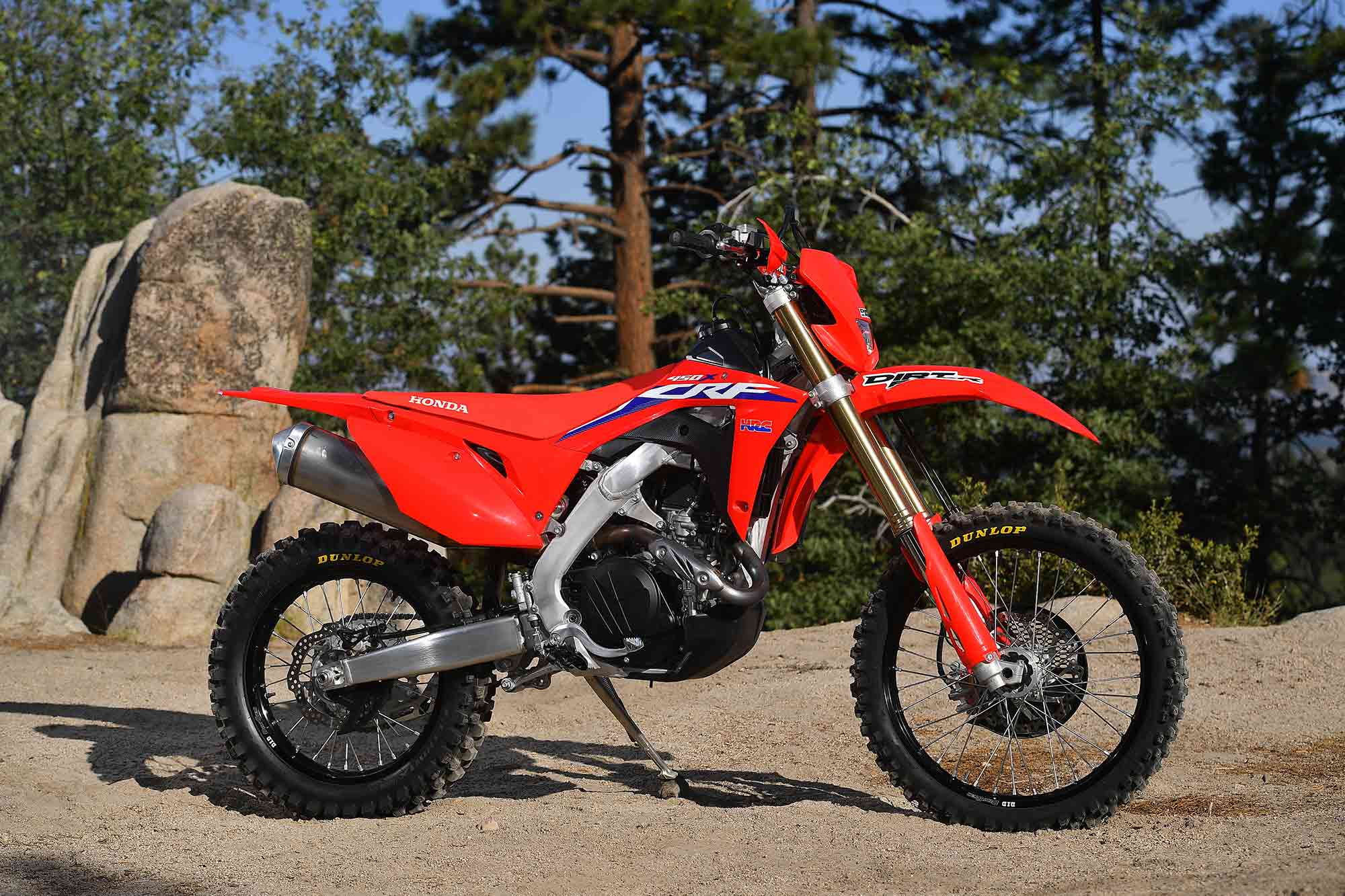
To understand whether a dirt bike can be driven on the road, one must first recognize the fundamental legal and engineering differences between off-road motorcycles and street-legal motorcycles. Manufacturers design dirt bikes—such as closed-course motocross bikes and trail bikes—for dirt, mud, sand, and gravel. Consequently, they leave the factory without components required for highway safety.
Conversely, street-legal motorcycles and dual-sport bikes are engineered, tested, and certified to meet federal motor vehicle safety standards. They come equipped with all necessary apparatuses straight from the showroom floor, accompanied by a manufacturer's certificate of origin that designates them as street-legal.
Attempting to ride a standard, unmodified off-road motorcycle on public streets typically results in severe legal consequences. Law enforcement agencies can issue citations, impound the vehicle, and levy heavy fines. Furthermore, riding an unregistered, uninsured vehicle on public property invalidates standard liability protections, exposing the operator to immense financial risk in the event of an accident.
Required Modifications for Street Conversion
Converting a standard dirt bike into a street-legal machine involves adding specific hardware to satisfy state vehicle codes. While exact mandates vary, most jurisdictions require a specific suite of mechanical and electrical upgrades before issuing a street title and registration.
Essential Electrical and Safety Components
- Headlight with High and Low Beams: Must illuminate the road adequately and feature a handlebar-mounted switch to toggle between beam settings.
- Taillight and Brake Light: Must remain illuminated with the running lights and brighten visibly when either the front or rear brakes are engaged.
- Turn Signals: Front and rear directional indicators are mandatory in the vast majority of jurisdictions for road use.
- DOT-Approved Tires: Knobby, off-road-only tires lack the rubber compounds and tread patterns required for high-speed pavement grip and safety. Tires must carry Department of Transportation (DOT) certification.
- Mirrors: At least one rearview mirror is universally required, though many states mandate mirrors on both the left and right handlebars.
- Horn: An electrically or battery-operated horn audible from a specified distance is mandatory.
- License Plate Mount and Illumination: A dedicated bracket to display the rear license plate, accompanied by a small white light that illuminates the plate at night.
Power Generation and Electrical Challenges
A major hurdle in converting a traditional dirt bike lies in its electrical system. Many two-stroke and older four-stroke dirt bikes utilize total-loss ignition systems or simple stators designed solely to power the spark plug and a basic headlight. Running continuous turn signals, brake lights, and a brighter headlight requires a high-output stator, a voltage regulator/rectifier, and a small battery or capacitor to store electrical energy. Without these upgrades, the electrical load will drain the system, causing lights to dim or fail entirely.

Titling and Registration Hurdles
Even if a rider successfully installs all required safety equipment, obtaining a legal license plate can prove difficult due to titling restrictions.
State departments of motor vehicles examine the vehicle identification number (VIN) and the original title or certificate of origin. Many states print a specific warning on off-road titles or manufacturer statements, such as "Off-Road Use Only" or "Not for Highway Use." Historically, some loopholes allowed riders to register dirt bikes in lenient states and transfer those plates home, but states have systematically closed these loopholes.
| Feature / Requirement | Dedicated Off-Road Dirt Bike | Converted Dirt / Dual-Sport Bike |
|---|---|---|
| Factory Title Status | Off-Road / For Trail Use Only | Street-Legal / Clear Highway Title |
| Lighting Equipment | None or basic trail headlight | DOT-certified high/low, signals |
| Tires | Non-DOT knobbies | DOT-approved hybrid/street tires |
| Braking & Safety | Off-road brakes, no mirrors/horn | Certified brakes, mirrors, horn |
| Road Legality | Strictly prohibited on public roads | Fully legal upon proper registration |
Riders must check their specific state or national vehicle administration guidelines before purchasing conversion parts. Some jurisdictions require a formal inspection by a state safety officer or law enforcement official to verify that all components function correctly before a street title is granted.
Insurance and Licensing Prerequisites
Legality extends beyond physical equipment and DMV paperwork; operating a motorized vehicle on public roads mandates proper operator credentials and insurance coverage.
Operator Licensing
Riding a street-legal dirt bike requires a valid driver’s license augmented by a motorcycle endorsement or a standalone motorcycle license. Completing an authorized rider training course, such as those sanctioned by the Motorcycle Safety Foundation (MSF), is often required or serves to waive practical riding tests at the local licensing bureau.
Insurance Coverage
Just like an automobile or standard street motorcycle, a street-converted dirt bike must carry minimum liability insurance to be operated on public tarmac. Insuring a converted dirt bike can sometimes present challenges; insurers may require proof of safety inspections, receipts for conversion parts, or a certified appraisal to establish vehicle value. Failing to maintain active insurance risks license suspension, registration revocation, and severe personal liability following a collision.
Alternative Solutions: Dual-Sport vs. Enduro Models
For riders who want guaranteed road legality without the frustration of aftermarket conversion kits, purchasing a factory-built machine is often the most practical path forward.
Factory Dual-Sport Motorcycles
Manufacturers build dual-sport motorcycles specifically to bridge the dirt-to-street gap. Models from manufacturers like Honda, Yamaha, Suzuki, and KTM arrive from the factory fully equipped with mirrors, turn signals, DOT tires, emissions equipment, and street titles. While they may compromise slightly on pure off-road aggression compared to dedicated motocross bikes, they offer unmatched convenience and immediate legal road access.
Enduro and Cross-Country Bikes
Enduro bikes resemble trail bikes and often feature headlights and kickstands, but they remain fundamentally classified for off-road use in many regions. Buyers must verify whether a specific enduro model comes with a manufacturer certificate of origin that permits street registration, as many still require aftermarket conversion and administrative approval.
Common Mistakes to Avoid
Riders attempting to navigate street legality often encounter preventable setbacks that waste time and money.
- Skipping the State Verification Check: Installing expensive conversion parts before confirming whether the state allows off-road VIN conversions frequently leads to frustration when the DMV rejects the paperwork.
- Using Non-Compliant Parts: Purchasing cheap, non-DOT-approved lights or tires may pass a casual visual check, but failing a formal state vehicle inspection results in denied registration.
- Ignoring Emissions Standards: In regions with strict environmental oversight, two-stroke conversions or bikes lacking designated emissions canisters may fail local air quality checks.
- Neglecting Gearing Adjustments: Riding a dirt bike geared for tight single-track trails at sustained highway speeds causes excessive engine wear and high RPM vibrations. Secondary gear ratios often need modification to handle highway cruising comfortably.
Frequently Asked Questions
Can I make a two-stroke dirt bike street-legal?
While technically possible in some lenient jurisdictions, converting a two-stroke dirt bike for road use is exceptionally difficult. Two-strokes lack oil pumps, require premixed fuel, produce higher emissions, and present significant challenges for generating the steady electrical power needed to run continuous street lighting and indicators.
What happens if I get caught riding an illegal dirt bike on the road?
Law enforcement officers can issue multiple citations, including riding an unregistered vehicle, operating without insurance, lacking a motorcycle endorsement, and operating unsafe equipment. The motorcycle is typically towed and impounded, resulting in expensive recovery fees alongside court fines.
Are conversion kits comprehensive?
Most commercial conversion kits include a wiring harness, switches, turn signals, a headlight, a taillight, and a horn. However, riders usually must purchase a high-output stator, a battery kit, DOT tires, and mirrors separately to complete the transformation successfully.
Do I need a motorcycle license to ride a street-legal dirt bike?
Yes. Once a dirt bike is registered and plated for public roads, it is legally classified as a motorcycle. Operating it requires a valid driver's license with the appropriate motorcycle endorsement or classification.
Recommended Next Steps
Begin by contacting your local department of motor vehicles or vehicle registration office to inquire about their specific policy on converting off-road vehicle titles to street titles. If your jurisdiction allows conversions, verify the exact equipment checklist required. Alternatively, visiting a local motorcycle dealership to examine factory dual-sport models provides a reliable benchmark for what a fully legal, road-ready machine entails.
Image Gallery
Select an image to open it in a new tab.

Declan O'Connor
Higher Education and Campus Culture Reporter
