
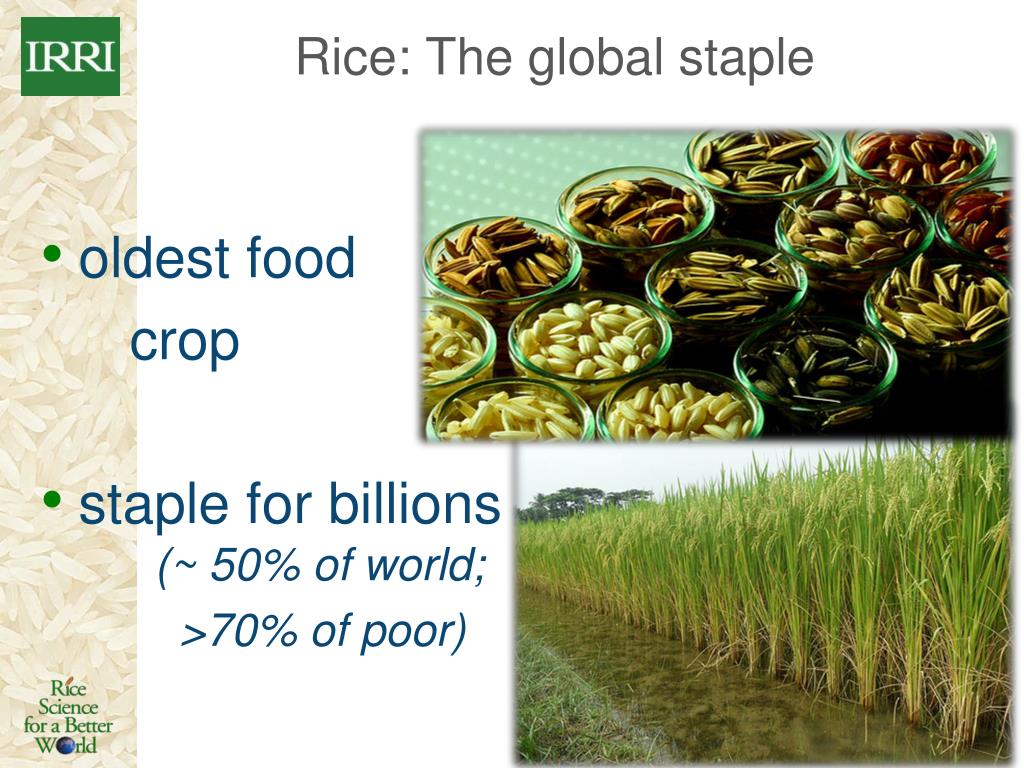
Rice serves as the primary caloric source for more than 3.5 billion people worldwide, particularly across Asia, Africa, and Latin America. Its adaptability to diverse climates, high yield potential, and long shelf life make it an essential pillar of global food security and a central element in culinary traditions.
The Botanical Foundation: Understanding Oryza Sativa and Oryza Glaberrima
To understand why rice is a staple food in many cultures, one must first look at the biological resilience and diversity of the plant. The vast majority of the world's rice belongs to the species Oryza sativa, commonly known as Asian rice. This species is further divided into two primary subspecies: Indica and Japonica. Indica varieties are typically long-grained and thrive in tropical climates, while Japonica varieties are short-grained and more tolerant of cooler, temperate regions.
A second species, Oryza glaberrima, or African rice, has been cultivated for over 3,000 years in West Africa. Although it represents a smaller fraction of global production compared to its Asian counterpart, it possesses unique genetic traits, such as resistance to local pests and tolerance for fluctuating water levels, which remain vital for regional food sovereignty.
The structure of the rice grain itself determines its nutritional and culinary properties. Every grain consists of an outer husk (chaff), the bran layer, the germ (embryo), and the starchy endosperm. In 2026, the distinction between "whole grain" and "refined" rice remains a significant focus for health-conscious consumers. Brown rice retains the bran and germ, providing fiber, vitamins, and minerals, whereas white rice is polished to remove these layers, extending shelf life but requiring fortification in many countries to restore lost nutrients.
The Cultural Heartbeat: Rice as More Than Just Nutrition
In many societies, rice is not merely a side dish; it is a symbol of life, fertility, and prosperity. In East and Southeast Asian cultures, the word for "rice" is often synonymous with "food" or "meal." This linguistic connection underscores its ubiquity.
Rice in East Asian Traditions
In Japan and China, rice cultivation has shaped the landscape and the social structure for millennia. The labor-intensive nature of traditional terrace farming necessitated communal cooperation, fostering a collectivist social fabric that persists today. Shinto rituals in Japan frequently involve offerings of rice and sake (rice wine) to the kami (spirits) to ensure a bountiful harvest. In 2026, while mechanized farming is the norm, the reverence for the "sacred grain" remains evident in the meticulous preparation of sushi-meshi and the celebration of the Lunar New Year.
South Asian Culinary Identity
In India and Bangladesh, rice is the foundation of the daily diet. From the aromatic Basmati of the Himalayan foothills to the parboiled varieties of the south, rice is the canvas for complex spice profiles. The cultural significance is highlighted during festivals like Pongal or Makar Sankranti, where the first harvest of rice is boiled in milk as a celebratory offering. The diversity of rice-based dishes—ranging from Biryani to Idli—demonstrates the grain’s versatility in adapting to local ingredients and religious dietary requirements.
West African Heritage and the Jollof Connection
In West Africa, rice serves as a cultural bridge and a point of friendly rivalry. Jollof rice, a one-pot dish made with tomatoes, onions, and spices, is a source of immense national pride in nations like Nigeria, Ghana, and Senegal. Beyond the "Jollof Wars," rice is a critical component of food security in the region. The historical "Columbian Exchange" also saw African rice varieties and cultivation techniques travel to the Americas, where they influenced the culinary landscapes of the Lowcountry in the United States and the Caribbean.
Culinary Chemistry: The Science of Texture and Flavor
The reason rice can be both a fluffy pilaf and a sticky pudding lies in its starch composition—specifically the ratio of amylose to amylopectin.
- High-Amylose Rice: Varieties like Basmati or Jasmine contain higher levels of amylose (around 20-25%). This results in long, firm grains that remain separate after cooking. This texture is ideal for pilafs, biryanis, and fried rice, where individual grain definition is preferred.
- High-Amylopectin Rice: Short-grain varieties, such as Arborio or Calrose, are rich in amylopectin. When heated with liquid, this starch breaks down, creating a creamy or sticky texture. This is essential for dishes like Italian risotto, Japanese sushi, and Thai mango sticky rice.
Understanding these ratios is crucial for chefs and home cooks alike. In 2026, kitchen technology, including AI-driven rice cookers, uses sensors to adjust temperature and pressure based on the specific moisture content and starch profile of the variety being prepared, ensuring optimal texture every time.
Nutritional Profile and Global Food Security
Rice provides approximately 20% of the world’s dietary energy supply. While it is primarily a carbohydrate source, it also contributes protein, especially in diets where meat consumption is low.
Macronutrients and Micronutrients
A standard serving of white rice provides quick energy but has a high Glycemic Index (GI). In contrast, parboiled rice—which is steamed under pressure before milling—retains more of the B-vitamins found in the bran, making it a nutritionally superior choice to standard white rice without the long cooking time of brown rice.
| Rice Type | Texture | Common Use | Primary Region |
|---|---|---|---|
| Basmati | Long, dry, separate | Pilafs, Biryani | India, Pakistan |
| Jasmine | Long, slightly sticky | Stir-fry, Curries | Thailand, Vietnam |
| Arborio | Short, creamy, firm | Risotto | Italy |
| Koshihikari | Short, sticky, sweet | Sushi, Onigiri | Japan |
| Bomba | Short, absorbent | Paella | Spain |
| Black Rice | Medium, chewy, nutty | Porridge, Desserts | China, SE Asia |
Addressing Malnutrition through Biofortification
As of 2026, the use of biofortified rice has become an increasingly important tool in the fight against "hidden hunger" (micronutrient deficiencies). Projects like Golden Rice, engineered to produce beta-carotene (a precursor to Vitamin A), aim to reduce blindness and mortality in regions where rice is the dominant staple. Furthermore, zinc and iron-enriched varieties are being deployed in South Asia to combat anemia and stunted growth in children.
Economic and Environmental Impact in 2026
The global rice trade is a multi-billion dollar industry that supports the livelihoods of over 140 million smallholder farmers. However, rice production faces significant challenges in the current climate.
Water Usage and Sustainable Irrigation
Rice is a water-intensive crop, traditionally grown in flooded paddies to suppress weeds. However, freshwater scarcity has led to the adoption of Alternate Wetting and Drying (AWD) techniques. This method involves allowing the field to dry out periodically, which can reduce water consumption by up to 30% and significantly lower methane emissions—a potent greenhouse gas produced by anaerobic bacteria in flooded soil.
The Rise of Climate-Resilient Cultivars
By 2026, the International Rice Research Institute (IRRI) and other agricultural bodies have successfully distributed "Scuba Rice"—varieties that can survive being completely submerged for up to two weeks. Similarly, salt-tolerant varieties are being planted in coastal areas like the Mekong Delta and Bangladesh, where rising sea levels have led to saltwater intrusion in previously fertile paddies.
Common Myths and Best Practices
Despite its global popularity, several misconceptions persist regarding the preparation and safety of rice.
The Importance of Rinsing
Rinsing rice before cooking is standard practice in most cultures. Technically, this removes excess surface starch (preventing unwanted gumminess) and can wash away debris. From a safety perspective, rinsing also helps reduce trace levels of inorganic arsenic, which rice plants naturally absorb from soil and water more readily than other cereals.
Storage and Bacillus Cereus
A critical safety consideration is the handling of cooked rice. Bacillus cereus is a bacterium that can survive the cooking process in spore form. If cooked rice is left at room temperature for too long, these spores germinate and produce toxins that cause food poisoning. In 2026, food safety guidelines emphasize cooling leftover rice rapidly and reheating it to at least 165°F (74°C) before consumption.
Frequently Asked Questions
Why is rice often served with beans or lentils?
Pairing rice with legumes (like in the classic "rice and beans" or "dal bhat") creates a complete protein. Rice is low in the amino acid lysine but high in methionine, while beans are high in lysine and low in methionine. Together, they provide all nine essential amino acids required by the human body, making this combination a nutritional powerhouse for vegetarian and resource-constrained diets.
Is brown rice always healthier than white rice?
While brown rice contains more fiber and micronutrients, it also contains phytic acid, which can inhibit the absorption of certain minerals. Additionally, brown rice has a higher concentration of arsenic in the bran layer. For most people, a balanced approach—incorporating a variety of grains and utilizing proper cooking methods—is more beneficial than strictly adhering to one type.
How does "parboiled" rice differ from "instant" rice?
Parboiled rice is soaked, steamed, and dried before the husk is removed; this process drives nutrients from the bran into the endosperm. Instant rice, on the other hand, is fully cooked and then dehydrated. While instant rice is faster to prepare, it often loses its texture and some nutritional value compared to parboiled or raw rice.
Can rice grow in dry soil?
Yes, this is known as upland rice. Unlike lowland rice grown in flooded paddies, upland rice is grown in aerobic soil, much like wheat or maize. While it requires less water, it typically has lower yields and is more susceptible to weed competition, making it less common in large-scale commercial farming but vital for subsistence farmers in hilly regions.
Next Steps for the Informed Consumer
To fully appreciate why rice is a staple food in many cultures, consumers should explore varieties beyond the standard long-grain white rice. In 2026, specialty markets offer unprecedented access to heirloom varieties like Himalayan Red Rice, Senegalese Thieboudienne mixes, and high-protein black rice.
When purchasing, look for certifications such as the Sustainable Rice Platform (SRP), which indicates that the grain was produced using water-saving techniques and fair labor practices. Experimenting with different cooking methods—such as the "pasta method" (boiling in excess water and draining) to reduce arsenic or using a clay pot for a crispy bottom layer (tahdig or guoba)—can deepen your connection to this ancient, global staple.
Image Gallery
Select an image to open it in a new tab.
Ingrid Bjornson
Global Cyber Policy and Regulation Analyst
