
Filing a notice of appeal from a decision of an immigration judge allows individuals to challenge an unfavorable removal order or denial of relief before the Board of Immigration Appeals. This legal process requires strict adherence to strict jurisdictional deadlines, precise fee requirements, and detailed briefing schedules to preserve appellate rights within the United States immigration system.
Navigating the administrative appellate process within the United States immigration system requires meticulous attention to detail, strict adherence to deadlines, and a thorough understanding of the division of authority between trial-level immigration courts and appellate bodies. When an immigration judge (IJ) issues an adverse ruling—whether ordering an individual removed from the country or denying an application for relief such as asylum, cancellation of removal, or adjustment of status—the affected party typically holds the right to challenge that decision. This challenge is initiated by filing a formal legal document known as a notice of appeal.
Mastering the mechanics of this procedure is vital for respondents, legal representatives, and anyone seeking to preserve their right to remain lawfully in the United States or prevent wrongful deportation. Understanding the governing regulations, filing mechanisms, and potential outcomes ensures that appellants avoid fatal procedural errors that could result in the immediate dismissal of their case.
The Role of the Board of Immigration Appeals (BIA)
The Board of Immigration Appeals (BIA) is the highest administrative body for interpreting and applying immigration law in the United States. Operating under the Executive Office for Immigration Review (EOIR), a component of the Department of Justice, the BIA does not conduct new trials or hear live testimony. Instead, it functions primarily as an appellate review board that evaluates the written record created during proceedings before the immigration judge.
When reviewing a case, the BIA generally applies specific standards of review. Factual findings made by the immigration judge are reviewed under a "clearly erroneous" standard, meaning the BIA will not overturn a factual determination unless the record strongly compels a different conclusion. Conversely, questions of law, discretion, and constitutional due process are reviewed de novo, meaning the BIA evaluates these legal issues completely afresh without deference to the immigration judge's initial interpretation.
Appellants must understand this distinction because the BIA will not re-weigh witness credibility or re-examine evidence simply because the appellant disagrees with the trial judge’s assessment. Successful appeals must demonstrate that the immigration judge committed a reversible error of law, abused their discretion, or based factual findings on evidence that no reasonable fact-finder could credit.
Eligibility and Prerequsites for Filing an Appeal
Not every individual subject to an immigration judge's order possesses an immediate right to appeal to the BIA, and conversely, not every ruling can be challenged through this mechanism. Establishing eligibility requires meeting specific legal and procedural criteria before the window to challenge the decision closes.
Who Can File?
Generally, either party to a removal, deportation, or exclusion proceeding may appeal an adverse decision. This includes:
- The Respondent (The Noncitizen): Individuals who have received a final order of removal, or whose applications for asylum, withholding of removal, protection under the Convention Against Torture (CAT), cancellation of removal, or waivers have been denied.
- The Department of Homeland Security (DHS): Represented by Immigration and Customs Enforcement (ICE) trial attorneys, DHS may appeal if the immigration judge grants relief from removal or terminates proceedings in a manner the agency believes is legally erroneous.
Final Orders vs. Interim Orders
An appeal must generally be taken from a "final order" of an immigration judge. An immigration judge's oral decision delivered at the conclusion of an individual calendar hearing, or a subsequent written decision, typically constitutes a final order once issued. Interim rulings, such as the denial of a motion for a continuance or a routine evidentiary objection made during a hearing, cannot be appealed immediately on an interlocutory basis unless extraordinary circumstances exist or specific regulations permit.
Step-by-Step Filing Procedures and Deadlines
The procedural lifecycle of an appeal is governed by strict administrative rules codified in Title 8 of the Code of Federal Regulations (CFR). Missing a single deadline or failing to include a mandatory filing component usually strips the BIA of jurisdiction, resulting in summary dismissal and rendering the underlying removal order final and executable.
| Procedural Stage | Governing Requirement / Deadline | Primary Purpose & Consequences |
|---|---|---|
| Notice of Appeal (Form EOIR-26) | Exactly 30 calendar days from the date of the immigration judge's oral decision or written order. | Formally initiates the appellate process, halts the execution of the removal order while the appeal is pending, and establishes BIA jurisdiction. |
| Filing Fee or Fee Waiver | Submitted concurrently with Form EOIR-26, unless a Fee Waiver Request (Form EOIR-26A) is granted. | Covers administrative processing costs. Failure to submit the correct fee or an approved waiver results in rejection or dismissal. |
| Transcript Production | Managed by EOIR after the timely filing of the Notice of Appeal and completion of recording checks. | Provides the official written record of the inferior court proceedings necessary for legal argument. |
| Briefing Schedule | Issued by the BIA after the administrative record and transcripts are compiled and served to both parties. | Sets strict deadlines (typically 21 days for the appellant's brief and 21 days for the opposing brief) for submitting written legal arguments. |
Completing and Submitting Form EOIR-26
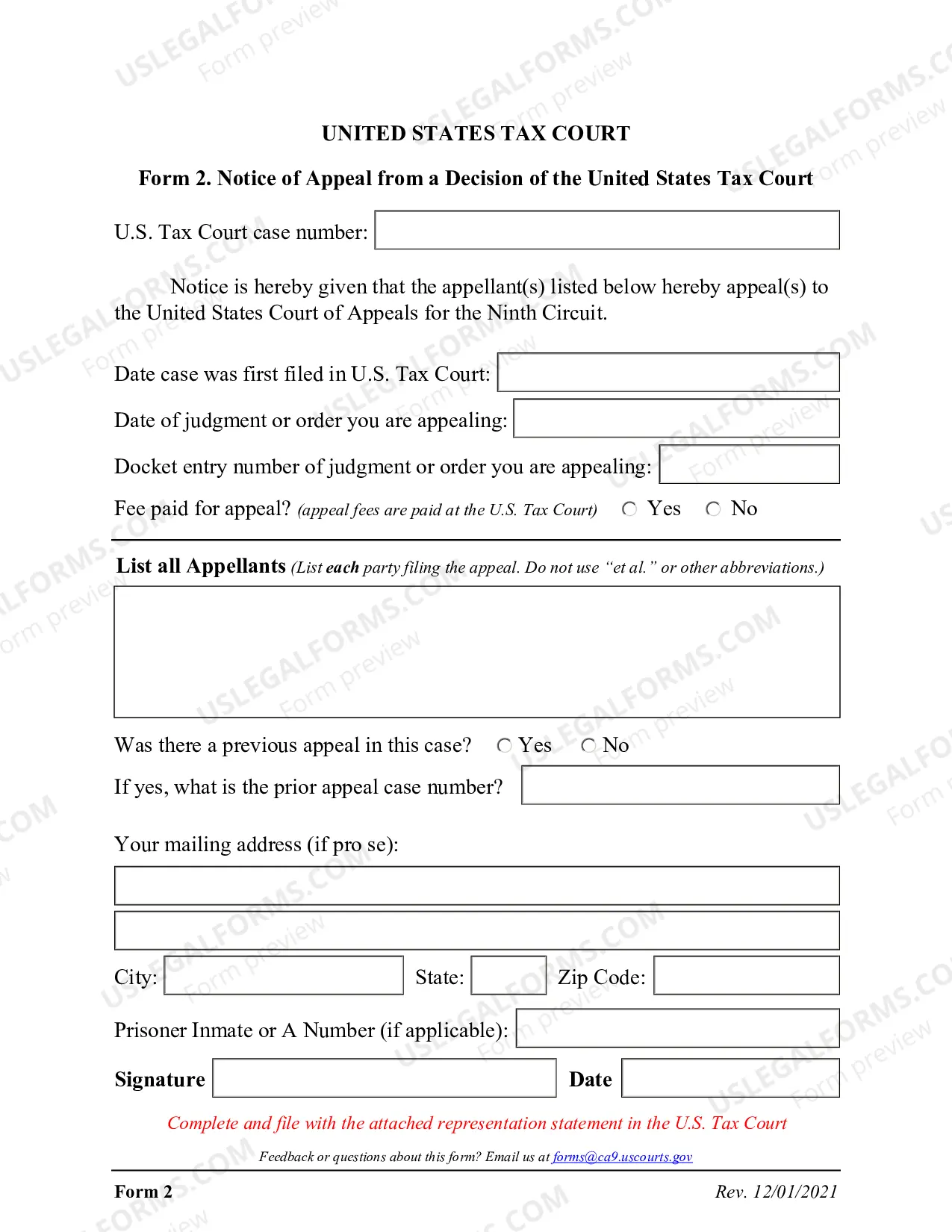
The official instrument for initiating an appeal is Form EOIR-26 (Notice of Appeal from a Decision of an Immigration Judge). Appellants must complete this document accurately, ensuring that every required field—including the alien registration number (A-number), contact information, and specific grounds for the appeal—is thoroughly addressed.
Crucially, the appellant must articulate the reasons for the appeal on the form itself or on an attached sheet. Generic statements such as "the judge was wrong" or "I disagree with the asylum denial" are legally insufficient and can lead to summary dismissal of the appeal under federal regulations. Appellants must specify whether they are challenging a finding of fact, a conclusion of law, or both, and they must identify the precise legal errors made by the immigration judge.
Deadlines and the Mailbox Rule
The 30-day filing deadline is absolute. The Notice of Appeal must be received by the BIA in Falls Church, Virginia, on or before the 30th calendar day following the immigration judge's decision. Unlike federal court practice, the traditional "mailbox rule" generally does not apply to administrative immigration filings unless specific commercial courier services or electronic filing protocols explicitly designate otherwise. Appellants mailing their documents must factor in postal transit times to ensure timely physical delivery.
Financial Obligations: Filing Fees and Fee Waivers
Filing an appeal with the BIA incurs a mandatory filing fee set by federal regulation, unless the appellant qualifies for and receives an administrative fee waiver.
- Standard Fee: The current standard filing fee for Form EOIR-26 is specified in the instructions accompanying the form and must be paid via check or money order drawn on a U.S. financial institution, payable to the "United States Department of Justice." Cash is never accepted.
- Fee Waivers (Form EOIR-26A): Individuals who cannot afford the filing fee may submit a request for a fee waiver using Form EOIR-26A (Fee Waiver Request). The appellant must document their inability to pay by detailing income, household expenses, assets, and liabilities. If the BIA denies the fee waiver, it typically grants the appellant a brief grace period to submit the required fee; however, failure to pay within that window results in dismissal of the appeal.
Stays of Removal and Immediate Legal Protections
One of the most critical legal consequences of filing a timely and proper Notice of Appeal is the automatic stay of removal. In most removal proceedings, the timely filing of Form EOIR-26 legally prevents the Department of Homeland Security from deporting the appellant while the BIA reviews the case.
However, automatic stays do not apply to all categories of proceedings. For instance, individuals subject to expedited removal orders, certain criminal alien classifications under specific statutory provisions, or motions to reopen where no automatic stay is statutorily provided may require a request for a discretionary stay of removal. A discretionary stay is not guaranteed; the appellant must file a separate motion demonstrating a likelihood of success on the merits, irreparable harm if removed, and that the balance of equities favors granting temporary relief.
The Briefing Cycle and Record Preparation
Once the BIA receives the timely filed Notice of Appeal, the Clerk’s Office initiates the record preparation process. This involves securing the audio recordings or transcripts of the hearings held before the immigration judge and assembling all exhibits submitted by both parties.
- Transcript Transmission: Once the transcript of proceedings is prepared, the BIA mails a copy (or provides digital access) to both the appellant and the DHS trial attorney.
- Issuance of Briefing Schedule: Alongside or shortly after transcript delivery, the BIA issues a briefing schedule notice. This document sets precise calendar deadlines for the submission of written legal briefs.
- Appellant’s Brief: The appellant bears the burden of persuasion and must file a comprehensive legal brief detailing the errors committed by the immigration judge, supported by citations to the administrative record and relevant statutory, regulatory, or case law.
- Appellee’s Brief: Following the submission of the appellant's brief, DHS has a corresponding window (typically 21 days) to file an answering brief defending the immigration judge's decision.
- Reply Briefs: Appellants may file a reply brief addressing arguments raised in the DHS brief, though this is optional and must adhere strictly to the established schedule without introducing new factual claims.
Common Pitfalls and Troubleshooting
Appellants frequently encounter avoidable procedural stumbling blocks that jeopardize their cases before the BIA ever evaluates the substantive merits of their claims. Recognizing and avoiding these pitfalls is essential for maintaining a viable appeal.
- Inadequate Statement of Reasons: Simply checking a box on Form EOIR-26 without providing a detailed, coherent explanation of the legal and factual errors results in summary dismissal. Appellants must explicitly state whether they challenge removability, the denial of relief, or procedural due process violations.
- Failure to Update Address: Appellants are legally mandated to notify the BIA immediately of any change of address using Form EOIR-33/BIA. If the BIA mails briefing schedules or final decisions to an outdated address, the appeal may be dismissed in absentia, and the removal order will become immediately executable.
- Late Filings: Submitting the Notice of Appeal or legal briefs even one day past the statutory deadline generally results in outright rejection or dismissal, with virtually no judicial tolerance for administrative oversight or postal delays.
- Raising New Evidence: The BIA is an appellate body bound by the administrative record created below. Appellants cannot introduce new evidence or factual documents on appeal that were never presented to the immigration judge. Doing so requires filing a separate, formal Motion to Remand or Reopen based on newly discovered, previously unavailable evidence.
Alternative Remedies: Motions to Reopen or Reconsider
If an appeal is unsuccessful, or if circumstances change after an immigration judge's decision, litigants may consider post-decision administrative motions instead of or in addition to a direct appeal.
- Motion to Reconsider: Filed with the immigration judge or the BIA (depending on which body rendered the last decision), this motion asserts that the adjudicator made an error of law or policy based on the record that existed at the time of the ruling. It must generally be filed within 30 days of the final administrative decision.
- Motion to Reopen: This motion introduces new facts or evidence that were previously unavailable and could not have been discovered or presented at the former hearing. For removal proceedings, regulations typically restrict a respondent to filing one motion to reopen, which must be filed within 90 days of the final administrative order (subject to certain statutory exceptions, such as changed country conditions in asylum applications).
Individuals navigating complex immigration appeals should consult official resources provided by the Executive Office for Immigration Review (EOIR) or seek guidance from qualified legal counsel authorized to practice immigration law before the BIA.
Image Gallery
Select an image to open it in a new tab.


Omar Farooq
EdTech Innovation and Virtual Pedagogy Journalist
