Candice Bergen and Louis Malle in Context: A Cinematic and Cultural Partnership
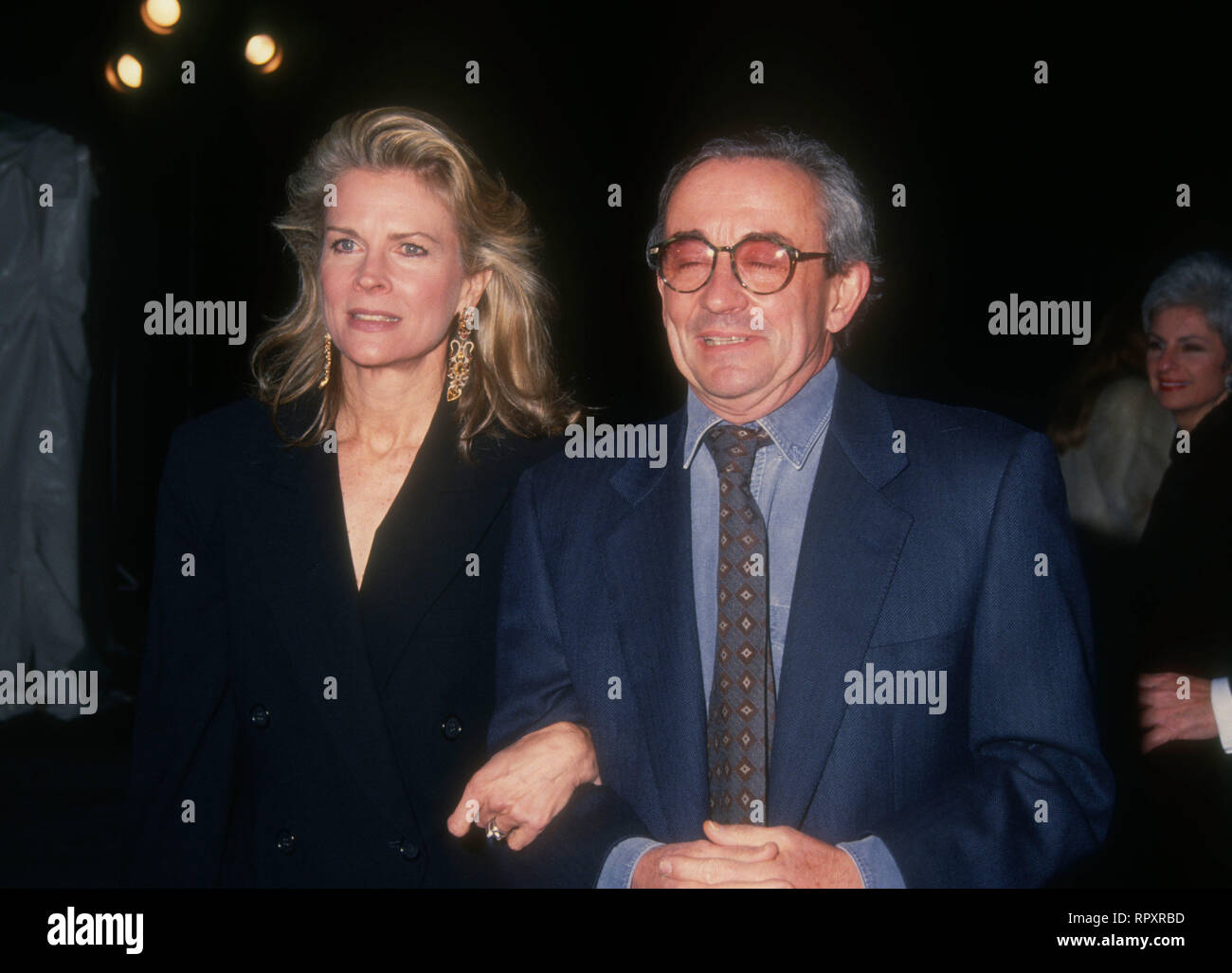
Candice Bergen and Louis Malle shared a sophisticated, intellectual, and deeply private partnership that spanned nearly fifteen years until the renowned French director's passing in 1995. Placed in historical and cultural context, their relationship bridges the gap between classic Hollywood royalty and the intellectual rigor of the French New Wave and New Hollywood eras. Far from a conventional celebrity romance, their bond was forged through a shared passion for art, global travel, documentary filmmaking, and a mutual respect for each other’s fiercely independent professional identities. Understanding their dynamic requires examining the distinct cultural spheres they occupied, how their paths converged during a transitional period in international cinema, and how their marriage influenced their individual artistic trajectories.
The Cultural Landscapes: Hollywood Royalty Meets the French Left Bank
To understand the union of Candice Bergen and Louis Malle, one must first evaluate the vastly different worlds from which they emerged. Candice Bergen was born into American aristocracy, the daughter of famed ventriloquist Edgar Bergen and model Frances Westcott. Growing up in the public eye, she transitioned from a high-fashion model and accidental 1960s counterculture icon to a respected actress in films like The Group (1966), Carnal Knowledge (1971), and The Wind and the Lion (1975). Her early persona was defined by her striking American beauty, blonde hair, and an innate poise that often masked her sharp intellect and ambitions as a photojournalist.
Conversely, Louis Malle was a scion of a wealthy French industrialist family, educated at the prestigious Institut des Hautes Études Cinématographiques (IDHEC). Emerging in the 1950s alongside the pioneers of the French New Wave—though always maintaining a fiercely independent stance outside the strict Cahiers du Cinéma dogma—Malle directed groundbreaking films such as Ascenseur pour l'échafaud (Elevator to the Gallows, 1958) and Les Amants (The Lovers, 1958), which challenged moral conventions and propelled Jeanne Moreau to international stardom. Malle’s oeuvre was characterized by moral ambiguity, stylistic versatility, and a relentless curiosity about human nature, spanning provocative dramas like The Fire Within (Le Feu follet, 1963) and historical epics like Lacombe, Lucien (1974).
When their paths crossed in the late 1970s, both artists were navigating pivotal junctures in their careers. Malle had successfully transitioned to working in the United States, directing critically acclaimed American projects such as Pretty Baby (1978), which notably cast a young Brooke Shields and exposed him to the American cinematic apparatus. Bergen was seeking more intellectually stimulating material, having grown weary of being typecast simply as the glamorous leading lady. Their encounter was not merely a romantic collision of two glamorous figures, but a meeting of two sophisticated minds fluent in the nuances of international art and politics.
The Chronology of Partnership: Marriage, Family, and Collaboration
The relationship between Bergen and Malle developed rapidly after their meeting in the late 1970s, culminating in their marriage in 1980. Eschewing the traditional Hollywood circus, they built a life that straddled two continents, dividing their time between an apartment in Paris and a sprawling estate in the pastoral setting of Roxbury, Connecticut. This bi-continental existence allowed them to maintain a foot in both the European arthouse tradition and the American cultural mainstream.
Family life became a central pillar of their partnership. Together, they had two children: a daughter, Chloe Françoise Malle, born in 1985, and a son, Lucas Malle, born in 1967 (from Malle's previous relationship with actress Gila von Weitershausen, though Bergen embraced a nurturing stepmaternal role, and they welcomed their shared daughter later). Bergen famously scaled back her acting commitments during the early years of motherhood, channeling her creative energies into photography and supporting Malle’s relentless cinematic output.
Unlike many high-profile couples whose relationships buckle under the weight of ego and professional competition, Bergen and Malle cultivated an environment of mutual creative autonomy. Malle respected Bergen's sharp wit and independent intellect—qualities that would later make her television career in Murphy Brown a defining cultural phenomenon of the late 1980s and 1990s. Similarly, Bergen found in Malle a mentor, partner, and intellectual equal who appreciated her depth far beyond her physical appearance.

Artistic Symbiosis and Mutual Influence
While Malle and Bergen rarely collaborated directly on screen—save for Bergen’s appearance in Malle's film Alamo Bay (1985)—their creative lives were deeply intertwined. Alamo Bay, a gritty drama exploring racial tensions between Vietnamese refugees and local fishermen in Texas, exemplified Malle’s enduring interest in marginalized communities and social injustice. Bergen’s presence on set and her grounded perspective on American social dynamics provided an invaluable sounding board for the French director working within the American sociopolitical landscape.
Furthermore, Bergen’s background as an accomplished photojournalist aligned seamlessly with Malle’s documentary sensibilities. Malle began his career co-directing Jacques-Yves Cousteau's The Silent World (1956) and maintained a documentary filmmaker's eye throughout his fictional work. His American masterwork, My Dinner with André (1981), and later nostalgic works like Au Revoir les Enfants (1987)—which earned him Academy Award nominations and profound critical acclaim—reflected an intimacy and observational patience that mirrored the observational nature of photojournalism.
| Attribute / Milestone | Louis Malle | Candice Bergen |
|---|---|---|
| Primary Medium | Directing, Screenwriting, Documentary | Acting, Photojournalism, Writing |
| Key Cinematic Era | French New Wave / Post-New Wave / American Arthouse | New Hollywood / 1970s Drama / 1990s Television |
| Major Accolades | Academy Award Nominations (Au Revoir les Enfants, My Dinner with André), Venice Golden Lion | Emmy Awards, Golden Globe Awards (Murphy Brown) |
| Primary Cultural Impact | Challenging moral ambiguity and institutional corruption in global cinema | Redefining comedic television heroines and pioneering independent female representation |
| Geographic Focus | France and the United States | United States and global travel photography |
This comparative matrix highlights the complementary nature of their careers. While Malle operated behind the lens as a master deconstructor of social mores, Bergen commanded the screen and the page, eventually capturing the cultural zeitgeist of American television as the acerbic, fiercely independent investigative journalist Murphy Brown starting in 1988.
The Later Years and Legacy
The partnership between Candice Bergen and Louis Malle endured until Malle’s death from lymphoma in November 1995 at their home in Beverly Hills. The final years of their marriage were marked by both professional triumphs—such as Bergen's multiple Emmy wins for Murphy Brown and Malle’s continued reverence as an elder statesman of international cinema—and the quiet dignity with which they faced Malle’s declining health.
Bergen chronicled these final years and the profound grief of her loss with characteristic candor in her bestselling memoirs, Knock Wood (1984) and A Fine Romance (2010). In these writings, she painted a vivid portrait of Malle as a man of exquisite taste, fierce intellect, and unwavering gentleness. She detailed how his European sensibility and quiet wisdom grounded her life, transforming her from a restless Hollywood starlet into a fulfilled artist and mother.
In contemporary cultural discourse, the union of Candice Bergen and Louis Malle is frequently remembered as the archetype of the transatlantic intellectual romance. It demonstrated that Hollywood glamour and European arthouse austerity could coexist harmoniously without compromising the artistic integrity or personal autonomy of either individual.
Frequently Asked Questions
How long were Candice Bergen and Louis Malle married?
Candice Bergen and Louis Malle were married for fifteen years, from their wedding in 1980 until Louis Malle’s death in November 1995. Their relationship predated their marriage by a couple of years, having met in the late 1970s during the transition of Malle's career into American filmmaking.
Did Candice Bergen and Louis Malle work together on any films?
Yes, while they primarily maintained separate professional lives, Bergen starred in Malle’s 1985 drama Alamo Bay, which examined racial and economic tensions in a small Texas fishing community. Additionally, their shared intellectual pursuits profoundly influenced each other's creative choices during their marriage.
How did Louis Malle's French background influence his career in America?
Louis Malle maintained a unique position as a European director who could navigate the American studio system while retaining his artistic independence. His French New Wave roots imbued his American films, such as Pretty Baby and Atlantic City, with a distinct psychological depth, moral complexity, and observational patience uncommon in mainstream Hollywood cinema.
What impact did their marriage have on Candice Bergen's career?
Marriage to Malle and motherhood provided Bergen with a sense of personal groundedness and intellectual stimulation. It allowed her to step away temporarily from the pressures of being a conventional Hollywood sex symbol and reposition herself for critically acclaimed dramatic and comedic roles, most notably her iconic television run in Murphy Brown.
Where did Candice Bergen and Louis Malle live during their marriage?
The couple maintained a bi-continental lifestyle, dividing their time between an apartment in Paris, France, and a country estate in Roxbury, Connecticut. This allowed them to seamlessly blend European cultural life with American family routines.
Practical Next Actions and Further Exploration
For readers seeking to deepen their understanding of this cinematic partnership, several pathways offer rich historical context:
- Watch Louis Malle’s Key American Works: Screen Pretty Baby (1978), Atlantic City (1980), and Alamo Bay (1985) to observe the stylistic intersection of French directorial sensibilities with American narratives.
- Explore Malle's French Masterpieces: Examine Au Revoir les Enfants (1987) and The Fire Within (Le Feu follet, 1963) to grasp the profound emotional and philosophical depth that defined his reputation as a master auteur.
- Read Candice Bergen’s Memoirs: Consult Knock Wood and A Fine Romance for firsthand accounts of their daily life, artistic philosophies, and Bergen's candid reflections on grief and partnership.
Image Gallery
Select an image to open it in a new tab.

Omar Farooq
EdTech Innovation and Virtual Pedagogy Journalist
