
No, you do not need to present a physical car title to purchase auto insurance. Insurance providers require the Vehicle Identification Number (VIN), vehicle specifications, garage address, and proof of insurable interest, not the physical paper document. However, the car title's legal status—such as clean, financed, or salvage—directly influences the types of coverage available to you.
Why Insurance Companies Do Not Require the Physical Title
When applying for auto insurance, policyholders are often surprised to learn that insurers rarely ask to see the physical Certificate of Title. Car titles and auto insurance policies serve two entirely distinct legal functions within the automotive ecosystem.
A Certificate of Title (often simply called the car title) is a legal document issued by a state department of motor vehicles (DMV) or equivalent transportation agency. It establishes official legal ownership of a motor vehicle. Auto insurance, on the other hand, is a financial indemnity contract designed to protect against financial loss resulting from accidents, theft, liability, or property damage.
Insurance companies do not need to hold or inspect your title because they do not verify ownership through physical paperwork during underwriting. Instead, they rely on electronic databases, state registration records, and national vehicle history reports linked directly to the vehicle's unique 17-character Vehicle Identification Number (VIN).
- Vehicle Information
- VIN: 1FA6P8CF0H5XXXXXX
- Year/Make/Model: 2024
- Title Status: Clean
- Lienholder: Bank of America
- Insurance Underwriting Process
- Verifies Insurable Interest (Driver/Owner relationship)
- Assesses Risk Profile (Location, Driver History, Vehicle Value)
- Establishes Mandatory Lienholder Endorsements
The Concept of Insurable Interest
While you do not need the physical title document in your hand, you must have an insurable interest in the vehicle you are insuring. Insurable interest is a foundational legal principle in insurance law. It means that you would suffer a direct, measurable financial loss if the vehicle were damaged, stolen, or destroyed.
You automatically possess an insurable interest if:
- You are the registered legal owner of the vehicle.
- You are named as the lessee on an active vehicle lease agreement.
- You are a borrower on an active auto loan secured by the vehicle.
- You are the primary driver of a vehicle owned by an immediate family member within the same household.
Insurers enforce the requirement of insurable interest to prevent individuals from taking out insurance policies on vehicles owned by strangers—a practice that would create a moral hazard and incentivize fraud. Therefore, while you do not need to show the physical title paper, you must establish your legal or financial relationship to the car.
Information You Actually Need to Get Auto Insurance
Because insurers do not require a title document, gathering the correct administrative and vehicle details before applying ensures a smooth quote and binding process. Insurers use this data to calculate your risk profile, determine premium rates, and format your legal policy documents.
Essential Vehicle Details
- Vehicle Identification Number (VIN): The single most critical piece of information. The VIN acts as the vehicle’s fingerprint, revealing its exact manufacturing year, make, model, engine type, safety equipment, and historical title brand.
- Current Odometers & Annual Mileage: An accurate estimate of how many miles the car will be driven each year, alongside the current mileage on the vehicle.
- Primary Garage Address: The physical location where the vehicle is parked overnight. Insurers use localized zip code data to assess risks such as vandalism, weather events, and traffic accident density.
- Vehicle Usage: Clarifying whether the car is driven for personal commuting, pleasure, business calls, or commercial rideshare/delivery services.
Essential Personal Details
- Driver’s License Information: License numbers, expiration dates, and state of issuance for all household members of driving age.
- Driving History: Accidental history, moving violations, and past claims over the preceding 3 to 5 years.
- Prior Insurance Info: Details of your previous auto insurance provider and coverage limits to prevent coverage gaps.
- Lienholder/Leaseholder Information: The official financial institution name and loss payee address if the car is financed or leased.
How to Find Your VIN Without a Title Document
If you have recently purchased a vehicle and have not yet received the official printed title from the state DMV or dealership, you can easily locate the VIN in several alternative places:
- The Vehicle Dashboard: Visible through the lower driver's side corner of the windshield.
- Driver's Side Door Jam: Printed on the manufacturer’s safety certification label inside the door doorjamb.
- Vehicle Registration Document: Listed on current or temporary state registration certificates.
- Bill of Sale or Purchase Order: Documented on sales contracts provided by auto dealers or private sellers.
How Title Status Impacts Your Auto Insurance Coverage Options
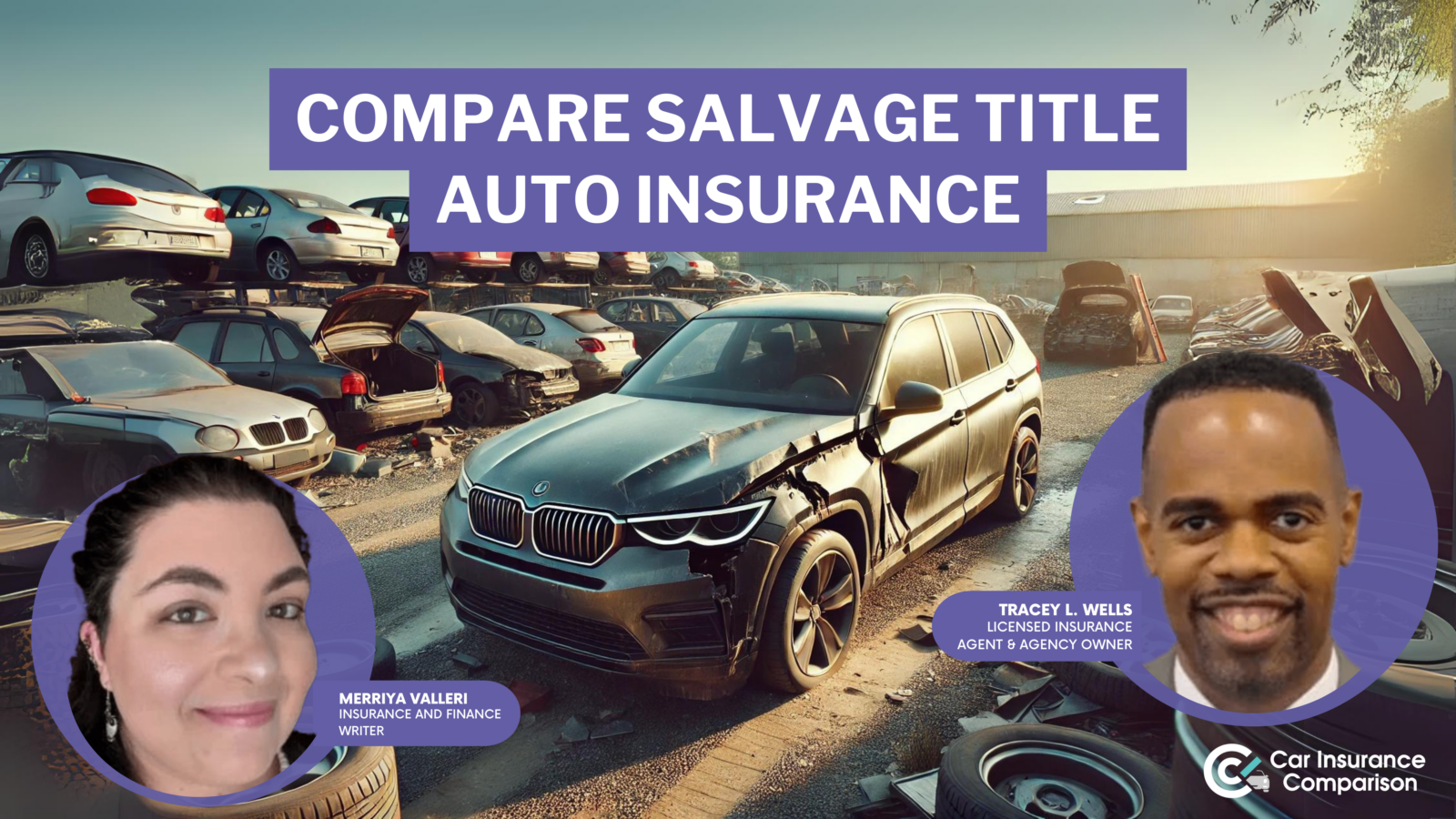
While the physical title paper is unnecessary to purchase coverage, the legal title status (or "title brand") of the vehicle heavily dictates what insurance products you can purchase. State transportation agencies flag titles with specific designations—known as title brands—to reflect a vehicle’s operational or structural history.
Title Status Classification:
- Clean Title: Full Coverage Available (Comprehensive + Collision)
- Financed/Leased Title: Full Coverage Required by Lender (+ Gap Insurance)
- Salvage Title: Limited Options (Usually Liability Only; Repairs Needed)
- Rebuilt Title: Liability Available; Comprehensive/Collision Subject to Inspection
1. Clean Title
A clean title indicates that the vehicle has never suffered an event causing a total economic loss or severe structural damage warranting a state-mandated brand. Vehicles with clean titles qualify for all standard insurance products, including comprehensive, collision, uninsured motorist, and medical payments coverage.
2. Financed or Leased Title (Lienholder Listed)
When you finance or lease a car, the lender or leasing company retains legal ownership (holding the legal title or acting as the primary lienholder) until the debt is satisfied.
- Insurance Implications: Lenders mandate specific insurance requirements to protect their collateral. They typically require full coverage, which consists of both comprehensive and collision protection, often specifying maximum deductible limits (e.g., $500 or $1,000).
- You will also need to add the lender to your policy as a Loss Payee or Additional Insured.
3. Salvage Title
A vehicle receives a salvage title when an insurance company declares it a total loss due to collision damage, flood, fire, or theft, and the cost of repair exceeds a specific percentage of the vehicle's actual cash value (typically 75% to 90%, depending on state law).
- Insurance Implications: Most standard auto insurance carriers will not insure a salvage title vehicle. Because salvage vehicles are deemed unsafe for public roads, insurers generally refuse coverage until the car undergoes state safety inspections and repairs.
4. Rebuilt or Reconstructed Title
A rebuilt title is issued after a salvage vehicle has been fully repaired, inspected by a certified state inspector, and cleared for road use.
- Insurance Implications: Most insurers will offer state-mandated liability insurance for rebuilt title vehicles to ensure legal road compliance. However, securing comprehensive and collision coverage can be challenging. Because it is difficult to determine pre-existing structural damage from a prospective new accident claim, insurers may cap maximum payout values or refuse physical damage coverage altogether.
Auto Insurance vs. Car Title: Key Differences
Understanding how car titles and insurance policies complement each other clarifies why ownership paperwork is separate from insurance binding.
| Feature / Metric | Certificate of Title | Auto Insurance Policy |
|---|---|---|
| Primary Purpose | Establishes legal ownership of the vehicle | Offers financial protection against liabilities, physical damage, and loss |
| Issuing Authority | State Department of Motor Vehicles (DMV / BMV) | Private licensed insurance companies |
| Physical Paper Required for Insurance? | No | No (Digital proof of insurance or paper card is used) |
| Primary Identifier Used | Vehicle Identification Number (VIN) & Owner Name | VIN, Driver License Number, Household Demographics |
| Impact of Vehicle Sale | Title is signed over to the new buyer | Policy must be canceled or updated to cover a new car |
| Lender Involvement | Lender keeps paper/electronic title until loan payoff | Lender is listed as a Loss Payee on the insurance binder |
| State Legal Mandate | Mandatory to legally transfer or sell property | Mandatory in almost all states to legally operate on public roads |
Common Real-World Scenarios
Navigating insurance without a physical title occurs regularly in everyday vehicle transactions. Here is how common real-world situations are handled:
Scenario A: Buying a Used Car from a Private Seller
When purchasing a used vehicle directly from a private individual, you will not immediately have a title registered in your name.
- The Process: Before driving the car home, obtain the VIN from the seller. Contact your insurance carrier to add the VIN to your existing policy or start a new policy. The insurer will issue an insurance binder or temporary ID card.
- You take this proof of insurance, along with the signed-over title from the seller, to your local DMV office to execute the official title transfer and registration in your name.
Scenario B: Purchasing or Leasing from a Dealership
Dealerships handle state title processing on your behalf, meaning you will not hold a physical title when you take delivery of the vehicle.
- The Process: Dealerships will not permit you to drive off the lot without active insurance coverage. You provide your insurance agent with the dealer's bill of sale and VIN. The insurer adds the vehicle to your policy, names the dealership's financial entity as the loss payee, and faxes or emails the binder directly to the finance manager. The official title is subsequently processed electronically between the dealer, lender, and state DMV.
Scenario C: Buying a Car Without a Title
Purchasing a car from a seller who has lost the title—or never possessed one—carries legal risks.
- The Process: While an insurance carrier might technically sell you a liability policy using the VIN, you cannot legally register or license the car in most states without establishing clear title ownership.
- In these cases, you may need to apply for a Bonded Title through your state DMV. This involves buying a surety bond to protect against future ownership claims before a formal title can be reissued.
Car Buying & Insurance Timeline:
- Retrieve VIN from Seller / Dealer
- Call Insurance Provider & Set Up Policy (Proof of Insurance Issued)
- Finalize Sale (Sign Title / Bill of Sale)
- Present Proof of Insurance & Signed Title to State DMV
- State DMV Issues New Title & License Plates
Step-by-Step Guide: Getting Auto Insurance Without the Title
If you are adding a new vehicle or switching insurance providers before your title paperwork arrives, follow these practical steps:
Step 1: Collect the Necessary Documentation
Ensure you have the exact VIN, purchase contract or bill of sale, current driver’s license details for all drivers, and your current odometer reading.
Step 2: Establish Insurable Interest
Confirm that your name will appear on the forthcoming state title or registration. If the vehicle is co-owned, ensure both parties are accurately listed on the insurance application to avoid coverage disputes during future claims.
Step 3: Identify the Lienholder Details
If financing, retrieve the exact legal name, clause wording, and billing address of your financial institution. Insurers require this to insert appropriate loss payee endorsements into your policy structure.
Step 4: Obtain Quotes and Bind the Policy
Contact insurance providers online or through an licensed agent. Compare coverage options—such as bodily injury liability, property damage liability, comprehensive, collision, and gap insurance. Select your coverage limits and pay the initial deposit to bind the policy.
Step 5: Receive Your Insurance Binder
Request an immediate insurance binder. A binder serves as temporary, legally binding evidence of auto insurance while your official policy documents and permanent ID cards are being issued.
Step 6: Complete Registration at the DMV
Take your temporary insurance binder, along with your bill of sale and title application paperwork, to the DMV. The DMV will process your registration and issue a title in your name (or transfer the electronic title to your lender).
Frequently Asked Questions
Can I insure a car that is not in my name?
Generally, insuring a car registered to someone else is difficult because you lack an insurable interest in property you do not own. However, exceptions exist. If you live in the same household as the registered owner (such as a parent or spouse), you can often be listed as a primary or named driver on their policy. Alternatively, some insurers permit a non-owner policy or allow non-titled drivers if they can prove joint financial responsibility.
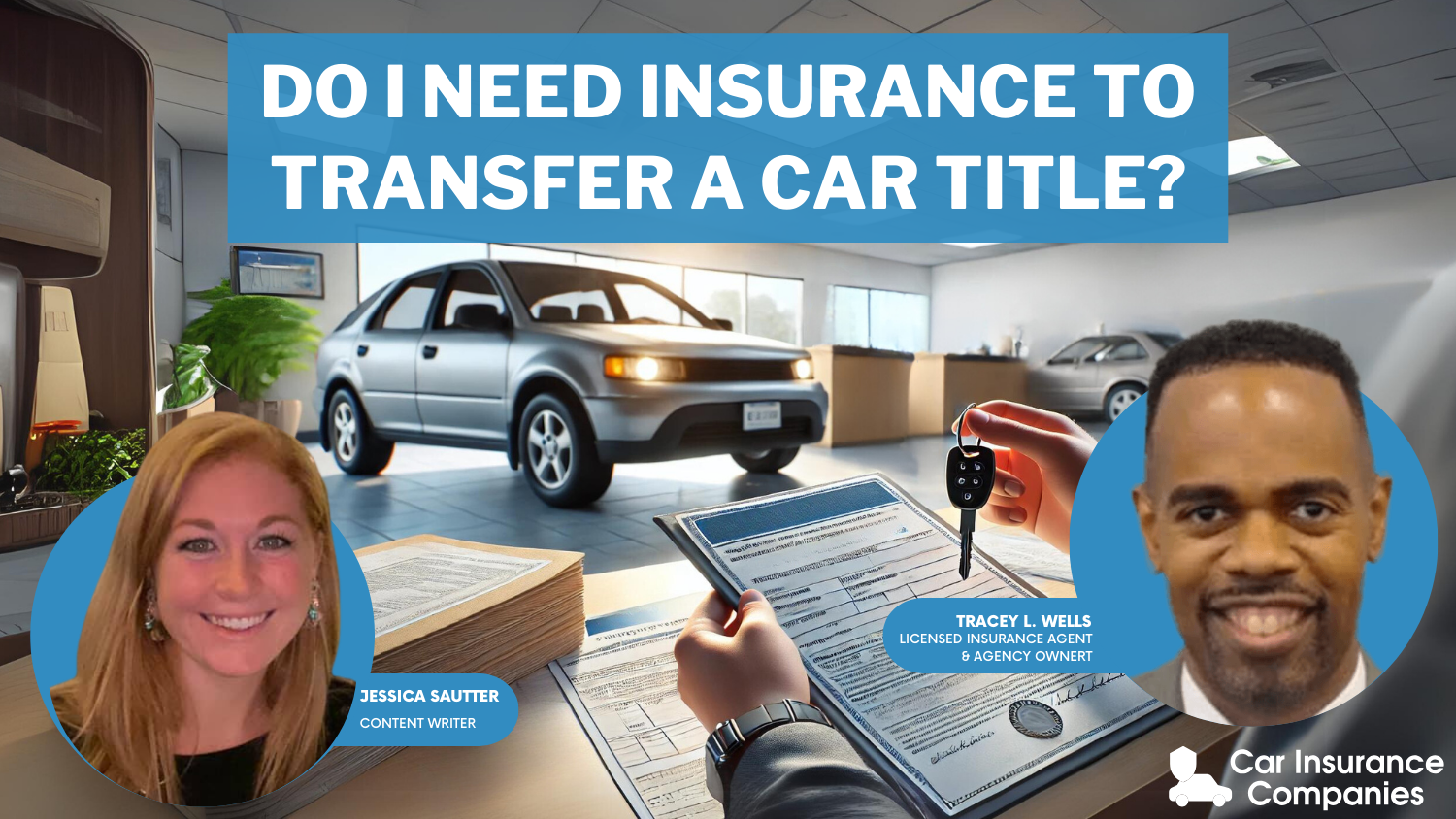
Do I need proof of insurance to transfer a car title at the DMV?
Yes, in nearly every state, you must present proof of active auto insurance before the DMV will complete a title transfer, register the vehicle, or issue license plates. State laws require vehicles to meet minimum financial responsibility standards before being granted legal access to public roadways.
What happens if my car is declared a total loss?
If your vehicle is involved in a severe accident and declared a total loss, the insurance company will pay you (or your lender) the actual cash value of the vehicle. In exchange, you must transfer the car's physical title over to the insurance company so they can salvage, sell, or scrap the damaged vehicle. If you do not have the title, you will need to request a duplicate title from the DMV before the insurer releases full claim payouts.
Can you insure a car with a salvage title?
Yes, but coverage options are usually restricted. Most insurance carriers will provide the basic state-mandated liability insurance for a vehicle with a salvage or rebuilt title once it passes required safety inspections. However, standard insurance companies rarely provide comprehensive and collision coverage for salvage vehicles due to difficulties in accurately assessing value and pre-existing damage.
How do I locate my title if my car is fully paid off?
If you have paid off your auto loan, your lender should release the lien and mail the physical title to your primary address or notify the DMV electronically. If the document has been lost or destroyed, you can request a duplicate title directly through your state DMV website or office by filling out an application for a duplicate certificate of title and paying a nominal state administrative fee.
Practical Recommendations and Next Actions
If you are preparing to insure a vehicle and do not have the physical title in hand, follow these recommendations to avoid coverage gaps:
- Focus on the VIN First: Do not let a missing physical title delay your insurance purchase. As long as you have the correct 17-character VIN, an insurer can provide a valid policy.
- Verify Title Brands Early: If you are buying a used car, run a vehicle history report (such as AutoCheck or Carfax) to verify that the vehicle has a clean title brand. Buying a car with an undisclosed salvage or flood title can severely limit your insurance options.
- Align Insurance Before DMV Visits: Never visit the DMV to transfer a title or register a vehicle without active proof of insurance in hand. State systems will reject title transfers without confirmed insurance coverage.
- Notify Your Financial Institution: If financing, make sure your insurance coverage starts on or before the date you sign the loan documents, and ensure the lender is named as a loss payee on your insurance binder to fulfill loan contract obligations.
Image Gallery
Select an image to open it in a new tab.

Zara El-Hashem
Sociocultural Dynamics and Academics Writer
