Natto: The Complete Guide to Japanese Fermented Soybeans, Health Benefits, and Preparation

Natto is a traditional Japanese food made by fermenting whole soybeans with the beneficial bacterium Bacillus subtilis var. natto. Known for its pungent aroma, nutty flavor, and sticky, stringy texture (neba-neba), natto is a dietary staple in Japan celebrated for its exceptional concentration of Nattokinase, Vitamin K2, and probiotic cultures.
What Is Natto? Origins and Fermentation Science
Natto (納豆) is a staple of traditional Japanese cuisine, particularly prominent as a breakfast dish in the eastern regions of Japan such as Kanto and Tohoku. At its core, natto consists of steamed soybeans fermented with a specific bacterial strain known as Bacillus subtilis var. natto.
Historically, natto was produced by wrapping warm steamed soybeans in rice straw (wara). Natural straw carries wild Bacillus subtilis spores on its surface. As the wrapped soybeans rested in a warm, moist environment, the bacteria multiplied, initiating a unique fermentation process. Modern commercial natto production relies on isolated pure cultures of Bacillus subtilis var. natto sprayed directly onto pasteurized, steamed soybeans. The beans are then incubated at approximately 40°C (104°F) for 16 to 24 hours before undergoing a cold aging period.
- Steamed Soybeans + Bacillus subtilis var. natto
- Incubation (40°C, ~20h)
- Cold Aging
- Natto
During fermentation, Bacillus subtilis produces extracellular enzymes, primarily proteases, which break down the soy proteins into simple amino acids, peptides, and glutamic acid. This enzymatic action generates the signature umami flavor profile of natto.
Concurrently, the bacteria synthesize long-chain polymers—specifically poly-gamma-glutamic acid ($\gamma$-PGA) and fructan—which form the viscous, stringy mucilage characteristic of the dish. Unlike lactic acid fermentations (such as yogurt or sauerkraut) or fungal fermentations (such as tempeh or miso), natto fermentation is alkaline, driven by ammonia released as proteins break down.
Nutritional Profile and Key Health Benefits
Natto is considered one of the most nutrient-dense fermented foods available. A standard 100-gram serving of commercial natto provides a powerful blend of macronutrients, dietary fiber, minerals, and specialized enzymes.
Key Nutritional Values per 100 Grams of Natto
- Energy: ~210 kcal
- Protein: 17–19 g
- Dietary Fiber: 5.4 g
- Total Fat: 11 g (low saturated fat content)
- Iron: 8.6 mg (over 45% of the Recommended Daily Intake)
- Manganese: 1.5 mg
- Calcium: 217 mg
- Potassium: 729 mg
Beyond base macronutrients, natto delivers three highly bioactive compounds that contribute to its status as a functional superfood: Nattokinase, Vitamin K2 (Menaquinone-7), and spore-forming probiotics.
1. Nattokinase and Cardiovascular Support
Nattokinase is an alkaline protease enzyme produced naturally by Bacillus subtilis var. natto during soybean fermentation. It was isolated in 1980 by researcher Hiroyuki Sumi at the Chicago University Medical School.
Nattokinase exhibits direct fibrinolytic (clot-dissolving) activity in vitro. Research indexed by the National Institutes of Health indicates that Nattokinase breaks down fibrin—a protein involved in blood clot formation—and supports healthy blood circulation by promoting the body's natural plasmin production. Clinical studies suggest that regular dietary intake of Nattokinase may support arterial elasticity and help maintain blood pressure already within normal ranges.
2. Vitamin K2 (Menaquinone-7 / MK-7)
Natto is the richest known dietary source of Vitamin K2, specifically the Menaquinone-7 (MK-7) isoform. While Vitamin K1 (phylloquinone) found in leafy greens is primarily involved in blood coagulation, Vitamin K2 plays a key role in calcium metabolism.
MK-7 acts as a cofactor for the carboxylation of osteocalcin (a protein that binds calcium to the bone matrix) and matrix Gla-protein (MGP), which prevents calcium from depositing in arterial walls. Regular consumption of foods rich in Vitamin K2 is associated with improved bone mineral density and a reduced risk of vascular calcification.
3. Probiotics and Digestive Health
Unlike delicate probiotic strains found in dairy products, Bacillus subtilis is a spore-forming bacterium. In its endospore state, Bacillus subtilis can survive the highly acidic environment of the human stomach.
Upon reaching the small intestine and colon, these spores germinate, supporting the gut microbiome by producing digestive enzymes, suppressing opportunistic pathogens, and promoting the growth of beneficial gut flora such as Bifidobacteria.

Flavor, Texture, and the Neba-Neba Phenomenon
The sensory profile of natto makes it a distinct culinary experience. In Japan, the texture of natto is categorized under the term neba-neba, an onomatopoeia describing foods that are sticky, gooey, or mucilaginous.
The Sticky Coating (Neba)
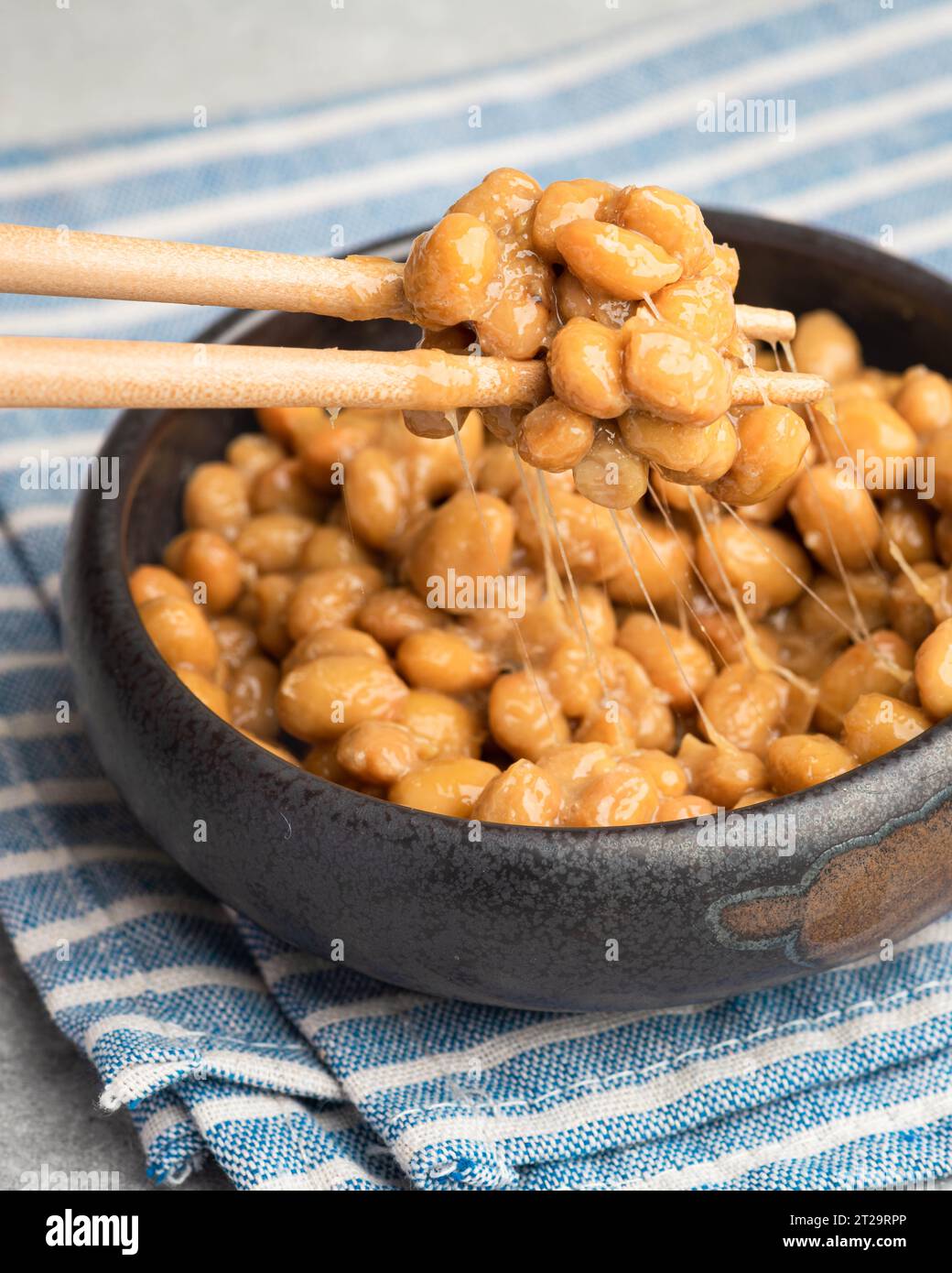
When natto is stirred with chopsticks, the clear coating surrounding the soybeans interacts with air, turning into an opaque, frothy, white mucilage that stretches into thin strands. This mucilage is composed of poly-gamma-glutamic acid combined with fructan. Stirring natto continuously—often recommended between 30 to 50 times before adding seasonings—increases the aeration of the mixture, creating a lighter, fluffier mouthfeel and unlocking higher concentrations of free glutamic acid for an intensified umami taste.
Aroma and Taste Profile
Natto's odor is complex, combining notes of aged cheese, nutty malt, and subtle ammonia tones resulting from protein breakdown. The primary flavor profile is rich in umami due to high levels of natural glutamate, accompanied by a slight bitterness from soy peptides. Small-grain natto varieties tend to offer a softer texture, whereas large-bean variants retain a firm, toothsome bite.
How to Prepare and Eat Natto
Natto is traditionally served as part of a classic Japanese breakfast alongside steamed white rice, miso soup, and grilled fish. However, its versatility allows for integration into modern dishes.
The Standard Preparation Method
Commercial natto is typically sold in single-serve styrofoam or paper containers containing 40 to 50 grams of fermented beans, accompanied by two small sauce packets: tare (a savory soy sauce-dashi blend) and karashi (Japanese hot yellow mustard).
- Unpack: Remove the top lid and peel away the plastic film covering the beans.
- Stir First (Crucial Step): Using chopsticks, stir the plain natto vigorously in a clockwise motion for 30 to 50 rotations. The beans should develop a thick, pale, frothy web of sticky strands.
- Add Seasonings: Open and add the tare sauce packet and karashi mustard. Adding liquid seasonings after initial mixing produces a frothier texture; adding liquid too early thins out the proteins and prevents optimal foam formation.
- Final Mix: Stir lightly 10 to 15 times to integrate the seasonings evenly.
Classic Culinary Pairings
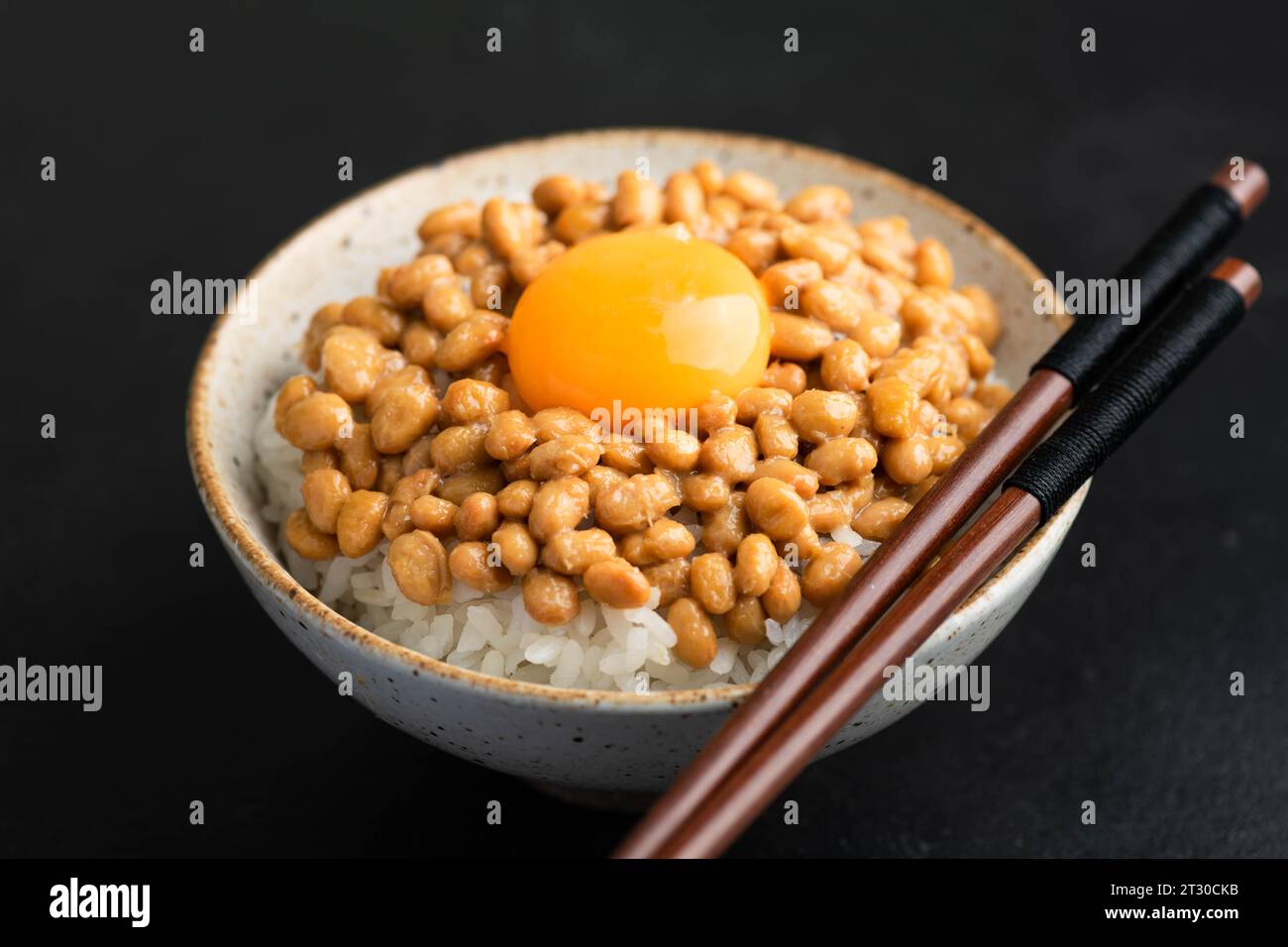
- Natto Gohan (Natto over Rice): Transfer the prepared natto over a warm bowl of steamed Japanese short-grain rice. The heat of the rice releases the aroma of the beans while softening the texture.
- Toppings: Enhance the flavor and balance the richness with fresh toppings:
- Finely chopped green onions (negi)
- A raw egg yolk or poached egg
- Toasted sesame seeds
- Kizami nori (shredded seaweed)
- Kimchi (the acidity and spice of fermented cabbage complement the savory depth of natto)
Warm and Cooked Dishes
While excessive high-heat cooking can deactivate heat-sensitive enzymes like Nattokinase (which degrades above 65°C / 149°F), natto can be incorporated into warm meals at the end of preparation:
- Natto Toast: Mix natto with a touch of mayonnaise and soy sauce, spread over shokupan (Japanese milk bread), top with melted cheese, and broil briefly until toasted.
- Natto Pasta: Fold prepared natto into cooked spaghetti with butter, soy sauce, pasta cooking water, and nori strips.
- Natto Miso Soup: Stir prepared natto into a bowl of hot miso soup just before serving to retain its probiotic viability and enzymatic activity.
Natto Varieties and Soybean Styles
Not all natto is identical. Different soybean varieties, seed sizes, and processing styles yield distinct culinary characteristics.
Soybean Varieties:
Otsubu (Large Grain)
Chutsubu (Medium Grain)
Kotsubu (Small Grain - Most Popular)
Hikiwari (Crushed / Chopped)
Kuromame (Black Soybean)
Kotsubu (Small Grain): The most common commercial variety. Small beans allow a higher surface-area-to-volume ratio, resulting in more bacterial coverage, higher stickiness, and easy mixing over rice.
Otsubu (Large Grain): Favored by consumers who prefer a robust, bean-forward texture and a stronger soybean taste over pure sticky mucilage.
Hikiwari (Crushed/Chopped Natto): Soybeans are cracked and husked before fermentation. Because the skin is removed, Bacillus subtilis fermenting agents penetrate the entire bean surface. Hikiwari natto yields more sticky mucilage, contains slightly higher Vitamin K2 levels per gram, and mixes smoothly into sauces, soups, and hand-rolled sushi (Nattomaki).
Kuromame Natto (Black Soybean Natto): Made from black soybeans (kuromame). This style features a sweeter, earthier taste profile with rich anthocyanin antioxidant levels in the skin.
Comparing Natto with Other Fermented Soy Products
Fermented soy plays a pivotal role across East Asian culinary traditions. However, differences in fermentation microorganisms, processing techniques, and nutritional profiles separate natto from items like tempeh, miso, and tofu.
| Product | Principal Fermentation Organism | Texture / Form | Dominant Flavor Profile | Key Bioactive / Nutritional Highlight | Primary Culinary Use |
|---|---|---|---|---|---|
| Natto | Bacteria (Bacillus subtilis var. natto) | Whole beans, sticky/mucilaginous | Umami, pungent, cheesy, nutty | Nattokinase, Vitamin K2 (MK-7), Spore Probiotics | Topping for rice, sushi rolls, savory side dish |
| Tempeh | Fungus (Rhizopus oligosporus) | Firm, compact soybean cake | Nutty, earthy, mushroom-like | Complete plant protein, fiber, intact isoflavones | Sliced and pan-fried, grilled, meat substitute |
| Miso | Mold culture (Aspergillus oryzae) + yeast/bacteria | Thick, smooth paste | Salty, sweet, deeply savory | Probiotics, protective soy isoflavones, minerals | Soup base, marinades, dressings, glazes |
| Soy Sauce (Shoyu) | Mold (Aspergillus) + Salt Brine Fermentation | Dark liquid condiment | Highly salty, savory, complex | Amino acids, sensory enhancement | Flavoring agent, dipping sauce, marinade |
| Tofu (Unfermented) | None (Coagulated soy milk, not fermented) | Soft, firm, or silken solid block | Mild, neutral, light | High protein, calcium, low calories | Stir-fries, soups, salads, braises |
Health Precautions, Safety, and Medical Considerations
While natto provides significant nutritional benefits, specific medical conditions and prescription drug regimens require caution or dietary moderation.
1. Anticoagulant (Blood Thinner) Interactions
The primary medical contraindication for natto involves prescription anticoagulant medications, specifically Warfarin (Coumadin). Warfarin functions as a Vitamin K antagonist to prevent blood clots. Because natto contains extraordinarily high concentrations of Vitamin K2—often over 800 mcg per 100g serving—consuming even small portions can offset the therapeutic dosage of Warfarin and compromise blood-thinning efficacy.
Note: Patients prescribed newer direct oral anticoagulants (DOACs) such as apixaban or rivaroxaban should still consult their hematologist or cardiologist before adding natto to their regular diet.
2. Purine Content and Gout Management
Soybeans are a moderate-to-high source of purines, compounds that break down into uric acid in the human body. Individuals diagnosed with active gout, hyperuricemia, or uric-acid kidney stones should monitor their intake of natto to prevent potential gout flare-ups.
3. Soy Allergies
Natto is derived entirely from whole soybeans. Individuals with an established soy protein allergy must avoid natto entirely. However, some individuals with mild sensitivity to unfermented soy products find fermented soy easier to digest because the bacterial fermentation breaks down complex oligosaccharides (like raffinose and stachyose) that typically cause gas and bloating.
How to Buy, Store, and Keep Natto Fresh
Natto is available internationally at Japanese food markets, East Asian grocery stores, and specialty health food stores.
Buying Tips
- Look for natto in the refrigerated or frozen Asian food sections. Imported natto from Japan is frequently shipped frozen to freeze bacterial activity and preserve freshness.
- Check the expiration date on refrigerated packages. Fresh natto usually maintains peak quality for 1 to 2 weeks under refrigeration (below 4°C / 40°F).
Storage Guidelines
- Refrigeration: Keep natto in its original packaging. If opened, cover tightly with plastic wrap directly against the beans to prevent them from drying out. Dried-out natto forms white amino acid crystals (tyrosine crystals) on the bean surfaces; while safe to eat, these crystals create a gritty, unpleasant crunch.
- Freezing: Natto freezes exceptionally well. Unopened styrofoam packs can be placed directly in the freezer for up to 6 months. To thaw, move the package to the refrigerator 12 to 24 hours before intended consumption. Avoid microwave thawing, as high thermal radiation kills beneficial probiotic bacteria and degrades the Nattokinase enzyme.
Frequently Asked Questions
Does cooking natto destroy its Nattokinase enzyme?
Yes, high heat degrades active enzymes. Nattokinase begins to denature at temperatures above 50°C (122°F) and loses significant activity above 65°C (149°F). To preserve maximum enzymatic benefits, add natto to warm dishes like rice or soups right before serving rather than boiling or frying it for extended periods.
How often should you eat natto to see health benefits?
In traditional Japanese dietary patterns, eating one standard package (approx. 40–50 grams) per day or 3 to 4 times a week is standard. Consistent intake provides a steady supply of Vitamin K2, fiber, and probiotic Bacillus subtilis spores to support gut flora and cardiovascular health.
What causes the sticky strings (neba-neba) in natto?
The stringy mucilage is produced during fermentation by Bacillus subtilis var. natto. The bacteria break down soybean proteins and synthesize a combination of poly-gamma-glutamic acid ($\gamma$-PGA) and fructan polymers. Stirring incorporates air into these polymers, producing a light, white, elastic foam.
What does natto taste like to someone trying it for the first time?
Natto has an initial hit of savory, nutty, and slightly bitter umami flavors, with underlying fermented notes reminiscent of aged Brie cheese, sourdough, or roasted nuts. The smell is often stronger than the actual flavor, featuring a subtle earthy and ammonia-like aroma.
Can people taking Warfarin (Coumadin) eat natto safely?
No. Patients taking Warfarin should avoid natto. The exceptionally high Vitamin K2 content in natto directly antagonizes Warfarin's mechanism of action, interfering with blood clotting times (INR levels). Always consult your prescribing physician before making major dietary alterations while on blood-thinning medications.
Practical Recommendations for Beginners
If you are trying natto for the first time, ease into its distinctive sensory profile with these steps:
- Start with Kotsubu or Hikiwari: Choose small-grain (kotsubu) or crushed (hikiwari) varieties. These variants are easier to mix and integrate smoothly over rice compared to large-grain beans.
- Stir Thoroughly First: Take the time to stir the beans 40 to 50 times before adding mustard and soy sauce. Proper aeration builds a lighter, creamier foam that tempers the intensity of the flavor.
- Combine with Flavor Maskers: Serve over steaming hot rice and mix in bold complementary ingredients such as chopped green onions, a drizzle of toasted sesame oil, kimchi, or a raw egg yolk. These additions balance the earthy notes of the fermented beans while preserving their nutritional benefits.
Image Gallery
Select an image to open it in a new tab.




Akira Tanaka
International Academic Trends Correspondent
