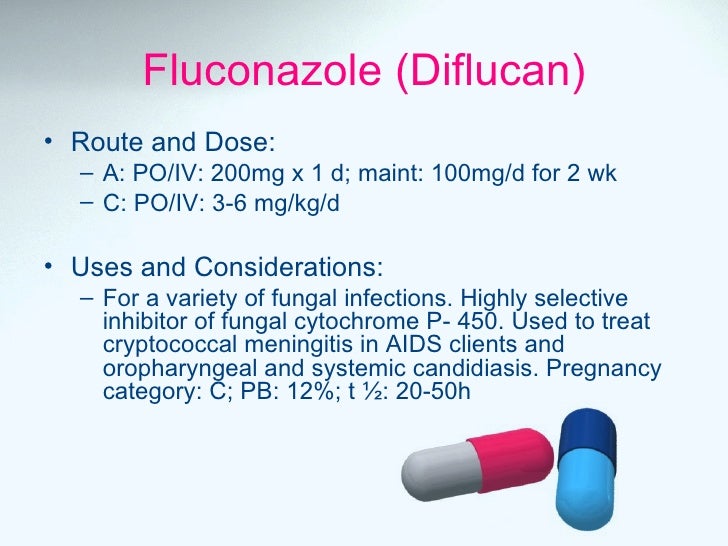
Miconazole and fluconazole are both potent antifungal medications belonging to the azole class, but they differ significantly in their delivery methods, systemic absorption, and primary clinical applications. While miconazole is typically utilized for localized topical or mucosal treatments, fluconazole is an orally administered medication that acts systemically to treat internal or widespread fungal infections.
Understanding the distinction between these two medications is essential for choosing the appropriate treatment for fungal conditions. Both drugs work by inhibiting the synthesis of ergosterol, a vital component of fungal cell membranes. By disrupting this process, the drugs compromise the structural integrity of the fungal cell, eventually leading to its destruction. However, the way each medication is introduced to the body—and the type of infection it is designed to address—creates a distinct boundary between their respective medical uses.
The Mechanism of Action: How Azoles Function
Both miconazole and fluconazole are categorized as imidazole and triazole antifungals, respectively. At a molecular level, they inhibit the enzyme 14-alpha-demethylase. This enzyme is responsible for converting lanosterol into ergosterol. When this pathway is blocked, the fungal cell accumulates toxic intermediate products and develops holes in its cell membrane. This prevents the fungus from growing and replicating, allowing the patient’s immune system to clear the remaining infection more effectively.
While the fundamental mechanism is similar, the chemical structure of these two compounds dictates how they interact with human biology. Fluconazole is a smaller, more water-soluble molecule, which allows it to distribute throughout the body’s tissues, including the cerebrospinal fluid and urine, making it suitable for systemic infections. Miconazole, by contrast, is more lipophilic and less soluble, which restricts its movement and makes it better suited for topical applications where it can remain at the site of infection for longer periods without significant systemic absorption.
Miconazole: Localized Treatment for Superficial Infections
Miconazole is a workhorse in dermatology and gynecology. It is most frequently found in over-the-counter (OTC) products intended for cutaneous and mucosal surfaces. Because it is poorly absorbed through the skin or gastrointestinal tract, its clinical profile is characterized by a low risk of systemic side effects.
Common applications for miconazole include:
- Dermatophyte infections: Such as athlete’s foot (tinea pedis), jock itch (tinea cruris), and ringworm (tinea corporis).
- Cutaneous candidiasis: Yeast infections occurring in skin folds, often manifesting as red, itchy rashes.
- Vulvovaginal candidiasis: Miconazole is a standard treatment for yeast infections in the form of creams, suppositories, or pessaries.
The efficacy of miconazole depends on consistent application. For topical use, it is usually applied once or twice daily to the affected area. In the case of vaginal preparations, formulations often range from one-day treatments to seven-day regimens. The primary advantage here is the ability to target the site of the infection directly without exposing the entire body to an antifungal agent, thereby minimizing potential drug-drug interactions or systemic toxicity.
Fluconazole: Systemic Therapy for Widespread or Severe Infections
Fluconazole is a systemic antifungal, meaning it enters the bloodstream and travels to various organs and tissues. Unlike topical miconazole, fluconazole requires a prescription in most jurisdictions and is indicated for more complex or recurring fungal conditions that cannot be cleared by topical creams alone.
Clinical indications for fluconazole include:
- Complicated Vulvovaginal Candidiasis: When topical treatments fail or infections recur frequently.
- Oropharyngeal and Esophageal Candidiasis: Often seen in patients with compromised immune systems.
- Systemic Infections: Such as candidemia (fungus in the bloodstream) or cryptococcal meningitis, requiring specialized medical oversight.
Because fluconazole reaches high concentrations in the body, it is highly effective at treating infections that are "hidden" in mucosal tissues or circulating in the blood. However, this also means that it is processed by the liver and excreted by the kidneys. Patients taking fluconazole may require monitoring, particularly if they have underlying hepatic or renal impairment, or if they are taking other medications that are metabolized via the same enzymatic pathways.
Key Differences and Comparative Overview
To choose the right approach, one must look at the nature, location, and severity of the infection. The following table provides a clear comparison of these two medications based on their typical clinical profile.
| Feature | Miconazole | Fluconazole |
|---|---|---|
| Drug Class | Imidazole | Triazole |
| Administration | Topical (Cream, Powder, Suppository) | Oral (Tablet, Suspension) |
| Absorption | Negligible systemic absorption | High systemic absorption |
| Accessibility | Over-the-counter (OTC) | Prescription-only |
| Primary Use | Skin infections, vaginal yeast | Systemic, mucosal, or severe infections |
| Metabolism | Localized action | Hepatic metabolism |
Safety Considerations and Potential Interactions
The safety profile of these two drugs is dictated by their absorption levels. Miconazole carries a very low risk of systemic side effects, such as nausea or liver enzyme elevation, because the amount of medication entering the bloodstream is minimal. Most reported side effects are localized, such as burning, redness, or itching at the application site.
Fluconazole, while safe for most patients, has a broader side-effect profile. Common adverse effects include headache, nausea, and abdominal pain. More importantly, fluconazole is known to interact with a wide range of other medications. Because it inhibits certain cytochrome P450 enzymes in the liver, it can increase the levels of other drugs in the blood, potentially leading to toxicity. This is a critical consideration for patients on chronic medications for blood pressure, heart rhythm, or mood disorders.
When to Consult a Professional
Deciding between a topical OTC solution and a prescription systemic medication should not be done in isolation, especially if symptoms are ambiguous. A professional diagnosis is necessary because symptoms of a fungal infection can often mimic those of bacterial infections or inflammatory conditions.
If you suspect a yeast infection or skin fungus, consider the following:
- Duration of Symptoms: If symptoms persist after the recommended course of an OTC miconazole treatment, the cause may not be fungal, or the strain may be resistant to the drug.
- Frequency of Recurrence: Patients suffering from recurrent infections may require a formal assessment to rule out underlying health issues, such as undiagnosed diabetes, which can predispose individuals to yeast infections.
- Severity of Presentation: Widespread skin involvement or symptoms involving the throat and esophagus require immediate medical attention, as topical treatments will be insufficient.
Frequently Asked Questions
1. Can I use miconazole for an infection that fluconazole was previously prescribed for? If a physician previously prescribed fluconazole, it was likely because the infection was either deep, severe, or resistant to topical treatments. Substituting it with an OTC miconazole product may only treat the surface layer and fail to clear the deeper infection, potentially leading to persistent or returning symptoms. Always finish the prescribed course of medication.
2. Which is more effective for a standard vaginal yeast infection? Both are highly effective for uncomplicated vaginal candidiasis. Miconazole is widely available as an OTC product and is considered a first-line treatment for those who have experienced yeast infections before. Fluconazole is often preferred by patients for its convenience, as it typically requires only a single oral dose, though it requires a prescription.
3. Are there any dietary restrictions when taking these antifungals? Miconazole does not require dietary changes. For fluconazole, there are no specific food restrictions, but it is important to take the medication as directed by your healthcare provider. If you are also taking other medications, consult your pharmacist to ensure there are no negative interactions between those drugs and fluconazole.
4. Why does my skin burn when I apply miconazole? Mild irritation is a common side effect of topical azoles. However, if the burning is intense, widespread, or leads to blistering, you should discontinue use and consult a doctor, as you may be experiencing a hypersensitivity reaction to the active ingredient or the vehicle (the cream base).
5. Do these medications expire? Yes. Both miconazole creams and fluconazole tablets have expiration dates set by the manufacturer. Using expired medication can result in reduced efficacy, as the chemical compound may have degraded over time. Always check the packaging for the expiration date and store medications in a cool, dry place away from direct sunlight.
Final Guidance for Treatment Selection
When managing a fungal infection, the primary goal is to match the treatment to the infection's scope. If you are dealing with a localized, minor skin irritation or a first-time, uncomplicated yeast infection, an over-the-counter miconazole product is often the most appropriate and cost-effective starting point. However, if symptoms are persistent, involve systemic concerns, or have been diagnosed as a complicated infection by a healthcare provider, the systemic reach of fluconazole is required.
Always prioritize accuracy in diagnosis. Using the wrong medication for a bacterial or inflammatory skin condition can delay effective treatment. If you are uncertain about the nature of your symptoms, seek a professional evaluation to ensure you are targeting the root cause correctly.
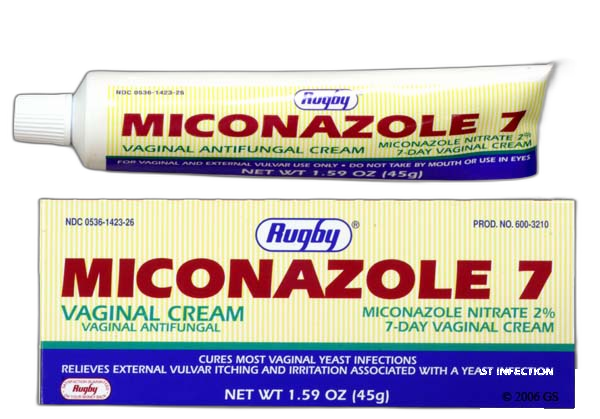
Image Gallery
Select an image to open it in a new tab.
Mateo Castillo
Decentralized Finance and E-Payments Strategist
