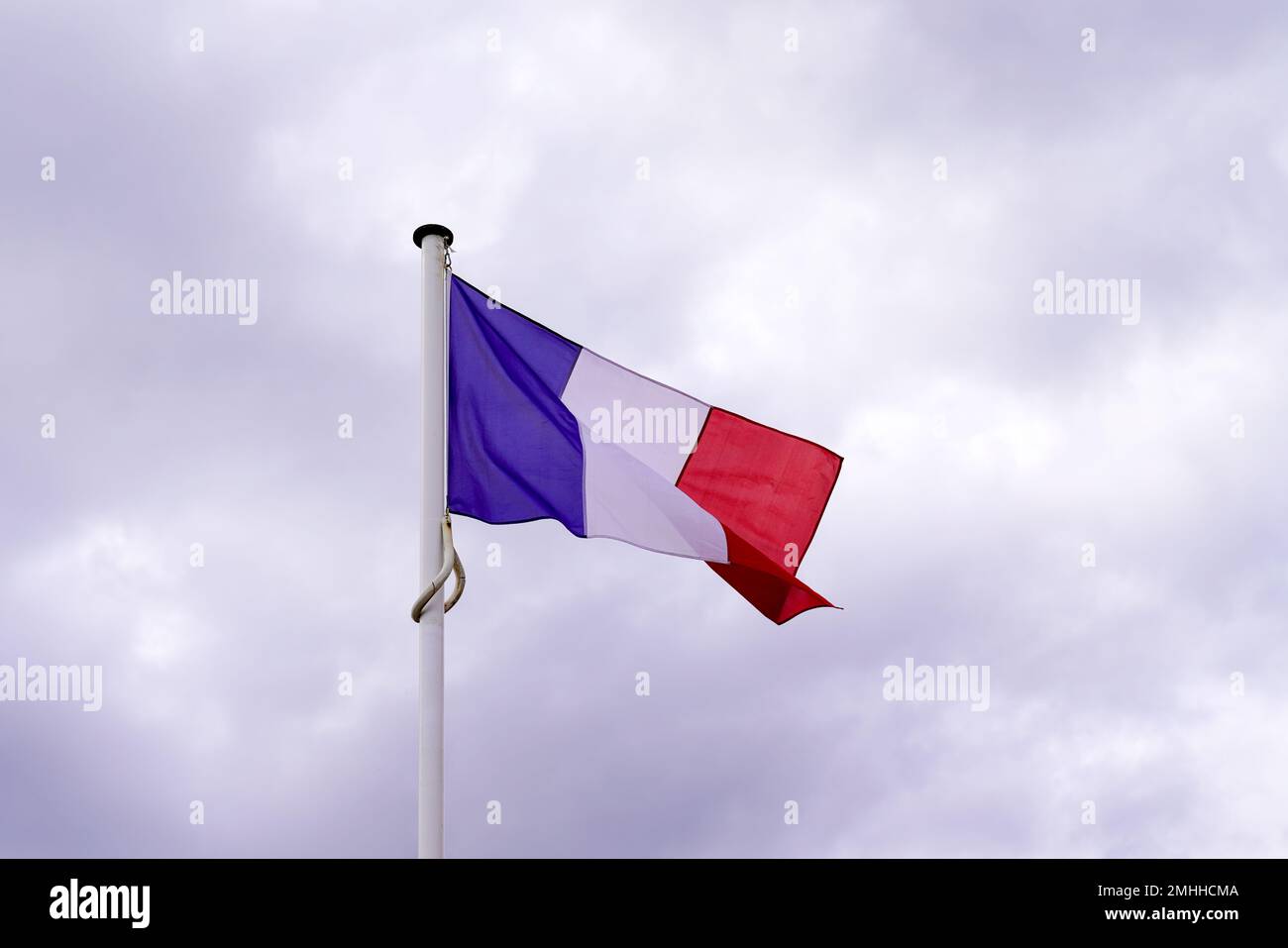
The "blue white red" flag is the national emblem of the French Republic, commonly known as the Tricolore. It consists of three vertical bands of equal width, colored blue (at the hoist), white (in the center), and red (at the fly). It serves as the primary symbol of French sovereignty, representing the foundational values of liberty, equality, and fraternity.
The tricolor flag is one of the most recognizable national symbols in the world. Its design is not merely aesthetic; it is a manifestation of the political and social shifts that defined the birth of modern France. To understand this flag is to understand the transition of a nation from an absolute monarchy to a democratic republic.
Historical Origins and the 1789 Revolution
The origins of the French flag are rooted in the early days of the French Revolution. In July 1789, the people of Paris formed a civilian militia known as the National Guard. To distinguish themselves from the royalist forces, they adopted a cockade—a badge worn on a hat—that combined the traditional colors of Paris (blue and red) with the color of the monarchy (white).
The Marquis de Lafayette, a key figure in the American and French Revolutions, is often credited with suggesting the inclusion of the white stripe. By placing the white of the Bourbon monarchy between the blue and red of the people, the tricolor symbolized a synthesis: the union of the King and the people under a new constitutional order. While the monarchy was eventually abolished, the design endured as a powerful emblem of national unity.
The Role of the Cockade
The tricolor cockade was the true ancestor of the current flag. Before standardized flags were common, these wearable symbols allowed revolutionaries to identify one another in the chaos of street protests and political gatherings. When the flag was officially adopted by the National Convention in 1794, it codified these colors into a standard format that remains largely unchanged in the 21st century.
Design Specifications and Geometry
The French flag is governed by specific standards to ensure uniformity across government buildings and international representations. The defining characteristic of the Tricolore is the equal width of its three vertical bands. However, a common misconception involves the perceived size of the stripes.
In official usage, particularly on ships and on public buildings, the bands are sometimes adjusted to account for optical illusions. When viewed from a distance, the colors can bleed into one another; because white is a lighter, more reflective color, a band of pure equal width might look slightly thinner to the human eye. To compensate, official naval flags often utilize a ratio of 30:33:37 (blue to white to red). This subtle adjustment ensures that the flag appears balanced and uniform when fluttering in the wind.
Proportions and Color Standardization
The standard height-to-width ratio for the flag is 2:3. While there is no rigid legal statute mandating the exact shade of "blue, white, and red" for the general public, the French government—through the Ministry of the Interior—maintains strict guidelines for official state flags. The blue is typically a deep navy, and the red is a vibrant, clear crimson.
Symbolic Significance: Liberty, Equality, Fraternity
The colors blue, white, and red are intrinsically linked to the national motto of France: Liberté, Égalité, Fraternité (Liberty, Equality, Fraternity). While these associations were cemented long after the flag’s initial design, they provide the ideological framework that the flag represents to French citizens today.
- Blue: Traditionally associated with Saint Martin of Tours and later the city of Paris, it represents the vigilance and democratic spirit of the people.
- White: Historically the color of the French monarchy, it represents the purity of intent and the compromise reached during the early revolutionary period.
- Red: Representing the blood of those who sacrificed their lives for the revolution, it stands for courage, passion, and the resilience of the republic.
Comparison of Tricolor Flags
Many nations utilize a tricolor design, which often leads to confusion. While the French flag is the most famous, it is important to distinguish it from others that share similar colors or layouts.
| Country | Design | Color Order (Hoist to Fly) | Historical Context |
|---|---|---|---|
| France | Vertical | Blue, White, Red | Revolution of 1789 |
| Italy | Vertical | Green, White, Red | Inspired by French design |
| Ireland | Vertical | Green, White, Orange | Independence movement |
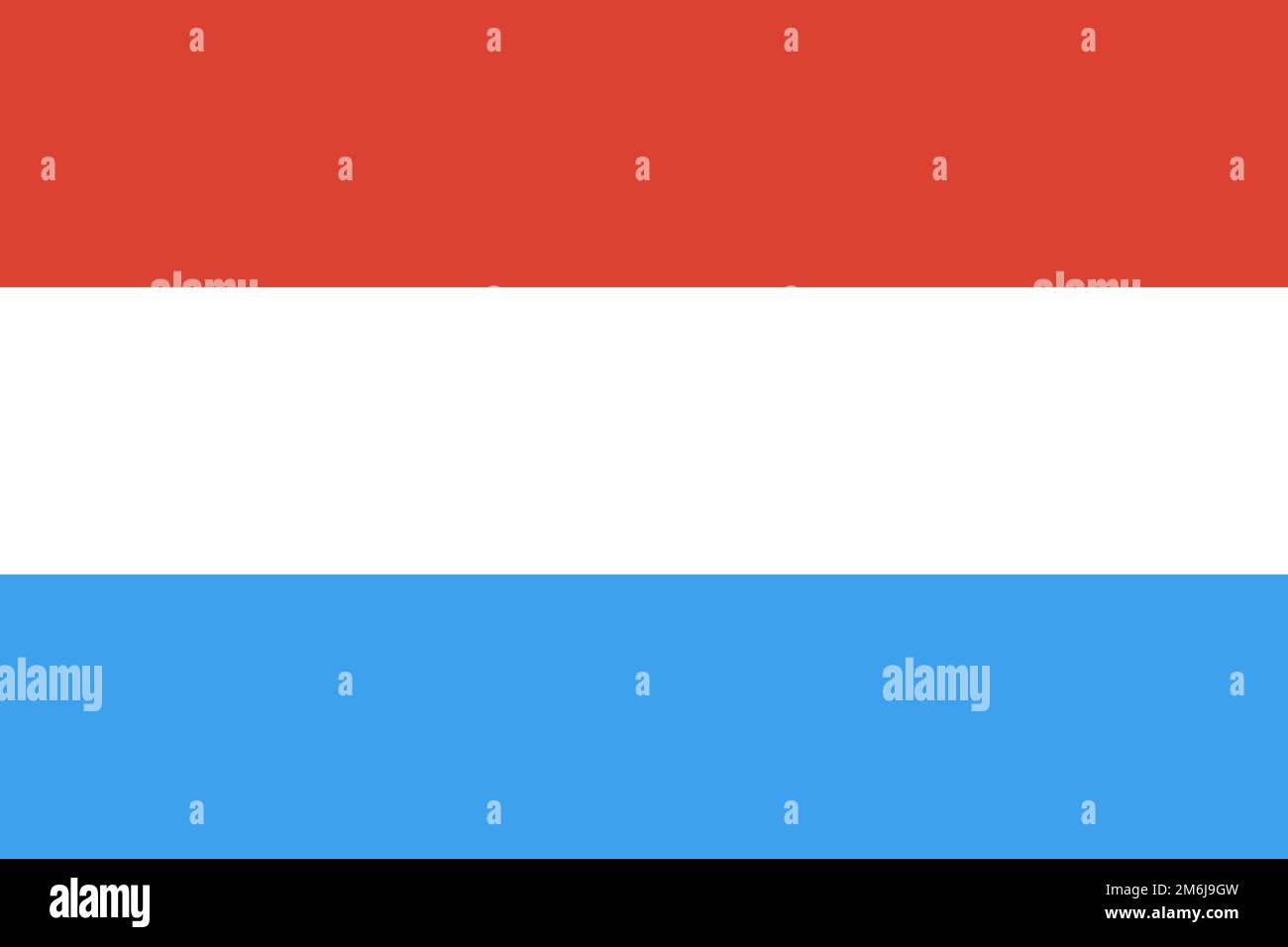
| Netherlands | Horizontal | Red, White, Blue | Revolt against Spain (1568) |
| Russia | Horizontal | White, Blue, Red | Civil flag adopted in 1696 |
The Italian tricolor, for instance, mimics the vertical design of the French flag but replaces the blue with green, symbolizing the plains and hills of the Italian landscape. The Dutch flag, while using the same colors as the French, arranges them horizontally and is considered one of the oldest tricolor flags in continuous use.
Protocol and Proper Display in 2026
In 2026, the display of the French flag remains a formal affair. On public buildings and monuments, the flag is subject to strict protocols defined by the French Constitution. It is common to see the flag displayed alongside the flag of the European Union, usually placed to the right of the French tricolor when viewed from the front.
Rules for Flag Etiquette:
- Placement: The flag should occupy the place of honor. It must never be displayed in a damaged or faded condition.
- Order of Precedence: When flying with other flags, the national flag takes the highest position, followed by regional or organizational flags.
- National Mourning: During periods of national mourning or tragedy, the flag is flown at half-mast, a practice known as mettre le drapeau en berne.
- Disposal: When a flag becomes worn, it should be disposed of in a respectful manner, typically by burning or cutting it into small pieces so that it is no longer recognizable as a flag.
Frequently Asked Questions
Does the order of the colors matter? Yes, the order is strictly defined by law. The blue must be at the hoist (the side nearest the flagpole), the white in the middle, and the red at the fly (the side furthest from the pole). Reversing these colors would result in a different national flag entirely.
Why is the blue sometimes navy and sometimes lighter? In 2020, President Emmanuel Macron ordered a return to a deeper navy blue for flags displayed on official presidential buildings. This was a symbolic nod to the "original" tricolor of the French Revolution, distinguishing the republic's modern official imagery from the brighter "European blue" that had been adopted for visibility against EU flag backgrounds in the 1970s.
Is the French flag considered a sacred object? While not "sacred" in a religious sense, the flag is protected by legal statutes regarding public offense. Damaging or insulting the national flag in a public place is a punishable offense under the French Penal Code, as it is viewed as an act against the state and the collective identity of the French people.
Can a private citizen fly the flag? Yes, any citizen or business owner in France is permitted to fly the tricolor flag. There are no restrictive laws prohibiting the use of the flag by private individuals, provided it is treated with the respect customary for a national emblem.
Are there other versions of the flag? The vertical tricolor is the official state flag. However, there are variants such as the naval ensign, which uses the same colors but with the vertical stripes adjusted in width to ensure visual balance at sea.
Practical Next Steps for Enthusiasts
If you are interested in acquiring or studying the French flag, start by verifying the source of your information. For historical research, the archives of the Archives nationales provide digitised records of the decrees that established the flag. If you are looking to purchase a flag, ensure it meets the standard 2:3 ratio, as many mass-produced items sold in souvenir shops often deviate from the official government-sanctioned geometry. For those visiting France, observing the flag at the Palais de l'Élysée or the Arc de Triomphe provides the most accurate view of the authorized dimensions and color palette currently in use.
Image Gallery
Select an image to open it in a new tab.
Akira Tanaka
International Academic Trends Correspondent
