The Menendez Brothers Netflix Series: A Catalyst for Debate in True Crime Storytelling

The release of Netflix’s Monsters: The Lyle and Erik Menendez Story sparked a global debate over the ethics of true crime storytelling, balancing sensationalized dramatization against the reality of trauma. By 2026, the series is recognized as a pivotal moment that forced a re-evaluation of how media influences judicial proceedings and public perception of male sexual abuse.
The Cultural Impact of Monsters: The Lyle and Erik Menendez Story
When Ryan Murphy and Ian Brennan released the second installment of their Monsters anthology in late 2024, it did more than just top streaming charts. It reignited a national conversation regarding the 1989 killings of Jose and Kitty Menendez by their sons, Lyle and Erik. Unlike the 1990s, where the brothers were often the punchlines of late-night talk shows, the 2024 series arrived in a cultural landscape far more sensitive to the complexities of sexual abuse and Post-Traumatic Stress Disorder (PTSD).
The series became a lightning rod for criticism and praise alike. On one hand, it brought the brothers' claims of lifelong systemic abuse back into the spotlight, leading to a massive surge in support from younger generations on platforms like TikTok and Instagram. On the other hand, the brothers themselves—specifically Erik Menendez—publicly condemned the show for what they termed "dishonest portrayals" and "blatant lies" regarding their relationship and motivations.
By 2026, the "Netflix Effect" on this case is studied as a primary example of how entertainment media can accelerate legal reviews. The intense public pressure following the series release contributed significantly to the Los Angeles County District Attorney’s office re-examining new evidence, including a letter written by Erik Menendez to his cousin Andy Cano months before the murders, and allegations of abuse against Jose Menendez by a former member of the band Menudo.
The Ethical Tightrope: Accuracy vs. Dramatization in True Crime
The primary debate surrounding the series centers on the creative liberties taken by showrunners. In true crime storytelling, there is a constant tension between "narrative truth" (what makes for a compelling story) and "historical truth" (what actually happened).
The "Rashomon" Effect and Subjectivity
Ryan Murphy utilized a "Rashomon" style of storytelling—presenting the same events through different, often conflicting, perspectives. This included the prosecution’s theory that the brothers were cold-blooded killers seeking a $14 million inheritance, and the defense’s theory that they killed out of fear for their lives.
While this approach is technically sophisticated, critics argued it gave undue weight to debunked theories. For example, the series included scenes suggesting a pseudo-incestuous relationship between the brothers, a narrative choice that the Menendez family and their legal representatives characterized as offensive and entirely fabricated. The debate in 2026 continues to focus on whether creators have a moral obligation to avoid "harmful fiction" when the subjects of the story are still living and seeking legal relief.
The Role of Performance and Empathy
Despite the controversy, the performances of Cooper Koch (Erik) and Nicholas Alexander Chavez (Lyle) were credited with humanizing the brothers. Episode 5, "The Hurt Man," which consists of a single 30-minute take of Erik Menendez describing his abuse, is frequently cited by media scholars as a masterclass in empathy-driven storytelling. This technical choice stripped away the "Murphy-esque" camp and forced the audience to sit with the raw testimony, mirroring the experience of a jury member.

Legal Repercussions and the "Netflix Effect"
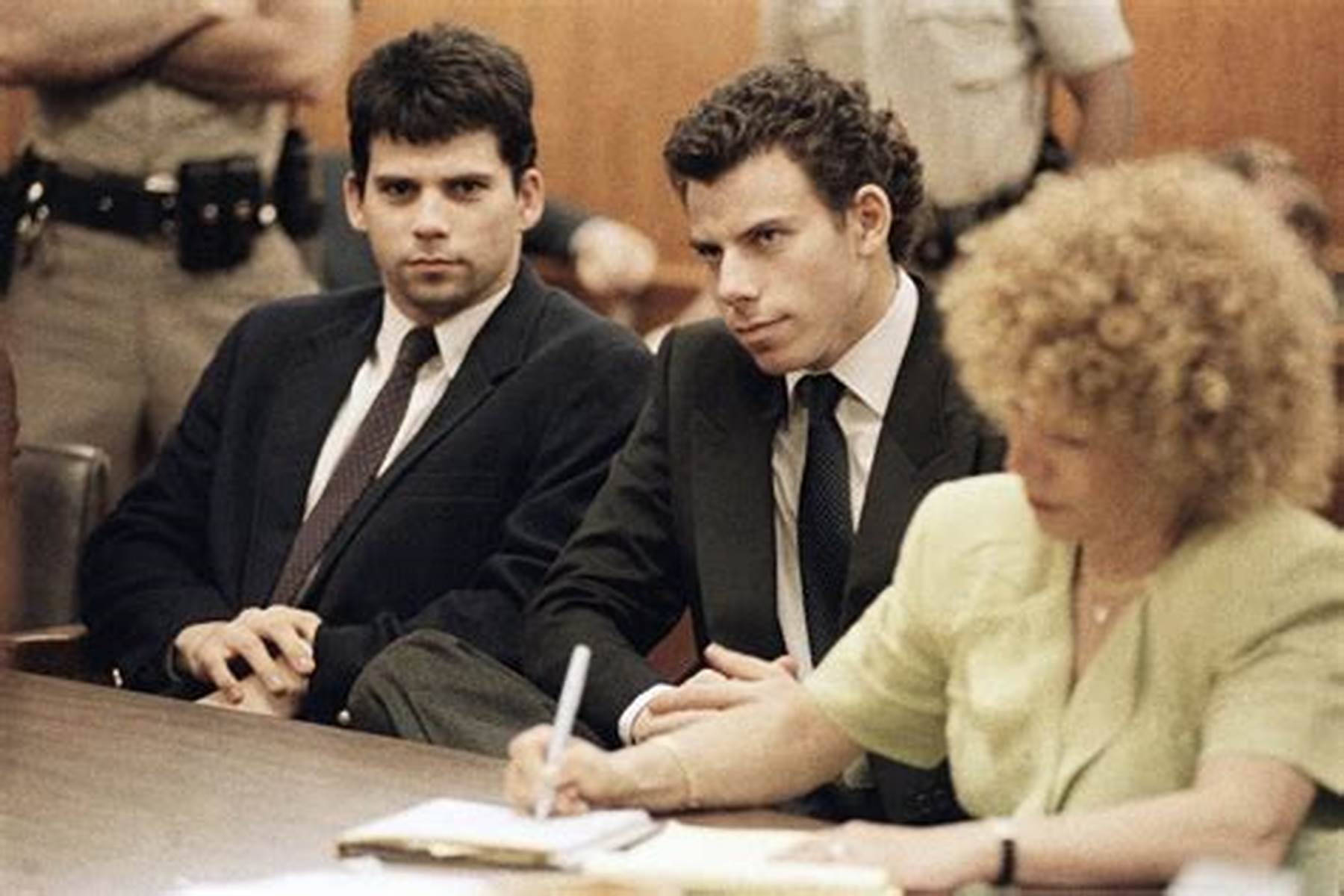
The most tangible outcome of the series was its impact on the California legal system. Shortly after the series aired, and bolstered by the companion documentary The Menendez Brothers, new legal filings gained momentum.
- The 2024 Resentencing Recommendation: In late 2024, then-District Attorney George Gascón announced a recommendation for the brothers to be resentenced. He cited the cultural shift in understanding domestic violence and the new evidence that was not available or allowed during the 1993 and 1995 trials.
- Public Advocacy: High-profile figures, most notably Kim Kardashian, leveraged the momentum of the series to advocate for the brothers' release, arguing that they had served enough time (over 34 years) and no longer posed a threat to society.
- The 2026 Status: As of 2026, the Menendez case remains a benchmark for how documentary and scripted content can work in tandem to influence the judiciary. While some legal experts warn against "trial by stream," others argue that media attention is the only way to correct historical injustices where victims were silenced by the prejudices of their time.
Comparing Trial Evidence vs. Netflix Dramatization
To understand the debate, it is essential to look at where the series aligned with the court record and where it diverged for dramatic effect.
| Element | Court Testimony/Evidence | Netflix Series Portrayal |
|---|---|---|
| The "Shopping Spree" | Evidence showed the brothers spent roughly $700,000 in the months after the murders. | Portrayed as a decadent, almost celebratory spree, emphasizing greed. |
| Sexual Abuse Allegations | Detailed testimony from both brothers and several family members regarding Jose's behavior. | Portrayed through various lenses, including one that questioned the validity of the claims. |
| The Letter to Andy Cano | A 1988 letter from Erik to his cousin corroborating the abuse. | Mentioned, but its legal weight was downplayed in favor of character conflict. |
| Brotherly Relationship | Described as supportive and trauma-bonded. | Included suggestive scenes of homoerotic subtext that the brothers denied. |
| Kitty Menendez's Role | Testified as a victim of Jose's abuse who became an enabler/perpetrator against her sons. | Depicted with a mix of sympathy and villainy, emphasizing her mental instability. |
The Role of Social Media and Gen Z Advocacy
The debate over the Menendez series cannot be separated from the digital environment in which it was consumed. Unlike the original trials, which were broadcast on Court TV to an older audience, the 2024 series was "filtered" through TikTok and Instagram.
This younger demographic, often referred to as "justice-oriented," viewed the case through the lens of modern advocacy. They were less interested in the "monster" narrative and more focused on the failure of the 1990s legal system to recognize male sexual abuse. This demographic shift changed the "intent" of the search for information; users weren't just looking for entertainment, they were looking for ways to sign petitions and contact the DA’s office.
This highlights a shift in true crime consumption:
- Passive Consumption (1990s): Watching the trial as a televised soap opera.
- Active Consumption (2020s): Using streaming content as a starting point for independent "citizen sleuthing" and political activism.
Technical Analysis of True Crime Storytelling Ethics
From a technical standpoint, the Menendez series sparks a debate regarding the "duty of care" owed to the victims of crimes and the perpetrators who claim victimhood.
Exploitation vs. Education
Critics of Ryan Murphy's work often point to a tendency to prioritize aesthetic and shock value over emotional accuracy. In the context of the Menendez brothers, the technical use of high-contrast lighting, saturated colors, and a driving 80s soundtrack created a "larger-than-life" atmosphere. This can be problematic because it risks turning a horrific family tragedy into a stylized commodity.
The Problem of "The Final Word"
For many viewers, the Netflix series is the only version of the story they will ever know. This gives the creators an immense amount of power. When a series includes fabricated scenes of brotherly intimacy or omits key pieces of corroborating evidence, it shapes the "historical memory" of the event. The 2026 perspective on this is clear: creators of true crime content are now being held to a standard similar to journalists, where the line between "inspired by" and "representative of" must be more clearly defined.
Frequently Asked Questions
Did the Netflix series help the Menendez brothers get out of prison?
The series acted as a catalyst for public interest, which in turn pressured the Los Angeles District Attorney to review the case. While the series itself did not grant legal relief, the timing of its release coincided with a formal recommendation for resentencing. By 2026, it is widely accepted that the show’s popularity accelerated the legal process by years.
How much of the Netflix series is actually true?
The series is based on the general timeline of events, including the murders, the trials, and the brothers' defense. However, many specific interactions and "behind-closed-doors" scenes were dramatized or invented for narrative tension. For example, the depiction of the brothers' relationship as having an incestuous component was a creative choice and was not a part of any official court record or testimony.
Why did Erik Menendez criticize the show?
Erik Menendez criticized the show via a statement released by his wife, Tammi. He argued that the series was a "dishonest portrayal" that ignored the progress made in understanding male sexual trauma over the last three decades. He specifically took issue with Ryan Murphy’s suggestion that the brothers’ abuse claims might have been fabricated for financial gain.
What is the "Rashomon effect" used in the series?
The Rashomon effect is a storytelling technique where the same event is shown from multiple contradictory perspectives. In Monsters, this was used to show the prosecution’s view (that the brothers were killers) alongside the defense’s view (that they were victims). This technical choice was meant to let the audience "decide," but it sparked controversy for giving equal weight to theories that many believe have been debunked.
Who are the key actors in the series?
The series stars Cooper Koch as Erik Menendez and Nicholas Alexander Chavez as Lyle Menendez. Javier Bardem plays Jose Menendez, and Chloë Sevigny plays Kitty Menendez. The actors' performances, particularly those of the brothers, were widely praised for their emotional depth, regardless of the scripts' historical accuracy.
Practical Recommendations for Consumers of True Crime
When engaging with dramatized true crime content like Monsters: The Lyle and Erik Menendez Story, it is vital to maintain a critical perspective. To understand the reality behind the screen, readers should:
- Consult Primary Sources: Seek out actual trial transcripts or the 2024 documentary The Menendez Brothers (directed by Alejandro Hartmann), which features interviews with the brothers themselves.
- Verify New Evidence: Research the specifics of the "Cano Letter" and the Roy Rosselló (Menudo) allegations, as these are the cornerstones of the current legal movements.
- Understand Narrative Bias: Recognize that showrunners like Ryan Murphy are primarily motivated by engagement and viewership, which can lead to the "sensationalizing" of trauma for entertainment.
- Follow Legal Experts: Look for analysis from legal analysts who specialize in California's resentencing laws and domestic violence advocacy to understand the actual path to parole or release.
The Menendez case remains a complex intersection of wealth, abuse, and the American justice system. As we reflect on the series from 2026, it serves as a reminder that while storytelling can be a powerful tool for change, it must be handled with a rigorous commitment to the truth to avoid further marginalizing the victims of trauma.
For further information on the legal status of the case, you may visit the Los Angeles County District Attorney's Office or review archival footage from the original 1993 trial records.
Image Gallery
Select an image to open it in a new tab.


Mateo Castillo
Decentralized Finance and E-Payments Strategist
