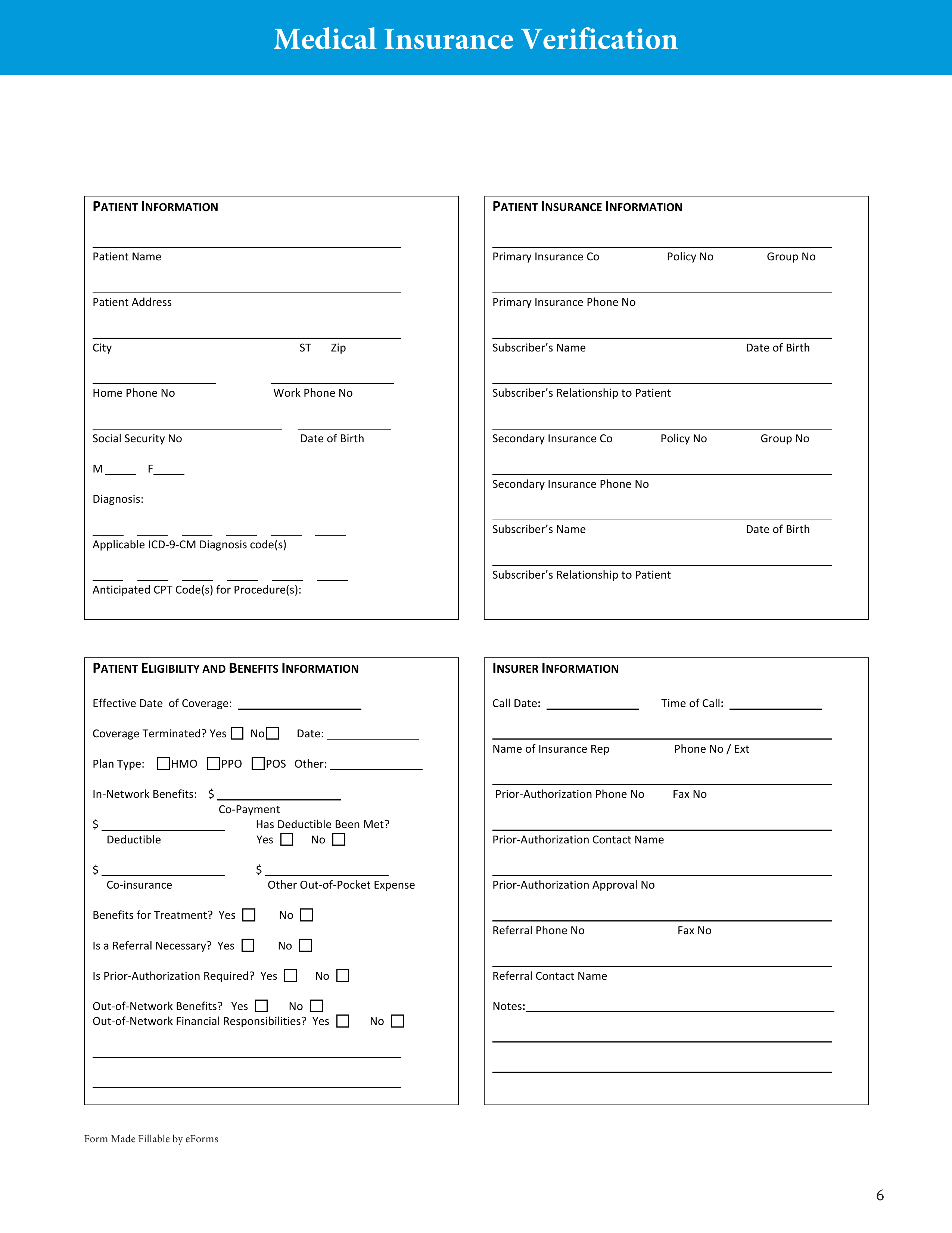
Whether Medicare is your primary or secondary medical insurance depends on the source of your other coverage and, in many cases, the size of your employer. Generally, if Medicare is your only coverage, it is primary. If you have employer-sponsored insurance, Medicare is typically secondary if the company has 20 or more employees.
Determining which insurance pays first is a process known as Coordination of Benefits (COB). As of 2026, these rules remain a cornerstone of the Medicare system, ensuring that the federal program and private insurers share costs according to federal law. Misunderstanding these rules can lead to significant financial consequences, including denied claims, retroactive premium penalties, or out-of-pocket expenses that should have been covered.
Understanding the "Payer" Hierarchy
When you have more than one type of health insurance, federal "Medicare Secondary Payer" (MSP) laws dictate the order in which they pay. The primary payer processes the bill first, paying up to the limits of its coverage. The secondary payer then reviews what remains and may cover some or all of the remaining costs, such as deductibles or coinsurance.
It is important to note that a secondary payer does not always pay the entire remaining balance. For example, if Medicare is secondary and your primary insurance pays more than what Medicare would have allowed for that service, Medicare may pay nothing at all. Conversely, if Medicare is primary and you lack supplemental coverage, you are responsible for the standard 20% coinsurance under Part B.
Medicare and Employer Group Health Plans (EGHPs)
The most common scenario involving primary vs. secondary status occurs when an individual is 65 or older but continues to work or is covered by a spouse’s active employment. The determination here rests almost entirely on the size of the employer.
The 20-Employee Rule for Seniors
If you are 65 or older and have insurance through your own current employment or the current employment of a spouse, the employee count of that company is the deciding factor:
- 20 or More Employees: The Employer Group Health Plan (EGHP) is the primary payer, and Medicare is the secondary payer. In this situation, you might choose to delay Medicare Part B to save on the monthly premium, provided the employer insurance is "creditable."
- Fewer than 20 Employees: Medicare is the primary payer, and the employer plan is the secondary payer. If you work for a small business and do not enroll in Medicare Part B when you are first eligible, your employer plan may refuse to pay for services that Medicare would have covered, leaving you with the entire bill.
Multi-Employer Plans
In some cases, small employers participate in a "multi-employer" or "multiple employer" plan. If at least one employer in the plan has 20 or more employees, the employer plan is generally primary for all participants, unless the specific employer has successfully applied for a small-employer exception.

Medicare for Individuals with Disabilities
If you are under 65 and entitled to Medicare due to a disability (other than End-Stage Renal Disease), the rules for employer coverage change slightly regarding the company size threshold.
- 100 or More Employees: If you are covered by a "large group health plan" (an employer with 100 or more employees), the employer plan is primary, and Medicare is secondary.
- Fewer than 100 Employees: Medicare is primary, and the employer plan is secondary.
This higher threshold is designed to protect smaller and medium-sized businesses from the potentially higher healthcare costs associated with disability-related care.
COBRA and Retiree Insurance: Medicare Takes the Lead
A frequent point of confusion involves COBRA (Consolidated Omnibus Budget Reconciliation Act) and retiree health insurance. Many individuals assume that because these plans look and feel like standard employer insurance, they remain primary. This is a dangerous misconception in 2026.
Retiree Health Insurance
Retiree insurance is almost always secondary to Medicare. Once you are eligible for Medicare, your retiree plan expects Medicare to pay first. If you fail to enroll in Medicare Part A and Part B, your retiree plan may "carve out" or estimate what Medicare would have paid and only pay the remainder. This can result in you being personally responsible for 80% or more of your medical bills.
COBRA Coverage
The relationship between COBRA and Medicare is complex. If you have Medicare first and then become eligible for COBRA, you can usually have both, but Medicare is the primary payer.
However, if you have COBRA first and then become eligible for Medicare, your COBRA coverage usually ends on the day you become eligible for Medicare. There are limited exceptions for dependents, but the primary individual must transition to Medicare. Failing to enroll in Medicare because you have COBRA is a common mistake that leads to lifelong Part B late enrollment penalties.
Special Scenarios: TRICARE, VA, and No-Fault Insurance
Beyond standard employer plans, other types of coverage have specific coordination rules with Medicare.
| Insurance Type | Condition | Primary Payer | Secondary Payer |
|---|---|---|---|
| Medicare Only | No other coverage | Medicare | None |
| Employer Plan (20+ Employees) | Current employment | Employer Plan | Medicare |
| Employer Plan (<20 Employees) | Current employment | Medicare | Employer Plan |
| Retiree Insurance | Retired | Medicare | Retiree Plan |
| COBRA | Employment ended | Medicare | COBRA |
| TRICARE for Life | Retired Military | Medicare | TRICARE |
| VA Benefits | Veteran Status | VA (at VA facilities) | Medicare (at non-VA) |
| Workers’ Comp | Work-related injury | Workers' Comp | Medicare (conditional) |
| No-Fault/Liability | Accident/Injury | Liability Insurance | Medicare |
TRICARE for Life (TFL)
For retired military members, Medicare is the primary payer for Medicare-covered services. TRICARE for Life acts as a supplement, covering most of the remaining out-of-pocket costs. To keep TRICARE for Life, you must be enrolled in both Medicare Part A and Part B.
Veterans Affairs (VA) Benefits
The VA and Medicare do not coordinate benefits. They are two separate government programs. If you receive care at a VA facility, the VA is the payer. If you receive care at a civilian hospital or doctor's office, Medicare is the payer. The VA will generally not pay for the 20% coinsurance left over by Medicare at a civilian provider.
Workers’ Compensation and No-Fault
If you are injured in a car accident or at work, Medicare is the secondary payer to the liability or workers' compensation insurance. Medicare may make "conditional payments" to ensure you receive immediate treatment while a legal settlement is pending, but the program will seek reimbursement once the case is resolved.
The Consequences of Incorrect Payer Order
If your insurance providers do not have the correct information regarding who is primary, your healthcare journey in 2026 could face significant hurdles.
- Claim Denials: If Medicare believes an employer plan is primary, it will deny your claims. Conversely, if an employer plan believes Medicare is primary, it will only pay a fraction of the bill.
- Retroactive Recoupment: Insurers often audit claims years after the fact. If an insurer discovers they paid as primary when they should have been secondary, they will "claw back" the money from the doctor or hospital. The provider will then bill you for the full amount.
- Late Enrollment Penalties: If you assume your current insurance is primary (and thus you don't need Part B) but the law says Medicare is primary, you are not considered to have "creditable coverage." This triggers a permanent 10% penalty for every 12-month period you were eligible for Part B but didn't sign up.
How to Verify Your Primary Status
To ensure your benefits are coordinated correctly, you must inform Medicare and your other insurers about your status. In 2026, the primary point of contact for this is the Benefits Coordination & Recovery Center (BCRC).
- Report Changes: If you stop working, change employers, or your spouse retires, you must notify Medicare.
- The COB Survey: Medicare often sends a Coordination of Benefits survey to new enrollees. It is vital to complete this form accurately.
- Review the MSN: Your Medicare Summary Notice (MSN) will indicate if Medicare paid as the primary or secondary payer. Review these documents quarterly to catch errors early.
Frequently Asked Questions
1. Can I choose which insurance is primary?
No. The order of payment is determined by federal law and the specific terms of your insurance contracts. You cannot request that Medicare pay first if you work for a company with more than 20 employees; the employer plan is legally the primary payer in that scenario.
2. Does my Medicare Supplement (Medigap) plan ever pay primary?
No. A Medigap policy is specifically designed to pay after Medicare has processed a claim. It follows Medicare's lead and covers the "gaps" (like the Part B deductible or the 20% coinsurance). If Medicare denies a claim as "not medically necessary," the Medigap policy will almost never pay its portion either.
3. What happens if I have Medicare and a Marketplace (ACA) plan?
It is illegal for someone to sell you a Marketplace plan if they know you have Medicare. If you have a Marketplace plan and then become eligible for Medicare, you should generally transition to Medicare. Marketplace plans do not coordinate with Medicare; they are not designed to be secondary, and you will lose any premium tax credits once you become eligible for Medicare Part A.
4. If my spouse is still working and I am on their plan, is Medicare primary?
This depends on the employer size. If your spouse’s employer has 20 or more employees, the spouse’s employer plan is primary, and your Medicare is secondary. If the employer has fewer than 20 employees, Medicare is primary.
5. Does Medicare Part D (Prescriptions) follow the same rules?
Yes. If you have "creditable" prescription drug coverage through an employer (meaning it is at least as good as Medicare’s standard), the employer plan pays first. However, most people with employer coverage find it easier to stick with their employer's drug plan and delay Part D enrollment until they retire to avoid redundant premiums.
Practical Recommendations
To navigate your insurance status in 2026, follow these steps:
- Verify Employer Size: Ask your HR department specifically how many employees are in the company. Ensure they count all employees (full-time and part-time), not just those enrolled in the health plan.
- Confirm "Creditable" Status: Obtain a written "Notice of Creditable Coverage" from your employer each year. This proves to Medicare that you had adequate insurance and protects you from late enrollment penalties.
- Notify Your Providers: Give your doctor’s office both your Medicare card and your other insurance card. Explicitly tell them which one is primary based on the rules outlined above.
- Consult the Experts: If your situation is complex—such as having both VA benefits and an employer plan—contact the State Health Insurance Assistance Program (SHIP) for free, unbiased counseling.
Managing Medicare's role as a primary or secondary payer is essential for financial security. By identifying your employer size and the nature of your other coverage, you can ensure that your medical bills are paid on time and that you remain compliant with federal enrollment regulations.
Image Gallery
Select an image to open it in a new tab.




Zara El-Hashem
Sociocultural Dynamics and Academics Writer
